 Indietro
Plant Diversity: Seedless Vascular and Seed Plants
Guida di studio - Note intelligenti
 Appunti personalizzati basati sui tuoi materiali, ampliati con definizioni chiave, esempi e contesto.
Plant Diversity and Evolution
Origin and Major Groups of Plants
Plants originated from green algae approximately 470 million years ago and have since diversified into several major groups. These include bryophytes (nonvascular plants), seedless vascular plants, and seed plants (gymnosperms and angiosperms). - Bryophytes: Mosses, liverworts, and hornworts; lack vascular tissue. - Seedless vascular plants: Ferns, lycophytes, horsetails; possess vascular tissue but do not produce seeds. - Seed plants: Gymnosperms (cone-bearing) and angiosperms (flowering plants); produce seeds.
Alternation of Generations
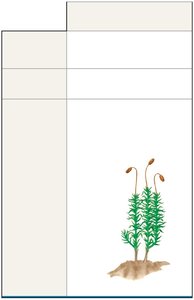
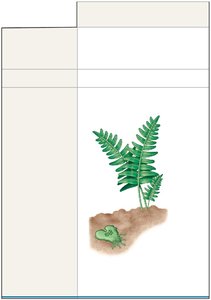
All plants exhibit alternation of generations, a life cycle in which two multicellular stages alternate: the gametophyte (haploid, n) and the sporophyte (diploid, 2n). - Bryophytes: Gametophyte is dominant. - Seedless vascular plants: Sporophyte is dominant. - Seed plants: Sporophyte is dominant; gametophyte is reduced and dependent.
Seedless Vascular Plants
Characteristics of Living Vascular Plants
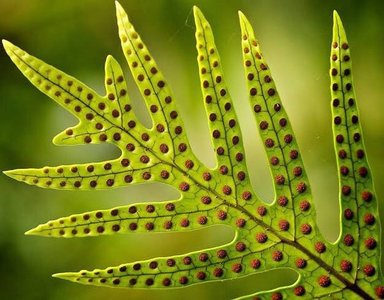
Seedless vascular plants possess specialized tissues for transport and support. - Vascular tissue: Xylem (transports water and minerals) and phloem (transports sugars and organic nutrients). - Roots: Anchor plants and absorb water/nutrients. - Leaves: Increase surface area for photosynthesis. - Sporophylls: Spore-bearing leaves. 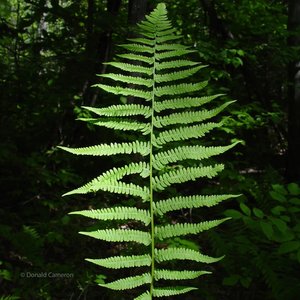
Spore Production: Homospory and Heterospory
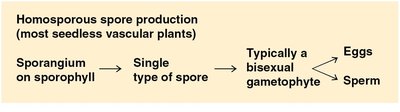
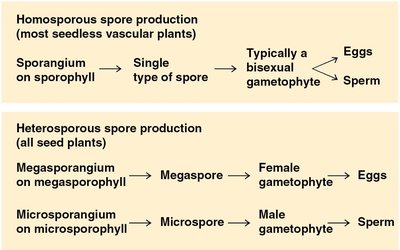
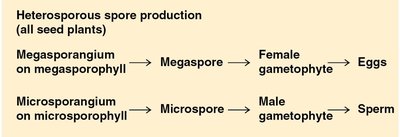
Most seedless vascular plants are homosporous, producing one type of spore that develops into a bisexual gametophyte. Some plants are heterosporous, producing distinct male and female spores.
Homospory: Single type of spore forms a gametophyte with both eggs and sperm.
Heterospory: Megaspores form female gametophytes; microspores form male gametophytes.
Phyla of Seedless Vascular Plants
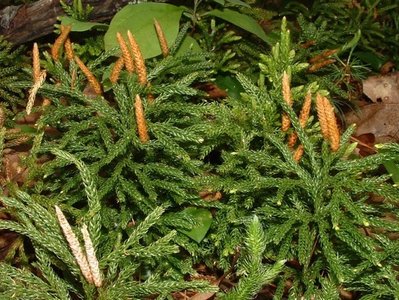
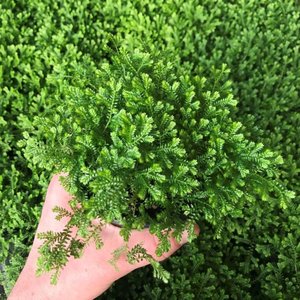
Phylum Lycophyta: Club mosses, spike mosses, quillworts; small herbaceous plants with vascular tissue.
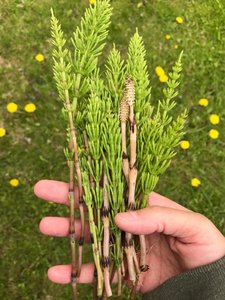
Phylum Monilophyta: Ferns, horsetails, whisk ferns; ferns are the most widespread with over 12,000 species.
Ecological Significance
Ancient forests of lycophytes, horsetails, and ferns contributed to global cooling by removing CO2 from the atmosphere. Decaying plants from these forests became coal deposits. 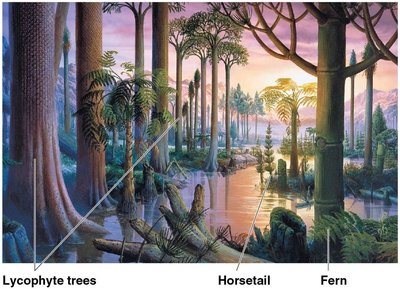
Seed Plants
Seed Plant Evolution and Adaptations
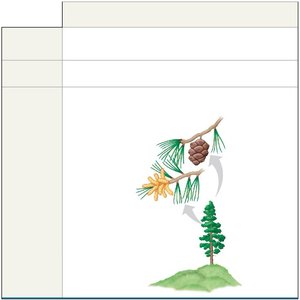
Seed plants originated about 360 million years ago and became dominant in terrestrial ecosystems due to the advantages of seeds. - Seed: Embryo and nutrients surrounded by a protective coat; enables long-distance dispersal and survival. 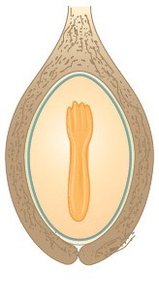
Derived Traits of Seed Plants
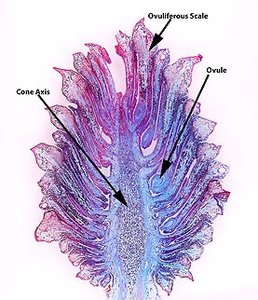
Four key traits are common to all seed plants: 1. Reduced gametophytes 2. Heterospory 3. Ovules 4. Pollen
Reduced gametophytes: Microscopic, dependent on sporophyte tissue.
Heterospory: All seed plants produce megaspores (female) and microspores (male).
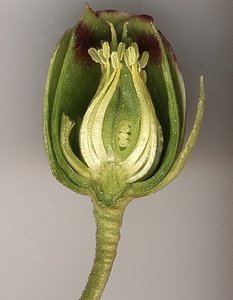
Ovules: Megaspore within a megasporangium, protected by integuments.
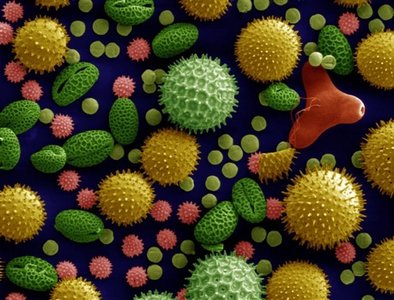
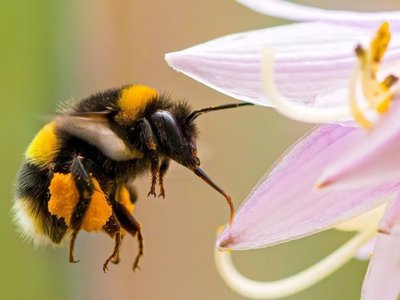
Pollen: Microspores develop into male gametophytes enclosed in pollen grains.
Evolutionary Advantages of Seeds
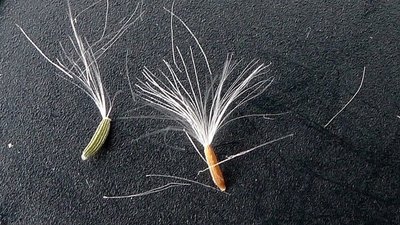
Seeds are a key adaptation for terrestrial life, allowing plants to remain viable longer than spores and disperse over great distances. Stored energy in seeds supports initial growth.
Classification of Seed Plants
Seed plants are divided into two clades: gymnosperms and angiosperms.
Group | Key Features |
|---|---|
Gymnosperms | Naked seeds, exposed on cones |
Angiosperms | Seeds enclosed in fruits, flowers present |
Gymnosperms
Characteristics and Diversity
Gymnosperms produce seeds on cones and are mostly evergreen conifers. Four phyla exist: Cycadophyta, Gingkophyta, Gnetophyta, and Coniferophyta.
Angiosperms
Key Adaptations: Flowers and Fruits
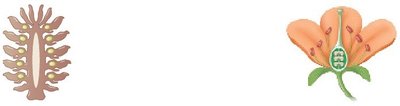
Angiosperms are the most diverse group of plants, characterized by flowers and fruits. - Flowers: Composed of sepals, petals, stamens (produce pollen), and carpels (produce ovules). - Fruits: Mature ovary that protects seeds and aids in dispersal.
Human Dependence and Conservation
Importance of Seed Plants
Seed plants provide food, drinks, construction materials, fuel, and medicine.
Threats to Plant Diversity
Habitat destruction is causing extinction of many plant species, which also impacts animal species dependent on plants.
Summary Table: Plant Groups and Characteristics
Group | Vascular Tissue | Dominant Generation | Seed Presence |
|---|---|---|---|
Bryophytes | No | Gametophyte | No |
Seedless Vascular Plants | Yes | Sporophyte | No |
Gymnosperms | Yes | Sporophyte | Yes |
Angiosperms | Yes | Sporophyte | Yes |
Example: Ferns are seedless vascular plants with well-developed roots and leaves, and a dominant sporophyte generation. 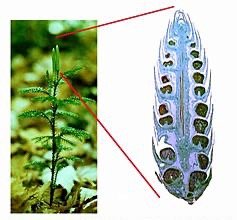 Example: Club mosses and spike mosses are lycophytes, not true mosses, and possess vascular tissue. Example: Horsetails are monilophytes, another group of seedless vascular plants. Example: Ancient forests of lycophytes, horsetails, and ferns contributed to coal formation. Example: Seed structure showing embryo, seed coat, and food supply. Example: Pollen grains are produced by seed plants and can be dispersed by wind or animals. Example: Pollination involves the transfer of pollen to the ovule-containing part of the plant, leading to fertilization. Example: Angiosperm flowers are composed of sepals, petals, stamens, and carpels. Example: Fruits develop from the ovary after fertilization and aid in seed dispersal. Example: Seed plants are essential for human society and ecosystem stability. Additional info: Seedless vascular plants and seed plants are covered in General Biology chapters 28–30, focusing on plant anatomy, reproduction, and diversity.
