 Indietro
Plants and the Conquest of Land: Adaptations, Diversity, and Ecological Impact
Guida di studio - Note intelligenti
 Appunti personalizzati basati sui tuoi materiali, ampliati con definizioni chiave, esempi e contesto.
Plants and the Conquest of Land
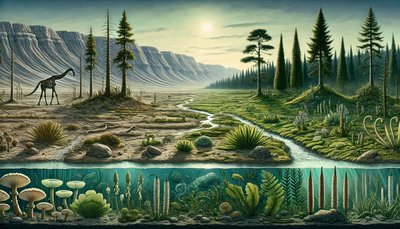
Introduction to Land Plants
Land plants evolved from green algal ancestors and have developed unique adaptations to thrive in terrestrial environments. Their colonization of land transformed Earth's ecology and led to the diversification of plant life.
Key Point 1: Land plants are multicellular eukaryotes with plastids and cellulose-rich cell walls.
Key Point 2: They are distinguished from their algal relatives by adaptations for terrestrial life, such as specialized tissues and reproductive strategies.
Example: The first plants colonized land approximately 500 million years ago, leading to the emergence of diverse plant groups.
Evolutionary Timeline and Plant Diversity
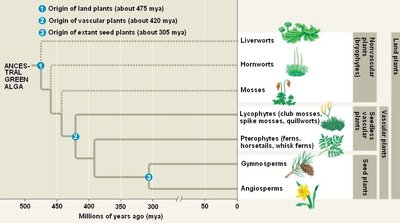
The evolutionary history of plants is marked by key innovations and the emergence of major groups.
Key Point 1: The origin of land plants, vascular plants, and seed plants occurred in distinct evolutionary stages.
Key Point 2: Plant diversity includes bryophytes, seedless vascular plants, gymnosperms, and angiosperms.
Example: Bryophytes (liverworts, mosses, hornworts) are non-vascular, while lycophytes and monilophytes are seedless vascular plants.
Derived Characteristics of Land Plants
Land plants possess several derived traits absent in their algal relatives, which are crucial for survival on land.
Key Point 1: Alternation of generations: Life cycle alternates between multicellular diploid sporophyte and haploid gametophyte.
Key Point 2: Multicellular dependent embryo: Embryos are retained and nourished by maternal tissue.
Key Point 3: Walled spores produced in sporangia: Spores are protected from desiccation.
Key Point 4: Multicellular gametangia: Specialized organs produce gametes.
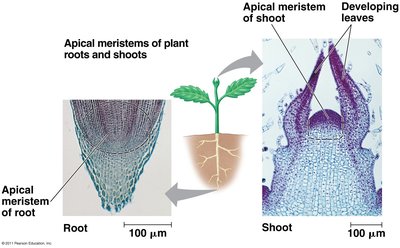
Key Point 5: Apical meristems: Regions of cell division at tips of roots and shoots allow growth.
Adaptations to Terrestrial Environments
Land plants evolved structural and physiological adaptations to reduce water loss and enable reproduction on land.
Key Point 1: Waxy cuticle: Prevents water loss and protects against pathogens.
Key Point 2: Stomata: Pores that regulate gas exchange and minimize water loss.
Key Point 3: Tough-walled spores: Resist desiccation and aid in dispersal.
Key Point 4: Specialized reproductive structures: Protect and disperse gametes and spores.
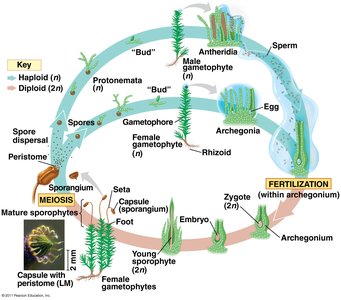
Alternation of Generations (Sporic Life Cycle)
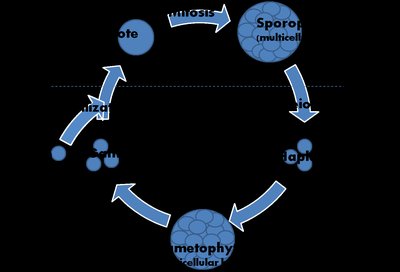
The sporic life cycle is a defining feature of land plants, involving alternation between two multicellular generations.
Key Point 1: Sporophyte: Diploid, spore-producing generation.
Key Point 2: Gametophyte: Haploid, gamete-producing generation.
Key Point 3: Embryonic sporophyte is retained in maternal tissue, facilitating nutrient transfer.
Example: In bryophytes, the gametophyte is dominant; in vascular plants, the sporophyte is dominant.
Vascular Tissue and Structural Adaptations
The development of vascular tissue enabled plants to grow larger and colonize diverse terrestrial habitats.
Key Point 1: Xylem: Conducts water and minerals from roots to shoots.
Key Point 2: Phloem: Transports organic molecules throughout the plant.
Key Point 3: Lignin: Strengthens cell walls, providing structural support.
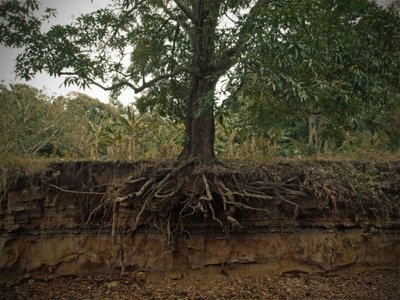
Key Point 4: Roots: Anchor plants and absorb water and nutrients.
Key Point 5: Leaves: Sites of photosynthesis; microphylls (single vein) and megaphylls (branched veins).
Bryophytes: Non-Vascular Plants
Bryophytes are small, non-vascular plants that thrive in moist environments and have a dominant gametophyte generation.
Key Point 1: Bryophytes include liverworts, mosses, and hornworts.
Key Point 2: They lack true roots, stems, and leaves; instead, they have rhizoids.
Key Point 3: Water and nutrients are absorbed directly from the environment.
Key Point 4: The sporophyte is dependent on the gametophyte and is small and short-lived.
Seedless Vascular Plants: Lycophytes and Monilophytes
Seedless vascular plants possess vascular tissue and have a dominant sporophyte generation, but reproduce via spores.
Key Point 1: Lycophytes: Have microphylls (leaves with a single vein).
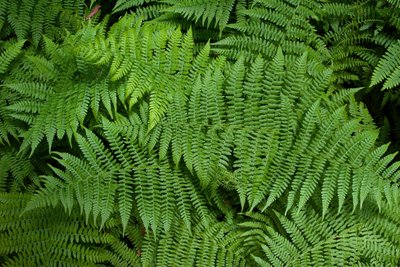
Key Point 2: Monilophytes (ferns): Have megaphylls (leaves with branched veins).
Key Point 3: Reproduction relies on moist conditions; sperm are flagellated and swim to the egg.
Key Point 4: Sporophytes are independent and dominant, with improved dispersal due to height.
Ecological Impact of Seedless Plants
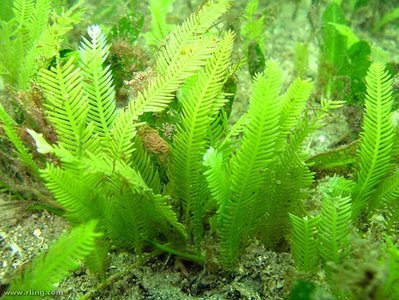
Seedless plants played a crucial role in shaping Earth's ecology, especially during the Carboniferous period.
Key Point 1: Bryophytes produced decay-resistant tissues, contributing to soil formation and carbon burial.
Key Point 2: Seedless vascular plants formed the first forests, reducing atmospheric CO2 and causing global cooling.
Key Point 3: Decaying plant material eventually became coal, influencing Earth's carbon cycle.
Key Terms and Definitions
Microphyll: Small leaf with a single vein.
Megaphyll: Large leaf with a branched vascular system.
Sporophyll: Leaf that bears sporangia.
Sporophyte: Diploid, spore-producing generation.
Gametophyte: Haploid, gamete-producing generation.
Spore: Haploid cell produced by meiosis, capable of developing into a gametophyte.
Gamete: Haploid reproductive cell (egg or sperm).
Sporangia: Structures that produce spores.
Gametangia: Structures that produce gametes.
Xylem: Vascular tissue for water and mineral transport.
Phloem: Vascular tissue for organic molecule transport.
Lignin: Complex polymer that strengthens cell walls.
Roots: Organs for anchorage and absorption.
Rhizoids: Root-like structures in bryophytes.
Vascular tissue: Xylem and phloem.
Cuticle: Waxy layer preventing water loss.
Stomata: Pores for gas exchange.
Summary Table: Major Plant Groups
Group | Vascular Tissue | Seeds | Dominant Generation | Examples |
|---|---|---|---|---|
Bryophytes | No | No | Gametophyte | Liverworts, Mosses, Hornworts |
Seedless Vascular Plants | Yes | No | Sporophyte | Lycophytes, Monilophytes (Ferns) |
Gymnosperms | Yes | Yes | Sporophyte | Pines, Cycads |
Angiosperms | Yes | Yes | Sporophyte | Flowering plants |
Additional info:
Seed plants (gymnosperms and angiosperms) became dominant after the decline of seedless vascular plants due to changing climate conditions.
Photosynthesis began in aquatic environments and was later adapted for terrestrial life.
