 Indietro
Pollination Syndromes: Adaptations of Flowers to Pollinators
Guida di studio - Note intelligenti
 Appunti personalizzati basati sui tuoi materiali, ampliati con definizioni chiave, esempi e contesto.
Pollination Syndromes
Introduction to Pollination Syndromes
Pollination syndromes describe the suite of flower traits that have evolved in response to natural selection imposed by different pollinators. These adaptations enhance the efficiency of pollen transfer and reproductive success in flowering plants. The main pollination syndromes are based on the type of pollinator: beetles, flies, moths, bees, birds, bats, rodents, and wind.
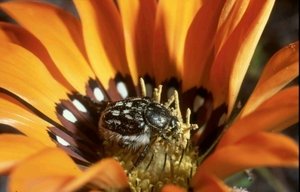
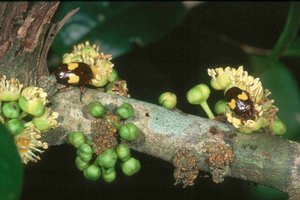
Beetle-Pollinated Flowers
Characteristics and Adaptations
Flower Structure: Often open, bowl-shaped, and day-active with exposed sexual organs.
Arrangement: Either large solitary flowers or clusters of small flowers.
Rewards: Ample pollen is provided as a reward for beetles.
Attractants: Some beetles are attracted to fruity or spicy scents (e.g., Magnolia), while others are drawn to bright colors.
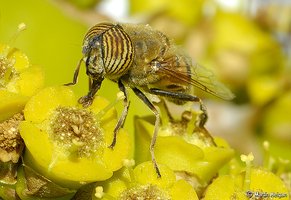
Fly-Pollinated Flowers
Types of Flies and Floral Adaptations
Short-tongued flies: Visit open flowers for pollen or concentrated nectar.
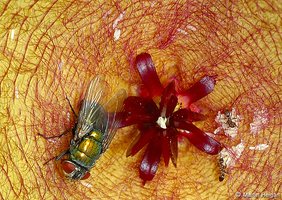
Carrion flies: Attracted to flowers that resemble or smell like rotting flesh or feces, searching for food.
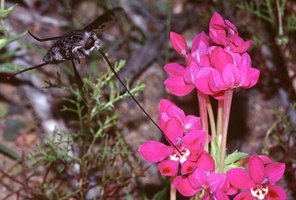
Long-tongued flies: Seek nectar from deep tubular flowers.
Moth-Pollinated Flowers
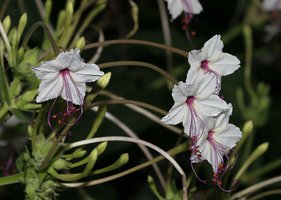
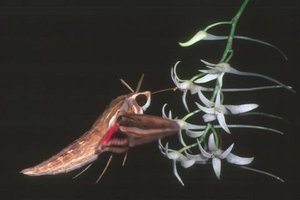
Adaptations for Nocturnal Pollinators
Color: Usually white or whitish to be visible at night.
Scent: Sweet, perfume-like scent produced at night to attract moths using smell in the dark.
Nectar: Ample nectar, often in very long tubes (up to 30 cm) to accommodate moths' long proboscises.
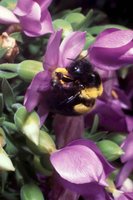
Bee-Pollinated Flowers
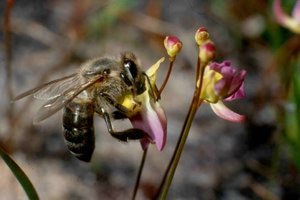
Floral Traits for Bee Attraction
Color: Flowers are often blue, yellow, or purple.
Scent: Sweet scents are common.
Nectar Guides: Patterns visible to bees direct them to nectar sources.
Rewards: Concentrated nectar and pollen, sometimes the only reward.
Complexity: Flowers may have landing platforms, hidden pollen, or special mechanisms for pollen release.
Bird-Pollinated Flowers
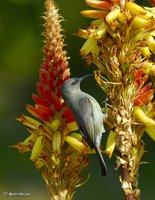
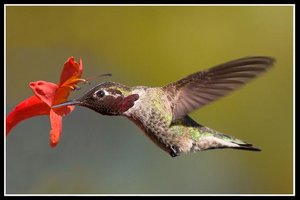
Adaptations for Avian Pollinators
Color: Often red or orange, which are attractive to birds but less so to insects.
Nectar: Large amounts of dilute nectar are produced.
Structure: Flowers are tubular or brush-like to accommodate bird feeding behavior.
Pollinators: Hummingbirds (Americas) hover, while sunbirds (Africa) perch.
Bat-Pollinated Flowers
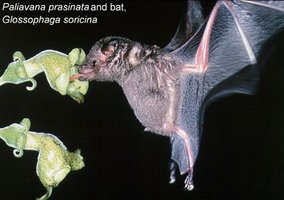
Traits for Nocturnal Mammal Pollinators
Distribution: Common in tropical regions.
Activity: Flowers are night-active.
Structure: Large, exposed flowers (bell or brush type).
Scent: Strong, often fruity, yeasty, or stinky odors.
Color: White or dull colors for visibility at night.
Rewards: Lots of nectar and pollen.
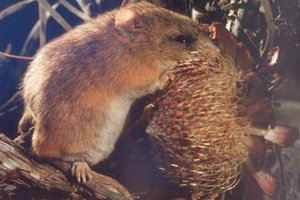
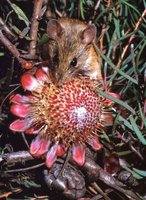
Rodent-Pollinated Flowers
Adaptations for Ground-Dwelling Mammals
Location: Flowers are dull and situated at ground level.
Scent: Yeasty odor attracts rodents.
Activity: Pollination occurs at night.
Rewards: Ample nectar and pollen are provided.
Wind Pollination
Floral Adaptations for Abiotic Pollination
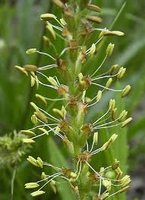
Flower Structure: Flowers are small, green, and inconspicuous.
Attractants: Floral attractants are secondarily reduced or absent.
Pollen Production: Very large amounts of lightweight, smooth, and small pollen grains are produced.
Exposure: Anthers and large stigmas are exposed to the wind.
Population: Plants often occur in large populations to increase pollination success.
Summary Table: Pollination Syndromes and Their Floral Traits
Pollinator | Flower Color | Scent | Structure | Reward |
|---|---|---|---|---|
Beetle | Bright, often white | Fruity, spicy | Open, bowl-shaped | Pollen |
Fly | Varied, sometimes dull | Rotting, sweet, or none | Open or tubular | Nectar, pollen |
Moth | White/whitish | Sweet, strong at night | Long tubes | Nectar |
Bee | Blue, yellow, purple | Sweet | Complex, nectar guides | Nectar, pollen |
Bird | Red, orange | None or weak | Tubular, brush-like | Dilute nectar |
Bat | White, dull | Strong, fruity/yeasty | Large, exposed | Nectar, pollen |
Rodent | Dull | Yeasty | Ground-level | Nectar, pollen |
Wind | Green, inconspicuous | None | Exposed anthers/stigmas | Pollen |
Additional info: Pollination syndromes are a classic example of coevolution, where both plants and their pollinators have evolved traits that increase mutual reproductive success. Understanding these syndromes is essential for studying plant reproduction, ecology, and evolution.
