 Indietro
Population Dynamics and Community Ecology: Study Notes
Guida di studio - Note intelligenti
 Appunti personalizzati basati sui tuoi materiali, ampliati con definizioni chiave, esempi e contesto.
Population Dynamics
Population Growth and Carrying Capacity
Population dynamics is a fundamental topic in ecology, focusing on how populations change over time and the factors that regulate their size. The concept of carrying capacity is central to understanding population growth in natural environments.
Carrying Capacity (K): The maximum population size that an environment can sustain indefinitely, given the available resources.
Density-Dependent Growth: As population density increases, growth rate slows due to limited resources, eventually stabilizing at carrying capacity.
Logistic Growth Equation: where N is population size, r is intrinsic growth rate, and K is carrying capacity.
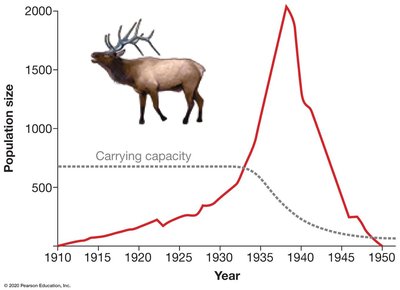
Overshoot and Crash: Populations may exceed carrying capacity (overshoot) when resources are abundant, followed by a crash when resources are depleted.
Example: Reindeer introduced to St. Paul Island overshot their carrying capacity, leading to a population crash as resources were exhausted. 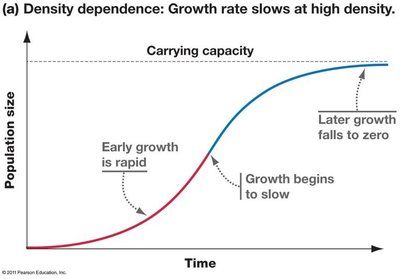
Population Cycles: Predator-Prey Dynamics
Predator-prey interactions often result in cyclical population changes, with predator and prey populations rising and falling in a regular pattern.
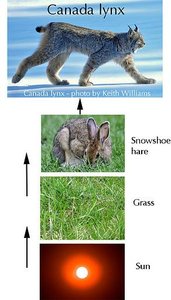
Predator-Prey Cycle: Classic example is the 10-year cycle between lynx (Lynx rufus) and hare (Lepus americanus).
Top-Down Control: Predators regulate prey populations.
Bottom-Up Control: Prey abundance regulates predator populations.
Combined Effects: Both top-down and bottom-up mechanisms can operate simultaneously.
Example: Lynx and hare populations exhibit cyclical dynamics, with changes in hare density preceding changes in lynx density. 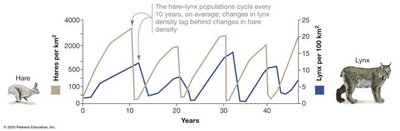
Human Population Growth
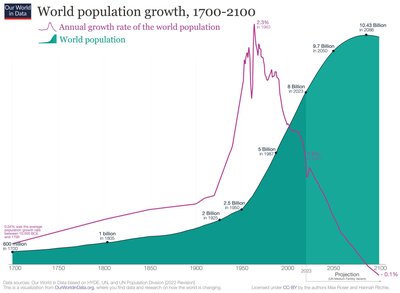
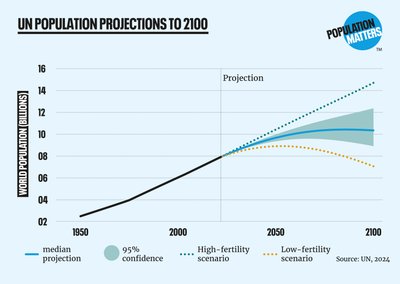
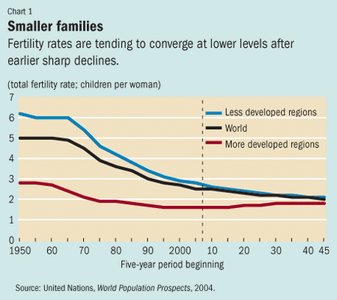
Human population growth has been rapid in recent centuries, but projections indicate a future peak and eventual decline due to changing fertility rates and social factors.
Per-Capita Growth Rate: Peaked around 1963; currently positive but declining.
Population Peak: Expected around 2086, after which global population may shrink.
Factors Affecting Growth: Economic mobility, childhood mortality, education, family planning, and cultural norms.
Community Ecology
Species Interactions
Community ecology examines how species interact within a community and the consequences of these interactions for fitness and population structure.
Fitness: The relative ability of an organism to survive and reproduce.
Types of Species Interactions:
Competition (–/–): Both species are harmed by the interaction.
Consumption (+/–): One species benefits by consuming another.
Mutualism (+/+): Both species benefit.
Commensalism (+/0): One species benefits, the other is unaffected.
Amensalism (–/0): One species is harmed, the other is unaffected.
Short-Term Consequences: Interactions can affect population sizes, resource availability, and evolutionary pressures.
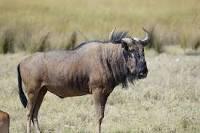
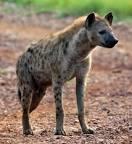
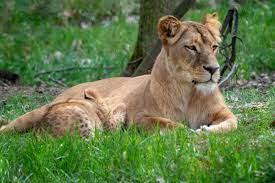
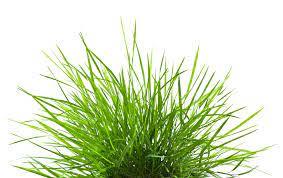
Example: Direct effects in a savanna community: wildebeest, lion, grass, and hyena interact through competition and consumption. 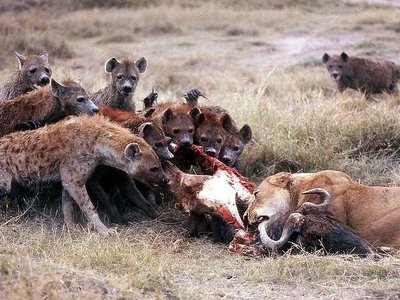
Ecological Niches
The ecological niche describes the range of resources a species can use and the conditions it can tolerate. Niche overlap can lead to competition and influence community structure.
Fundamental Niche: The full range of environmental conditions and resources a species could theoretically use.
Realized Niche: The actual conditions and resources used, limited by competition and other interactions.
Species Richness: The number of different species in a community.
Species Evenness: The relative abundance of each species.
Keystone Species: Species with a disproportionately large effect on community structure.
Example: Reindeer lichen (Cladonia rangiferina) is a key winter food source for reindeer, influencing their niche and population dynamics. 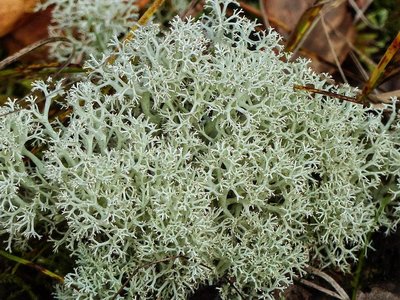
Competition and Community Structure
Competition can occur within a species (intraspecific) or between species (interspecific), shaping population growth and community composition.
Intraspecific Competition: Occurs among members of the same species; increases with population density.
Interspecific Competition: Occurs between different species; influences natural selection and niche differentiation.
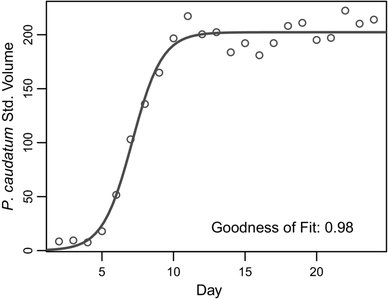
Density-Dependent Growth: Population growth slows as density increases due to competition for resources.
Example: Paramecium caudatum demonstrates density-dependent growth in laboratory settings. 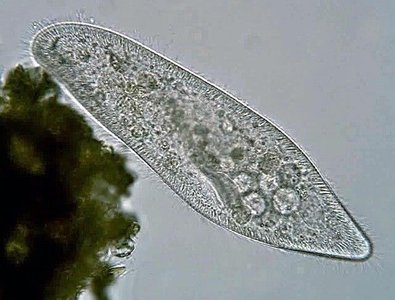
Trophic Cascades
Changes in species composition, such as the reintroduction of a predator, can cause cascading effects throughout the community.
Trophic Cascade: Occurs when changes at one trophic level affect multiple levels in the food web.
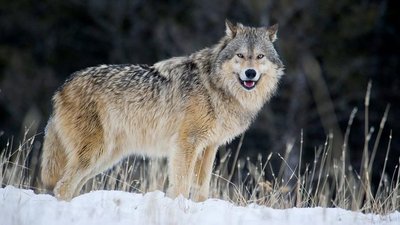
Example: Reintroduction of grey wolves (Canis lupus) to Yellowstone National Park altered populations of prey and vegetation, demonstrating the impact of keystone species.
 Additional info: Community resilience is often linked to species richness and evenness, with keystone species playing a critical role in maintaining ecosystem balance.
