 Indietro
Prokaryotes: Bacteria and Archaea – Structure, Diversity, and Ecological Roles
Guida di studio - Note intelligenti
 Appunti personalizzati basati sui tuoi materiali, ampliati con definizioni chiave, esempi e contesto.
Tree of Life and the Three Domains
Overview of Biological Classification
The classification of life has evolved from two kingdoms to five kingdoms, and now to three domains: Bacteria, Archaea, and Eukarya. This modern system is based on genetic evidence, particularly ribosomal RNA sequences, which revealed fundamental differences between these groups.
Domain Bacteria: Includes most known prokaryotes.
Domain Archaea: Prokaryotes distinct from bacteria, often found in extreme environments.
Domain Eukarya: All eukaryotic organisms, including plants, animals, fungi, and protists.
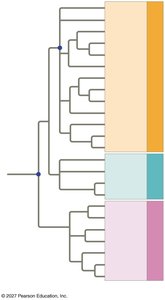
Bacteria and Archaea: Prokaryotic Life
General Characteristics
Prokaryotes, which include both Bacteria and Archaea, are single-celled organisms lacking a nucleus. Their genetic material is typically a single circular DNA molecule located in the nucleoid region of the cell.
Most prokaryotes are unicellular, though some form colonies.
They are structurally simpler than eukaryotes but highly evolved and diverse.
Prokaryotes inhabit nearly every environment on Earth, including extreme conditions.
History of Prokaryotes
Origin and Fossil Evidence
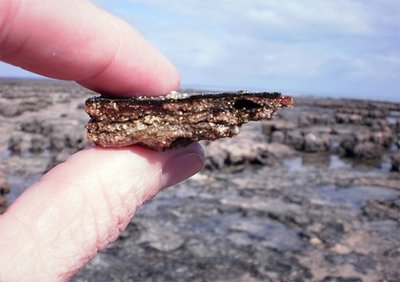
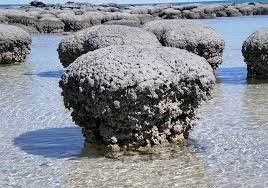
Prokaryotes are the earliest known life forms. The oldest fossils, stromatolites, are layered structures formed by the activities of prokaryotic communities and date back 3.5 billion years. Prokaryotes were Earth's only inhabitants for over 1.5 billion years.
Stromatolites: Fossilized microbial mats that provide evidence of early life.
Prokaryotic Diversity and Habitats
Ubiquity and Adaptations
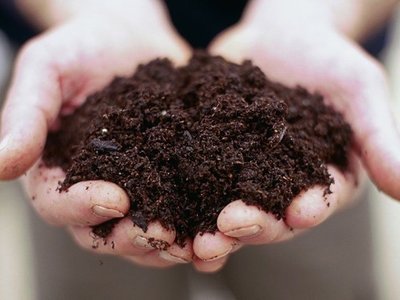
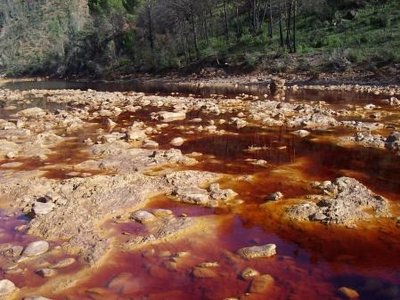
Prokaryotes are found in diverse environments, including soil, water, the human body, and extreme habitats such as acidic mines and hydrothermal vents. Their adaptability is due to their metabolic diversity and structural simplicity.
Can survive in acidic, saline, hot, or cold environments.
Play essential roles in nutrient cycling and ecological interactions.
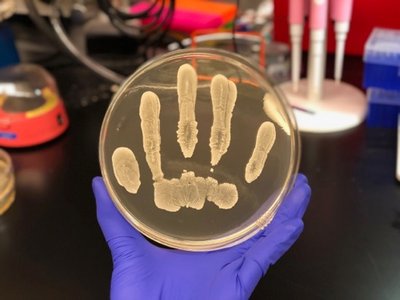

Extremophile Archaea
Adaptations to Extreme Environments
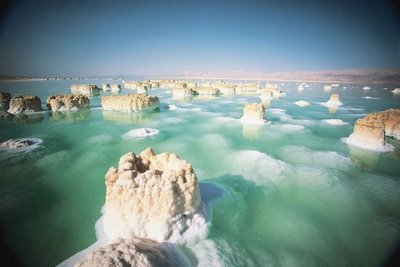
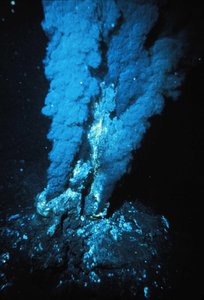
Some archaea, known as extremophiles, thrive in environments that are inhospitable to most life forms.
Extreme halophiles: Live in highly saline environments, such as the Dead Sea.
Extreme thermophiles: Thrive in very hot environments, such as hydrothermal vents.
Ecological Roles of Prokaryotes
Chemical Recycling and Symbiosis
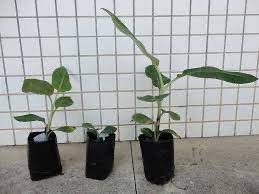
Prokaryotes are crucial for ecosystem functioning. They recycle nutrients, decompose organic matter, and participate in nitrogen fixation, making atmospheric nitrogen available to plants. Many prokaryotes form symbiotic relationships with plants and animals, including humans.
Decomposition: Break down dead organic material, releasing nutrients.
Nitrogen fixation: Convert atmospheric nitrogen (N2) to ammonia (NH3).
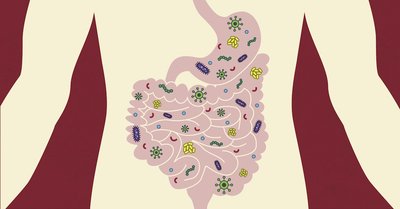
Symbiosis: Gut microbes aid in digestion and health.
Prokaryotes and Humans
Pathogenic and Beneficial Roles
Prokaryotes impact human health and society in both positive and negative ways. Some bacteria are pathogens, causing diseases, while others are beneficial, aiding in digestion, agriculture, industry, and bioremediation.
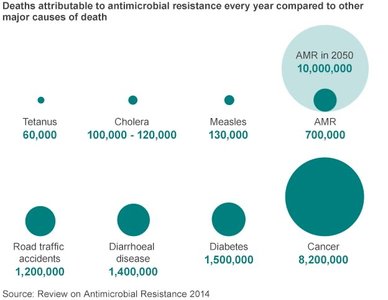
Pathogens: Cause diseases such as cholera, tetanus, and tuberculosis.
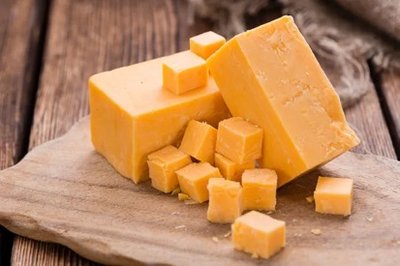
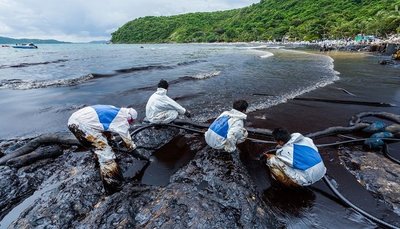
Beneficial bacteria: Used in food production (e.g., cheese, soy sauce), and environmental cleanup (bioremediation).


Cell Structure and Morphology
Size and Shape
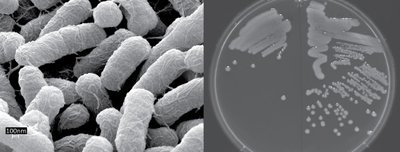
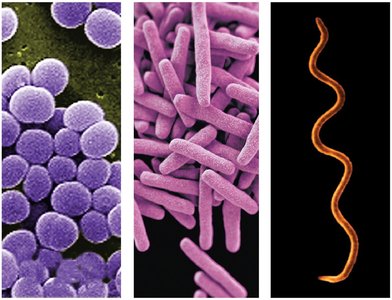
Most prokaryotic cells are 0.5–5 µm in diameter, much smaller than eukaryotic cells (10–100 µm). They exhibit a variety of shapes, including spheres (cocci), rods (bacilli), and spirals.
Thiomargarita magnifica: Exceptionally large bacterium.
Comparing Bacteria, Archaea, and Eukarya
Key Cellular Differences
Bacteria, Archaea, and Eukarya differ in several fundamental cellular features, including the presence of a nuclear envelope, cell wall composition, membrane lipids, and types of RNA polymerase.
CHARACTERISTIC | Bacteria | Archaea | Eukarya |
|---|---|---|---|
Nuclear envelope | Absent | Absent | Present |
Membrane-enclosed organelles | Absent | Absent | Present |
Peptidoglycan in cell wall | Present | Absent | Absent |
Membrane lipids | Unbranched hydrocarbons | Some branched hydrocarbons | Unbranched hydrocarbons |
RNA polymerase | One kind | Several kinds | Several kinds |
Initiator amino acid for protein synthesis | Formyl-methionine | Methionine | Methionine |
Cell Surface Features
Cell Wall and Capsule
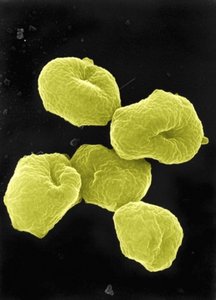
The prokaryotic cell wall maintains cell shape, protects the cell, and prevents it from bursting in hypotonic environments. Bacterial cell walls contain peptidoglycan, while most archaea have glycoproteins. Many prokaryotes also have a capsule, a polysaccharide or protein layer that aids in adherence and protection.
Capsule: Helps bacteria adhere to surfaces and evade host immune responses.
Additional Cell Structures
Endospores and Fimbriae
Some prokaryotes form endospores, which are metabolically inactive and can survive harsh conditions for centuries. Fimbriae are hair-like appendages that allow prokaryotes to attach to surfaces or each other, facilitating colony formation and biofilm development.
Endospores: Enable survival in extreme conditions.
Fimbriae: Aid in attachment and biofilm formation.
Motility and Internal Organization
Flagella and Specialized Membranes
Many prokaryotes are motile, moving toward or away from stimuli (taxis). Most motile bacteria use flagella, which differ structurally from those of archaea and eukaryotes, indicating convergent evolution. Some prokaryotes have specialized internal membranes for metabolic functions.
Genetic Organization and Diversity
Genome Structure and Genetic Variation
Prokaryotic genomes are typically smaller than those of eukaryotes, consisting of a single circular chromosome and sometimes plasmids. Genetic diversity is promoted by rapid reproduction, mutation, and genetic recombination (transformation, transduction, conjugation).
Transformation: Uptake of foreign DNA from the environment.
Transduction: Gene transfer via bacteriophages.
Conjugation: Direct transfer of DNA between cells via a pilus.
Horizontal gene transfer: Movement of genes between different species.
Metabolic Diversity
Energy and Carbon Sources
Prokaryotes are classified by how they obtain energy and carbon:
Phototrophs: Obtain energy from light.
Chemotrophs: Obtain energy from chemicals.
Autotrophs: Use CO2 as a carbon source.
Heterotrophs: Require organic compounds for carbon.
Combining these categories yields four major nutritional modes: photoautotrophy, chemoautotrophy, photoheterotrophy, and chemoheterotrophy.
Oxygen and Nitrogen Metabolism
Prokaryotic metabolism varies with respect to oxygen:
Obligate aerobes: Require O2 for respiration.
Obligate anaerobes: Poisoned by O2; use fermentation or anaerobic respiration.
Facultative anaerobes: Can survive with or without O2.
Nitrogen fixation is a key process in which some prokaryotes convert atmospheric nitrogen (N2) to ammonia (NH3), making nitrogen available to living organisms.
