 Indietro
Prokaryotic Diversity and Pathogenic Proteobacteria
Guida di studio - Note intelligenti
 Appunti personalizzati basati sui tuoi materiali, ampliati con definizioni chiave, esempi e contesto.
Prokaryotic Diversity
Classification of Prokaryotes
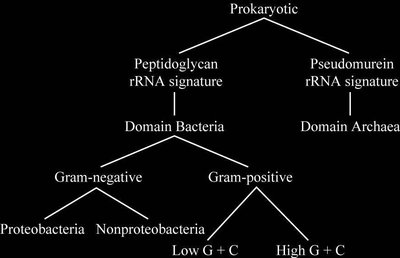
Prokaryotes are classified into two domains: Bacteria and Archaea. This classification is based on differences in cell wall composition and rRNA signatures.
Domain Bacteria: Characterized by peptidoglycan in their cell walls and a specific rRNA signature.
Domain Archaea: Characterized by pseudomurein in their cell walls and a distinct rRNA signature.
Bacteria are further divided into Gram-negative and Gram-positive groups, based on cell wall structure and staining properties.
Gram-negative bacteria include Proteobacteria and Nonproteobacteria.
Gram-positive bacteria are classified by their genomic GC content into Low G+C and High G+C groups.
Prokaryote Habitats and Functions
Prokaryotes are found in diverse environments, including extreme habitats such as hot springs, Antarctic ice, deep underwater, soil, air, and within the human body.
They are resilient and adaptable, living in communities with cooperative and competitive interactions.
Prokaryotes play essential roles in microbial ecology and symbiosis, including mutualism, commensalism, amensalism, neutralism, and parasitism.
Proteobacteria: Diversity and Pathogenicity
Overview of Proteobacteria
Proteobacteria are a major group of Gram-negative bacteria, subdivided into five classes: Alpha, Beta, Gamma, Delta, and Epsilonproteobacteria.
They exhibit a wide range of metabolic capabilities and ecological roles.
Many are important human pathogens.
Alphaproteobacteria: Pathogenic and Symbiotic Species
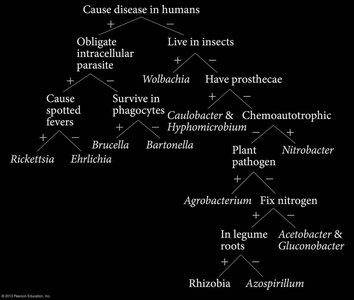
Alphaproteobacteria include several obligate intracellular parasites and symbionts.
Rickettsia: Arthropod-borne, obligate intracellular parasites causing spotted fevers.
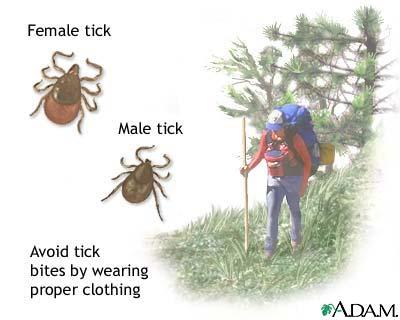
Ehrlichia: Tickborne obligate intracellular parasites causing ehrlichiosis.
Brucella: Non-motile coccobacilli causing brucellosis, a chronic disease in mammals.
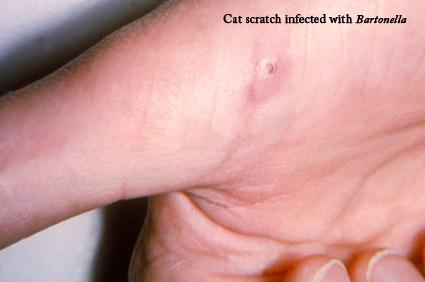
Bartonella henselae: Causes cat-scratch disease.
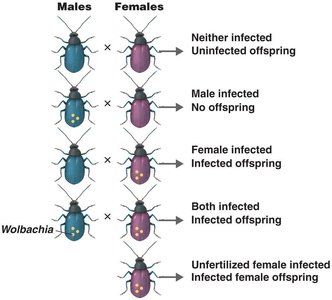
Wolbachia: Infects insects and other animals, causing parthenogenesis.
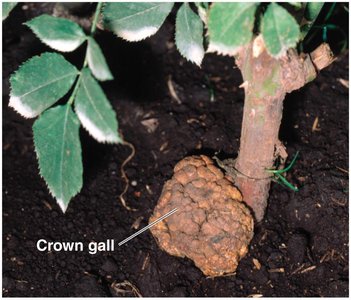
Agrobacterium: Inserts plasmids into plant cells, inducing tumors (crown gall disease).
Rickettsia: Spotted Fevers
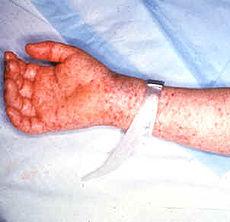
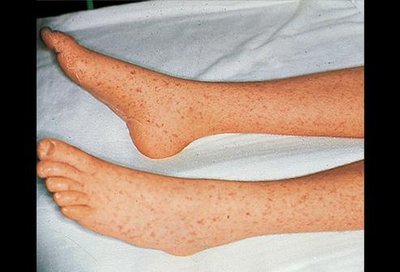
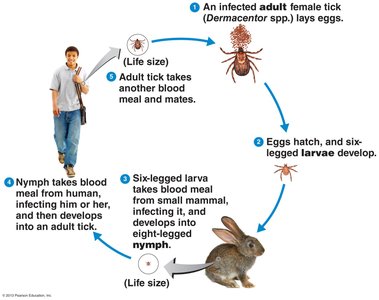
Rickettsia species are transmitted by arthropods and cause diseases such as epidemic typhus, endemic murine typhus, and Rocky Mountain spotted fever.
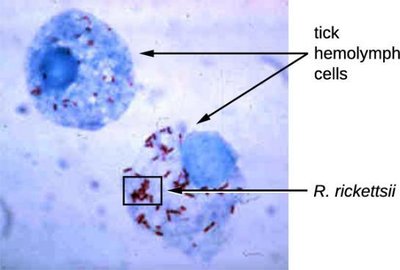
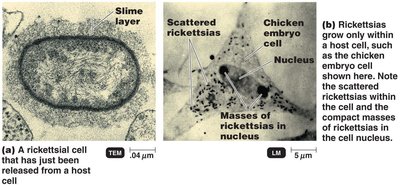
Obligate intracellular parasites; require special staining methods for visualization.
Infect host cells, often causing characteristic rashes and systemic symptoms.
Ehrlichia: Ehrlichiosis
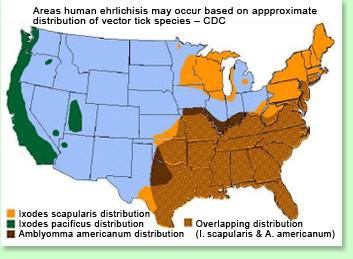
Ehrlichia are tickborne obligate intracellular parasites causing ehrlichiosis, characterized by fever, headache, fatigue, and muscle aches.
Rash is not a common feature, but may occur in some cases.
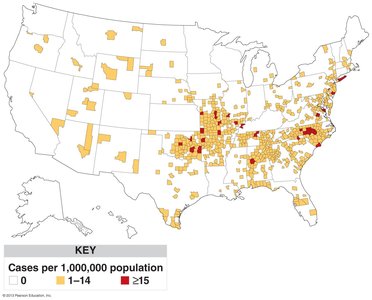
Distribution is linked to tick species across the United States.
Brucella: Brucellosis
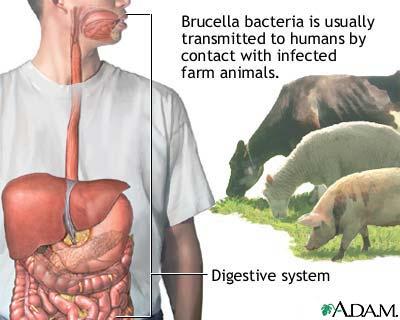
Brucella species are obligate parasites of mammals, causing brucellosis, a chronic disease transmitted by contact with infected farm animals.
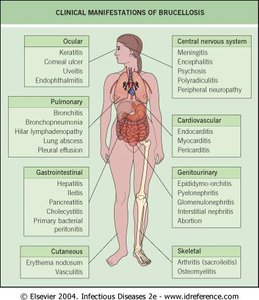
Brucella evades phagocytosis and can infect multiple organ systems.
Clinical manifestations include gastrointestinal, pulmonary, cutaneous, and neurological symptoms.
Bartonella henselae: Cat-Scratch Disease
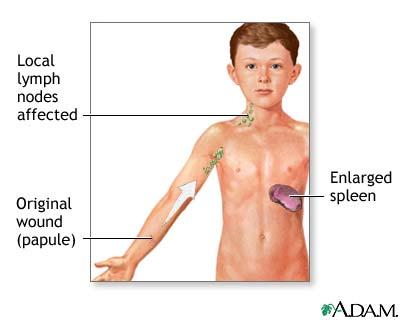
Bartonella henselae is a Gram-negative bacillus causing cat-scratch disease, often resulting in local lymph node swelling and, in severe cases, enlarged spleen.
Transmitted by scratches from infected cats.
Antibiotic therapy may be required in severe cases.
Wolbachia: Parthenogenesis in Insects
Wolbachia infects insects and other animals, causing reproductive alterations such as parthenogenesis.
Transmission patterns depend on infection status of male and female insects.
Agrobacterium: Plant Pathogen
Agrobacterium inserts a plasmid into plant cells, inducing tumor formation known as crown gall disease.
Used in biotechnology for genetic engineering of plants.
Betaproteobacteria: Environmental and Pathogenic Species
Betaproteobacteria utilize nutrients from anaerobic decomposition and include genera such as Sphaerotilus, Neisseria, Bordetella, and Burkholderia.
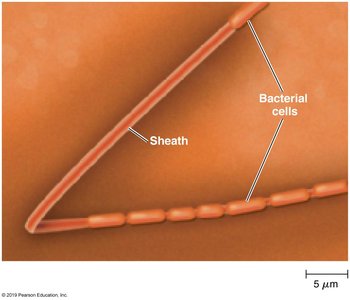
Sphaerotilus: Sheathed bacteria found in aquatic environments and sewage.
Neisseria: Gonorrhea and Meningitis
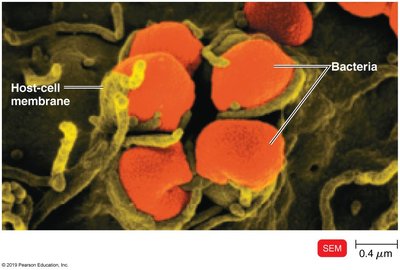
Neisseria are chemoheterotrophic cocci affecting various mucosal surfaces.
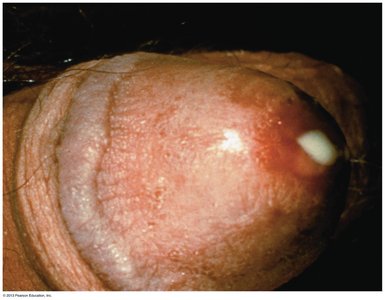
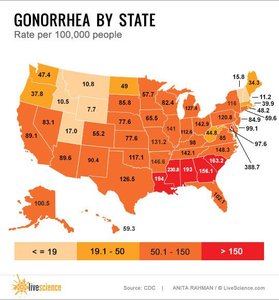
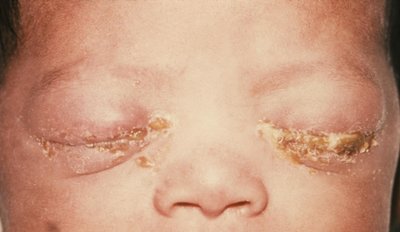
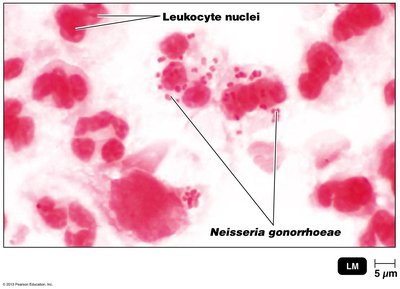
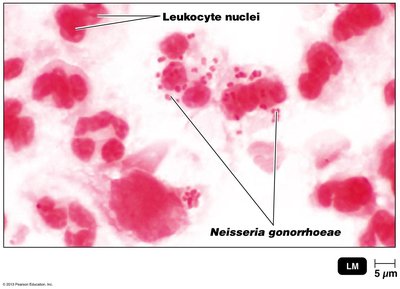
Neisseria gonorrhoeae: Causes gonorrhea, a sexually transmitted infection.
Uses fimbriae and Opa protein to invade host cells, causing inflammation and pus discharge.
Can lead to pelvic inflammatory disease and infertility in women.
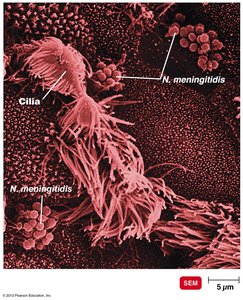
Neisseria meningitidis: Causes meningococcal meningitis, transmitted by droplets or direct contact.
Summary Table: Symbiotic Relationships
Type | Population A | Population B | Example |
|---|---|---|---|
Mutualism | Benefitted | Benefitted | Humans & Microbiome |
Amensalism | Harmed | Unaffected | Microbiome producing bacteriocins |
Commensalism | Benefitted | Unaffected | S. epidermidis on skin |
Neutralism | Unaffected | Unaffected | Vegetative cells & endospores |
Parasitism | Benefitted | Harmed | Pathogenic bacteria (tetanus, TB, leprosy) |
Additional info:
These notes cover topics directly relevant to General Biology, including prokaryotic diversity, classification, symbiosis, and pathogenic bacteria.
Images included are strictly relevant to the explanation of each paragraph, visually reinforcing the educational content.
