 Indietro
Protist Diversity and Evolution: Study Notes for General Biology
Guida di studio - Note intelligenti
 Appunti personalizzati basati sui tuoi materiali, ampliati con definizioni chiave, esempi e contesto.
Microbial Life: Protists
Introduction to Protists
Protists are a highly diverse group of mostly unicellular eukaryotes found in aquatic or moist environments. Their diversity is reflected in their modes of nutrition and evolutionary relationships. - Definition: Protists are eukaryotic organisms that are not classified as plants, animals, or fungi. - Modes of Nutrition:
Autotrophic (e.g., algae): capable of photosynthesis
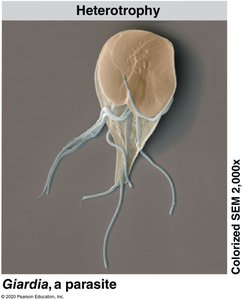
Heterotrophic (e.g., protozoans): obtain food by consuming other organisms
Mixotrophic: combine photosynthesis and heterotrophy
- Habitats: Found in oceans, freshwater, and moist terrestrial environments. 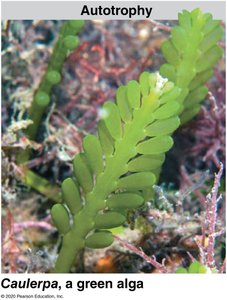
Protist Diversity and Supergroups
Protist diversity is organized into four major supergroups based on phylogenetic relationships. These supergroups include both protist and non-protist lineages. - Supergroups:
SAR (Stramenopila, Alveolata, Rhizaria)
Excavata
Unikonta
Archaeplastida
- Phylogeny: Some protist lineages are more closely related to plants, fungi, or animals than to other protists. 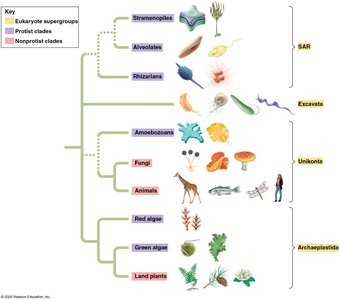
SAR Supergroup
The SAR supergroup encompasses a wide range of protist diversity, organized into three clades: Stramenopila, Alveolata, and Rhizaria.
Stramenopila
Includes diatoms, brown algae, and water molds. - Diatoms: Unicellular algae with silica cell walls. - Brown algae: Multicellular, often forming kelp forests. - Water molds: Fungus-like protists, some are plant pathogens. 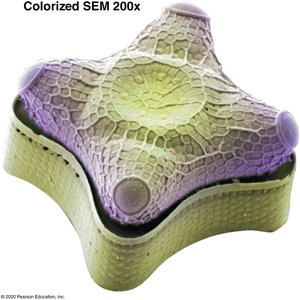
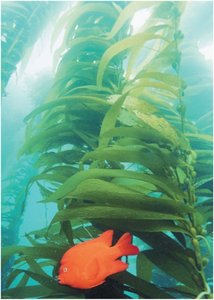
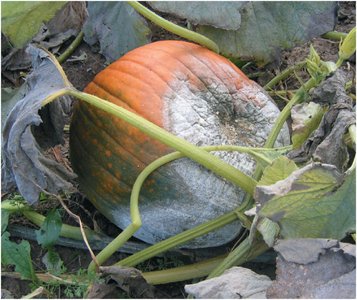
Alveolata
Includes dinoflagellates, ciliates, and certain parasites. - Dinoflagellates: Some cause harmful algal blooms (red tides). - Ciliates: Use cilia for movement and feeding (e.g., Paramecium). 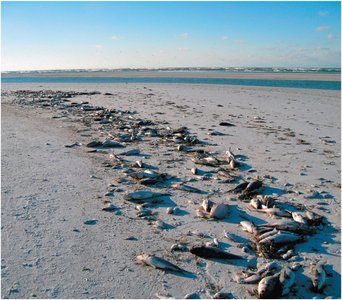
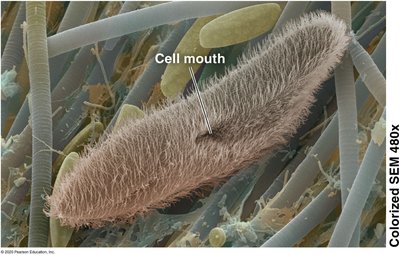
Rhizaria
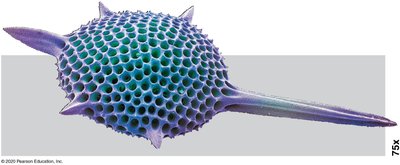
Includes foraminiferans and radiolarians. - Foraminiferans: Have porous shells (tests) made of calcium carbonate. - Radiolarians: Possess intricate silica skeletons. 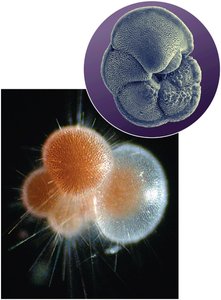
Excavata Supergroup
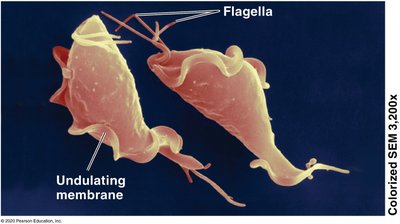
Excavata is characterized by an "excavated" feeding groove and includes both free-living and parasitic forms. Some have modified mitochondria and are anaerobic. - Parasitic Excavates:
Giardia: Causes intestinal infections
Trichomonas vaginalis: Causes sexually transmitted infections
Trypanosoma: Causes diseases such as African sleeping sickness
- Mixotrophs: Euglena can photosynthesize and feed heterotrophically. 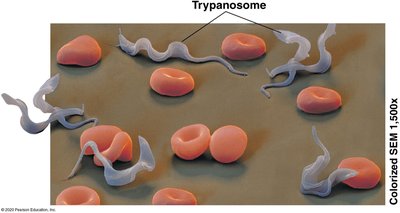
Unikonta Supergroup
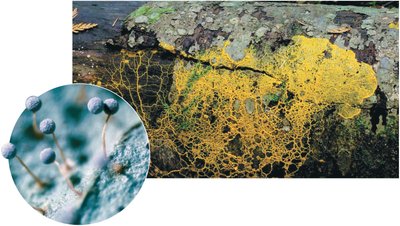
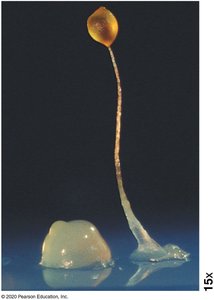
Unikonta includes protists closely related to fungi and animals. - Amoebozoans: Amoebas with lobe-shaped pseudopodia, plasmodial slime molds, and cellular slime molds. - Fungi and Animals: Also belong to Unikonta, highlighting evolutionary relationships. 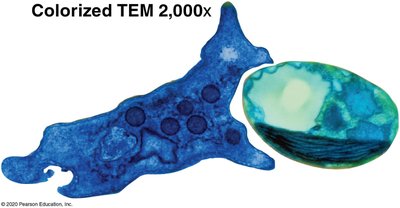
Archaeplastida Supergroup
Archaeplastida includes red algae, green algae, and land plants. Most members are autotrophic. - Red Algae: Mostly multicellular, important in coral reefs and commercial products. - Green Algae: Can be unicellular, colonial, or multicellular; closely related to land plants. - Life Cycle: Many algae exhibit alternation of generations, with haploid gametophyte and diploid sporophyte stages. 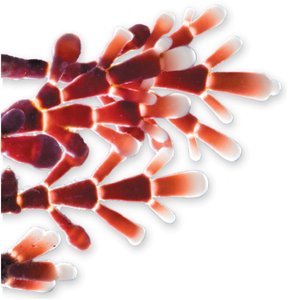
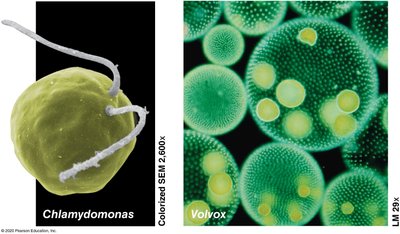
Evolution of Multicellularity in Eukaryotes
Multicellularity evolved independently in several eukaryotic lineages, leading to increased complexity and specialization. - Specialization: Multicellular organisms have cells specialized for different functions. - Lineages: Multicellularity evolved in stramenopiles (brown algae), unikonts (fungi and animals), and archaeplastids (red and green algae, plants).
Summary Table: Protist Supergroups and Examples
Supergroup | Main Clades | Examples |
|---|---|---|
SAR | Stramenopila, Alveolata, Rhizaria | Diatoms, Brown algae, Dinoflagellates, Ciliates, Foraminiferans, Radiolarians |
Excavata | Various anaerobic and mixotrophic protists | Giardia, Trichomonas, Trypanosoma, Euglena |
Unikonta | Amoebozoans, Fungi, Animals | Amoebas, Slime molds, Fungi, Animals |
Archaeplastida | Red algae, Green algae, Land plants | Red algae, Green algae, Land plants |
Key Terms and Concepts
- Protist: Eukaryotic organism not classified as plant, animal, or fungus. - Supergroup: Major evolutionary lineage grouping protists and other eukaryotes. - Autotroph: Organism that produces its own food via photosynthesis. - Heterotroph: Organism that obtains food by consuming other organisms. - Mixotroph: Organism capable of both autotrophy and heterotrophy. - Alternation of Generations: Life cycle alternating between haploid and diploid stages.
Example: Trypanosoma and Disease
Trypanosoma is a parasitic excavate responsible for diseases such as African sleeping sickness. It is transmitted by tsetse flies and invades the bloodstream of its host.
Example: Caulerpa and Autotrophy
Caulerpa is a green alga that demonstrates autotrophic nutrition, using photosynthesis to produce energy.
Example: Giardia and Heterotrophy
Giardia is a heterotrophic protist that causes intestinal infections in humans.
Checkpoint Questions
- Which protist clade is most closely related to animals? Unikonta - Which protist clade is most closely related to land plants? Archaeplastida
Additional info:
The notes expand on brief lecture points to provide definitions, examples, and context for each supergroup and clade. The summary table is inferred from the phylogenetic diagram and lecture content. Images are included only when directly relevant to the explanation.
