 Indietro
Protist Diversity and Major Eukaryotic Supergroups
Guida di studio - Note intelligenti
 Appunti personalizzati basati sui tuoi materiali, ampliati con definizioni chiave, esempi e contesto.
Protist Diversity and Eukaryotic Supergroups
Introduction to Protists
Protists are a diverse group of eukaryotic organisms that are not classified as plants, animals, or fungi. They exhibit remarkable structural, functional, and nutritional diversity, and are found in a wide range of aquatic and moist terrestrial environments. - Key Point 1: Protists are no longer considered a single kingdom due to their varied evolutionary relationships. - Key Point 2: Most protists are unicellular, but some are colonial or multicellular. - Key Point 3: Protist cells contain a nucleus and membrane-bound organelles, making them more complex than prokaryotes. - Key Point 4: The cytoskeleton allows for asymmetric shapes and dynamic changes in cell structure.
Structural and Functional Diversity in Protists
Protists display more structural and functional diversity than any other group of eukaryotes. - Key Point 1: Unicellular protists are highly complex, performing all life functions within a single cell. - Key Point 2: Some protists possess unique organelles, such as the ocelloid in dinoflagellates, which resembles an eye. 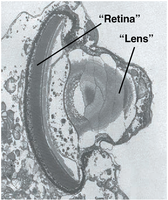 - Key Point 3: Nutritional diversity includes photoautotrophs (with chloroplasts), heterotrophs, and mixotrophs. - Key Point 4: Protists reproduce both sexually and asexually, with all three basic types of sexual life cycles represented.
Four Supergroups of Eukaryotes
Modern classification divides eukaryotes, including protists, into four supergroups based on evolutionary relationships.
Excavata
Excavata is characterized by a distinctive cytoskeleton and, in some cases, an "excavated" feeding groove. - Key Point 1: Includes three clades: diplomonads, parabasalids, and euglenozoans. - Key Point 2: Some have modified mitochondria or unique flagella. - Example: Giardia intestinalis, a diplomonad parasite, causes intestinal infections in mammals. 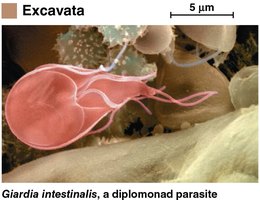
SAR Supergroup
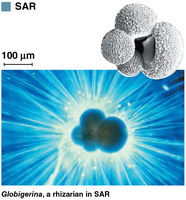
SAR stands for Stramenopila, Alveolata, and Rhizaria, three major clades defined by DNA similarities. - Key Point 1: Stramenopiles include diatoms, important photosynthetic organisms. 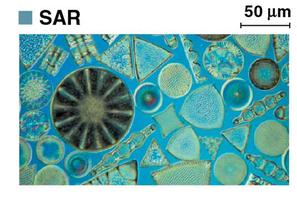 - Key Point 2: Rhizarians are amoebas with threadlike pseudopodia, such as Globigerina.
Archaeplastida
Archaeplastida includes red and green algae, as well as land plants. - Key Point 1: Red and green algae are considered the closest relatives of land plants. - Key Point 2: Species range from unicellular to multicellular forms. - Example: Volvox is a multicellular green alga. 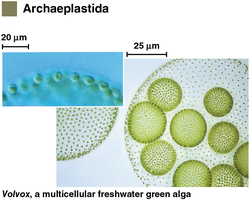
Unikonta
Unikonta includes amoebas with lobe- or tube-shaped pseudopodia, animals, fungi, and related protists. - Key Point 1: Amoeba proteus is a tubulinid amoeba, representative of this group. 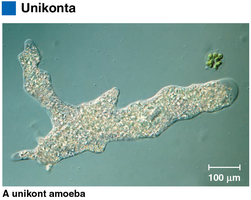 - Key Point 2: Unikonts are evolutionarily significant as they include animals and fungi.
Significance of Protists
Evolutionary Significance
Protists are crucial for understanding the evolution of eukaryotes, as they represent early branches and diverse adaptations. - Key Point 1: Red and green algae are ancestral to land plants. - Key Point 2: Some protists are closely related to animals and fungi.
Ecological Significance
Protists play key roles in ecological communities as symbionts and producers. - Key Point 1: Symbiotic protists benefit hosts, such as dinoflagellates in corals and protists in termite guts. - Key Point 2: Some protists are parasites, causing diseases like malaria and amoebic dysentery. - Key Point 3: Photosynthetic protists are major producers in aquatic ecosystems, supporting food webs and the global carbon cycle.
Economic Significance
Protists have economic impacts, both positive and negative. - Key Point 1: Some are used as food (e.g., red algae in sushi). - Key Point 2: Others cause diseases or environmental issues, such as red tides and sudden oak death.
Summary Table: Major Protist Supergroups
Supergroup | Main Characteristics | Example Organisms |
|---|---|---|
Excavata | Modified mitochondria, unique flagella, feeding groove | Giardia, Euglena |
SAR | DNA similarities, includes stramenopiles, alveolates, rhizarians | Diatoms, Globigerina |
Archaeplastida | Red and green algae, closest relatives to plants | Volvox, Ulva |
Unikonta | Lobe/tube-shaped pseudopodia, includes animals and fungi | Amoeba proteus |
Conclusion
Protists are a foundational group in biology, illustrating the complexity and diversity of eukaryotic life. Their study provides insights into cell structure, evolution, ecology, and the origins of multicellularity. Additional info: The notes above expand on brief points from the original materials, providing academic context and examples for clarity and completeness.
