 Indietro
Protists: Diversity, Classification, and Evolutionary Significance
Guida di studio - Note intelligenti
 Appunti personalizzati basati sui tuoi materiali, ampliati con definizioni chiave, esempi e contesto.
Protists: An Overview
Introduction to Protists
Protists are a diverse group of mostly unicellular eukaryotic organisms that do not fit into the plant, animal, or fungal kingdoms. They are found in nearly every environment that contains water and exhibit a wide range of structural and functional diversity.
Unicellularity: Most protists are single-celled, though some are colonial or multicellular without specialized tissues.
Nutritional Diversity: Protists may be autotrophic (photosynthetic), heterotrophic, or mixotrophic (capable of both).
Reproduction: Protists reproduce by various means, including asexual binary fission and sexual processes.
Classification of Protists
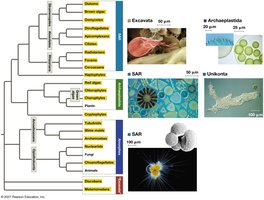
Four Supergroups of Eukaryotes
Protists are distributed among four major supergroups of eukaryotes: Excavata, SAR (Stramenopiles, Alveolates, Rhizarians), Archaeplastida, and Amorphea (including Opisthokonts and Amoebozoans).
Excavata: Characterized by a feeding groove and includes diplomonads, parabasalids, and euglenozoans.
SAR: Includes Stramenopiles (e.g., diatoms, brown algae), Alveolates (e.g., dinoflagellates, ciliates), and Rhizarians (e.g., forams, radiolarians).
Archaeplastida: Contains red algae, green algae, and land plants.
Amorphea: Includes amoebozoans (slime molds, tubulinids) and opisthokonts (fungi, animals, and related protists).
Endosymbiosis in Eukaryotic Evolution
Primary and Secondary Endosymbiosis
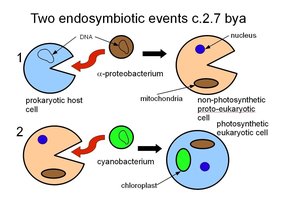
Endosymbiosis is a key evolutionary process in which one organism lives inside another, leading to the origin of mitochondria and chloroplasts in eukaryotic cells.
Primary Endosymbiosis: Ancestral eukaryote engulfed an alpha-proteobacterium, giving rise to mitochondria. Later, some eukaryotes engulfed a cyanobacterium, leading to chloroplasts in plants and algae.
Secondary Endosymbiosis: Some protists acquired plastids by engulfing other eukaryotic algae, resulting in complex plastid structures.
Supergroup: Excavata
Clade Metamonada: Diplomonads
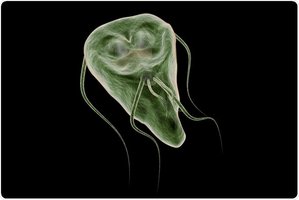
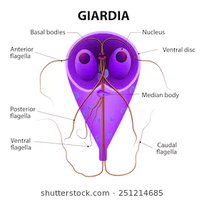
Diplomonads are anaerobic protists with modified mitochondria (mitosomes) and two equal-sized nuclei. Many are parasitic, such as Giardia intestinalis, which causes giardiasis in humans.
Key Features: Multiple flagella, lack of typical mitochondria, and presence of mitosomes.
Example: Giardia intestinalis is a common intestinal parasite.
Clade Metamonada: Parabasalids
Parabasalids are anaerobic protists with reduced mitochondria called hydrogenosomes. Many live in symbiosis with animals, such as Trichomonas vaginalis, a human parasite.
Key Features: Presence of hydrogenosomes, flagella, and undulating membranes.
Example: Trichomonas vaginalis causes trichomoniasis, a sexually transmitted infection.
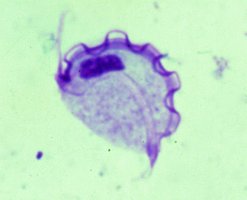
Clade Discoba: Euglenozoans
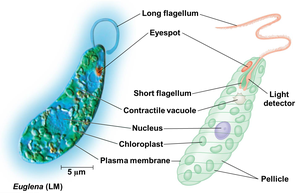
Euglenozoans include euglenids and kinetoplastids. Euglenids are mixotrophic and have a unique flagellum structure, while kinetoplastids possess a large mitochondrion with a kinetoplast.
Euglenids: Possess chloroplasts, a flexible pellicle, and an eyespot for detecting light.
Kinetoplastids: Many are parasitic, such as Trypanosoma, which causes sleeping sickness.
Supergroup: SAR
Overview of SAR
The SAR supergroup is composed of three major clades: Stramenopiles, Alveolates, and Rhizarians. These groups are united by genetic similarities and some shared morphological traits.
Stramenopiles: Includes diatoms, brown algae, and oomycetes.
Alveolates: Includes dinoflagellates, apicomplexans, and ciliates.
Rhizarians: Includes forams, radiolarians, and cercozoans.
Stramenopiles
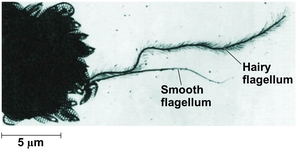
Stramenopiles are characterized by having two flagella, one of which is often hairy. This group includes important photosynthetic organisms and decomposers.
Diatoms: Unicellular algae with silica cell walls, important in aquatic ecosystems.
Brown Algae: Multicellular, commonly known as seaweeds.
Oomycetes: Water molds, some of which are plant pathogens.
Alveolates
Alveolates are distinguished by membrane-bound sacs (alveoli) beneath the plasma membrane. This group includes:
Dinoflagellates: Mostly marine plankton, some cause red tides.
Apicomplexans: Parasitic, includes Plasmodium (malaria parasite).
Ciliates: Use cilia for movement and feeding, e.g., Paramecium.
Rhizarians
Rhizarians are amoeboid protists with threadlike pseudopodia. Major groups include:
Foraminiferans (Forams): Have porous shells (tests) made of calcium carbonate.
Radiolarians: Possess intricate silica skeletons.
Cercozoans: Diverse group, many are soil predators.
Supergroup: Archaeplastida
Red and Green Algae
Archaeplastida includes red algae, green algae, and land plants. Red and green algae are the closest relatives of plants.
Red Algae (Rhodophyta): Mostly multicellular, important in marine environments.
Green Algae (Chlorophyta and Charophyta): Unicellular, colonial, or multicellular; closely related to land plants.
Supergroup: Amorphea
Amoebozoans
Amoebozoans include slime molds, tubulinids, and entamoebas. They move and feed using lobe-shaped pseudopodia.
Slime Molds: Exhibit both unicellular and multicellular life stages.
Tubulinids: Free-living amoebas found in soil and water.
Entamoebas: Parasitic, including Entamoeba histolytica, which causes amoebic dysentery.
Opisthokonts
Opisthokonts include nucleariids, choanoflagellates, fungi, and animals. This group is important for understanding the evolutionary origins of animals and fungi.
Nucleariids: Amoeboid protists closely related to fungi.
Choanoflagellates: Closest living relatives of animals.
Additional info: This guide covers the main groups of protists, their evolutionary relationships, and their significance in the tree of life. For each group, examples and key features are provided to aid in understanding their diversity and importance in biology.
