 Indietro
Protists: Diversity, Structure, and Ecological Roles
Guida di studio - Note intelligenti
 Appunti personalizzati basati sui tuoi materiali, ampliati con definizioni chiave, esempi e contesto.
Protists: An Overview
Definition and Classification
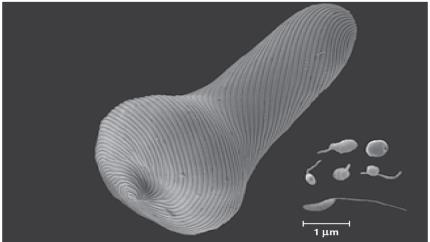
Protists are a diverse group of mostly unicellular eukaryotes that are not classified as plants, animals, or fungi. They exhibit remarkable structural and functional diversity and are no longer considered a single kingdom due to their varied evolutionary relationships. - Key Point 1: Protists are eukaryotes with a nucleus and membrane-bound organelles. - Key Point 2: Most protists are unicellular, but some are colonial or multicellular. - Key Point 3: Protists are more structurally and functionally diverse than any other group of eukaryotes. 
Structural and Functional Diversity
Protists display a wide range of cell structures and functions. Some possess unique organelles, such as the ocelloid in dinoflagellates, which resembles an eye. - Example: The ocelloid of Erythropsidinium is an eye-like organelle with lens and retina-like structures. 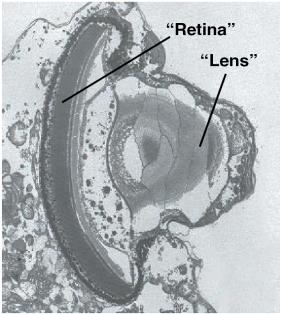
Origins and Evolution of Protists
Endosymbiosis and Eukaryotic Evolution
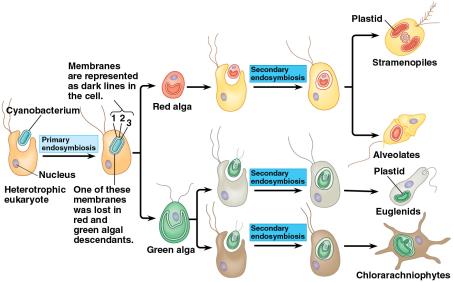
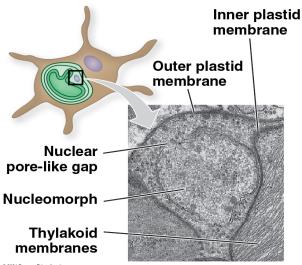
Much of protistan diversity originated through endosymbiosis, a process where one organism lives inside another. Mitochondria and plastids (chloroplasts) are derived from bacteria engulfed by ancestral eukaryotes. - Key Point 1: Mitochondria evolved from an alpha proteobacterium. - Key Point 2: Plastids evolved from a cyanobacterium. - Key Point 3: Secondary endosymbiosis occurred when red and green algae were engulfed by other eukaryotes. 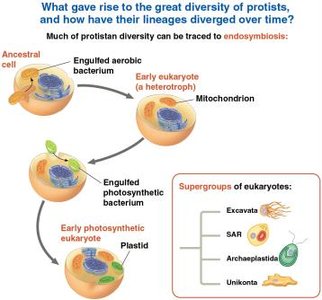
Major Supergroups of Eukaryotes
Classification of Protists
Eukaryotes, including protists, are divided into four supergroups: Excavata, SAR, Archaeplastida, and Unikonta. Each supergroup contains distinct clades with unique characteristics. 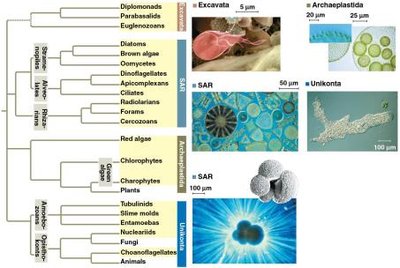
Supergroup | Representative Clades | Example Organisms |
|---|---|---|
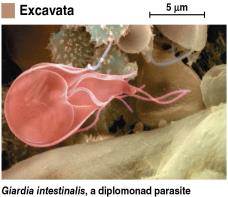
Excavata | Diplomonads, Parabasalids, Euglenozoans | Giardia intestinalis |
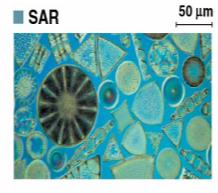
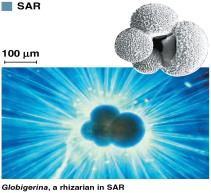
SAR | Stramenopiles, Alveolates, Rhizarians | Diatoms, Brown algae, Globigerina |
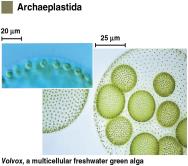
Archaeplastida | Red algae, Green algae, Plants | Volvox |
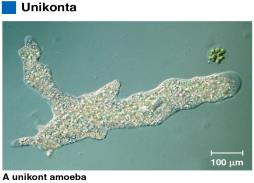
Unikonta | Amoebozoans, Opisthokonts | Amoeba |
Excavata: Protists with Modified Mitochondria and Unique Flagella
Diplomonads and Parabasalids
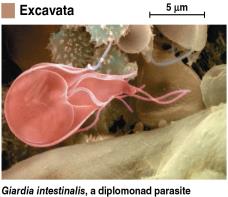
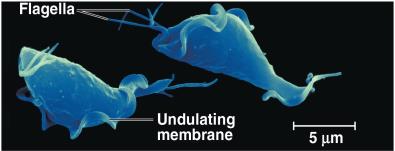
These groups lack plastids and have reduced mitochondria. Most live in anaerobic environments and are often parasitic. - Key Point 1: Diplomonads have mitosomes and multiple flagella. - Key Point 2: Parabasalids include Trichomonas vaginalis, a human parasite. 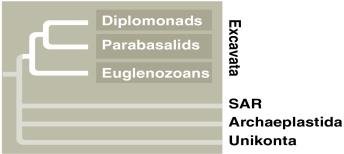
Euglenozoans
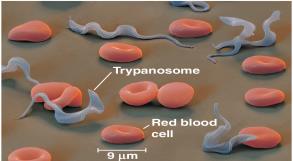
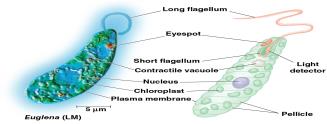
Euglenozoans are distinguished by a spiral or crystalline rod inside their flagella. This clade includes kinetoplastids and euglenids. - Key Point 1: Kinetoplastids have a single mitochondrion with a kinetoplast. - Key Point 2: Euglenids are mixotrophs, switching between autotrophy and heterotrophy. 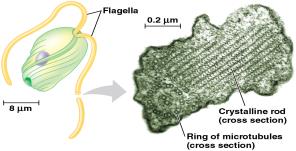
SAR Supergroup: Stramenopiles, Alveolates, Rhizarians
Stramenopiles
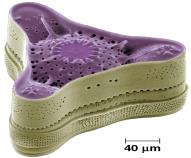
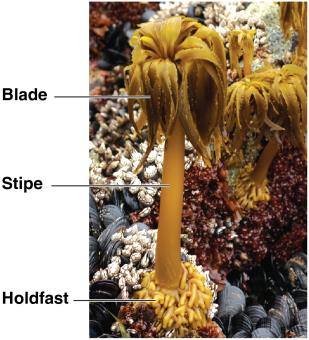
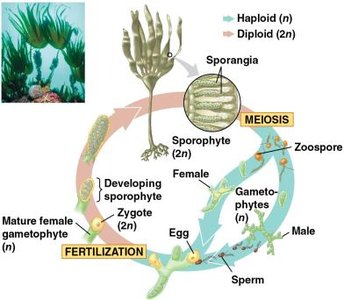
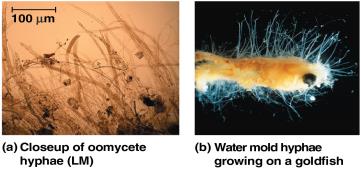
Stramenopiles include important photosynthetic organisms. Most have a "hairy" flagellum paired with a "smooth" flagellum. - Key Point 1: Diatoms have glass-like walls of silicon dioxide. - Key Point 2: Brown algae are multicellular and have plant-like structures. - Key Point 3: Oomycetes are decomposers or parasites with cellulose cell walls. 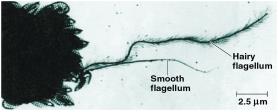
Alveolates
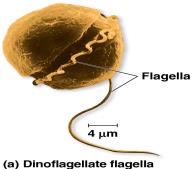
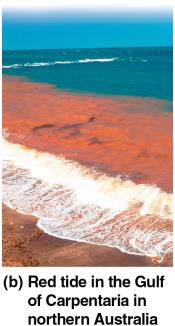
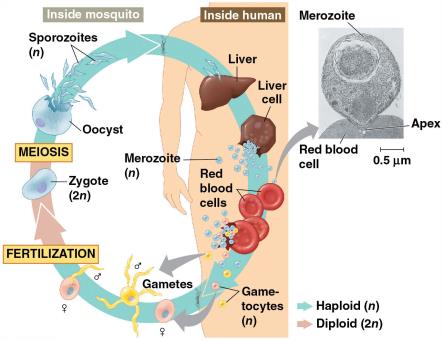
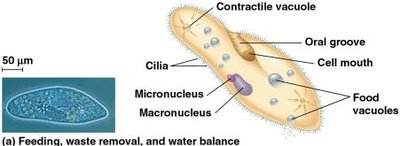
Alveolates have membrane-enclosed sacs (alveoli) under the plasma membrane. - Key Point 1: Dinoflagellates cause red tides and have two flagella. - Key Point 2: Apicomplexans are animal parasites, including Plasmodium (malaria). - Key Point 3: Ciliates use cilia for movement and feeding, and have two types of nuclei. 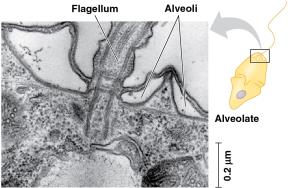
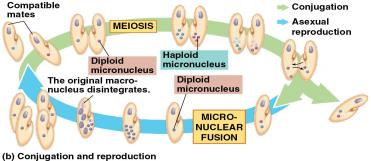
Rhizarians
Rhizarians are amoebas with threadlike pseudopodia. - Key Point 1: Radiolarians have silica skeletons and radiating pseudopodia. - Key Point 2: Forams have calcium carbonate shells and host symbiotic algae. - Key Point 3: Cercozoans are amoeboid or flagellated, some are mixotrophs. 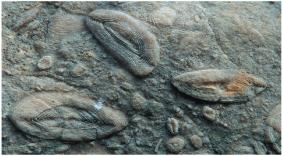
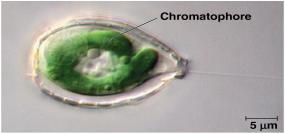
Archaeplastida: Red Algae, Green Algae, and Plants
Red Algae
Red algae contain phycoerythrin, an accessory pigment that masks chlorophyll. Most are multicellular and reproduce sexually, often with alternation of generations. - Example: Porphyra (nori) is used in sushi. 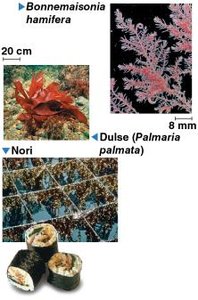
Green Algae
Green algae have chloroplasts similar to those in plants. They form colonies, multicellular bodies, or undergo nuclear division without cytoplasmic division. - Key Point 1: Charophytes are most closely related to plants. - Key Point 2: Chlorophytes include unicellular, colonial, and multicellular forms.
Unikonta: Protists Related to Fungi and Animals
Amoebozoans
Amoebozoans have lobe- or tube-shaped pseudopodia. They include tubulinids, slime molds, and entamoebas. - Key Point 1: Tubulinids are active predators. - Key Point 2: Slime molds form fruiting bodies and exhibit multicellularity.
Ecological Roles of Protists
Symbiotic Protists
Protists can be symbionts, benefiting their hosts or acting as parasites. - Example: Dinoflagellates nourish coral polyps; Plasmodium causes malaria.
Photosynthetic Protists as Producers
Photosynthetic protists are key producers in aquatic ecosystems, converting CO2 to organic compounds. Their population dynamics affect marine ecosystems and the global carbon cycle.
Summary Table: Eukaryote Supergroups
Supergroup | Key Features | Representative Organisms |
|---|---|---|
Excavata | Modified mitochondria, unique flagella | Giardia, Trichomonas, Euglena |
SAR | Hairy/smooth flagella, alveoli, threadlike pseudopodia | Diatoms, Brown algae, Dinoflagellates, Forams |
Archaeplastida | Plastids from primary endosymbiosis | Red algae, Green algae, Plants |
Unikonta | Lobe/tube-shaped pseudopodia | Amoebas, Slime molds, Animals, Fungi |
Additional info: These notes expand on the original lecture slides by providing definitions, examples, and context for each major protist group and their ecological significance.
