 Indietro
Protists: Diversity, Structure, Function, and Ecological Roles
Guida di studio - Note intelligenti
 Appunti personalizzati basati sui tuoi materiali, ampliati con definizioni chiave, esempi e contesto.
Protists: An Overview
Definition and Characteristics
Protists are a diverse group of eukaryotic organisms that are not classified as plants, animals, or fungi. They exhibit a wide range of structural and functional diversity, and are primarily unicellular, though some are multicellular or colonial. - Key Point 1: Protists are eukaryotes, meaning their cells contain a nucleus and membrane-bound organelles. - Key Point 2: They can be unicellular, multicellular, colonial, or coenocytic (multinucleate). - Example: Paramecium (unicellular), Volvox (colonial), slime molds (coenocytic). 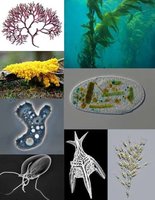
Classification and Diversity
Protists are classified based on DNA and evolutionary relationships, though classification is still contentious and evolving. - Key Point 1: Eukaryotes are divided into four "supergroups," each likely monophyletic. - Key Point 2: Protists include groups such as Archaeplastida (red and green algae), Stramenopiles (diatoms, brown algae), and others. - Example: Red algae, green algae, slime molds, dinoflagellates, euglenoids. 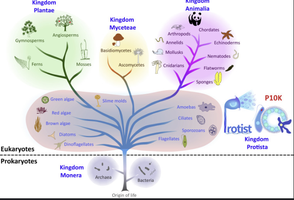
Evolution and Fossil Record
Origin and Endosymbiotic Theory
Protists are among the earliest eukaryotes, with fossil evidence dating back 1.8 billion years. The endosymbiotic theory explains the origin of mitochondria and chloroplasts as formerly free-living prokaryotes engulfed by ancestral eukaryotic cells. - Key Point 1: Oldest fossil eukaryotes are acritarchs (1.8 billion years old). - Key Point 2: Endosymbiosis led to mitochondria and chloroplasts, enabling complex life. - Example: Red algae fossils, diatoms with hard parts. 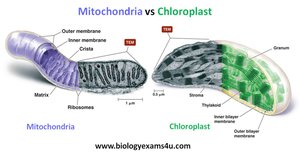
Structure and Locomotion
Cellular Structure
Protists display a variety of cellular structures, reflecting their diverse lifestyles. - Key Point 1: Most are unicellular, but some are multicellular or colonial. - Key Point 2: Coenocytic protists have multiple nuclei within a single cell. 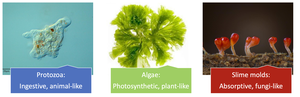
Locomotion
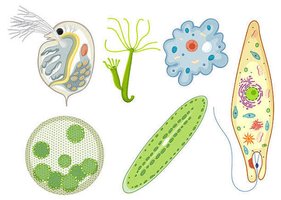
Protists use different methods for movement, including cilia, flagella, and pseudopodia. - Key Point 1: Paramecium uses cilia; Amoeba uses pseudopodia; Euglena uses flagella. - Example: Amoeba moves by extending pseudopodia; Euglena swims with a flagellum. 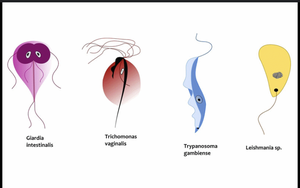
Metabolism and Nutrition
Modes of Nutrition
Protists exhibit diverse metabolic strategies, including photoautotrophy, heterotrophy, saprobic nutrition, and mixotrophy. - Key Point 1: Photoautotrophs use chloroplasts for photosynthesis. - Key Point 2: Heterotrophs consume other organisms; saprobes absorb nutrients from dead matter. - Key Point 3: Mixotrophs combine photosynthesis and heterotrophy. 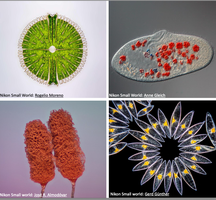
Feeding Mechanisms
Amoebas feed by engulfing food particles via phagocytosis, forming food vacuoles that fuse with lysosomes for digestion. - Key Point 1: Food vacuole formation and fusion with lysosomes. - Key Point 2: Digested nutrients diffuse into cytoplasm; undigested remains expelled by exocytosis.
Reproduction
Asexual and Sexual Reproduction
Protists reproduce both asexually (binary fission) and sexually (meiosis and fertilization). Some form cysts during stress. - Key Point 1: Binary fission is common; sexual reproduction involves meiosis. - Key Point 2: Cysts are resting stages for survival. - Key Point 3: Facultative sex may have been present in the common ancestor of all eukaryotes. 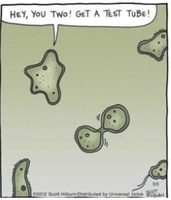
Ecology and Roles in Ecosystems
Habitat and Biomass
Protists are ubiquitous in aquatic environments and play key roles as primary producers and food sources. - Key Point 1: Main biomass in the sea; less important on land. - Key Point 2: Phytoplankton are food for fish; dinoflagellates are coral symbionts. 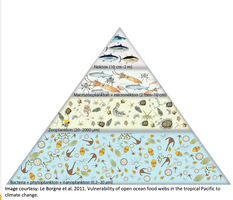
Pathogenicity
Some protists are important pathogens of humans, animals, and plants. - Key Point 1: Plasmodium causes malaria; infects liver and red blood cells, leading to anemia and fever. - Key Point 2: Trypanosoma brucei causes African sleeping sickness; evades immune system by changing surface glycoproteins. - Key Point 3: Oomycetes cause plant diseases like potato blight and grape downy mildew. 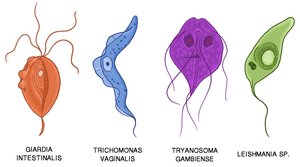
Beneficial Protists
Protists are essential in marine ecosystems and symbiotic relationships. - Key Point 1: Zooxanthellae (dinoflagellates) are coral symbionts; their photosynthesis supports coral reefs. - Key Point 2: Some protists aid in cellulose digestion in termites and cockroaches, with bacteria providing the enzyme.
Decomposition
Fungus-like protists (saprobes) recycle nutrients by decomposing dead organic matter, returning carbon and other elements to the environment. - Key Point 1: Saprobic protists are crucial for nutrient cycling and ecosystem health.
Classification and Supergroups
Archaeplastida
Archaeplastida includes red and green algae, descendants of a symbiotic relationship between a heterotrophic protist and cyanobacterium. - Key Point 1: Red algae: multicellular, red pigment phycoerythrin, unique cell walls. - Key Point 2: Green algae: divided into chlorophytes (e.g., Volvox, Ulva) and charophytes (ancestors of higher plants).
Alternation of Generations
Many protists and plants exhibit alternation of generations, a life cycle alternating between haploid and diploid stages. - Key Point 1: Important concept in plant biology; seen in algae and higher plants.
Other Important Protists
- Key Point 1: Slime molds resemble fungi. - Key Point 2: Dinoflagellates are key phytoplankton. - Key Point 3: Apicomplexans cause malaria. - Key Point 4: Stramenopiles include diatoms, brown algae, and oomycetes. - Key Point 5: Euglenoids include the protist responsible for sleeping sickness.
Protists and Global Warming
Protists play a role in marine food webs and are affected by climate change, impacting primary production and ecosystem stability.
Summary Table: Protist Types and Features
Type | Key Features | Example |
|---|---|---|
Protozoa | Ingestive, animal-like | Amoeba |
Algae | Photosynthetic, plant-like | Volvox, Ulva |
Slime molds | Absorptive, fungi-like | Physarum |
Key Terms and Concepts
- Endosymbiotic Theory: Origin of mitochondria and chloroplasts from prokaryotes. - Alternation of Generations: Life cycle alternating between haploid and diploid stages. - Mixotrophy: Combination of photosynthetic and heterotrophic nutrition. - Phytoplankton: Protists that are primary producers in aquatic ecosystems.
References
- OpenStax Biology 2e Chapter 23 - Pearson Biology Chapter 28 - https://en.wikipedia.org/wiki/Protist Additional info: Academic context was added to clarify classification, metabolic diversity, and ecological roles of protists.
