 Indietro
Protostome Animals: Introduction and Ecdysozoans
Guida di studio - Note intelligenti
 Appunti personalizzati basati sui tuoi materiali, ampliati con definizioni chiave, esempi e contesto.
Protostome Animals: Introduction and Ecdysozoans
Overview of Animal Diversity
Protostomes are a major group within the animal kingdom, characterized by specific embryonic development patterns. This section introduces the diversity of animal phyla, focusing on the evolutionary relationships and key features that distinguish protostomes from other animals.
Porifera, Ctenophora, Cnidaria: Early-diverging animal phyla, lacking bilateral symmetry and complex tissues.
Bilateria: Includes all animals except sponges, cnidarians, and ctenophores; characterized by bilateral symmetry and three tissue layers.
Key Bilaterian Features: Bilateral symmetry, triploblastic (three tissue layers), coelom (body cavity), and a complete digestive tract.
Bilaterian Characters
Bilaterians are defined by their symmetry, tissue organization, and body cavity. These features are fundamental to understanding animal structure and function.
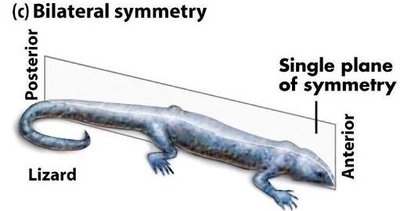
Bilateral Symmetry: Body plan with a single plane of symmetry, allowing for directional movement and cephalization (development of a head region).
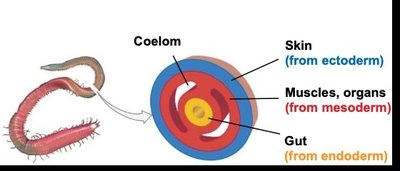
Triploblastic Organization: Three germ layers—ectoderm, mesoderm, and endoderm—give rise to specialized tissues and organs.
Coelom: Fluid-filled body cavity lined by mesoderm, providing space for organ development and movement.
Complete Gut: Digestive tract with separate mouth and anus, enabling efficient digestion.
Major Bilaterian Groups: Protostomes vs. Deuterostomes
Bilaterians are divided into two major groups based on embryonic development: protostomes and deuterostomes. These groups are distinguished by the fate of the blastopore, cleavage patterns, and cell fate determination.
Fate of the Blastopore: In protostomes, the blastopore becomes the mouth; in deuterostomes, it becomes the anus.
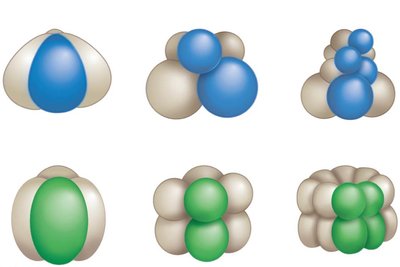
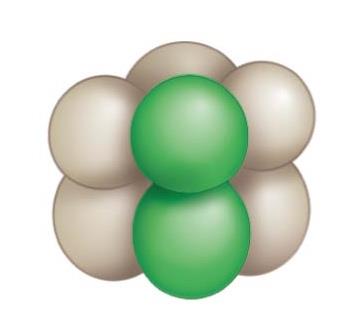
Early Cell Cleavage Patterns: Protostomes exhibit spiral cleavage, while deuterostomes show radial cleavage.
Cell Fate Determination: Protostomes use determinate (mosaic) cleavage; deuterostomes use indeterminate (regulative) cleavage.
Cell Fate Determination in Embryonic Development
Cell fate determination is a critical aspect of embryonic development, affecting the potential for identical twins and organismal complexity.
Protostomes (Determinate/Mosaic Cleavage): Each cell's fate is fixed early; removal of a cell results in embryonic death.
Deuterostomes (Indeterminate/Regulative Cleavage): Cell fate is not fixed early; splitting embryos can result in identical twins.
Implication: Only deuterostomes can produce identical twins due to their regulative cleavage.

Protostome Subgroups: Ecdysozoans
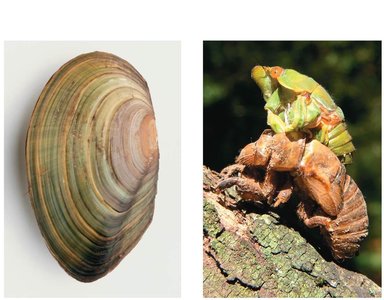
Ecdysozoans are a clade of protostomes characterized by their ability to molt a hard exoskeleton or cuticle, a process known as ecdysis. This group includes phyla such as Nematoda and Arthropoda.
Ecdysis: Molting of the exoskeleton or cuticle to allow growth.
Growth Patterns: Lophotrochozoans grow incrementally; ecdysozoans grow by molting.
Phylum Nematoda (Round Worms)
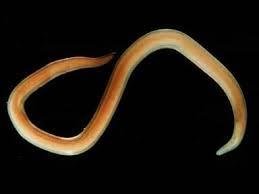
Nematodes are pseudocoelomate protostomes, distinguished by their mouthparts and molecular characters. They can be free-living or parasitic, with several species causing significant human diseases.
Pseudocoelomates: Body cavity not fully lined by mesoderm.
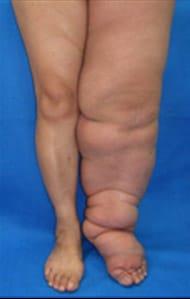
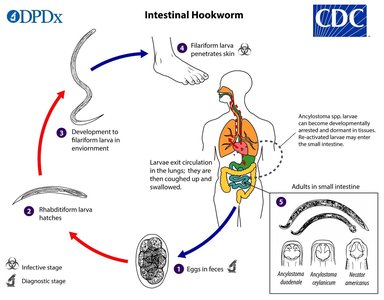
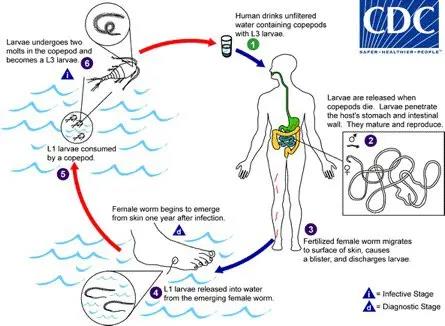
Parasitic Nematodes: Cause diseases such as elephantiasis, hookworm, pinworm, and guinea worm.
Phylum Arthropoda
Arthropods are the most diverse animal phylum, characterized by a chitinous exoskeleton, jointed appendages, and segmented bodies. Their evolutionary success is attributed to these synapomorphies.
Exoskeleton of Chitin: Provides protection and support.
Paired, Jointed Appendages: Allow for complex movement and specialization.
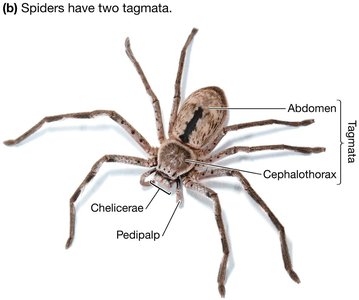
Segmented Bodies (Tagma): Fused segments serve unified functions.
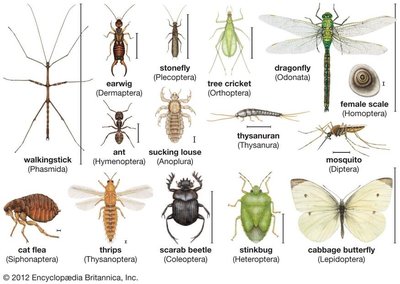
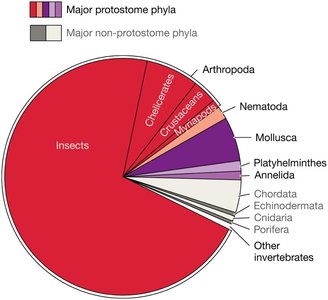
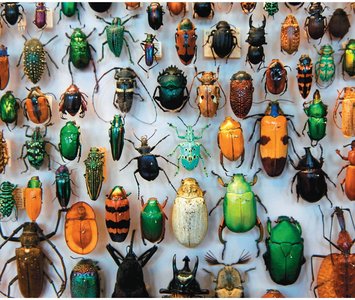
Diversity: ~80% of animal species are arthropods; insects make up 70% of arthropods, with beetles comprising 25%.
Taxonomic Class Distinctions in Arthropods
Arthropod classes are distinguished by the number of antennae, legs, body segments, and mouthparts. These features are used to classify and identify different groups within the phylum.
Insects: Three pairs of legs, three body segments, one pair of antennae.
Other Classes: Variations in these features define groups such as arachnids, crustaceans, and myriapods.

Examples of Arthropod Diversity and Adaptations
Arthropods exhibit remarkable diversity and adaptations, including unique defense mechanisms and ecological roles.
Bombardier Beetle: Stores and mixes chemicals to spray attackers.
Giant Weta: Endemic to New Zealand, threatened by invasive species.
Grasshoppers vs. Locusts: Hormonal changes triggered by crowding lead to swarming behavior.
New World Screw Worm: Fly larvae feed on living tissue; eradication efforts involve sterile male release.
Additional info: These examples illustrate the ecological impact and evolutionary innovations within arthropods.
Summary Table: Protostome vs. Deuterostome Development
The following table summarizes key differences between protostome and deuterostome embryonic development:
Feature | Protostomes | Deuterostomes |
|---|---|---|
Blastopore Fate | Mouth | Anus |
Cleavage Pattern | Spiral (Mosaic) | Radial (Regulative) |
Cell Fate Determination | Determinate | Indeterminate |
Potential for Identical Twins | No | Yes |
Key Terms and Definitions
Protostome: Animal whose mouth develops from the blastopore during embryogenesis.
Deuterostome: Animal whose anus develops from the blastopore.
Ecdysis: Molting of the exoskeleton or cuticle.
Coelom: Body cavity lined by mesoderm.
Tagma: Fused body segments with a unified function.
Synapomorphy: Shared derived trait unique to a group.
Relevant Equations and Concepts
While this section does not include mathematical equations, it is important to understand the developmental biology concepts:
Cleavage Patterns: Spiral vs. radial cleavage affects cell fate and organismal development.
Body Plan: Bilateral symmetry and coelom formation are central to animal structure.
