 Indietro
Recombination, Linkage Disequilibrium, and the Evolution of Sex
Guida di studio - Note intelligenti
 Appunti personalizzati basati sui tuoi materiali, ampliati con definizioni chiave, esempi e contesto.
Recombination and the Evolution of Sex
Overview of Genetic Recombination
Genetic recombination is a fundamental process in sexually reproducing organisms that increases genetic diversity. It occurs during meiosis, where crossing over between homologous chromosomes results in new combinations of alleles. Outcrossing, or mating between individuals with different alleles, further enhances genetic variation within populations.
Meiosis: The process by which a diploid cell produces four haploid gametes, each with a unique combination of alleles.
Crossing Over: Homologous chromosomes exchange genetic material, creating recombinant chromosomes.
Recombination: The outcome of crossing over, resulting in mixed chromosomes and increased genetic diversity.
Outcrossing: Breeding between individuals with different alleles, further shuffling genetic material.
Genetic Diversity: Essential for adaptation and evolution, as it provides a pool of alleles for natural selection.
Linkage Disequilibrium (LD)
Definition and Causes
Linkage disequilibrium (LD) describes the non-random association of alleles at different loci. When alleles at one locus are found together with specific alleles at another locus more often than expected by chance, the population is said to be in LD. In contrast, linkage equilibrium occurs when alleles are independently assorted.
Physical Linkage: Genes located close together on a chromosome are more likely to be inherited together.
Selection: Certain allele combinations may be favored or disfavored by natural selection.
Epistasis: Interactions between genes, such as those influenced by the 3D structure of DNA, can cause LD.
Example: If eye color and hair color genes are physically close, certain combinations (e.g., blond hair and green eyes) may be more common than expected.
Linkage Equilibrium vs. Disequilibrium
In linkage equilibrium, any combination of alleles is possible, and their frequencies are independent. In disequilibrium, certain combinations are over- or under-represented.
Linkage Equilibrium: Alleles at different loci are randomly associated.
Linkage Disequilibrium: Alleles at different loci are correlated.
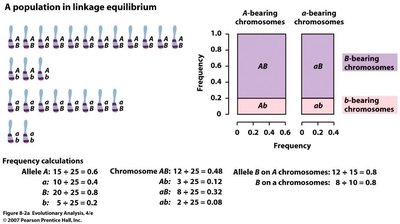
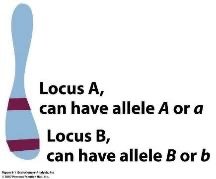
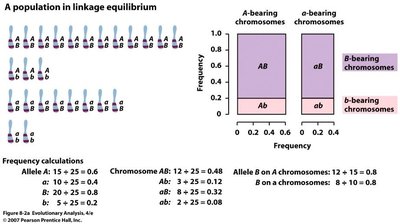
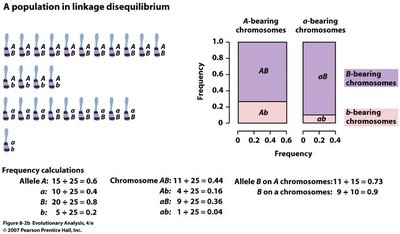
Calculating Linkage Disequilibrium (D Statistic)
The D statistic quantifies the degree of linkage disequilibrium between two loci. If D = 0, the loci are in equilibrium; if D ≠ 0, they are in disequilibrium.
Allele Frequencies: Each allele at each gene has a frequency (p = f(A), q = f(a), s = f(B), t = f(b)).
D Statistic Formula:
Example Calculation: If , , , :
(not in equilibrium)
Another Example: (in equilibrium)
Physical Distance and LD
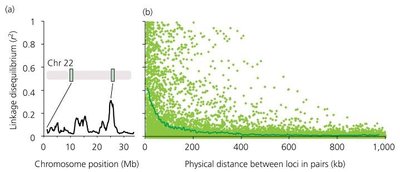
LD is often higher between genes that are physically close on a chromosome. Recombination events are less likely to separate these genes, maintaining their association.
Sexual vs. Asexual Reproduction
Distribution in Nature
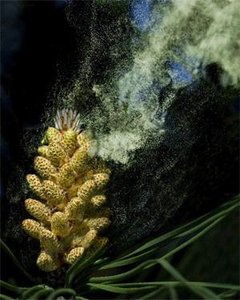
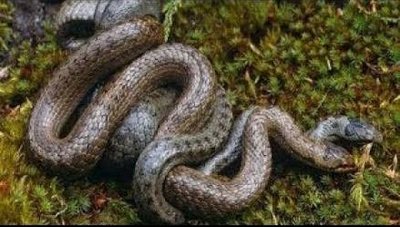
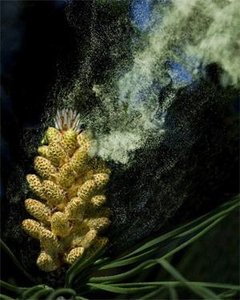
Sexual reproduction is common in eukaryotes, while asexual reproduction is found in bacteria, archaea, viruses, and some plants and animals. Asexuality is efficient, but sex is costly and risky.
Asexual Reproduction: Efficient, no need for mates, all offspring inherit the parent's genes.
Sexual Reproduction: Costly (energy, risk, disease), but increases genetic diversity.
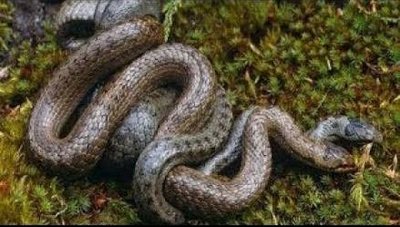
Costs of Sex
Production of males: Only females produce offspring, so sexual populations grow slower.
Energetic costs: Finding mates, courtship, competition, copulation.
Disease risk: Sexually transmitted infections.
Genetic cost: Offspring inherit only half of each parent's genes.
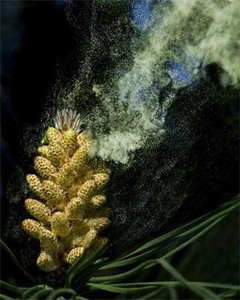
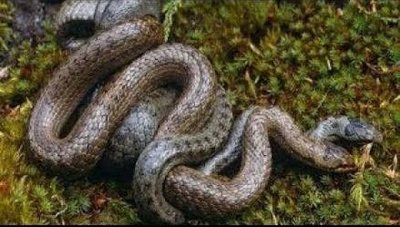
Benefits of Sexual Reproduction
Reason 1: Efficient Selection
Sex allows favorable combinations of alleles to be brought together quickly, enabling natural selection to act more efficiently. Unfavorable combinations can also be eliminated.
Natural Selection: Acts on new combinations, increasing the frequency of beneficial genotypes.
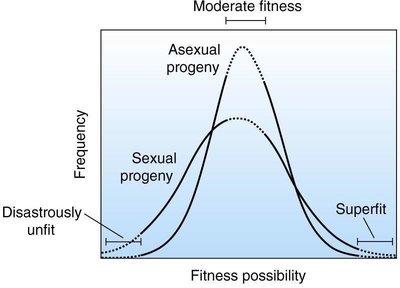
Reason 2: Muller's Ratchet
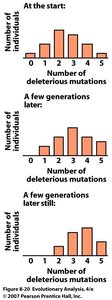
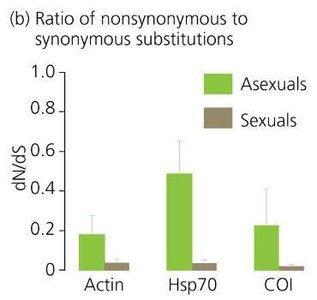
In asexual species, mutations accumulate irreversibly, increasing genetic load. Sexual reproduction allows recombination and random mating to recreate genotypes without mutations, reducing genetic load.
Genetic Load: The number of deleterious mutations in a population; higher in asexuals.
Muller's Ratchet: The process by which asexual populations accumulate mutations over time.
Reason 3: Pathogen/Parasite Evasion (Red Queen Hypothesis)
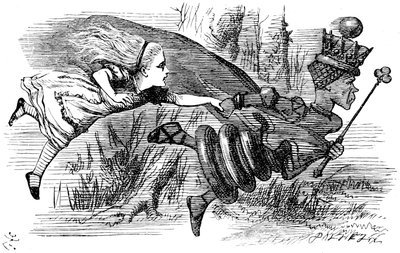
Sexual reproduction increases genetic diversity, helping populations evade evolving pathogens and parasites. Asexual clones are more vulnerable to targeted infections.
Red Queen Hypothesis: Organisms must constantly evolve to keep up with their pathogens.
Genetic Diversity: Provides new genotypes that can resist infection.
Summary Table: Sexual vs. Asexual Reproduction
Aspect | Sexual Reproduction | Asexual Reproduction |
|---|---|---|
Genetic Diversity | High | Low |
Efficiency | Lower (costly) | Higher (efficient) |
Mutation Accumulation | Lower (recombination resets) | Higher (Muller's Ratchet) |
Pathogen Evasion | Better (diversity) | Poor (clones vulnerable) |
Additional info: Sexual reproduction is favored in changing environments, while asexual reproduction may be advantageous in stable conditions.
