 Indietro
Reproduction and Heredity: Study Notes for General Biology
Guida di studio - Note intelligenti
 Appunti personalizzati basati sui tuoi materiali, ampliati con definizioni chiave, esempi e contesto.
Reproduction and Heredity
Asexual and Sexual Reproduction
Reproduction is the biological process by which new individual organisms are produced. It can occur in two main forms: asexual reproduction and sexual reproduction. Each method has distinct mechanisms and consequences for genetic diversity.
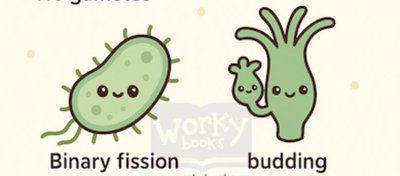
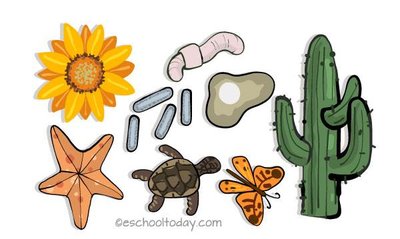
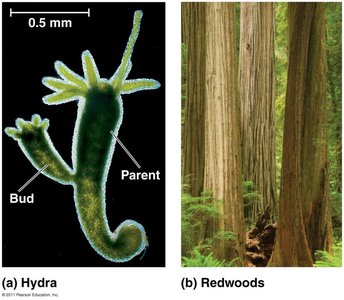
Asexual reproduction: Offspring are generated from a single parent without the fusion of gametes. The offspring are genetically identical to the parent, forming clones. Common mechanisms include binary fission (in bacteria), mitosis (in eukaryotes), budding (in hydra), vegetative reproduction (in plants), and regeneration (in starfish).
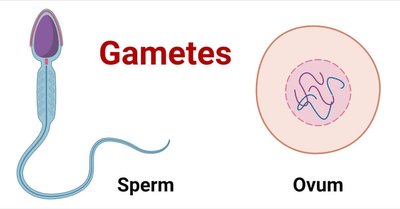
Sexual reproduction: Involves two parents and the fusion of specialized cells called gametes (sperm and egg). Offspring inherit unique combinations of genes from both parents, resulting in genetic variation.
Genetic variation: Sexual reproduction increases genetic diversity, which is advantageous for populations facing environmental changes.
Heredity and Genetics
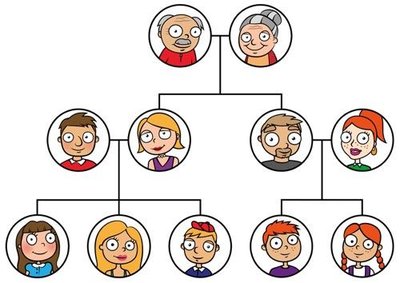
Heredity is the transmission of traits from one generation to the next, also known as inheritance. Variation refers to differences between parents and offspring or among members of the same species. The scientific study of heredity and variation is called genetics.
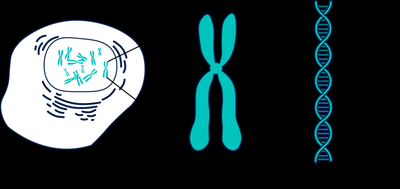
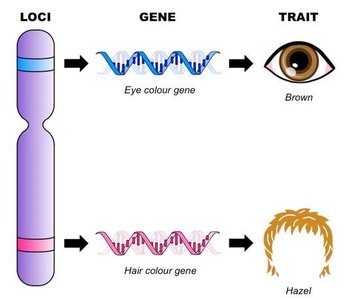
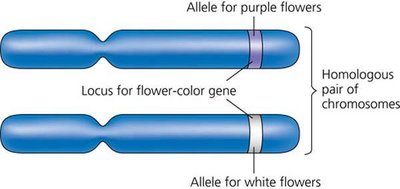
Genes: Hereditary traits are passed in the form of genes, which are discrete units of hereditary information consisting of specific DNA sequences. Genes are located on chromosomes at specific positions called loci.
Alleles: Different versions of the same gene found at the same locus on homologous chromosomes.
Chromosomes and Karyotypes
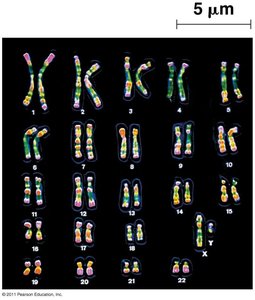
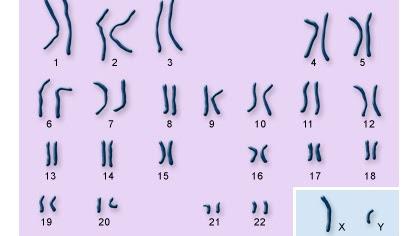
Chromosomes are thread-like structures composed of DNA and proteins, carrying genetic information. Each species has a characteristic number of chromosomes. In humans, there are 23 pairs (46 total), including autosomes and sex chromosomes.
Karyotype: An ordered display of all chromosomes in a cell, used to study chromosome number and structure.
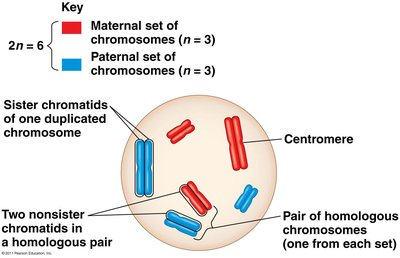
Homologous chromosomes: Chromosome pairs with the same length, centromere position, and gene order. Each pair consists of one chromosome from each parent.
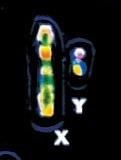
Sex chromosomes: X and Y chromosomes determine the sex of an individual. They are homologous only in a small region.
Autosomes: All other chromosomes that are not sex chromosomes.
Ploidy and Chromosome Sets
Ploidy refers to the number of sets of chromosomes in a cell. This concept is fundamental to understanding inheritance and cell division.
Diploid (2n): Somatic cells have two sets of chromosomes, one from each parent. In humans, 2n = 46.
Haploid (n): Gametes (sperm and egg) have one set of chromosomes. In humans, n = 23.
Polyploid: Cells with more than two sets of chromosomes (e.g., tetraploid, hexaploid), common in some plants and animals.
Each species has a distinct chromosome number, and ploidy is represented as n (haploid) or 2n (diploid).
Gametes and Somatic Cells
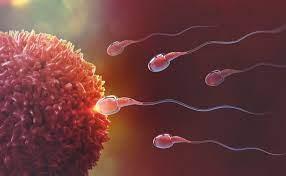
Organisms that reproduce sexually produce specialized cells called gametes (sperm and egg) that transmit genes from one generation to the next. All other cells are called somatic cells.
Gametes are haploid (n), while somatic cells are diploid (2n).
Gametes are produced by meiosis, ensuring genetic diversity.
Alleles and Genetic Variation
Homologous chromosomes carry the same genes in the same order, but may have different alleles (versions) of those genes. This contributes to genetic variation within a population.
Alleles can result in different traits, such as flower color or eye color.
Genetic variation is essential for evolution and adaptation.
Summary Table: Chromosome Types and Ploidy
Cell Type | Ploidy | Chromosome Number (Human) |
|---|---|---|
Somatic Cell | Diploid (2n) | 46 |
Gamete | Haploid (n) | 23 |
Polyploid Cell | Polyploid (e.g., 4n, 6n) | Varies |
Key Terms
Asexual reproduction: Reproduction without gamete fusion, producing genetically identical offspring.
Sexual reproduction: Reproduction involving gamete fusion, producing genetically diverse offspring.
Heredity: Transmission of traits from parent to offspring.
Genetics: Study of heredity and variation.
Gene: Unit of hereditary information in DNA.
Locus: Specific location of a gene on a chromosome.
Allele: Different version of a gene.
Karyotype: Ordered display of chromosomes.
Homologous chromosomes: Chromosome pairs with same gene order.
Sex chromosomes: X and Y chromosomes determining sex.
Autosomes: Non-sex chromosomes.
Ploidy: Number of chromosome sets in a cell.
Gamete: Haploid reproductive cell (sperm or egg).
Somatic cell: Diploid body cell.
Example: In humans, somatic cells have 46 chromosomes (2n), while gametes have 23 chromosomes (n). Plants like wheat can be hexaploid (6n), with six sets of chromosomes.
Additional info: Polyploidy is common in plants and can lead to increased size and vigor. Sex determination in humans is more complex than just X and Y chromosomes, involving genetic and environmental factors.
