 Indietro
Respiration and Gas Exchange: Structure and Function in Animals
Guida di studio - Note intelligenti
 Appunti personalizzati basati sui tuoi materiali, ampliati con definizioni chiave, esempi e contesto.
Respiration: Significance and Requirements for Gas Exchange
Overview of Gas Exchange
Gas exchange is a fundamental biological process that supports cellular respiration, enabling organisms to obtain oxygen (O2) and eliminate carbon dioxide (CO2). Cellular respiration converts nutrients into ATP, the energy currency of cells, and requires a continuous supply of O2 while producing CO2 as a waste product.
Respiration is the process by which organisms exchange gases with their environment.
All organisms that rely on cellular respiration depend on diffusion to acquire O2 and eliminate CO2.
Gas exchange requires concentration gradients, maintained by the flow of air or water past respiratory surfaces (bulk flow).
Adaptations for Efficient Gas Exchange
Respiratory surfaces are moist, as only gases dissolved in water can diffuse into or out of cells.
Respiratory surfaces are thin to minimize diffusion distances.
Respiratory surfaces have a large surface area to meet the organism's needs.
Respiratory Adaptations Minimize Diffusion Distances
Simple Diffusion in Aquatic Animals
Diffusion is effective only over short distances. In relatively inactive animals, specialized respiratory organs may be absent, and diffusion alone suffices for gas exchange.
Sponges use ciliated cells to create water currents, facilitating bulk flow through pores and central chambers.
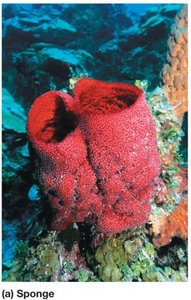
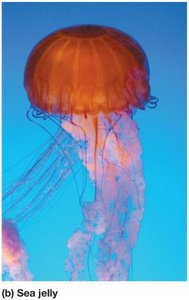
Sea jellies, corals, and anemones have thin skins for direct diffusion as seawater flows over their bodies. Cnidarians use muscle cells to generate bulk flow into the gastrovascular cavity, bringing water close to internal cells.
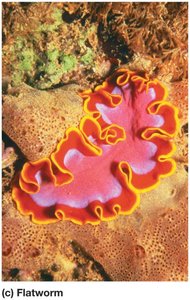
Flatworms have a gastrovascular cavity and gas-permeable skin. Their flattened shape ensures all cells are close to the skin for efficient diffusion.
Respiratory and Circulatory System Interactions
In larger, more active animals, respiratory organs work closely with circulatory systems to facilitate gas exchange.
Earthworms use their skin for diffusion and have capillaries to carry oxygen away, maintaining concentration gradients.
Major organs of gas exchange include gills (aquatic animals), tracheae (insects), and lungs (terrestrial vertebrates).
Stages of Gas Exchange in Animals with Circulatory Systems
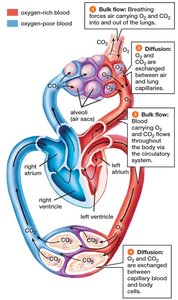
Bulk flow carries O2-rich air or water past the respiratory surface.
O2 diffuses into capillaries; CO2 diffuses out.
Bulk flow of blood transports gases between respiratory system and tissues.
Diffusion transfers O2 to tissues and CO2 from tissues to capillaries.
Gills and Countercurrent Exchange
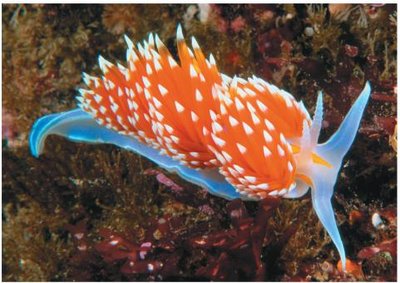
Gills are specialized for gas exchange in aquatic environments, with thin projections and extensive capillary networks.
Fish protect gills with an operculum and create water currents for continuous gas exchange.
Fish use countercurrent exchange to maximize O2 uptake.
Respiratory Adaptations in Terrestrial Animals
Gills are ineffective in air; terrestrial animals evolved internal respiratory structures.
Insects have tracheae, branching air-filled tubes that conduct air through spiracles and into tracheoles near body cells.
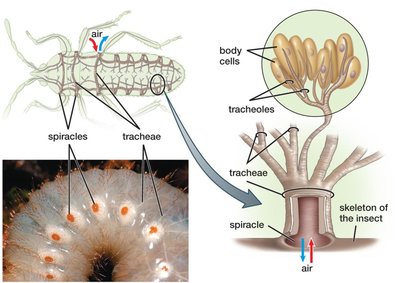
Tracheoles deliver air close to each cell, compensating for insects' inefficient circulatory systems.
Terrestrial vertebrates respire using lungs, chambers with moist surfaces protected within the body.
Respiratory Adaptations in Amphibians and Reptiles
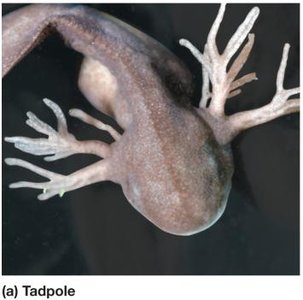
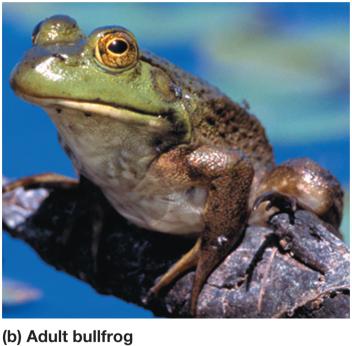
Amphibians use gills as larvae and develop lungs as adults; many also use cutaneous respiration (gas exchange through skin).
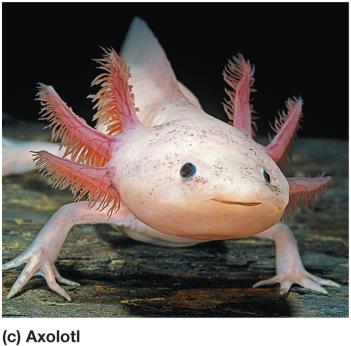
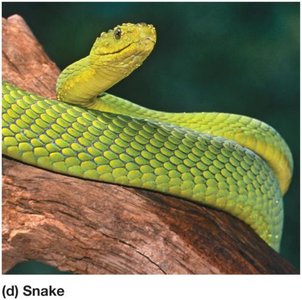
Reptiles and mammals have waterproof skin, preventing cutaneous respiration. Their lungs have larger surface areas for gas exchange.
Bird Respiratory System
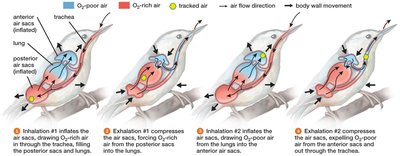
Birds have highly efficient respiratory systems with rigid lungs and multiple air sacs, enabling continuous fresh air flow and supporting the demands of flight.
Bird lungs contain parabronchi, stiff tubes conducting air through capillary-rich tissue.
Air sacs ensure fresh air during both inhalation and exhalation.
Air Conduction Through the Human Respiratory System
Structure of the Human Respiratory System
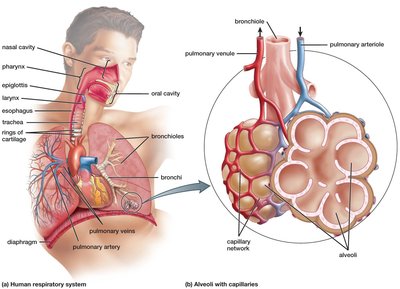
The human respiratory system consists of a conducting portion (air passageways) and a gas-exchange portion (alveoli in the lungs).
Air enters through the nose or mouth, passes through the pharynx, larynx (voice box), and trachea, then branches into bronchi and bronchioles.
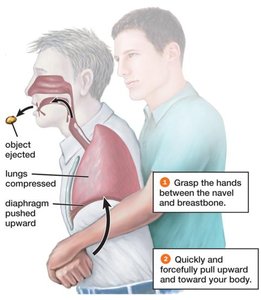
The epiglottis guards the larynx, preventing food from entering the airway during swallowing.
Mechanics of Breathing
During breathing, the epiglottis tilts upward for air flow; during swallowing, it covers the larynx.
The Heimlich maneuver can clear airway obstructions.
Vocal cords in the larynx produce sound as air passes through.
Inhaled air travels through the trachea, bronchi, and bronchioles to alveoli.
Air is warmed, moistened, and filtered by mucus in the conducting system.
Inhalation and Exhalation
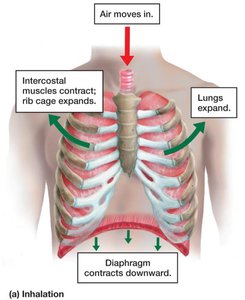
Inhalation is active: diaphragm contracts downward, intercostal muscles lift ribs, expanding the chest cavity.
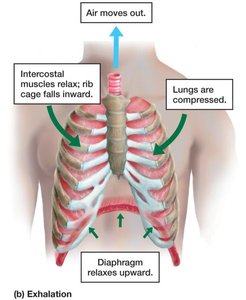
Exhalation is passive: diaphragm relaxes upward, ribs move inward, compressing the chest cavity and forcing air out.
Some air remains in the lungs after exhalation, preventing alveolar collapse.
Control of Breathing
Breathing is controlled by the respiratory center in the medulla of the brain.
Impulses from nerve cells stimulate muscle contractions for inhalation.
CO2 receptors in the medulla regulate breathing rate to maintain low CO2 and adequate O2 levels.
Gas Exchange in the Human Respiratory System
Alveoli and Gas Exchange
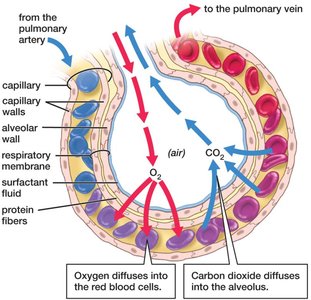
Gas exchange occurs in the alveoli, clusters of microscopic air sacs at the ends of bronchioles. The alveolar surface is moist and covered by capillaries.
Alveoli are coated with surfactant, preventing collapse and aiding gas dissolution.
The respiratory membrane consists of the alveolar wall and capillary wall, glued by protein fibers.
Transport of Oxygen and Carbon Dioxide
O2 is transported in blood primarily bound to hemoglobin (about 98%). Each hemoglobin molecule can carry up to four O2 molecules.
Oxygenated blood is bright red; deoxygenated blood is maroon-red.
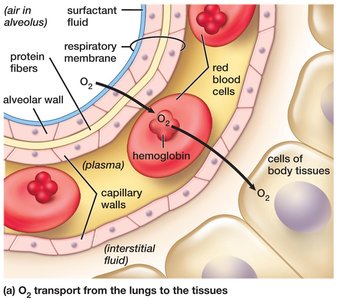
CO2 is transported in three ways: dissolved in plasma (10%), bound to hemoglobin (20%), and as bicarbonate ions (70%).
The reaction for bicarbonate formation is:
Most H+ ions bind to hemoglobin, preventing plasma acidity.
Bicarbonate diffuses into plasma, maintaining CO2 gradients for diffusion.
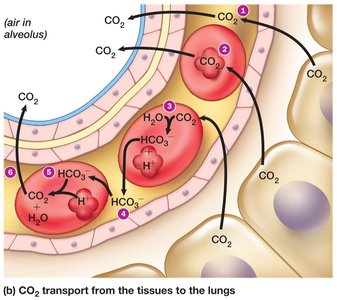
In the lungs, the reaction reverses: , allowing CO2 to diffuse into alveoli and be expelled.
Summary Table: Oxygen and Carbon Dioxide Transport
Gas | Transport Mechanism | Percentage |
|---|---|---|
Oxygen (O2) | Bound to hemoglobin | ~98% |
Oxygen (O2) | Dissolved in plasma | ~2% |
Carbon dioxide (CO2) | Dissolved in plasma | ~10% |
Carbon dioxide (CO2) | Bound to hemoglobin | ~20% |
Carbon dioxide (CO2) | As bicarbonate ions | ~70% |
Key Equations
Bicarbonate formation:
Bicarbonate breakdown in lungs:
Conclusion
Respiratory adaptations across animal groups reflect evolutionary solutions to the challenges of gas exchange. In humans, the respiratory system is highly specialized for efficient oxygen uptake and carbon dioxide removal, supporting cellular metabolism and homeostasis.
