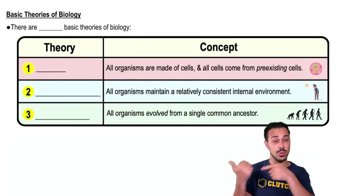
Introduction to Biology
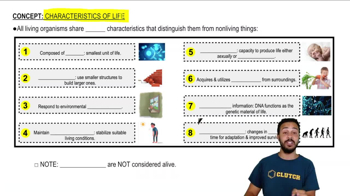
Characteristics of Life
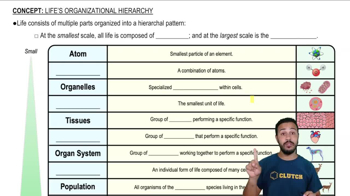
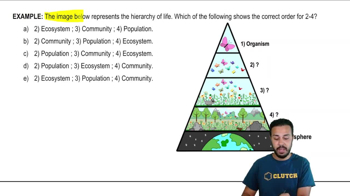
Life's Organizational Hierarchy
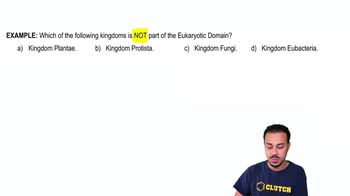
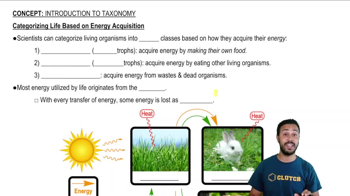
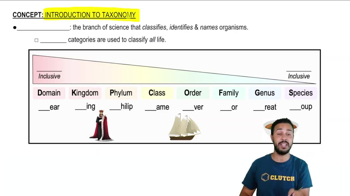
Introduction to Taxonomy
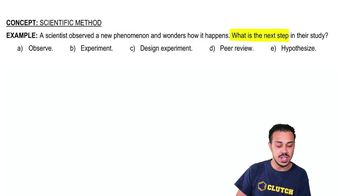
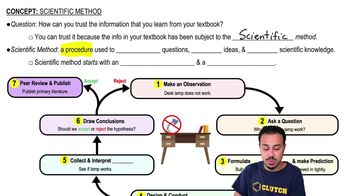
Scientific Method
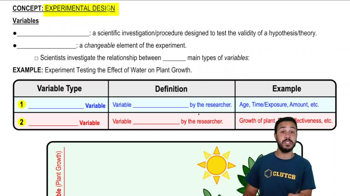
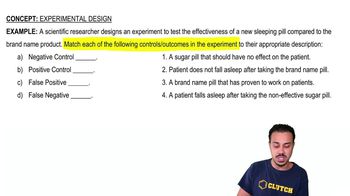
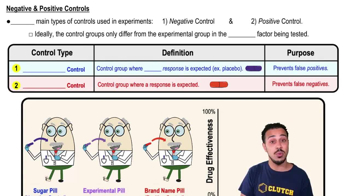
Experimental Design
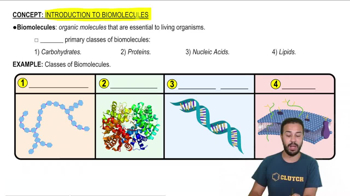
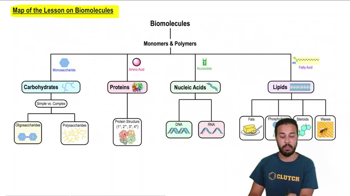
Introduction to Biomolecules
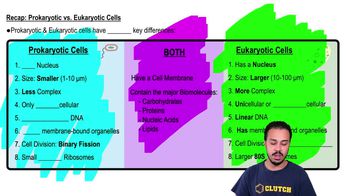
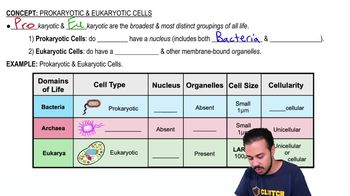
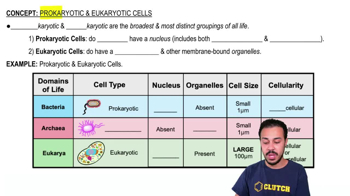
Prokaryotic & Eukaryotic Cells
Introduction to Eukaryotic Organelles
Biological Membranes
Introduction to Energy
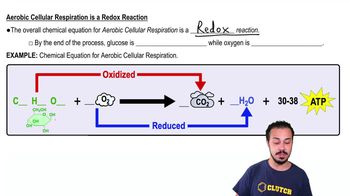
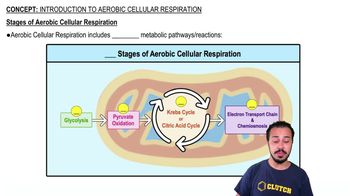
Introduction to Aerobic Cellular Respiration
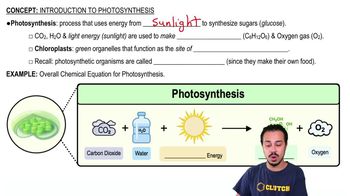
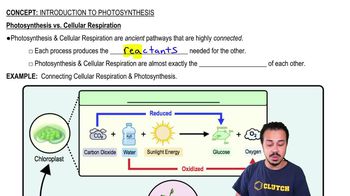
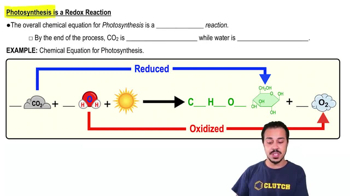
Introduction to Photosynthesis
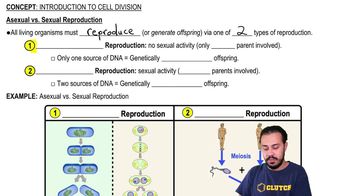
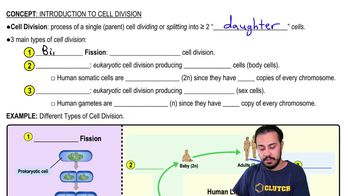
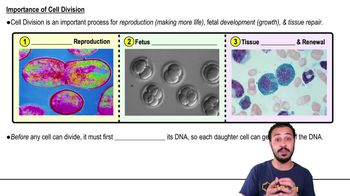
Introduction to Cell Division
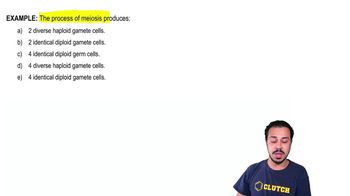
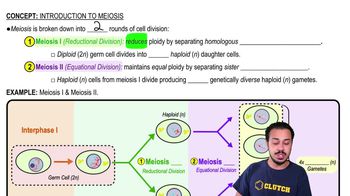
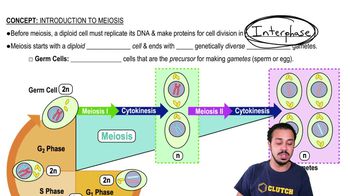
Introduction to Meiosis
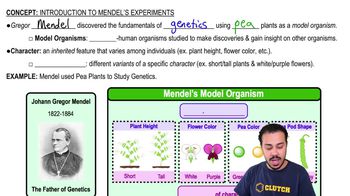
Introduction to Mendel's Experiments
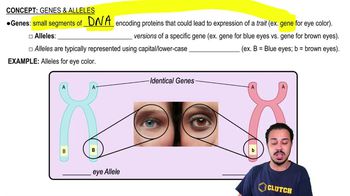
Genes & Alleles
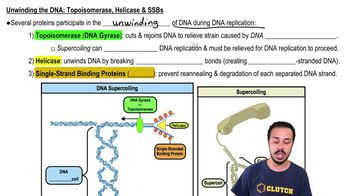
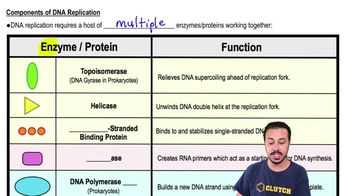
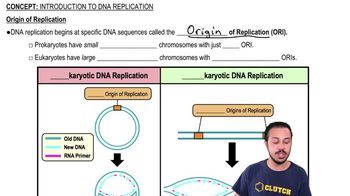
Introduction to DNA Replication
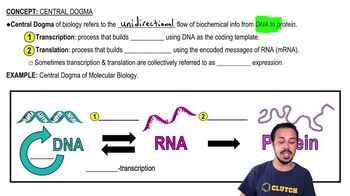
Central Dogma
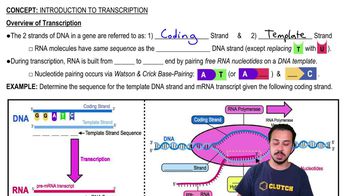
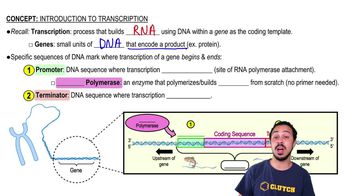
Introduction to Transcription
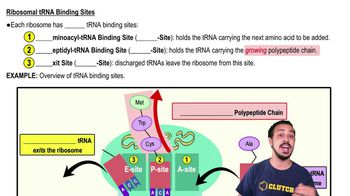
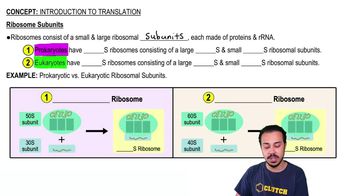
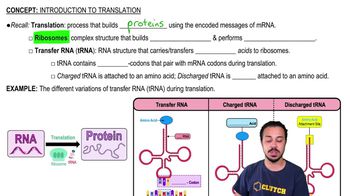
Introduction to Translation
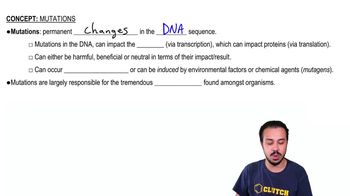
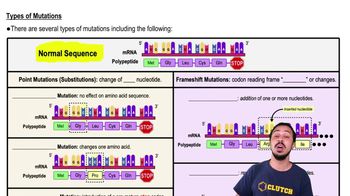
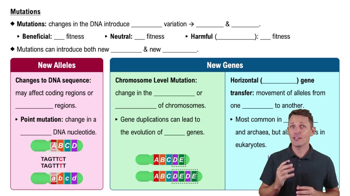
Mutations
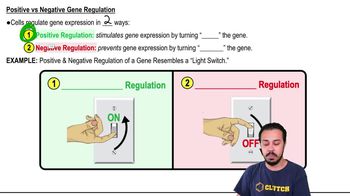
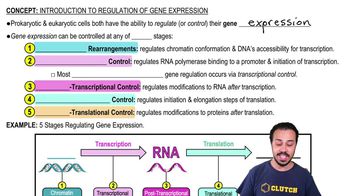
Introduction to Regulation of Gene Expression
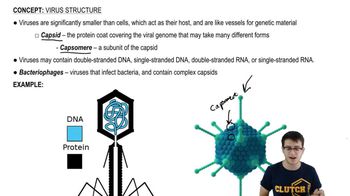
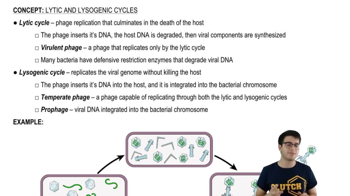
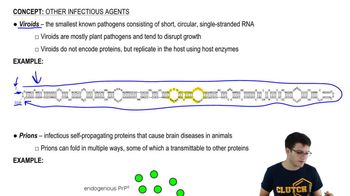
Viruses
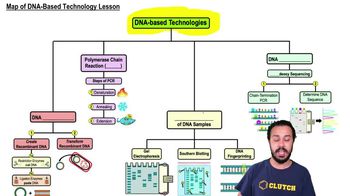
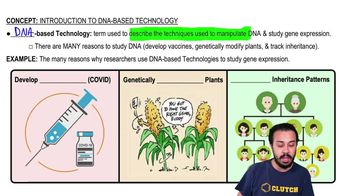
Introduction to DNA-Based Technology
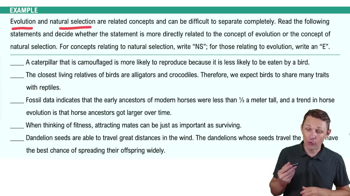
Introduction to Evolution and Natural Selection
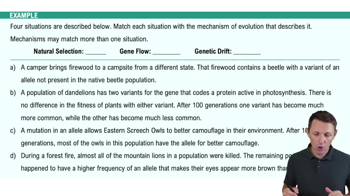
Natural Selection
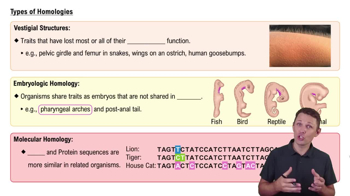
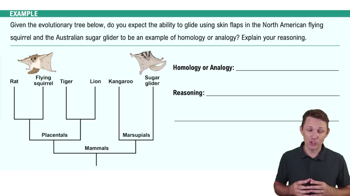
Evidence of Evolution
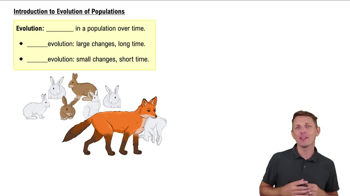
Evolution of Populations
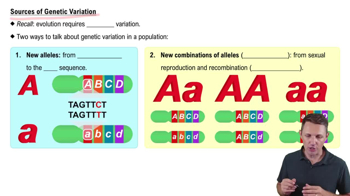
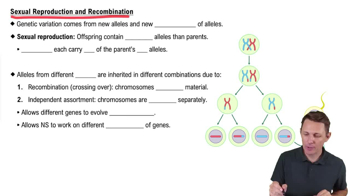
Genetic Variation
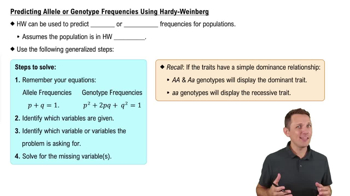
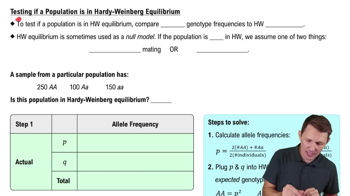
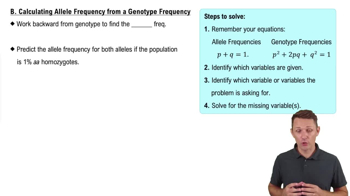
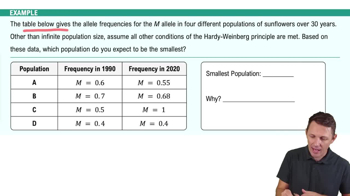
The Hardy-Weinberg Principle
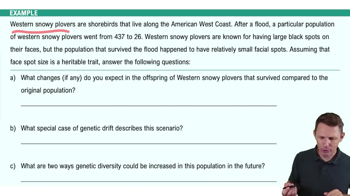
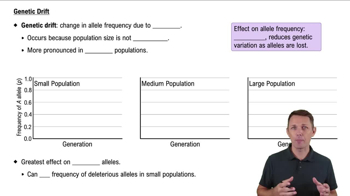
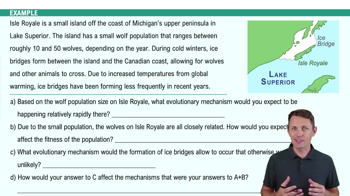
Genetic Drift
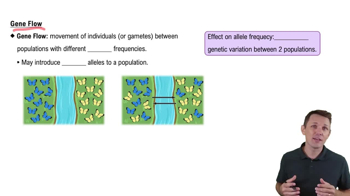
Gene Flow
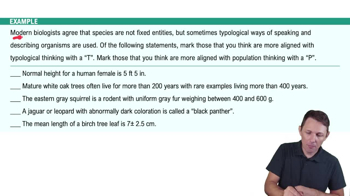
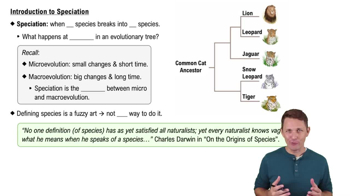
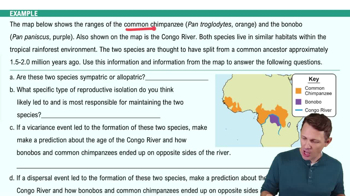
Introduction to Speciation
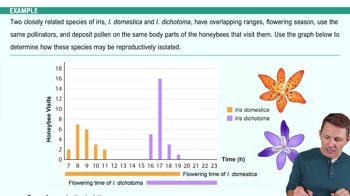
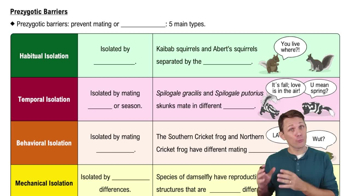
The Biological Species Concept
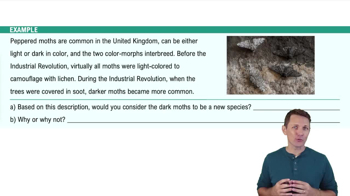
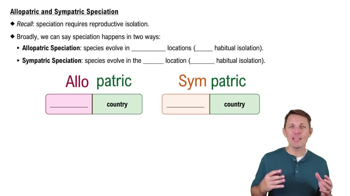
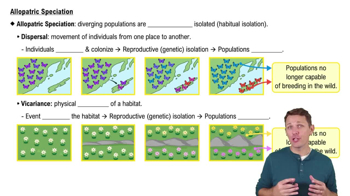
Allopatric and Sympatric Speciation
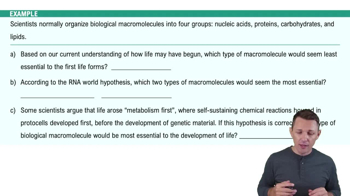
Origin of Life
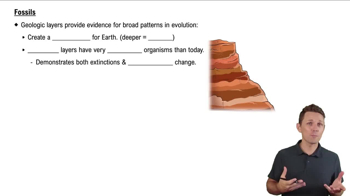
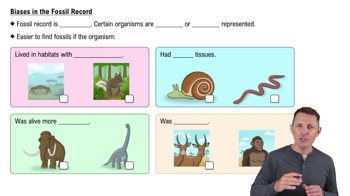
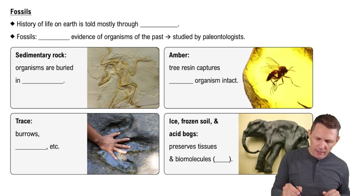
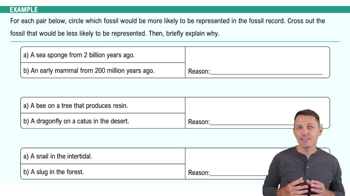
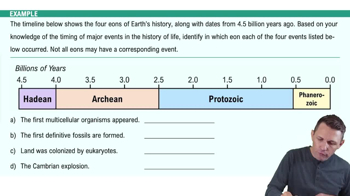
The Fossil Record
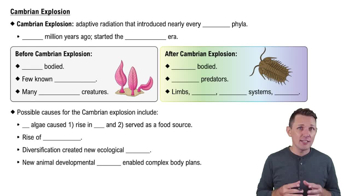
History of Life on Earth
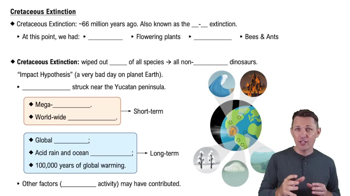
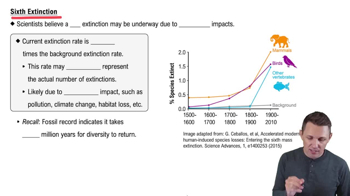
Extinctions
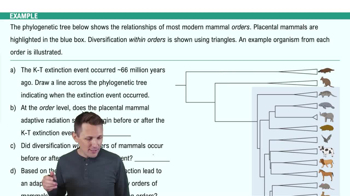
Adaptive Radiation
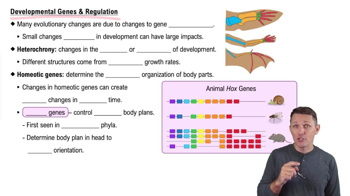
Evolution of Complexity
Introduction to Phylogeny
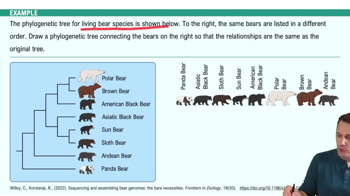
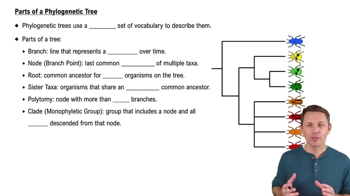
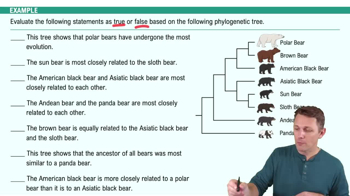
Phylogeny
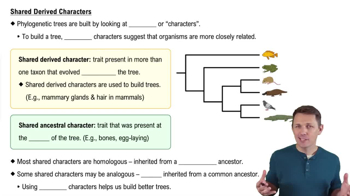
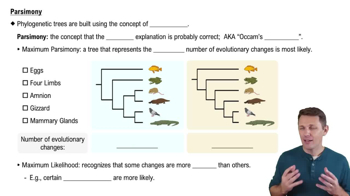
Building Phylogenetic Trees
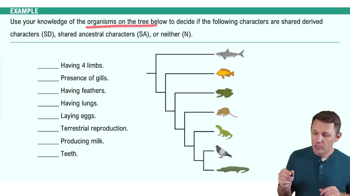
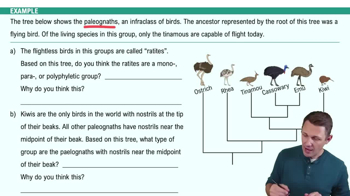
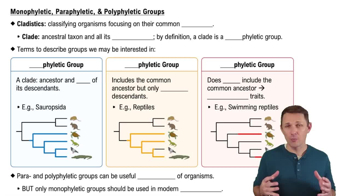
Cladistics
Phylogenetics and Genome Evolution
Introduction to Prokaryotes
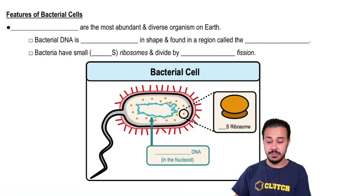
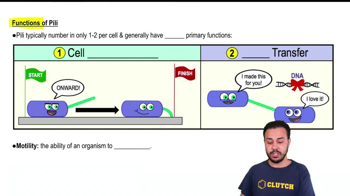
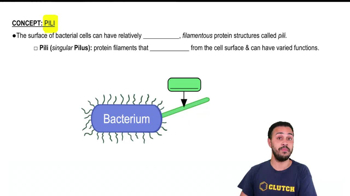
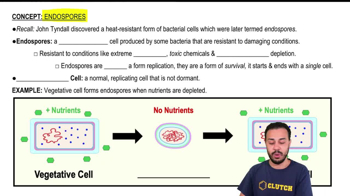
Prokaryotic Cell Structure
Prokaryotic Reproduction
Prokaryotic Metabolism
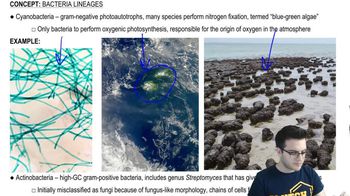
Prokaryotic Diversity
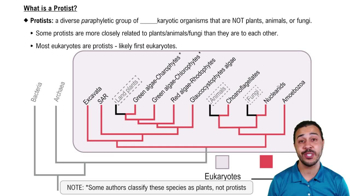
Introduction to Protists
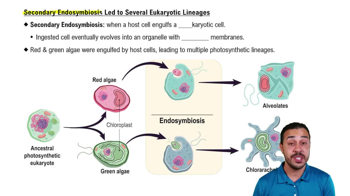
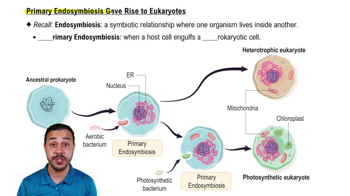
Evolution of Protists
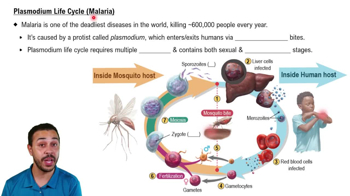
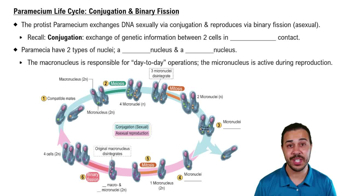
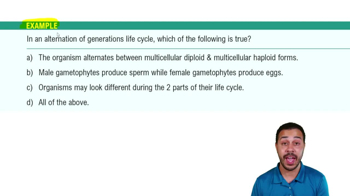
Protist Life Cycles
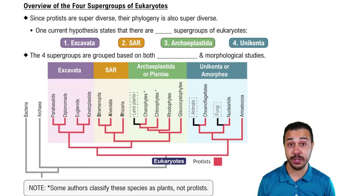
Eukaryotic Supergroups: Exploring Protist Diversity
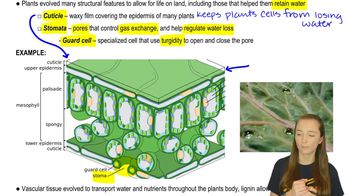
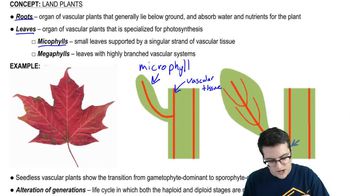
Land Plants
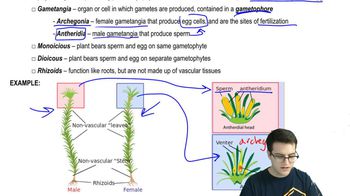
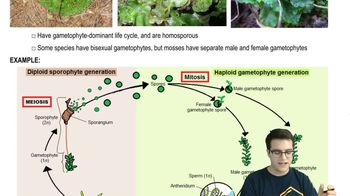
Nonvascular Plants
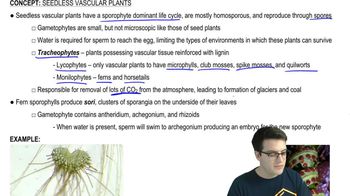
Seedless Vascular Plants
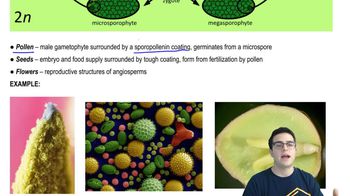
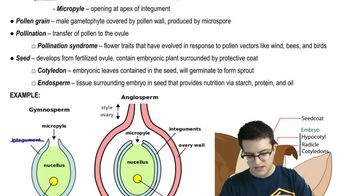
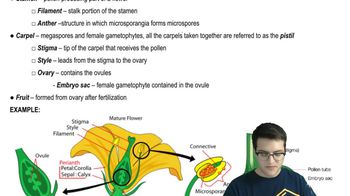
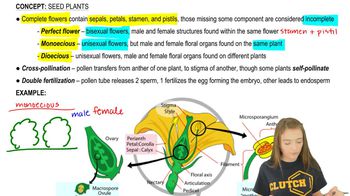
Seed Plants
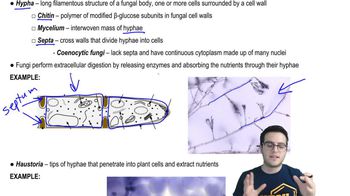
Fungi
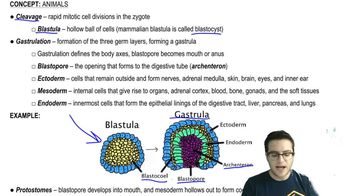
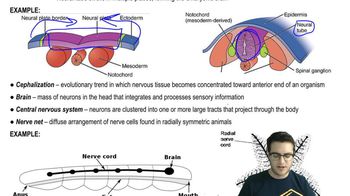
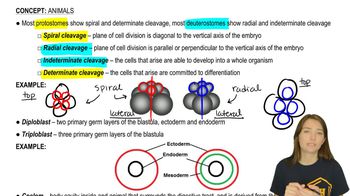
Overview of Animals
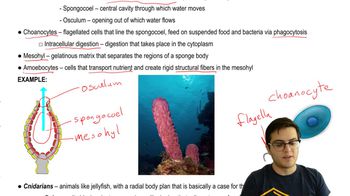
Porifera and Cnidaria
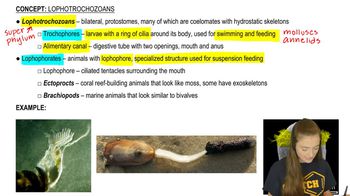
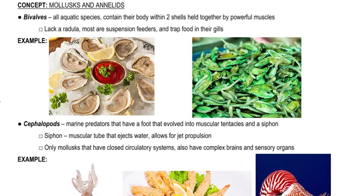
Lophotrochozoans
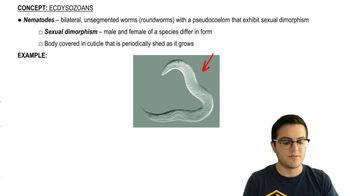
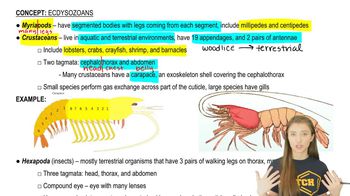
Ecdysozoans
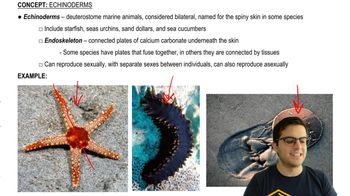
Echinoderms
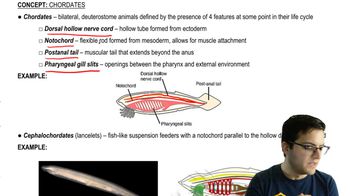
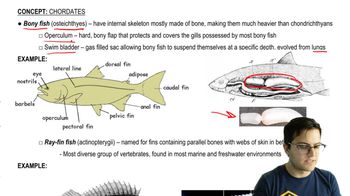
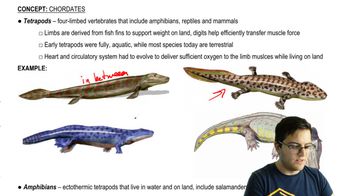
Chordates
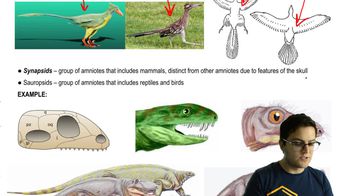
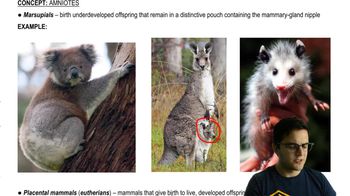
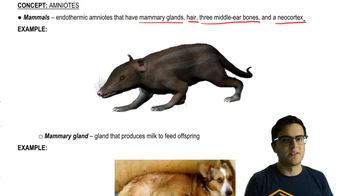
Aminotes
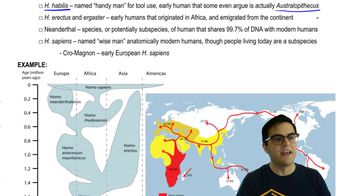
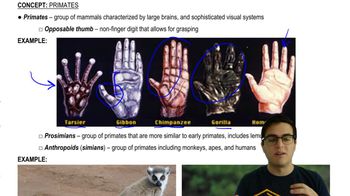
Primates and Homonids
 Indietro
 Lezioni curate abbinate al materiale che hai caricato – impara ogni argomento passo dopo passo.
 02:09