 Indietro
Seed Plant Diversity and Structure: Gymnosperms and Angiosperms
Guida di studio - Note intelligenti
 Appunti personalizzati basati sui tuoi materiali, ampliati con definizioni chiave, esempi e contesto.
Plant Diversity and Structure
Seedless Plants and Alternation of Generations
Seedless plants, including mosses and ferns, exhibit a life cycle known as alternation of generations, where two distinct multicellular stages alternate: the gametophyte (haploid, n) and the sporophyte (diploid, 2n). This adaptation was crucial for the transition of plants from aquatic to terrestrial environments.
Seedless Non-Vascular Plants: Mosses are small, non-vascular plants that rely on water for reproduction.
Seedless Vascular Plants: Ferns possess vascular tissues (xylem and phloem) for water and nutrient transport.
Alternation of Generations: The gametophyte produces gametes by mitosis; the sporophyte produces spores by meiosis.
Adaptations: Vascular tissues, cuticle, and stomata enabled plants to colonize land.
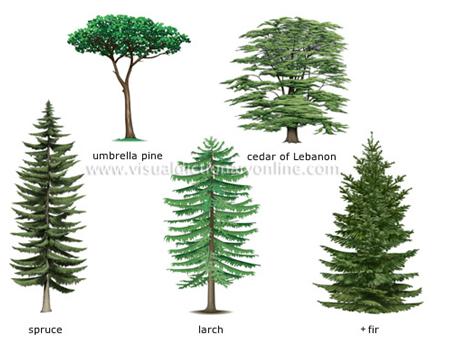
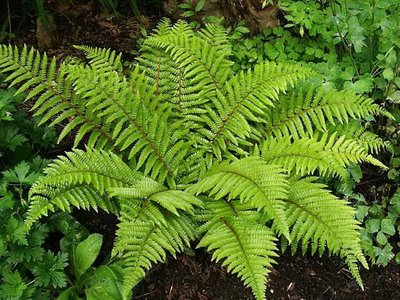
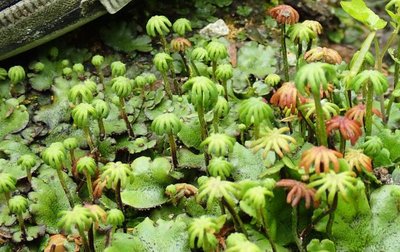
Seed-Bearing Vascular Plants
Seed plants are divided into two major groups: gymnosperms and angiosperms. Both groups possess vascular tissues and reproduce via seeds, but differ in their reproductive structures and seed protection mechanisms.
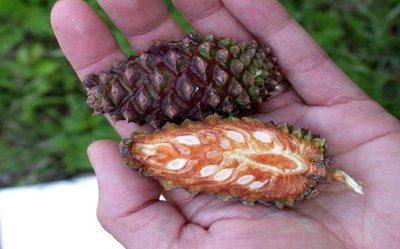
Gymnosperms: Produce seeds exposed on cones (e.g., pine trees, conifers).
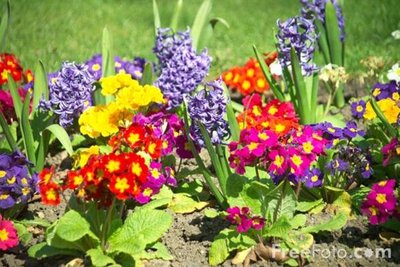
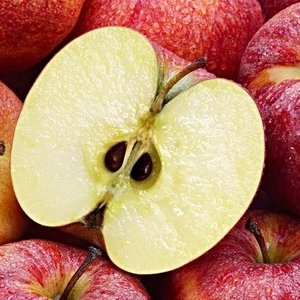
Angiosperms: Produce seeds enclosed within a fruit (e.g., all flowering plants).
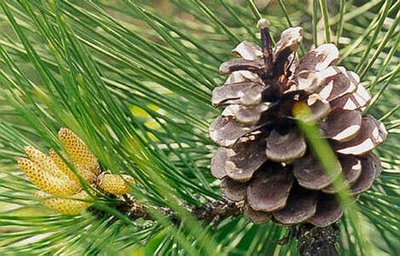
Alternation of Generations in Seed Plants
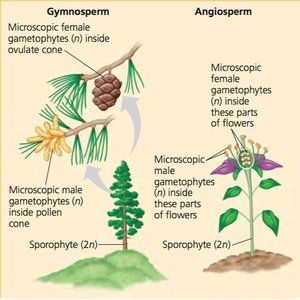
Seed plants undergo alternation of generations, but the sporophyte (2n) is dominant and forms the main body of the plant. The gametophytes (n) are reduced and dependent on the sporophyte, residing within cones (gymnosperms) or flowers (angiosperms).
Sporophyte: Large, photosynthetic, and dominant stage.
Gametophyte: Reduced, protected within reproductive structures.
Special Adaptations of Seed-Bearing Vascular Plants
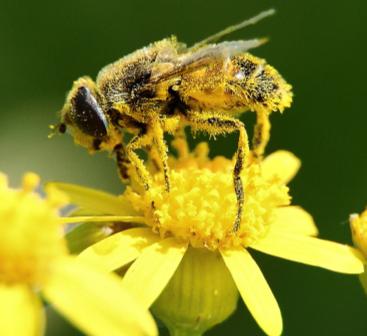
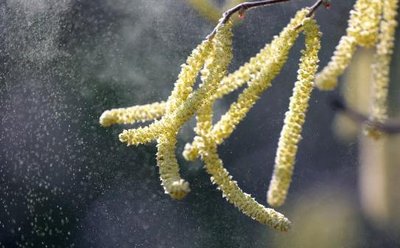
Seed plants are heterosporous, producing two types of spores: microspores (male, pollen) and megaspores (female, nourish seeds). Pollen is resistant to desiccation and can be transported by wind or animals, facilitating fertilization without water.
Pollen: Contains male gametophytes; enables fertilization across distances.
Seeds: Protect and nourish the embryo; in angiosperms, seeds are surrounded by fruit.
Gymnosperms
Characteristics and Phyla
Gymnosperms produce seeds that are exposed or found on the scales of cones. They are mostly wind-pollinated trees and shrubs with long life cycles. There are four main gymnosperm phyla:
Coniferophyta: Conifers such as pine, spruce, fir, and cypress.
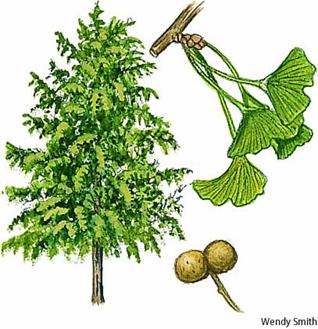
Ginkgophyta: Only one living species, Ginkgo biloba.
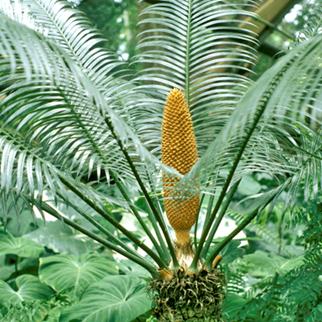
Cycadophyta: Cycads, palm-like plants with large cones.
Gnetophyta: Diverse group including Welwitschia and others.
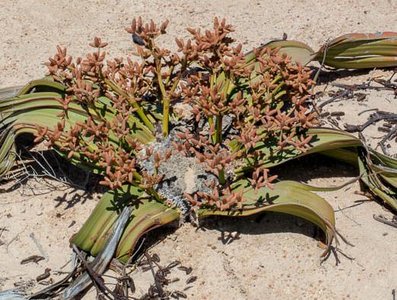
Monoecious vs. Dioecious Gymnosperms
Gymnosperms can be monoecious (single plant with both male and female parts) or dioecious (separate male and female plants).
Monoecious: Most conifers; produce both pollen and ovule-bearing cones.
Dioecious: Cycads, ginkgos, and junipers; separate male and female plants.
Gymnosperm Life Cycle
Gymnosperms are heterosporous, producing microspores (male, pollen) in microsporangia and megaspores (female) in megasporangia. Pollination occurs when pollen is transferred to the ovule, followed by fertilization and seed development.
Microspores: Develop into pollen grains.
Megaspores: Develop into female gametophytes.
Pollination: Transfer of pollen to ovule.
Fertilization: Sperm and egg unite to form embryo.
Angiosperms
Characteristics and Life Cycle
All angiosperms belong to the phylum Anthophyta. They possess flowers and fruit, which enhance gamete dispersal and protection. Angiosperms are vital as agricultural resources and exhibit great diversity in size and appearance, but share basic reproductive structures.
Flowers: Contain male (stamens) and female (carpels) reproductive parts.
Fruit: Develops from the ovary and surrounds seeds.
Pollination: Mediated by insects, birds, mammals, wind, and water.
Monoecious: "Perfect flowers" with both male and female parts.
Dioecious: "Imperfect flowers" with either male or female parts.
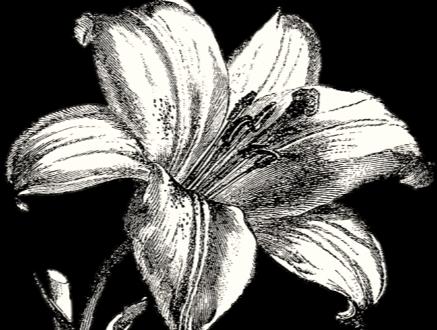
Monocots vs. Dicots
Angiosperms are classified as monocots or dicots based on several traits:
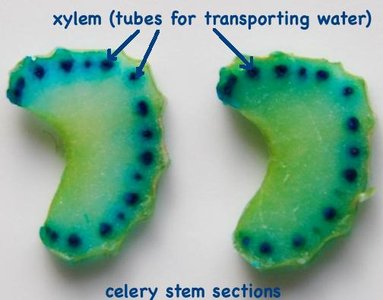
Monocots: One cotyledon, parallel leaf veins, scattered vascular bundles, flower parts in multiples of three.
Dicots: Two cotyledons, net-like leaf veins, ringed vascular bundles, flower parts in multiples of four or five.
Summary Table: Gymnosperms vs. Angiosperms
Feature | Gymnosperms | Angiosperms |
|---|---|---|
Seed Location | Exposed on cones | Enclosed within fruit |
Reproductive Structure | Cones | Flowers |
Pollination | Mostly wind | Insects, animals, wind, water |
Dominant Generation | Sporophyte | Sporophyte |
Examples | Pine, fir, ginkgo, cycads | Oak, rose, lily, apple |
Learning Strategies and Observation Assignment
Learning from Past Exams
Reflecting on previous exam performance can help identify areas for improvement. Common mistakes include insufficient study time, late homework, lack of memorization, not using the textbook, and not applying information.
Review learning objectives before exams.
Apply information actively, not just read or re-read.
Use resources such as videos and campus flora for observation assignments.
Seed Plant Observation Assignment
Students are encouraged to observe wild, living seed plants and document them with multiple photos. Observations must be original and meet assignment requirements.
Upcoming Schedule: Midterm, fungi and metazoa assignments, iNaturalist observations, and plagiarism quiz.
Additional info: The notes provide a comprehensive overview of seed plant diversity, structure, and life cycles, suitable for General Biology students.
