 Indietro
Speciation and Extinction: Mechanisms, Patterns, and Concepts
Guida di studio - Note intelligenti
 Appunti personalizzati basati sui tuoi materiali, ampliati con definizioni chiave, esempi e contesto.
Macroevolution: Speciation & Extinction
Introduction to Speciation
Speciation is a fundamental process in evolutionary biology, describing the formation of new and distinct species in the course of evolution. It is a lineage-splitting event that produces two or more separate species from a single ancestral population.
Speciation: The process by which populations evolve to become distinct species.
Extinction: The complete end and dying out of a species when its last living member dies.
Types of Speciation
Allopatric Speciation
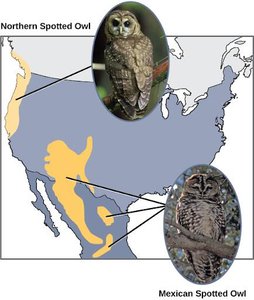
Allopatric speciation occurs when populations of a species become geographically isolated, leading to the formation of new species due to the interruption of gene flow.
Geographic isolation prevents interbreeding between separated populations.
Genetic divergence accumulates over time, resulting in reproductive isolation.
Example: The formation of new species of owls in North America due to geographic barriers.
Peripatric Speciation
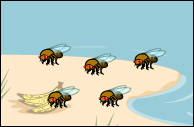
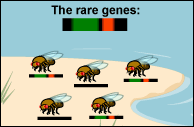
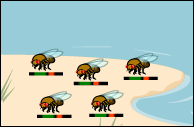
Peripatric speciation is a special case of allopatric speciation, where a small population becomes isolated at the edge of a larger population's range.
Genetic drift and selection have a strong effect due to small population size.
Often leads to rapid divergence and speciation.
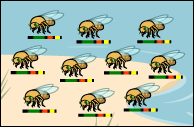
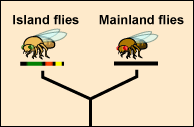
Example: Fruit flies colonizing a new island and diverging from the mainland population.
Parapatric Speciation
Parapatric speciation occurs when populations are distributed continuously but experience reduced gene flow due to environmental gradients or partial geographic barriers.
Hybrid zones may form where populations meet and interbreed.
Selection against hybrids can reinforce divergence.
Sympatric Speciation
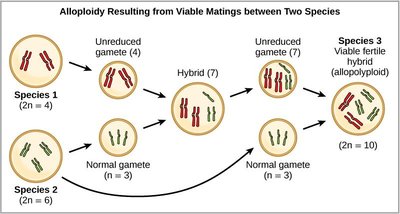
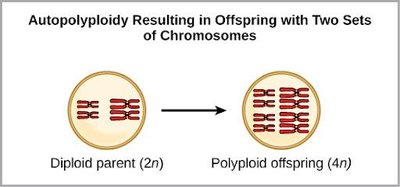
Sympatric speciation occurs without geographic isolation, often through genetic changes such as polyploidy or disruptive selection within the same environment.
Common in plants via polyploidy (chromosome duplication).
Can also occur in animals through ecological or behavioral isolation.
Patterns of Speciation
Mechanisms and Drivers
Ecological Speciation: Divergence due to adaptation to different ecological niches.
Genetic Conflict: Divergence driven by genetic incompatibilities.
Sexual Selection: Divergence due to mate choice and sexual behaviors.
Reinforcement: Strengthening of reproductive barriers in sympatry.
Polyploidy: Instant speciation via chromosome duplication, especially in plants.
Hybrid Speciation: Formation of new species from hybridization events.
Genetic Drift: Random changes in allele frequencies, especially in small populations.
Adaptive Radiation
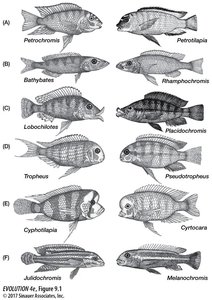
Adaptive radiation is the rapid evolution of many species from a common ancestor, often following colonization of new environments or the evolution of a key innovation.
Driven by adaptation to different ecological niches and sexual selection.
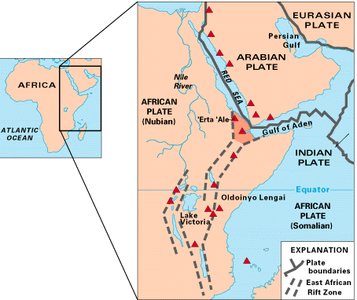
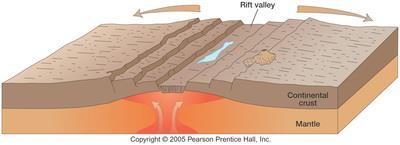
Example: Cichlid fishes in East African Rift Lakes have diversified into hundreds of species.
Concepts of Species
What is a Species?
Several concepts are used to define what constitutes a species, each with strengths and limitations.
Morphological Species Concept: Species are defined by morphological similarity.
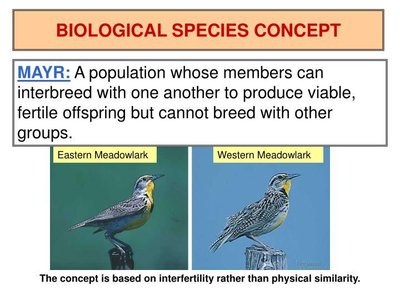
Biological Species Concept (BSC): Species are groups of actually or potentially interbreeding natural populations that are reproductively isolated from other such groups.
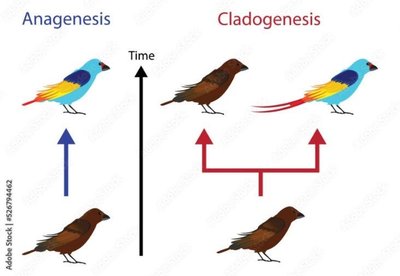
Phylogenetic Species Concept (PSC): Species are the smallest monophyletic groups distinguished by unique, derived characteristics.
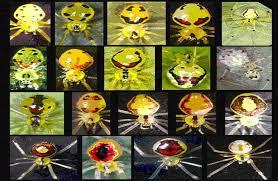
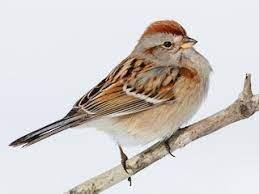
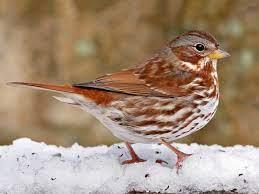
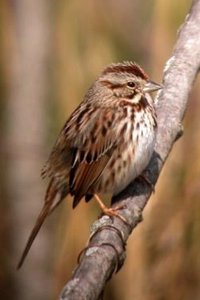
Biological Species Concept (BSC)
The BSC, formalized by Ernst Mayr, is the most widely used species concept in biology. It emphasizes reproductive isolation as the key criterion for defining species.
Species are groups of interbreeding populations that are reproductively isolated from others.
Reproductive isolation can be incomplete, allowing for occasional hybridization (genetic introgression).
Limitations: Not applicable to asexual organisms or fossils, and problematic for allopatric populations.


Phylogenetic Species Concept (PSC)
The PSC defines species as the smallest diagnosable clusters of individual organisms within which there is a parental pattern of ancestry and descent.
Focuses on evolutionary history and unique derived traits.
Useful for groups with allopatric speciation and for asexual organisms.
Reproductive Isolation
Prezygotic Barriers
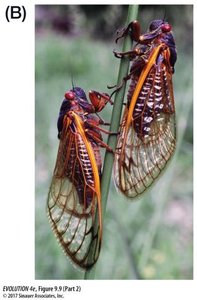
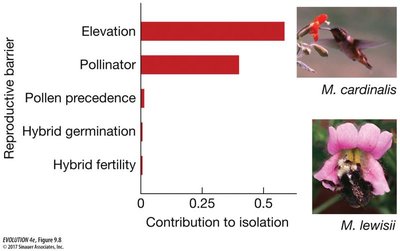
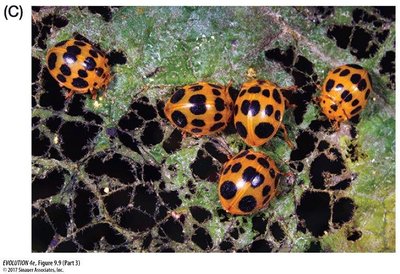
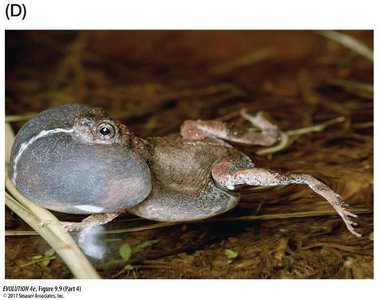
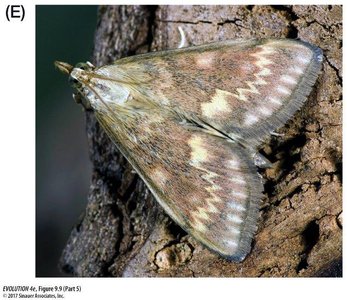
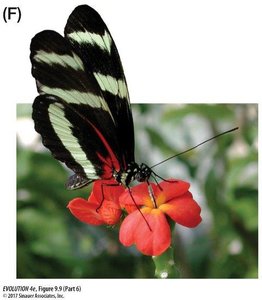
Prezygotic barriers prevent mating or fertilization between species.
Temporal Isolation: Species breed at different times.
Habitat Isolation: Species occupy different habitats.
Behavioral Isolation: Differences in mating behaviors prevent interbreeding.
Mechanical Isolation: Morphological differences prevent successful mating.
Gametic Isolation: Gametes are incompatible and cannot fuse.
Postzygotic Barriers
Postzygotic barriers occur after fertilization and reduce the viability or reproductive capacity of hybrid offspring.
Reduced Hybrid Viability: Hybrids fail to develop or are frail.
Reduced Hybrid Fertility: Hybrids are sterile or have reduced fertility.
Hybrid Breakdown: Offspring of hybrids are weak or sterile.
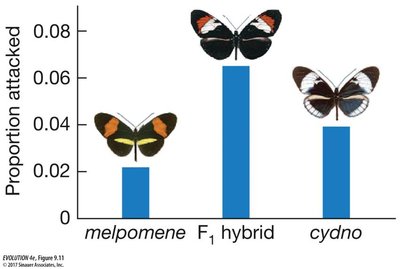
Extrinsic vs. Intrinsic: Extrinsic barriers depend on environmental interactions (e.g., predation), while intrinsic barriers are due to genetic incompatibilities.
Hybridization and Hybrid Zones
Hybridization
Hybridization is the process of producing offspring by mating individuals from different species or genetically distinct populations.
Can result in hybrid zones where the ranges of two species overlap.
Hybrid fitness is often reduced, maintaining species boundaries.
Example: Red wolves are a hybrid between coyotes and grey wolves.
Extinction
Types and Causes of Extinction
Extinction is the permanent loss of a species. It can occur naturally or be driven by human activities.
Background Extinction Rate: The natural rate of species loss, estimated at 1–5 species per year.
Mass Extinctions: Periods when large numbers of species die out rapidly (e.g., End Permian, Cretaceous).
Modern Causes: Habitat loss, human impact, invasive species, and climate change.
Summary Table: Types of Speciation
Type | Definition | Key Feature | Example |
|---|---|---|---|
Allopatric | New species from geographically isolated populations | Physical barrier | Owls, fruit flies |
Peripatric | New species from small, isolated peripheral population | Founder effect, drift | Island fruit flies |
Parapatric | New species from adjacent populations with limited gene flow | Hybrid zones | Grass species, hybrid zones |
Sympatric | New species without geographic isolation | Polyploidy, niche differentiation | Plants, cichlids |
