 Indietro
Study Guide: Bacteria and Archaea (Prokaryotes) – Structure, Function, Diversity, and Impact
Guida di studio - Note intelligenti
 Appunti personalizzati basati sui tuoi materiali, ampliati con definizioni chiave, esempi e contesto.
Bacteria and Archaea: The Prokaryotic Domains
Three Domains of Life
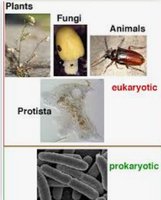
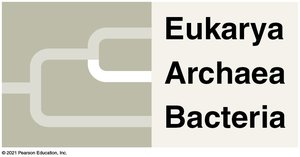
The classification of life includes three major domains: Bacteria, Archaea, and Eukarya. Prokaryotes are represented by Bacteria and Archaea, while Eukarya includes plants, fungi, animals, and protists. Prokaryotes are distinguished by their lack of a membrane-bound nucleus and organelles, and they thrive in diverse environments.
Prokaryotic Cell Structure and Diversity
Cell Size, Shape, and Organization
Prokaryotic cells are typically much smaller (0.5–5 µm) than eukaryotic cells (10–100 µm). Most prokaryotes are unicellular, though some form colonies. The three most common shapes are:
Cocci – Spherical
Bacilli – Rod-shaped
Spirillum – Spiral
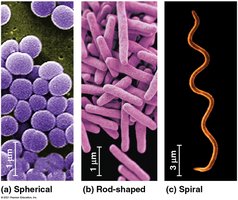
These shapes are important for identification and classification.
Prokaryotic Cell-Surface Structures
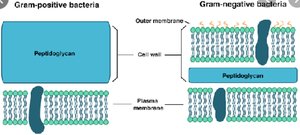
Nearly all prokaryotes have a cell wall that maintains cell shape, protects the cell, and prevents lysis in hypotonic environments. The composition of cell walls differs:
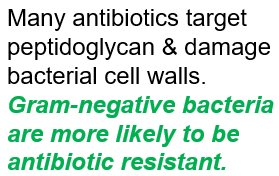
Bacterial cell walls contain peptidoglycan, a polymer of sugars and amino acids.
Archaean cell walls lack peptidoglycan and instead contain polysaccharides and proteins.
Eukaryotic cell walls (plants/fungi) are made of cellulose or chitin.
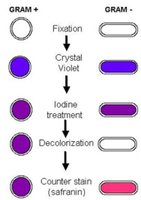
The Gram stain is used to classify bacteria based on cell wall structure:
Gram-positive bacteria: Thick peptidoglycan layer, stain blue/purple.
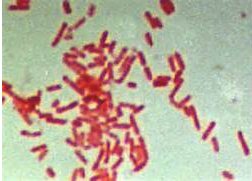
Gram-negative bacteria: Thin peptidoglycan layer, outer membrane (often toxic), stain red/pink.
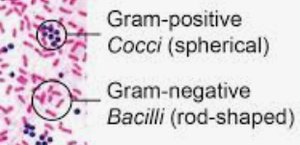
Gram Staining Examples
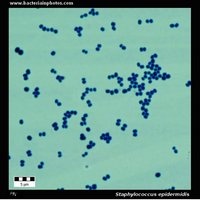
Gram-positive cocci (e.g., Staphylococcus epidermidis) are part of normal skin flora. Gram-negative bacilli (e.g., Escherichia coli) are found in the human intestine.
Bacterial Endospores
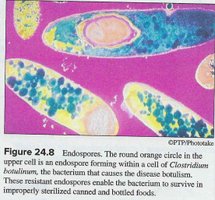
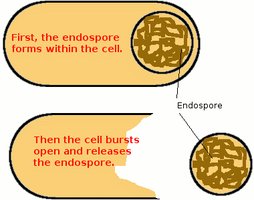
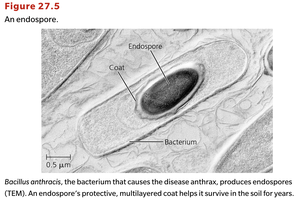
Some bacteria, especially Gram-positive species, form endospores—metabolically inactive, highly resistant structures that can survive extreme conditions for centuries. Endospores are important in disease transmission and food safety.
Endospores resist heat, boiling, drying, and remain dormant.
Example: Bacillus anthracis (anthrax), Clostridium botulinum (botulism).
Motility and Chemotaxis
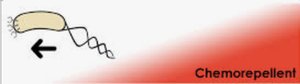
Many prokaryotes are motile, moving toward or away from stimuli (taxis). Chemotaxis is movement in response to chemical signals. Most motile bacteria use flagella, which are structurally different in bacteria, archaea, and eukaryotes (analogous structures).
Flagella are composed of a motor, hook, and filament.
Exaptation: Flagellar proteins evolved from other bacterial proteins.

Other Cell Surface Features
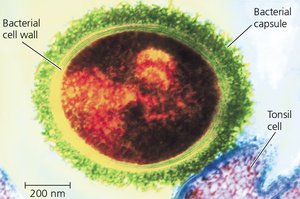
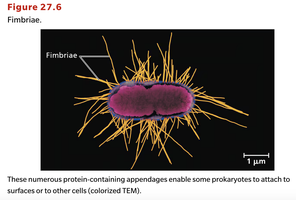
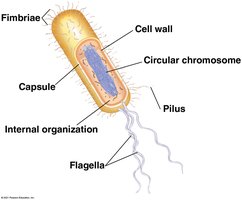
Prokaryotes may have capsules (protection, adhesion), fimbriae (attachment), and pili (DNA transfer).
Genetic Organization and Variation
Prokaryotic Genome
Prokaryotes have less DNA than eukaryotes. Their genome is usually a single circular chromosome located in the nucleoid region. They also possess plasmids—small, circular DNA molecules carrying non-essential genes (e.g., antibiotic resistance).
Plasmids are used in biotechnology to introduce new genes (e.g., insulin production).
Differences in DNA Processes
Prokaryotic ribosomes are smaller and differ in protein and RNA content from eukaryotic ribosomes. Some antibiotics (e.g., tetracycline, erythromycin) target prokaryotic ribosomes, inhibiting protein synthesis without harming eukaryotic cells.
Genetic Variation and Horizontal Gene Transfer
Despite reproducing by binary fission (asexual), prokaryotes have high genetic diversity due to:
Rapid reproduction
Mutation
Genetic recombination (horizontal gene transfer)
Horizontal gene transfer occurs via:
Transformation: Uptake of foreign DNA from the environment.
Transduction: Gene transfer by bacteriophages (viruses).
Conjugation: Direct transfer of DNA between cells via a pilus.
R plasmids carry antibiotic resistance genes, leading to the spread of resistance in bacterial populations.
Metabolic Diversity and Adaptations
Nutritional Types
Prokaryotes are classified by how they obtain energy and carbon:
Autotrophs: Use inorganic carbon (CO2) as carbon source.
Heterotrophs: Require organic nutrients (e.g., glucose).
Metabolic Cooperation
Some prokaryotes cooperate metabolically, forming biofilms or specialized cells (e.g., cyanobacteria with vegetative and nitrogen-fixing cells). Biofilms allow nutrient sharing and waste removal.
Oxygen and Nitrogen Metabolism
Obligate aerobes: Require O2 for respiration.
Obligate anaerobes: Poisoned by O2, use fermentation or anaerobic respiration.
Facultative anaerobes: Can survive with or without O2.
Some prokaryotes fix nitrogen (N2 → NH3), making it available for amino acid and nucleic acid synthesis.
Prokaryotic Diversity and Phylogeny
Phylogenetic Relationships
Genomic studies have revealed extensive diversity among prokaryotes. Horizontal gene transfer has played a major role in their evolution. The TACK supergroup within Archaea is closely related to eukaryotes, providing insight into the origin of eukaryotic cells.
Ecological Roles and Interactions
Prokaryotes in Ecosystems
Prokaryotes are essential for recycling nutrients (nitrogen, phosphorus, potassium) and decomposing organic matter. Cyanobacteria produce atmospheric O2 and are primary producers in many ecosystems.
Symbiosis
Commensalism: One organism benefits, the other is unaffected.
Parasitism: Parasite harms the host; pathogens cause disease.
Mutualism: Both organisms benefit (e.g., Rhizobium in legume roots).
Prokaryotes and Human Health
Beneficial and Harmful Impacts
Human intestines host hundreds of bacterial species, many of which are mutualists aiding digestion. Pathogenic bacteria cause diseases (e.g., Lyme disease, caused by Borrelia burgdorferi). Bacteria release exotoxins (proteins) or endotoxins (lipopolysaccharides) to cause disease.
Prokaryotes in Research and Technology
Bioremediation and Biotechnology
Prokaryotes are used in bioremediation to remove pollutants and in biotechnology to produce plastics, vitamins, antibiotics, hormones, and ethanol. They are also involved in food production (cheese, yogurt, beer, wine, sauerkraut, soy sauce).
Feature | Bacteria | Archaea |
|---|---|---|
Cell Wall | Peptidoglycan | Polysaccharides/proteins (no peptidoglycan) |
Membrane Lipids | Unbranched hydrocarbons | Branched hydrocarbons |
RNA Polymerase | One type | Several types |
Pathogenicity | Many pathogens | Few known pathogens |
Habitat | Wide range | Often extreme environments |
Key Equations:
Binary Fission:
Nitrogen Fixation:
Example: Rhizobium bacteria fix nitrogen in legume roots, providing usable nitrogen for plant growth.
Additional info: The TACK supergroup and lokiarchaeotes are recent discoveries that help explain the evolutionary relationship between archaea and eukaryotes.
