 Indietro
Study Notes: Angiosperms – Structure, Life Cycle, and Diversity
Guida di studio - Note intelligenti
 Appunti personalizzati basati sui tuoi materiali, ampliati con definizioni chiave, esempi e contesto.
The Angiosperms
Introduction to Angiosperms
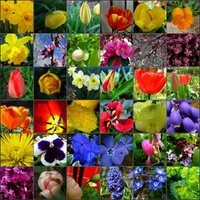
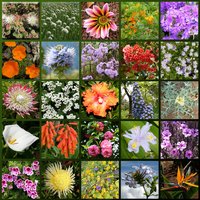
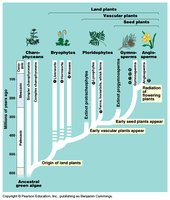
Angiosperms, also known as flowering plants, are the most diverse and widespread group of land plants. They are classified in the phylum Anthophyta and represent about 90% of all plant species, with over 300,000 known species. Angiosperms evolved approximately 140 million years ago and dominate Earth's vegetation today.
Definition: Angiosperms are plants that produce flowers and have seeds enclosed within a fruit.
Diversity: Wide range of growth forms and ecological adaptations.
Evolution: Thought to have evolved from gnetophytes.
Key Characteristics of Angiosperms
Angiosperms possess several unique features that distinguish them from other plant groups.
Flowers: Specialized structures for sexual reproduction.
Fruits: Mature ovaries that enclose seeds and aid in their dispersal.
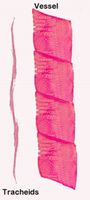
Vascular Tissue: Both xylem tracheids and vessels conduct water (gymnosperms only have tracheids).
Heterosporous: Produce two types of spores (microspores and megaspores).
Dominant Sporophyte Generation: The diploid sporophyte is the main plant body.
Reduced Gametophyte: Gametophytes are microscopic and dependent on the sporophyte.
Innovative Adaptations of Angiosperms
Two key adaptations contributed to the diversification and success of angiosperms:
Flowers: Specialized for attracting pollinators and facilitating sexual reproduction.
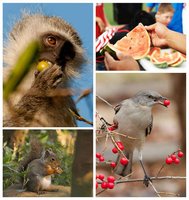
Fruits: Protect seeds and enhance dispersal by animals, wind, or water.
Floral Structure and Whorls
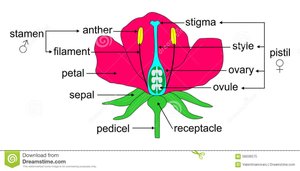
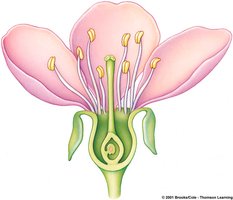
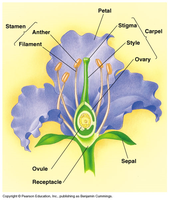
Flowers are composed of four main whorls, each with a specific function:
Calyx: Outermost whorl, made up of sepals, protects the flower bud.
Corolla: Second whorl, made up of petals, attracts pollinators.
Androecium: Male reproductive whorl, consists of stamens (anther and filament).
Gynoecium: Female reproductive whorl, consists of carpels (stigma, style, ovary).
Complete vs. Incomplete Flowers
Flowers can be classified based on the presence or absence of floral whorls:
Complete Flowers: Contain all four whorls (sepals, petals, stamens, carpels).
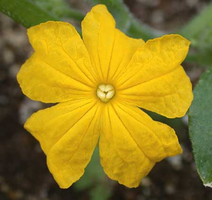
Incomplete Flowers: Missing one or more whorls (e.g., Cucurbitaceae family).
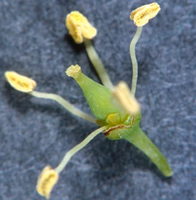
Perfect vs. Imperfect Flowers
Flowers are also classified by their reproductive organs:
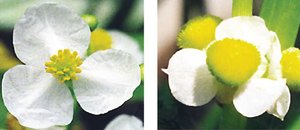
Perfect (Bisexual) Flowers: Have both stamens and carpels.
Imperfect (Unisexual) Flowers: Have either stamens or carpels, but not both.
Staminate Flowers: Only stamens present (male).
Carpellate Flowers: Only carpels present (female).
Pollination and Fertilization
Pollination is the transfer of pollen from the anther to the stigma, enabling fertilization. Fertilization is the union of male and female gametes to form a zygote.
Pollination: Can be facilitated by animals, insects, or wind.
Fertilization: Occurs after the pollen tube delivers sperm cells to the ovule.
Double Fertilization in Angiosperms
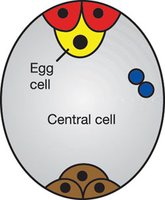
Double fertilization is a unique process in angiosperms involving two sperm cells:
One sperm fertilizes the egg, forming a diploid zygote (2n).
The other sperm fuses with two polar nuclei, forming a triploid endosperm (3n) that nourishes the embryo.
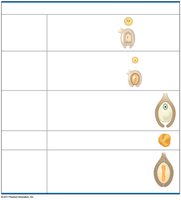
Life Cycle of Angiosperms
The angiosperm life cycle is characterized by alternation of generations, with a dominant sporophyte and a highly reduced gametophyte.
Anthers produce microspores (pollen grains) via meiosis.
Pollen grains develop into male gametophytes.
Ovules contain megasporangia that produce megaspores.
Megaspores develop into female gametophytes.
Pollination transfers pollen to the stigma.
Pollen tube grows into the style and enters the ovule.
Double fertilization occurs.
Fertilized ovule develops into a seed with triploid endosperm.
Seed dispersal and germination resume the cycle.
Monocots vs. Dicots (Eudicots)
Angiosperms are divided into two major groups based on the number of cotyledons in the seed:
Monocots: One cotyledon, petals in multiples of three, parallel leaf venation.
Dicots (Eudicots): Two cotyledons, petals in multiples of four or five, net-like leaf venation.
Economic and Ecological Importance
Angiosperms are vital for human welfare and ecosystems:
Food: Major crops (wheat, rice, maize, potatoes, sweet potatoes, cassava) provide 80% of human calories.
Ecology: Support animal life and maintain biodiversity.
Major Angiosperm Families
Several plant families are especially diverse and important:
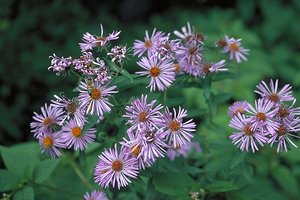
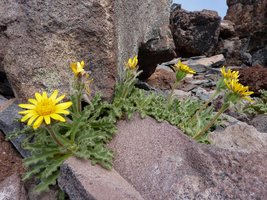
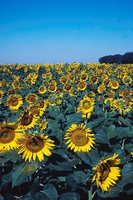
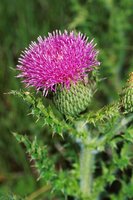
Asteraceae: Largest family, ~30,000 species.
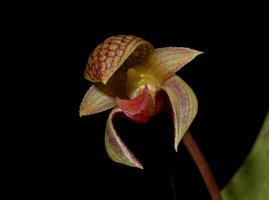
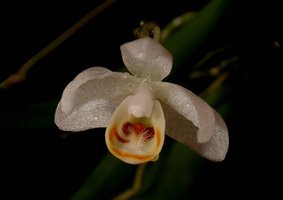
Orchidaceae: Second largest, ~25,000 species, highly diverse in South Africa.
Poaceae: Grass family, ~10,000 species, economically important.
Summary Table: Comparison of Plant Groups
The following table summarizes the differences in life cycles and reproductive strategies among major plant groups:
Plant Group | Sporophyte | Gametophyte | Reproductive Structure |
|---|---|---|---|
Bryophytes | Dependent | Dominant & Independent | Develops outside |
Seedless Vascular Plants | Dominant, initially dependent | Independent | Develops outside |
Seed Plants (Gymnosperms & Angiosperms) | Dominant & Independent | Microscopic & Dependent | Develops inside cones (gymnosperms) or flowers (angiosperms) |
Conclusion
Angiosperms are the most successful group of land plants due to their unique reproductive structures, efficient seed dispersal mechanisms, and ecological adaptability. Their diversity and importance in human society and ecosystems make them a central topic in General Biology.
