 Indietro
Study Notes: The Animal Kingdom – Structure, Evolution, Life Cycles, and Diversity
Guida di studio - Note intelligenti
 Appunti personalizzati basati sui tuoi materiali, ampliati con definizioni chiave, esempi e contesto.
Topic 5: The Animal Kingdom
Introduction to the Animal Kingdom
The animal kingdom encompasses a vast diversity of organisms characterized by unique structural, genetic, metabolic, and behavioral traits. Understanding these features is essential for grasping the evolutionary relationships and ecological roles of animals.
Structure and Genetics: Animals are multicellular eukaryotes with specialized tissues and complex genetic regulation.
Metabolism: Animals are heterotrophic, relying on organic substances for energy and nutrients.
Motility: Most animals exhibit movement at some stage of their life cycle, facilitated by specialized muscle and nervous tissues.
Habitats: Animals inhabit diverse environments, including terrestrial, aquatic, and aerial ecosystems.
Evolutionary Origin
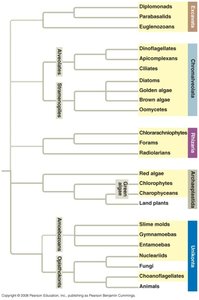
Animals evolved from ancestral protists, with key innovations such as multicellularity, tissue differentiation, and complex life cycles. Phylogenetic trees help illustrate these evolutionary relationships.
Phylogenetic Relationships: Modern phylogenies are based on genetic, morphological, and developmental data.
Major Clades: Animals are grouped into major clades such as sponges, cnidarians, protostomes, and deuterostomes.
Life Cycles
Animal life cycles are diverse, including both asexual and sexual reproduction, resistant stages, and regeneration abilities.
Asexual Reproduction and Colonies: Some animals reproduce without gametes, forming colonies or clones.
Resistant Stages: Many animals produce resistant forms (e.g., cysts, spores) to survive harsh conditions.
Regeneration: Certain animals can regenerate lost body parts, a process studied in planarians and other taxa.
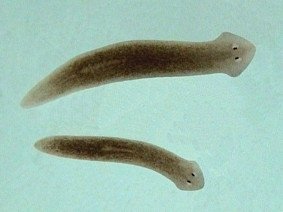
Example: Dugesia sp. (planarians) are known for their remarkable regenerative abilities.
Animal Diversity: Examples and Conservation Status
The animal kingdom includes a wide range of species, from invertebrates to vertebrates, each with unique adaptations and conservation concerns.
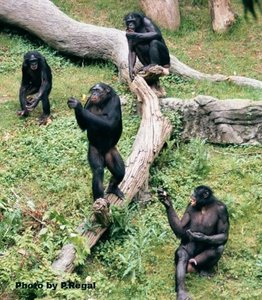
Bonobo (Pan paniscus): Endangered primate species from the Congo.
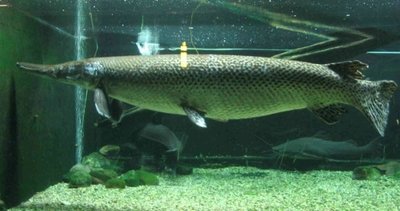
Alligator Gar (Atractosteus spatula): Large freshwater fish from the southern USA.
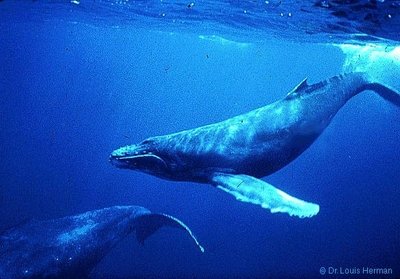
Humpback Whale (Megaptera novaeangliae): Marine mammal found in all oceans, classified as Least Concern.
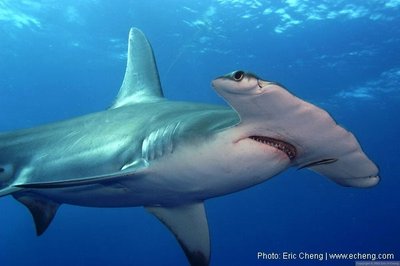
Great Hammerhead (Sphyrna mokarran): Endangered shark species from tropical coastal oceans.
Invertebrate Diversity and Invasiveness
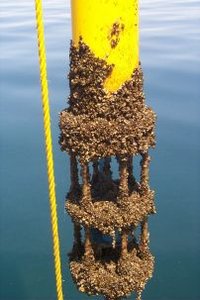
Invertebrates such as mussels and scallops play important ecological and economic roles. Some, like the zebra mussel, are invasive and impact native ecosystems.
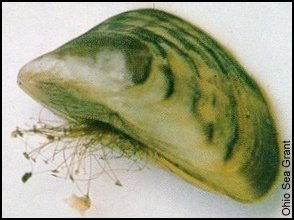
Zebra Mussel (Dreissenia polymorpha): Invasive species in North America, originally from the Black and Caspian Seas.
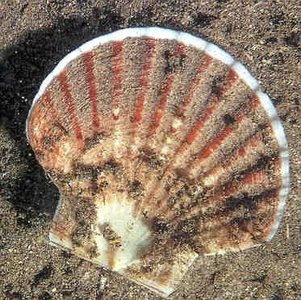
Commercial Scallop (Pecten fumatus): Economically important bivalve from southern Australia.
Parasitism and Symbiosis
Some animals exhibit parasitic or symbiotic relationships, impacting their hosts and ecosystems.
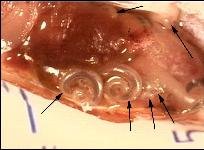
Pentastomids (Tongue Worms): Parasitic organisms found in fish.
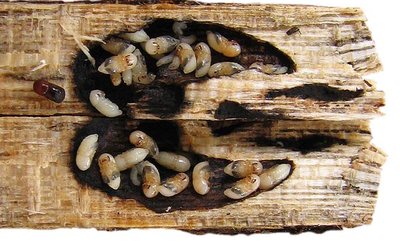
Ambrosia Beetle: Symbiotic relationship with black ambrosia fungi.
Developmental Biology
Animal development includes early embryonic stages, direct and indirect development, and reproductive strategies such as egg-laying and live birth.
Early Developmental Stages: Includes cleavage, gastrulation, and organogenesis.
Direct/Indirect Development: Direct development produces juveniles resembling adults; indirect involves larval stages.
Egg-laying and Live Birth: Oviparous animals lay eggs; viviparous animals give birth to live young.
Body Plans and Phylogeny
Animal body plans are defined by features such as germ layers, symmetry, and coeloms. Phylogenetic trees illustrate evolutionary relationships among major groups.
Sponges and Placozoans: Basal animals with simple body plans.
Eumetazoa: Animals with true tissues, including germ layers (ectoderm, mesoderm, endoderm).
Symmetry: Radial and bilateral symmetry are key features in animal classification.
Coeloms: Body cavities classified as acoelomate, pseudocoelomate, or coelomate.
Protostomes and Deuterostomes
Animals are further classified based on embryonic development into protostomes and deuterostomes, with distinct clades such as Ecdysozoa and Lophotrochozoa.
Deuterostomes: Includes echinoderms and chordates; blastopore becomes anus.
Protostomes: Includes mollusks, annelids, arthropods; blastopore becomes mouth.
Ecdysozoa: Animals that molt their exoskeleton (e.g., arthropods).
Lophotrochozoa: Animals with lophophore or trochophore larva (e.g., mollusks, annelids).
Feeding and Nutrition
Animals obtain energy through ingestion, digestion, assimilation, and respiration. Feeding types and food sources vary widely among taxa.
Ingestion: Intake of food through mouth or specialized structures.
Digestion: Breakdown of food into absorbable nutrients.
Assimilation/Respiration: Utilization of nutrients for energy and growth.
Transport Systems
Animals use various mechanisms for internal transport, including diffusion, gastrovascular cavities, and circulatory systems.
Diffusion: Simple transport in small or thin-bodied animals.
Gastrovascular Cavity: Central cavity for digestion and transport in cnidarians and flatworms.
Circulatory Systems: Open systems (hemolymph in body cavity) and closed systems (blood in vessels).
Gas Exchange
Animals exchange gases with their environment using respiratory surfaces adapted to aquatic or terrestrial habitats.
Respiratory Medium: Air or water as the source of oxygen.
Respiratory Surface: Skin, gills, lungs, or tracheae.
Special Adaptations: Aquatic animals often have gills; terrestrial animals have lungs or tracheal systems.
Homeostasis
Animals regulate internal conditions such as temperature, water balance, and waste excretion to maintain homeostasis.
Temperature Regulation: Poikilotherms (variable temperature) vs. homeotherms (constant temperature); ectotherms vs. endotherms.
Osmoregulation: Regulation of water and solute balance; marine vs. freshwater adaptations.
Excretion: Removal of nitrogenous wastes as ammonia, urea, or uric acid.
Anhydrobiosis: Survival strategy in extreme dehydration.
Nervous Systems
Animals possess a range of nervous system complexity, from nerve nets to centralized brains.
No Nervous System: Sponges lack nervous tissue.
Nerve Nets: Simple, diffuse networks in cnidarians.
Central Nervous Systems: Complex systems in chordates and other advanced animals.
Skeletons
Skeletons provide structural support, protection, and facilitate movement in animals.
Hydrostatic Skeleton: Fluid-filled cavity provides support (e.g., worms).
Exoskeleton: External skeleton (e.g., arthropods).
Endoskeleton: Internal skeleton (e.g., vertebrates).
Additional info: These notes expand on brief points from the original materials, providing academic context and examples for clarity and completeness.
