 Indietro
Tetrapod Diversity: Mammals, Reptiles, and Amphibians
Guida di studio - Note intelligenti
 Appunti personalizzati basati sui tuoi materiali, ampliati con definizioni chiave, esempi e contesto.
Tetrapods: An Overview
Definition and Main Groups
Tetrapods are vertebrates with four limbs, encompassing mammals, reptiles (including birds), and amphibians. This group represents a major evolutionary transition from aquatic to terrestrial life.
Mammals: Characterized by hair/fur and mammary glands.
Reptiles: Includes lizards, snakes, turtles, crocodilians, and birds.
Amphibians: Includes frogs, salamanders, and legless amphibians.
Amniotes are a subset of tetrapods (mammals and reptiles, including birds) that can reproduce and live permanently on dry land due to specialized adaptations.
Mammalian Clades and Phylogeny
Major Mammal Groups
Mammals are divided into three main clades:
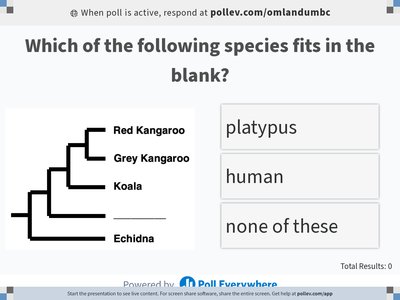
Monotremes: Egg-laying mammals (e.g., platypus, echidna).
Marsupials: Mammals with pouches (e.g., kangaroos, koalas).
Placental Mammals: Mammals with complex placentas (e.g., humans, otters).
Phylogenetic trees are used to illustrate relationships among these groups. No group is considered 'primitive'; all are equally evolved from a common ancestor.
Tetrapod Evolution and Adaptations
Adaptations to Terrestrial Life
Tetrapods evolved several adaptations to thrive on land:
Waterproof Skin: Scaled or keratinized skin prevents desiccation.
Amniotic Egg: Shelled, waterproof eggs allow reproduction away from water.
Internal Fertilization: Ensures successful reproduction in dry environments.
Amniotes (mammals and reptiles) possess all three adaptations, enabling permanent terrestrial life.
Reptile Diversity and Classification
Main Reptile Clades
Reptiles are classified into four main clades:
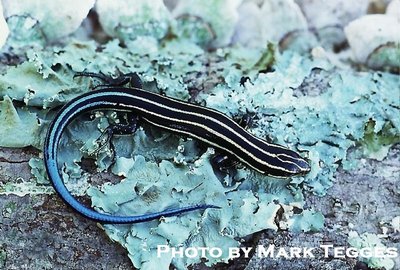
Lizards & Snakes: Diverse group with scaled skin.
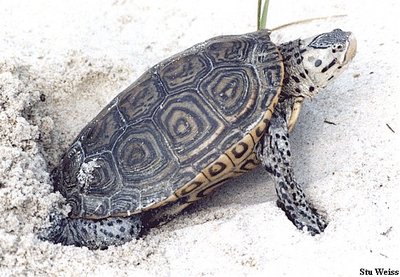
Turtles: Characterized by a bony or cartilaginous shell.
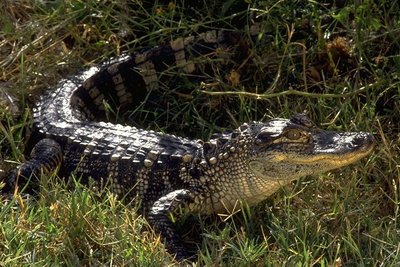
Crocodilians: Includes alligators, crocodiles, and their relatives.
Dinosaurs (including Birds): Birds are classified as theropod dinosaurs.
Modern classification recognizes birds as reptiles due to shared ancestry and characteristics.
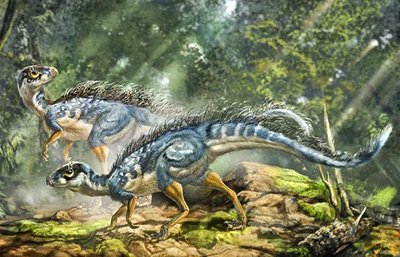
Reptile Adaptations to Dry Land
Scaled Skin: Reduces water loss.
Amniotic Egg: Protects embryo from desiccation.
Internal Fertilization: Adapted for dry environments.
Paraphyly and Modern Classification
Traditional 'scaly reptiles' are paraphyletic, excluding birds. Modern taxonomy uses rank-free, monophyletic groupings, recognizing birds as reptiles.
Amphibian Diversity and Life Cycle
Main Amphibian Clades
Amphibians are divided into three extant clades:
Salamanders: Elongated bodies, tails, moist skin.
Frogs & Toads: Tailless as adults, powerful hind legs.
Legless Amphibians: Caecilians, found in tropical regions.
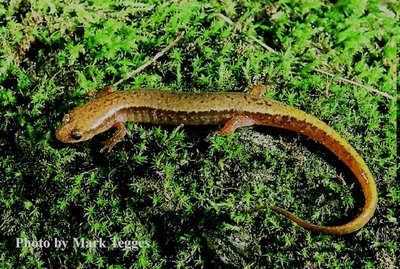
Amphibian Characteristics and Reproduction
Moist Skin: Allows cutaneous respiration.
Life Cycle: Aquatic larval stage (e.g., tadpoles), terrestrial adult stage.
Reproduction: Most species return to water to breed.
Amphibians generally require moist environments for reproduction and development.
Comparing Amphibians and Reptiles
Key Differences
Feature | Amphibians | Reptiles |
|---|---|---|
Skin | Moist, permeable | Dry, scaled |
Eggs | Non-amniotic, laid in water | Amniotic, laid on land |
Life Cycle | Larval aquatic stage | No larval stage |
Habitat | Moist/wet environments | Dry/terrestrial environments |
Phylogenetic Trees and Classification
Monophyletic vs. Paraphyletic Groups
Monophyletic groups include all descendants of a common ancestor. Paraphyletic groups exclude some descendants (e.g., 'reptiles' without birds). Modern classification emphasizes monophyletic clades.
Rank-Free Classification
Instead of traditional taxonomic ranks, modern biology names clades based on evolutionary relationships (e.g., Tetrapods, Mammalia, Primates).
Summary Table: Tetrapod Groups
Group | Main Characteristics | Examples |
|---|---|---|
Mammals | Hair/fur, mammary glands | Human, otter, kangaroo |
Reptiles | Scaled skin, amniotic egg | Lizard, snake, turtle, crocodile, bird |
Amphibians | Moist skin, aquatic larvae | Frog, salamander, caecilian |
Evolutionary Significance of Tetrapods
Colonization of Land
Tetrapods evolved to colonize land for access to new food sources, reduced predation, and decreased competition. Fossil evidence (e.g., Tiktaalik) illustrates the transition from aquatic to terrestrial life.
Key Terms
Tetrapod: Four-limbed vertebrate.
Amniote: Tetrapod with amniotic egg.
Monophyletic: Group containing all descendants of a common ancestor.
Paraphyletic: Group excluding some descendants.
Phylogenetic Tree: Diagram showing evolutionary relationships.
