 Indietro
The Biosphere: An Introduction to Earth's Diverse Environments
Guida di studio - Note intelligenti
 Appunti personalizzati basati sui tuoi materiali, ampliati con definizioni chiave, esempi e contesto.
The Biosphere and Ecology
Introduction to the Biosphere
The biosphere encompasses all regions of Earth inhabited by life, extending from the atmosphere several kilometers above the surface to the depths of the oceans. Human activities have significantly altered the biosphere, both visibly (cities, farms, highways) and invisibly (chemical changes, habitat fragmentation).
What is Ecology?
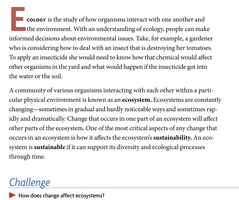
Ecology is the scientific study of the interactions between organisms and their environment. Understanding ecology enables informed decisions about environmental issues, such as the effects of pesticides or habitat changes. Ecologists examine both living (biotic) and nonliving (abiotic) components of ecosystems.
Biotic factors: All living organisms in an area (plants, animals, microbes).
Abiotic factors: Physical and chemical aspects of the environment (temperature, water, sunlight, soil, nutrients).
Example: Applying a pesticide in a garden requires understanding how it affects not only pests but also other organisms and the environment.




Levels of Ecological Organization
Ecological Hierarchy
Ecologists study interactions at several levels of organization:
Organism: Individual living being.
Population: Group of individuals of the same species in a specific area.
Community: Assemblage of populations living close enough for potential interaction.
Ecosystem: Both biotic and abiotic components in an environment.
Landscape: Array of ecosystems visible as distinctive patches.
Biosphere: All of Earth inhabited by life.
Example: Studying a pond ecosystem involves examining fish (organisms), their population, interactions with other species (community), and the physical environment (ecosystem).



Environmental Change and Ecosystem Sustainability
Change in Ecosystems
Ecosystems are dynamic, constantly changing due to gradual or sudden events. Changes in one part of an ecosystem can affect other parts. The sustainability of an ecosystem refers to its ability to support diversity and ecological processes over time.
Human Impact and Environmental Issues
Case Study: Pesticides and Rachel Carson's Silent Spring
In the mid-20th century, chemical pesticides like DDT were widely used. However, concerns arose about their persistence in the environment and effects on wildlife, especially birds of prey. Rachel Carson's book Silent Spring (1962) raised public awareness about the dangers of pesticides, leading to broader environmental concern.
DDT: A pesticide that remains in soil and water, causing long-term ecological harm.
Silent Spring: Documented the negative effects of pesticides, sparking the modern environmental movement.
Abiotic and Biotic Factors in the Biosphere
Physical and Chemical Influences
Organisms must adapt to abiotic factors in their environment, including:
Energy sources: Sunlight for photosynthesis, chemical energy for other organisms.
Temperature: Determines metabolic rates and survival.
Water: Essential for life; availability limits distribution.
Inorganic nutrients: Nitrogen, phosphorus, and other minerals.
Other factors: Oxygen, salinity, pH, and physical structure of habitat.
Adaptation and Evolution
Natural Selection and Environmental Adaptation
Organisms are adapted to their environments through natural selection. Adaptations may be structural, physiological, or behavioral, enhancing fitness in specific habitats. For example, the pronghorn is adapted for speed and endurance in open plains.
Climate and Biome Distribution
Regional Climate Effects
Climate, determined by solar energy, Earth's movement, ocean currents, and landforms, influences the distribution of terrestrial communities. Temperature and precipitation are key factors in defining biomes.
Aquatic Biomes
Marine Zones
Marine biomes are divided into:
Pelagic realm: Open water.
Benthic realm: Seafloor.
Aphotic zone: Insufficient light for photosynthesis.
Photic zone: Sufficient light for photosynthesis; supports phytoplankton and coral reefs.
Intertidal zones, estuaries, and wetlands are areas where ocean meets land or freshwater.

Freshwater Biomes
Freshwater biomes include:
Standing water: Lakes and ponds.
Flowing water: Rivers and streams.
These biomes are influenced by surrounding terrestrial ecosystems.
Terrestrial Biomes
Major Types of Terrestrial Biomes
Terrestrial biomes are classified by predominant vegetation and climate. Nine major types include:
Tropical forests: Near the equator, warm, high biodiversity.
Savannas: Grasslands with scattered trees, warm, seasonal rainfall.
Deserts: Driest biome, low and unpredictable rainfall.
Chaparral: Spiny shrubs, mild winters, hot dry summers, adapted to fire.
Temperate grasslands: Treeless, cold winters, periodic droughts.
Temperate broadleaf forests: Moisture-rich, large trees, distinct seasons.
Coniferous forests (taiga): Evergreen trees, long cold winters.
Tundra: Treeless, permafrost, low precipitation.
Polar ice: Extremely cold, low precipitation, interconnected with marine biome.
The Global Water Cycle
Connecting Biomes
The global water cycle links aquatic and terrestrial biomes through precipitation, evaporation, and transpiration. Living organisms contribute to the water cycle primarily through transpiration.
Case Studies of Ecosystem Change
Examples of Environmental Change
Yellowstone Fires of 1988: Demonstrated the role of fire in ecosystem dynamics.
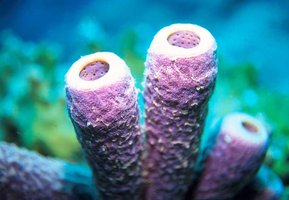
Bleaching of the Reefs: Coral bleaching due to environmental stress.
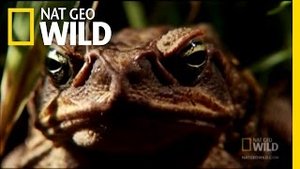
Cane Toads in Australia: Invasive species impacting native ecosystems.
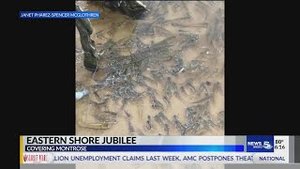
Crab Jubilee: Mass movement of crabs, often triggered by environmental factors.
Summary Table: Levels of Ecological Organization
Level | Description |
|---|---|
Organism | Individual living being |
Population | Group of same species in an area |
Community | All populations in an area |
Ecosystem | Biotic and abiotic components |
Landscape | Array of ecosystems |
Biosphere | All life on Earth |
Key Equations
Photosynthesis:
Water Cycle:
Review Questions
Define and distinguish between the different levels within ecosystems.
Distinguish between the biotic and abiotic components of an ecosystem.
Summarize the subject and impact of Rachel Carson’s influential book Silent Spring.
Describe the abiotic factors that influence life in the biosphere.
Explain how global climate patterns are influenced by solar energy input and the movement of Earth through space.
Describe the characteristics used to define terrestrial biomes.
Explain how all parts of the biosphere are linked by the global water cycle.
