 Indietro
The Cell Cycle and Cellular Reproduction: Chapter 9
Guida di studio - Note intelligenti
 Appunti personalizzati basati sui tuoi materiali, ampliati con definizioni chiave, esempi e contesto.
The Cell Cycle
Overview of the Cell Cycle
The cell cycle is an orderly sequence of events that occurs in eukaryotic cells from one division to the next. It consists of two major stages: Interphase and the Mitotic Stage. Interphase is where the cell spends most of its time, performing normal functions and preparing for division, while the Mitotic Stage includes the processes of mitosis and cytokinesis.
Interphase: Includes G1, S, and G2 phases.
Mitotic Stage: Includes mitosis (nuclear division) and cytokinesis (cytoplasmic division).
Interphase
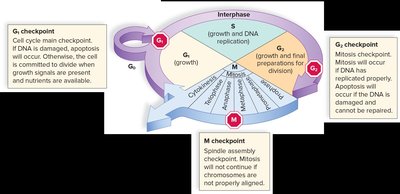
Interphase accounts for approximately 90% of the cell cycle. It is subdivided into three phases:
G1 Phase (Growth 1): The cell recovers from previous division, grows, and synthesizes organelles and materials for DNA replication.
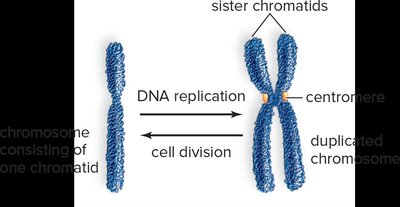
S Phase (Synthesis): DNA replication occurs, resulting in chromosomes with two identical sister chromatids.
G2 Phase (Growth 2): The cell makes final preparations for division, including synthesis of proteins and microtubules necessary for mitosis.
Cell Cycle Checkpoints
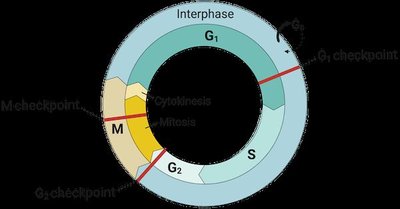
The cell cycle is regulated by checkpoints that ensure proper progression and integrity of the cell's genetic material.
G1 Checkpoint: Assesses DNA integrity; if damaged, apoptosis may occur.
G2 Checkpoint: Ensures DNA has been replicated properly; triggers apoptosis if repair fails.
M Checkpoint: Ensures chromosomes are properly aligned before mitosis proceeds.
Control of the Cell Cycle
Internal and External Signals
The cell cycle is controlled by internal and external signals.
Cyclins: Internal proteins that fluctuate in concentration and regulate progression through checkpoints.
Growth Factors: External signaling proteins received at the plasma membrane that stimulate cell division.
Key Regulatory Proteins
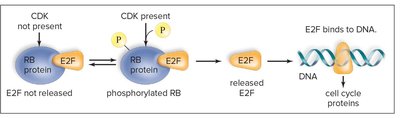
RB Protein: Regulates the cell cycle by controlling the release of E2F, which activates genes for cell cycle progression.
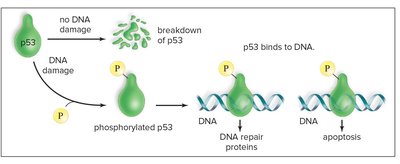
p53 Protein: Responds to DNA damage by activating DNA repair proteins or triggering apoptosis if repair is unsuccessful.
Apoptosis
Programmed Cell Death
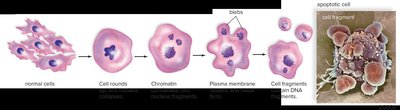
Apoptosis is a controlled process of cell death that decreases cell numbers and removes damaged or abnormal cells. It is triggered by enzymes called caspases and involves a series of cellular events:
Fragmentation of the nucleus
Blistering of the plasma membrane
Engulfment of cell fragments by other cells
The Eukaryotic Chromosome
Chromatin Structure
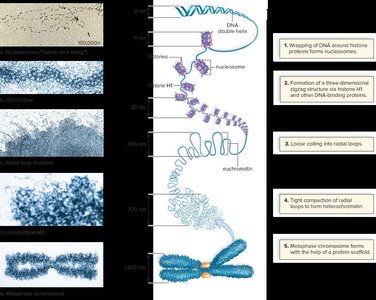
Chromatin is the combination of DNA and histone proteins that allows DNA to be packed into the nucleus.
Euchromatin: Active chromatin, accessible for transcription.
Heterochromatin: Highly compacted, not usually transcribed.
Nucleosome: DNA wound around a core of eight histone molecules.
Chromosome Number
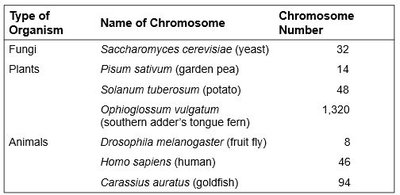
Each species has a characteristic chromosome number.
Diploid (2n): Two sets of chromosomes, one from each parent.
Haploid (n): One set of chromosomes, found in gametes.
Type of Organism | Name of Chromosome | Chromosome Number |
|---|---|---|
Fungi | Saccharomyces cerevisiae (yeast) | 32 |
Plants | Pisum sativum (garden pea) | 14 |
Plants | Solanum tuberosum (potato) | 48 |
Plants | Ophioglossum vulgatum (southern adder's tongue fern) | 1,320 |
Animals | Drosophila melanogaster (fruit fly) | 8 |
Animals | Homo sapiens (human) | 46 |
Animals | Carassius auratus (goldfish) | 94 |
Mitosis and Cytokinesis
Stages of Mitosis
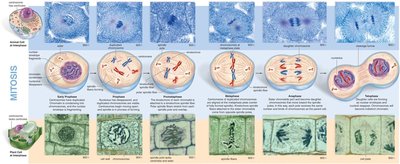
Mitosis is the process of nuclear division, resulting in two genetically identical daughter cells. The stages include:
Prophase: Chromatin condenses, spindle forms, nuclear envelope fragments.
Prometaphase: Kinetochores form and attach to spindle fibers.
Metaphase: Chromosomes align at the metaphase plate.
Anaphase: Sister chromatids separate and move to opposite poles.
Telophase: Nuclear envelopes reform, chromosomes decondense.
Cytokinesis
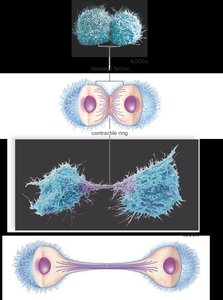
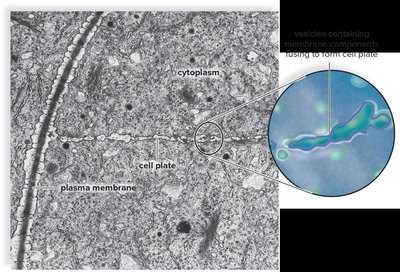
Cytokinesis is the division of the cytoplasm, which follows mitosis.
Animal Cells: Formation of a cleavage furrow by a contractile ring of actin filaments.
Plant Cells: Formation of a cell plate by fusion of vesicles from the Golgi apparatus.
Functions of Mitosis
Mitosis permits growth, repair, and maintenance in multicellular organisms.
Growth of embryos and fetuses
Healing of wounds and broken bones
Stem cell division for tissue renewal
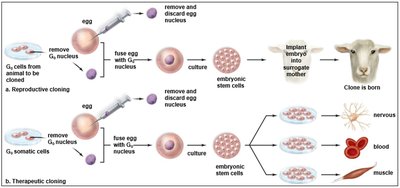
Cloning
Therapeutic Cloning: Produces human tissues from stem cells.
Reproductive Cloning: Produces a new individual from embryonic stem cells.
Cancer Cells
Tumor Formation and Types
A tumor is an abnormal growth of cells.
Benign Tumors: Non-cancerous, encapsulated, do not spread.
Malignant Tumors: Cancerous, not encapsulated, invade tissues, may metastasize.
Characteristics of Cancer Cells
Lack of differentiation
Abnormal nuclei
Do not undergo apoptosis
Loss of contact inhibition
Disorganized, multilayered growth
Metastasis and angiogenesis
Genetic Basis of Cancer
Cancer results from mutations in genes regulating the cell cycle:
Oncogenes: Mutated proto-oncogenes that promote uncontrolled cell division.
Tumor Suppressor Genes: Inhibit cell cycle and promote apoptosis; mutations can accelerate cell division.
Telomerase Gene: Mutations can cause telomeres to lengthen, enabling continuous division.
Prokaryotic Cell Division
Binary Fission
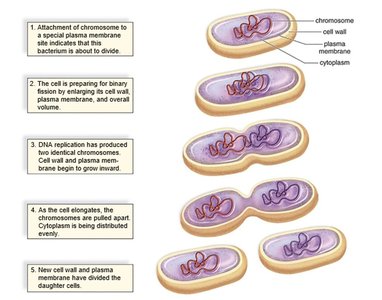
Prokaryotes divide by binary fission, a process that produces two genetically identical daughter cells.
Chromosome is a ring of DNA in the nucleoid region.
DNA is replicated and attached to the plasma membrane.
Cell elongates and divides, distributing chromosomes to daughter cells.
Comparison of Prokaryotic and Eukaryotic Cell Division
Binary Fission: Occurs in prokaryotes, results in asexual reproduction.
Mitosis and Cytokinesis: Occur in eukaryotes, important for development, growth, and repair.
No spindle apparatus in binary fission.
Type of Organism | Cell Division | Function |
|---|---|---|
Prokaryotes (Bacteria and Archaea) | Binary fission | Asexual reproduction |
Eukaryotes (Protists, some fungi) | Mitosis and cytokinesis | Asexual reproduction |
Eukaryotes (Other fungi, plants, animals) | Mitosis and cytokinesis | Development, growth, and repair |
Additional info: These notes expand on the original content by providing definitions, examples, and structured explanations suitable for exam preparation in General Biology.
