 Indietro
The Cell: Structure, Types, and Size in General Biology
Guida di studio - Note intelligenti
 Appunti personalizzati basati sui tuoi materiali, ampliati con definizioni chiave, esempi e contesto.
The Cell
Cell Theory
The cell theory is a fundamental concept in biology, describing the properties and significance of cells. It states:
The cell is the basic unit of life.
All organisms are made of one or more cells.
Cells come from preexisting cells.
This theory forms the basis for understanding biological structure and function at the microscopic level.
Basic Features of All Cells
Regardless of type, all cells share several essential components:
Cell membrane: An outer covering that separates the cell’s interior from its environment.
Cytoplasm: Includes cytosol (a jelly-like substance) and all internal cellular components.
DNA: The cell's genetic material, serving as the blueprint for cellular function.
Ribosomes: Structures responsible for protein synthesis.
Types of Cells
Prokaryotic Cells
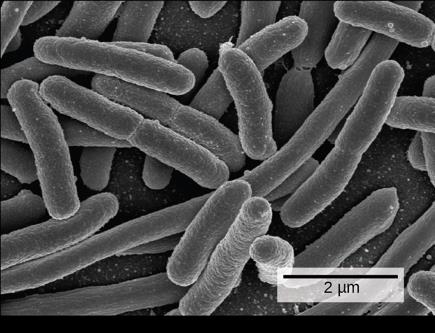
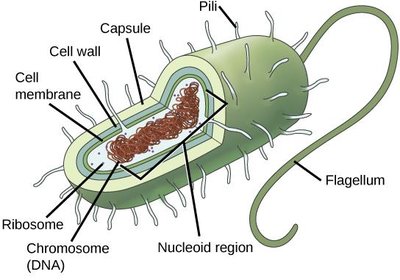
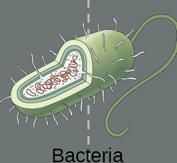
Prokaryotic cells are characterized by their simple structure and lack of membrane-bound organelles. Their DNA is located in a central region called the nucleoid.
No nucleus
No membrane-bound organelles
Domains: Bacteria and Archaea
Mostly unicellular

Eukaryotic Cells
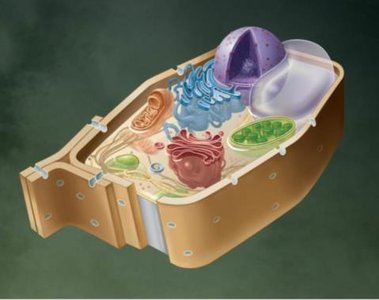
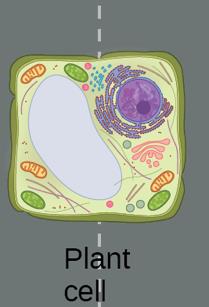
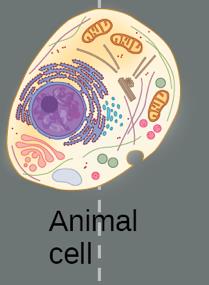
Eukaryotic cells are more complex, containing membrane-bound organelles and a nucleus that houses genetic material. They can be unicellular or multicellular.
Have a nucleus
Contain organelles (e.g., mitochondria, endoplasmic reticulum, Golgi apparatus)
Domain: Eukarya
Larger size
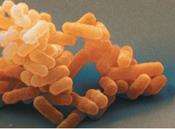
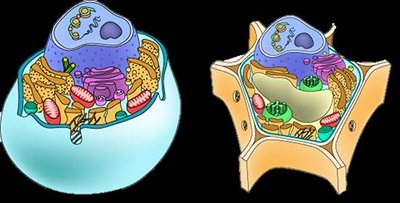
Comparison of Prokaryotic and Eukaryotic Cells
Feature | Prokaryotic Cells | Eukaryotic Cells |
|---|---|---|
Nucleus | No | Yes |
Organelles | No | Yes |
Size | Smaller | Larger |
Domains | Bacteria, Archaea | Eukarya |
DNA Location | Nucleoid | Nucleus |
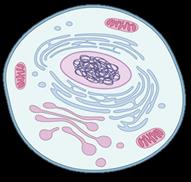
Three Domains of Life
Bacteria
Prokaryotic cells
Mostly unicellular
Archaea
Prokaryotic cells
Mostly unicellular
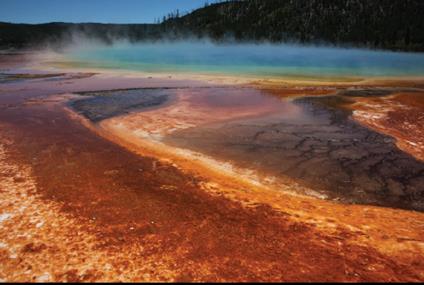
Often live in extreme environments (e.g., salty lakes, hot springs)
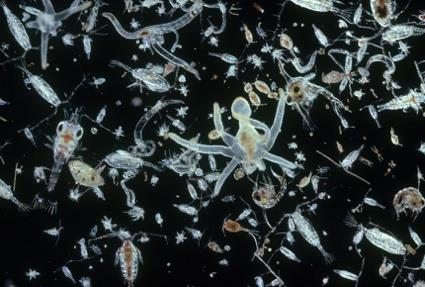
Eukarya
Eukaryotic cells
Unicellular or multicellular


Cell Size
Why Aren't Cells Smaller or Larger?
Cells must be large enough to contain DNA, proteins, and structures needed for survival and reproduction. However, they cannot be too large, as this would hinder efficient exchange with the environment.
Small size allows for a high surface-to-volume ratio, facilitating adequate exchange of materials (e.g., nutrients, waste, gases).
Large cells have a lower surface-to-volume ratio, making diffusion less efficient.
Surface Area to Volume Ratio
The surface area to volume ratio is a critical factor in cell function. It determines how efficiently a cell can exchange substances with its environment.
Surface area (SA) of a cube:
Volume (V) of a cube:
SA:V ratio for a 1 cm cube: , ,
SA:V ratio for a 2 cm cube: , ,
Implications of Surface Area to Volume Ratio
Cells with a larger surface area relative to their volume can exchange materials more efficiently. This is why cells are generally small and why structures like microvilli in the small intestine increase surface area for absorption.
Application: Chewing Food
When food is broken into smaller pieces, the surface area to volume ratio increases, allowing for more efficient digestion and absorption.
Application: Root Hairs in Plants
Root hairs increase the surface area of roots, enhancing water and nutrient uptake.
Review Questions
Organelles are found in what domain(s) of life? A. Archaea B. Bacteria C. Eukarya D. All of the above Correct answer: C. Eukarya
The Cell Theory states: A. All organisms are made of one or more cells. B. The cell is the basic unit of all living things. C. All cells come from existing cells. D. All of the above are correct. E. None of these is correct. Correct answer: D. All of the above are correct.
The diffusion of oxygen to a large cell is ______ efficient compared to a smaller cell, because the larger cell has a _______ surface area to volume ratio. A. More; larger B. More; smaller C. less; larger D. less; smaller Correct answer: D. less; smaller
When you chew a large piece of food into many small pieces, the surface area to volume ratio: A. Decreases B. Stays the same C. Increases D. Disappears Correct answer: C. Increases
Summary Table: Cell Types and Domains
Domain | Cell Type | Key Features |
|---|---|---|
Bacteria | Prokaryotic | No nucleus, no organelles, unicellular |
Archaea | Prokaryotic | No nucleus, no organelles, unicellular, extreme environments |
Eukarya | Eukaryotic | Nucleus, organelles, uni/multicellular |
Key Terms
Cell membrane: The boundary of the cell, controlling entry and exit of substances.
Cytoplasm: The internal fluid and structures of the cell.
DNA: Genetic material found in all cells.
Ribosomes: Sites of protein synthesis.
Nucleus: Membrane-bound compartment in eukaryotic cells containing DNA.
Organelles: Specialized structures within eukaryotic cells.
Surface area to volume ratio: Mathematical relationship important for cell function.
Additional info: Academic context was added to clarify cell theory, cell types, and the importance of surface area to volume ratio. Examples and applications were provided for digestion and plant root function.
