 Indietro
The Chromosomal Basis of Inheritance
Guida di studio - Note intelligenti
 Appunti personalizzati basati sui tuoi materiali, ampliati con definizioni chiave, esempi e contesto.
Chapter 15: The Chromosomal Basis of Inheritance
Introduction
This chapter explores how chromosomes are the physical carriers of genes and how their behavior during meiosis explains Mendel’s laws of inheritance. It also discusses exceptions to Mendelian inheritance, such as sex-linked genes, chromosomal alterations, and non-Mendelian inheritance patterns.
The Relationship Between Genes and Chromosomes
Genes Are Located on Chromosomes
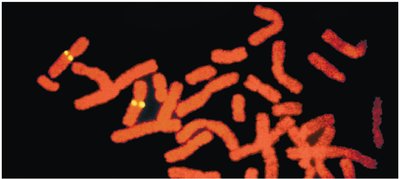
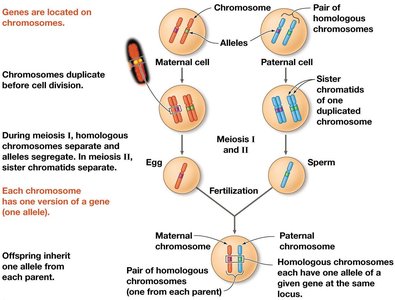
Genes, the units of heredity, are located on chromosomes. Chromosomes are duplicated before cell division, ensuring that each new cell receives a complete set of genetic information.
Chromosomes are structures within cells that contain DNA and protein.
Each chromosome carries many genes, each at a specific locus (location).
During meiosis, homologous chromosomes (one from each parent) separate, and alleles segregate into gametes.
Offspring inherit one allele for each gene from each parent.
The Chromosomal Basis of Mendel’s Laws
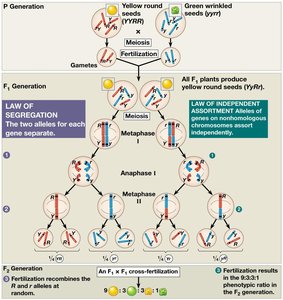
Mendel’s laws of segregation and independent assortment can be explained by the behavior of chromosomes during meiosis.
Law of Segregation: The two alleles for each gene separate during gamete formation.
Law of Independent Assortment: Alleles of genes on nonhomologous chromosomes assort independently during gamete formation.
Fertilization recombines alleles at random, producing genetic diversity.
Morgan’s Experimental System: Fruit Flies
Why Use Drosophila melanogaster?
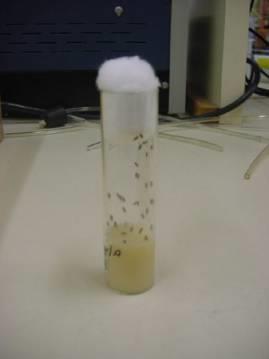
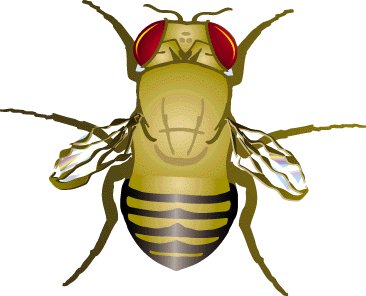
The fruit fly Drosophila melanogaster is a model organism in genetics due to its short generation time, high offspring numbers, and only four pairs of chromosomes.
Easy to maintain in the laboratory.
Visible mutations (e.g., eye color) make genetic studies straightforward.
Morgan’s Discovery of Sex-Linked Inheritance
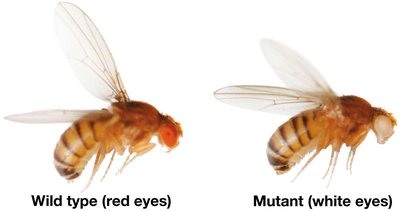
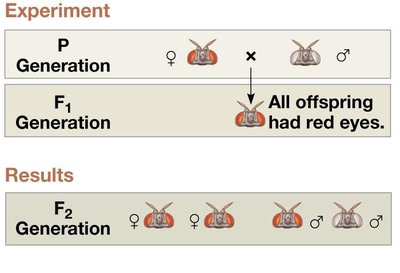
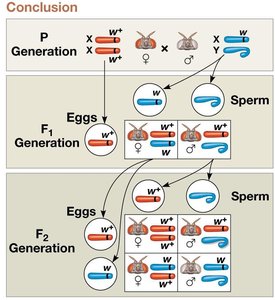
Morgan discovered a mutation affecting eye color in fruit flies, leading to the understanding of sex-linked inheritance.
Wild-type flies have red eyes; mutants can have white eyes.
The gene for eye color is located on the X chromosome.
Sex Chromosomes and Sex-Linked Genes
The Chromosomal Basis of Sex
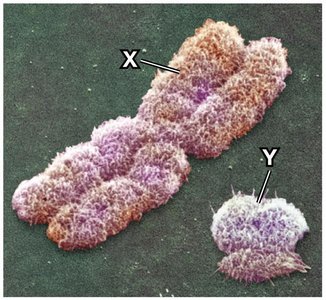
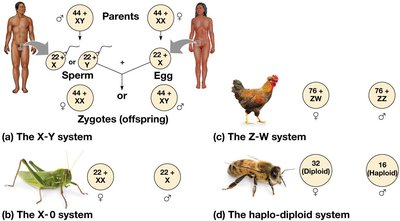
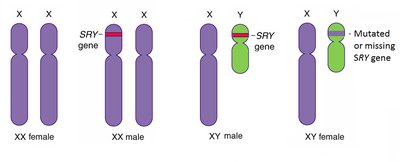
Sex in humans and many other organisms is determined by sex chromosomes: X and Y.
Females: XX
Males: XY
The Y chromosome carries the SRY gene, which triggers male development.
X and Y chromosomes share small homologous regions for pairing during meiosis.
Sex-Linked Genes and Their Inheritance
Genes located on sex chromosomes (especially the X chromosome) show unique inheritance patterns.
Sex-linked gene: A gene located on a sex chromosome.
X-linked genes: Genes on the X chromosome; more common in males due to hemizygosity.
Y-linked genes: Genes on the Y chromosome; only present in males.
Examples of X-linked recessive disorders: color blindness, Duchenne muscular dystrophy, hemophilia.
Genotype | Phenotype |
|---|---|
XNXN or XNXn | Normal female |
XnXn | Affected female |
XNY | Normal male |
XnY | Affected male |
X Inactivation in Female Mammals
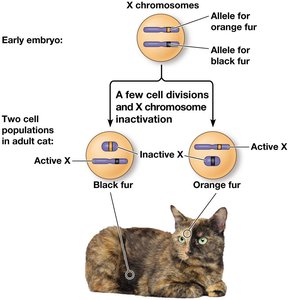
In female mammals, one X chromosome in each cell is randomly inactivated during early development, forming a Barr body. This leads to mosaic expression of X-linked genes, as seen in tortoiseshell cats.
Random X inactivation ensures dosage compensation between males and females.
Heterozygous females can show mosaic phenotypes.
Linked Genes and Genetic Recombination
Linked Genes
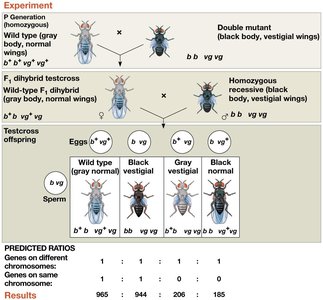
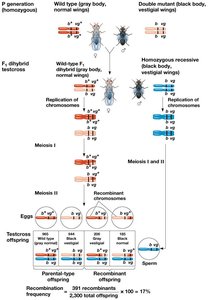
Genes located close together on the same chromosome tend to be inherited together and are called linked genes.
Linkage reduces the frequency of recombinant offspring.
The closer two genes are, the lower the chance of crossing over between them.
Genetic Recombination
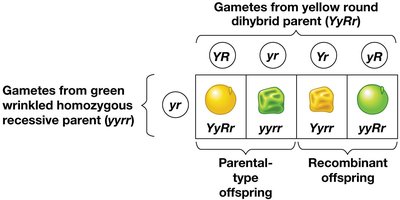
Crossing over during prophase I of meiosis can separate linked genes, producing recombinant gametes and offspring. For unlinked genes, independent assortment results in about 50% recombinant offspring.
Parental types: Offspring with the same allele combinations as the parents.
Recombinant types: Offspring with new allele combinations due to crossing over.
Alterations of Chromosome Number or Structure
Nondisjunction and Aneuploidy
Nondisjunction occurs when chromosomes fail to separate properly during meiosis, leading to gametes with abnormal chromosome numbers (aneuploidy).
Trisomy (2n+1): Three copies of a chromosome (e.g., Down syndrome, trisomy 21).
Monosomy (2n-1): One copy of a chromosome.
Risk of aneuploidy increases with maternal age.
Polyploidy
Polyploidy is the presence of more than two complete sets of chromosomes. It is common in plants but rare in animals.
Triploidy (3n): Three sets of chromosomes.
Tetraploidy (4n): Four sets of chromosomes.
Polyploids are often more normal in appearance than aneuploids.
Alterations of Chromosome Structure
Structural changes in chromosomes can include:
Deletion: Loss of a chromosome segment.
Duplication: Repetition of a chromosome segment.
Inversion: Reversal of a chromosome segment.
Translocation: Movement of a segment to a nonhomologous chromosome.
Exceptions to Standard Mendelian Inheritance
Genomic Imprinting
In genomic imprinting, the expression of an allele depends on whether it is inherited from the mother or the father. One parental allele is silenced, and the other is expressed.
Example: The Igf2 gene in mice is only expressed if inherited from the father.
Organelle Inheritance
Some genes are located in organelles such as mitochondria and chloroplasts, which are inherited maternally in most animals. This leads to non-Mendelian inheritance patterns.
Mitochondrial DNA is inherited almost exclusively from the mother.
Chloroplast DNA in plants can also show maternal inheritance.
Summary Table: Key Concepts in Chromosomal Inheritance
Concept | Description |
|---|---|
Chromosomal Basis | Genes are located on chromosomes; meiosis explains Mendel’s laws |
Sex-linked Genes | Inheritance depends on sex chromosomes (X, Y) |
Linked Genes | Genes on the same chromosome tend to be inherited together; crossing over can separate them |
Chromosome Alterations | Nondisjunction, aneuploidy, polyploidy, and structural changes (deletion, duplication, inversion, translocation) |
Non-Mendelian Exceptions | Genomic imprinting and organelle inheritance |
