 Indietro
The Colonization of Land: Evolution and Adaptations of Plants and Fungi
Guida di studio - Note intelligenti
 Appunti personalizzati basati sui tuoi materiali, ampliati con definizioni chiave, esempi e contesto.
The Colonization of Land
Major Developments in the Colonization of Land
The transition of life from aquatic to terrestrial environments was a pivotal event in Earth's history. Plants and fungi played essential roles in this process, developing adaptations that allowed them to thrive on land and shape terrestrial ecosystems.
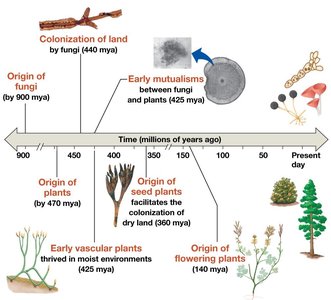
Plants colonized land >470 million years ago (mya): Fossil evidence shows that plants, fungi, and animals began to colonize land within the last 500 million years.
Mutualistic relationships: Early plants and fungi formed partnerships, with fungi breaking down organic material and releasing nutrients, while plants supplied oxygen and food.
Lineage divergence: Despite close interactions, plants and fungi are not closely related; their lineages diverged over 1.2 billion years ago.
Origins and Evolutionary Relationships
Understanding the evolutionary relationships among plants, fungi, and animals helps clarify their distinct adaptations for terrestrial life.
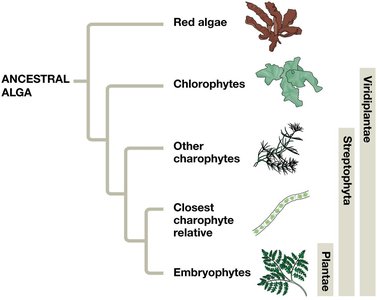
Green algae (charophytes) are the closest relatives of land plants.
Plants are multicellular, eukaryotic, photosynthetic autotrophs with cell walls made of cellulose and chloroplasts containing chlorophylls a and b.
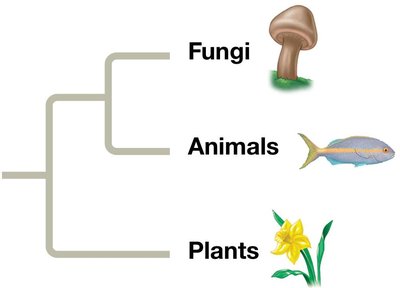
Fungi diverged from animals more recently than from plants.
Adaptations for Terrestrial Life
Plants and fungi developed several key adaptations to survive and thrive in terrestrial environments, including mechanisms to prevent desiccation and structural support.
Sporopollenin: A polymer that protects zygotes and spores from drying out.
Cuticle: A waxy coating that prevents water loss and microbial attack.
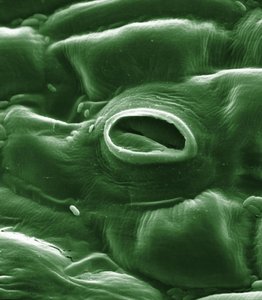
Stomata: Pores that enable gas exchange and can close to reduce water loss.
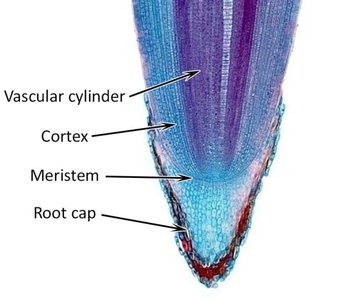
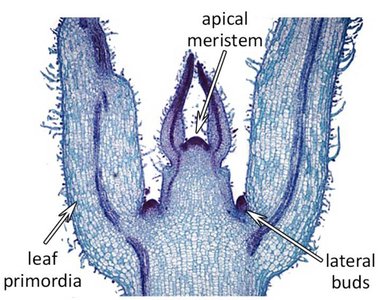
Apical meristems: Localized regions of cell division at the tips of roots and shoots, enabling growth and elongation.
Derived Traits of Land Plants
Land plants possess several derived traits not found in their algal ancestors, which are crucial for their life cycles and survival on land.
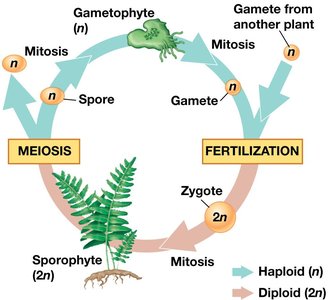
Alternation of generations: Life cycle alternates between multicellular haploid gametophyte and diploid sporophyte generations.
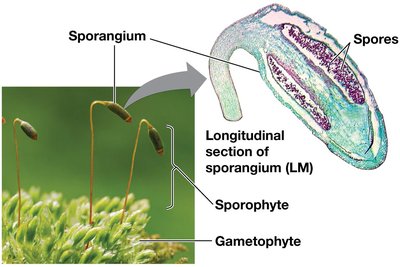
Walled spores produced in sporangia: Sporangia are multicellular organs that produce spores with tough walls.
Apical meristems: Enable continuous growth at root and shoot tips.
Fungi and Their Role in Colonization
Fungal Adaptations and Morphology
Fungi are heterotrophs that absorb nutrients from their surroundings. Their body structure and adaptations are well-suited for terrestrial environments.
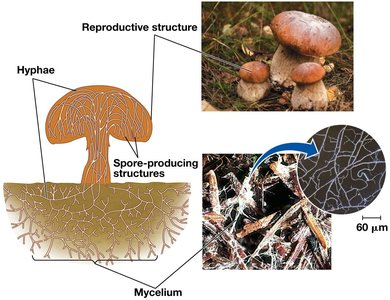
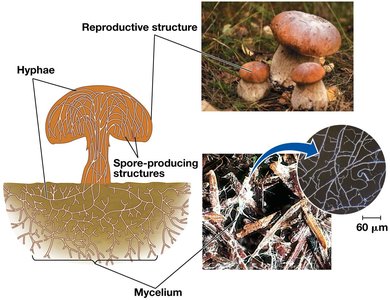
Hyphae: Branched filaments adapted for absorption.
Mycelium: Interwoven mass of hyphae maximizing surface-to-volume ratio for efficient absorption.
Chitin: Strong polysaccharide in fungal cell walls, providing rigidity and protection.
Mycorrhizal Relationships
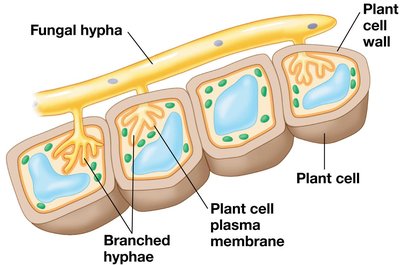
Fungi form mutually beneficial relationships with plant roots, known as mycorrhizae, which played a key role in the colonization of land.
Arbuscular mycorrhizal fungi: Extend hyphae into root cell walls but do not penetrate the plasma membrane.
Ectomycorrhizal fungi: Grow around the root surface and into extracellular spaces of the root cortex.
Benefits: Fungi transfer nutrients from soil to plants, while plants provide carbohydrates to fungi.
Early Plant Lineages and Adaptations
Bryophytes: Non-Vascular Plants
Bryophytes are small, herbaceous plants that lack vascular tissue and are limited to moist environments.
Rhizoids: Root-like structures that anchor bryophytes but do not transport water or minerals.
Gametophyte-dominant life cycle: Gametophytes are larger and longer-lived than sporophytes.
Flagellated sperm: Require water for fertilization, limiting bryophytes to moist habitats.
Seedless Vascular Plants
Vascular plants possess specialized tissues for water and nutrient transport, allowing them to grow tall and dominate terrestrial environments.
Xylem: Transports water and minerals; cells are dead and strengthened by lignin.
Phloem: Transports organic products; cells are alive.
Lignified tissue: Provides structural support for tall growth.
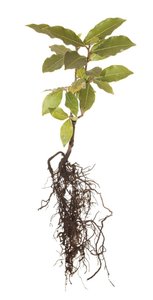
Roots and leaves: Roots absorb water and nutrients; leaves are primary photosynthetic organs.
Microphylls and megaphylls: Microphylls are small leaves with a single strand of vascular tissue; megaphylls are large leaves with branched vascular systems.
Seed Plants: Gymnosperms and Angiosperms
Seed plants evolved adaptations for reproduction and dispersal that allowed them to colonize diverse terrestrial habitats.
Seeds: Embryo and food supply inside a protective coat; can remain dormant and disperse long distances.
Pollen: Male gametophyte surrounded by a protective wall; enables fertilization without water.
Gymnosperms: "Naked" seeds not enclosed in chambers.
Angiosperms: Seeds develop inside chambers called ovaries; produce flowers and fruits for reproduction and dispersal.
Angiosperm Diversity
Angiosperms are the most widespread and diverse group of plants, with specialized reproductive structures and mechanisms for seed dispersal.
Flowers: Specialized shoots with modified leaves forming floral organs (sepals, petals, stamens, carpels).
Fruits: Mature ovary walls that protect seeds and aid dispersal.
Monocots and eudicots: Most recently diverged lineages, distinguished by the number of cotyledons at germination.
Summary Table: Key Adaptations in Plant Evolution
Adaptation | Function | Group |
|---|---|---|
Sporopollenin | Protects spores/zygotes from desiccation | Charophytes, land plants |
Cuticle | Prevents water loss | Land plants |
Stomata | Gas exchange, water regulation | Land plants |
Vascular tissue | Transport of water/nutrients | Vascular plants |
Seeds | Protection, dispersal, dormancy | Seed plants |
Flowers/Fruits | Reproduction, seed dispersal | Angiosperms |
Evolutionary Timeline of Land Colonization
Phylogenetic Relationships and Lineages
Summary
The colonization of land by plants and fungi was enabled by a series of evolutionary innovations, including mutualistic relationships, structural adaptations, and reproductive strategies. These developments led to the diversification of terrestrial life and the formation of complex ecosystems.
