 Indietro
The Endomembrane System and Cell Structure in Eukaryotes
Guida di studio - Note intelligenti
 Appunti personalizzati basati sui tuoi materiali, ampliati con definizioni chiave, esempi e contesto.
The Structure and Function of Eukaryotic Cells
Overview of Animal and Plant Cells
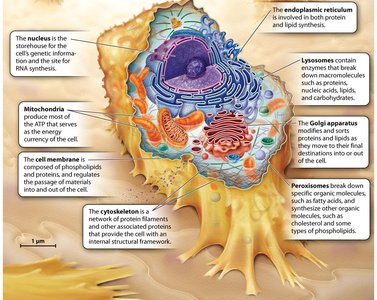
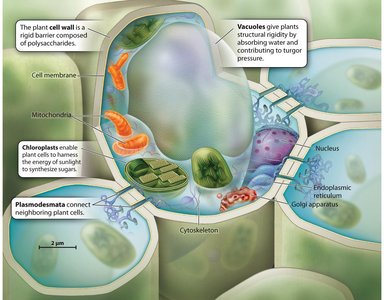
Eukaryotic cells are complex structures containing various membrane-bound organelles, each with specialized functions. Animal and plant cells share many organelles, but also have unique features that reflect their physiological roles.
Nucleus: Stores genetic information and is the site for RNA synthesis.
Endoplasmic Reticulum (ER): Involved in protein and lipid synthesis.
Golgi Apparatus: Modifies, sorts, and packages proteins and lipids.
Lysosomes: Degrade macromolecules and cellular debris.
Mitochondria: Produce ATP, the cell’s energy currency.
Cytoskeleton: Provides structural support and facilitates movement.
Cell Membrane: Regulates the movement of substances in and out of the cell.
Plant Cell Unique Features: Cell wall, chloroplasts, large central vacuole, plasmodesmata.
The Endomembrane System
Definition and Components
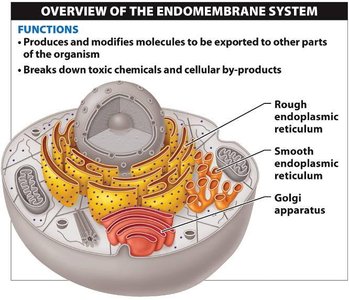
The endomembrane system is a network of membranes within eukaryotic cells that divides the cell into functional and structural compartments. It includes the nuclear envelope, endoplasmic reticulum, Golgi apparatus, lysosomes, vesicles, and the plasma membrane.
Function: Synthesis, modification, and transport of proteins and lipids; detoxification of harmful substances.
Vesicles: Small, membrane-bound sacs that transport materials between organelles.
Vesicle Transport and Membrane Dynamics
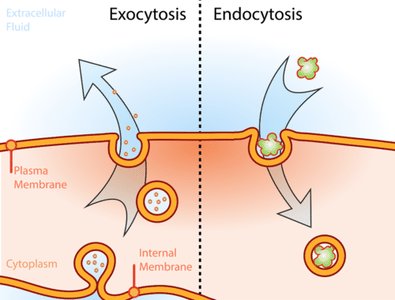
Vesicles form by budding from one organelle, carrying membrane and contents, and fuse with another organelle or the plasma membrane. This process allows for the targeted delivery of molecules and the maintenance of compartment identity.
Exocytosis: Vesicles fuse with the plasma membrane to release contents outside the cell.
Endocytosis: The plasma membrane engulfs external material, forming a vesicle inside the cell.
Major Organelles of the Endomembrane System
The Nuclear Envelope
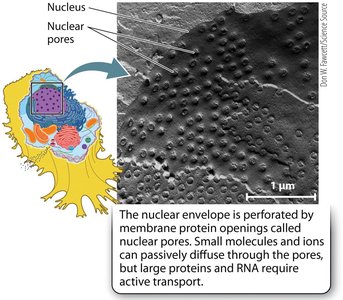
The nuclear envelope is a double membrane that surrounds the nucleus, separating it from the cytoplasm. It contains nuclear pores that regulate the movement of molecules between the nucleus and cytoplasm.
Nuclear Pores: Allow passive diffusion of small molecules and ions; large molecules require active transport.
Endoplasmic Reticulum (ER)
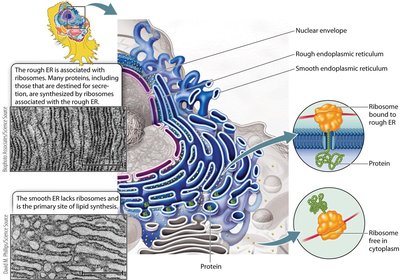
The ER is a network of membranes continuous with the nuclear envelope. It exists in two forms: rough ER (with ribosomes) and smooth ER (without ribosomes).
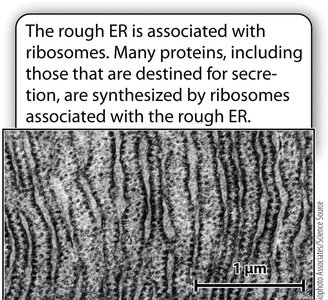
Rough ER: Studded with ribosomes; site of protein synthesis for secretion and membrane insertion.
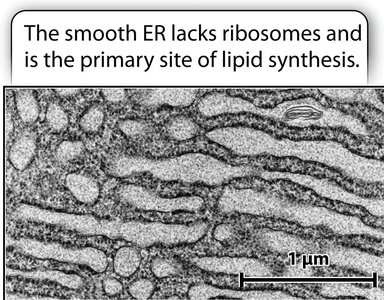
Smooth ER: Lacks ribosomes; involved in lipid and steroid synthesis, detoxification, and calcium storage.
Golgi Apparatus
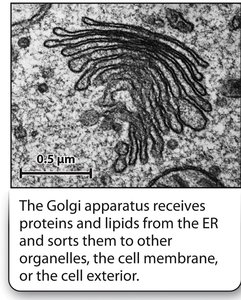
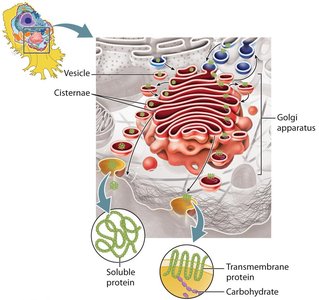
The Golgi apparatus is a series of flattened sacs (cisternae) that modifies, sorts, and packages proteins and lipids from the ER. It is also involved in the synthesis of carbohydrates.
Modification: Enzymes in the Golgi chemically modify proteins and lipids in a stepwise manner.
Sorting: Directs proteins and lipids to their correct destinations within or outside the cell.
Lysosomes
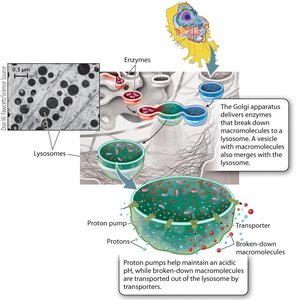
Lysosomes are specialized vesicles containing hydrolytic enzymes that degrade macromolecules, old organelles, and pathogens. They maintain an acidic pH (around 5) for optimal enzyme activity.
Origin: Derived from the Golgi apparatus.
Function: Intracellular digestion and recycling of cellular components.
Plant Cells: Most plant cells lack lysosomes; similar functions are performed by the vacuole.
Organelles Not Part of the Endomembrane System
Mitochondria and Chloroplasts
Mitochondria and chloroplasts are energy-converting organelles that contain their own DNA and replicate independently of the cell. Mitochondria are found in all eukaryotes, while chloroplasts are unique to plants and algae.
Mitochondria: Convert chemical energy from food into ATP via cellular respiration.
Chloroplasts: Capture sunlight energy to synthesize sugars through photosynthesis.
The Cytoskeleton
Structure and Function
The cytoskeleton is a dynamic network of protein filaments that provides structural support, maintains cell shape, and enables movement of the cell and its components.
Microtubules: Hollow tubes made of tubulin; involved in cell shape, organelle movement, and cell division.
Microfilaments: Thin filaments composed of actin; support the cell membrane and are involved in cell movement.
Intermediate Filaments: Provide mechanical strength; composed of various proteins depending on cell type (e.g., keratins, vimentins).
Dynamic Nature of Microtubules and Microfilaments
Microtubules and microfilaments are dynamic structures that can rapidly grow and shrink, allowing the cell to change shape, move, and divide. Growth occurs more rapidly at the plus ends, and microtubules are essential for processes such as mitosis and intracellular transport.
Specialized Structures: Cilia and Flagella
Cilia and flagella are composed of microtubules and are responsible for movement in certain cells. They are anchored in the cell by basal bodies and move in coordinated patterns to propel cells or move substances along cell surfaces.
Summary Table: Major Eukaryotic Cell Organelles and Their Functions
Organelle | Main Function | Present in |
|---|---|---|
Nucleus | Stores genetic material, site of RNA synthesis | All eukaryotes |
Rough ER | Protein synthesis (with ribosomes) | All eukaryotes |
Smooth ER | Lipid and steroid synthesis, detoxification | All eukaryotes |
Golgi Apparatus | Modification, sorting, and packaging of proteins/lipids | All eukaryotes |
Lysosome | Digestion of macromolecules | Most animals, rare in plants |
Mitochondria | ATP production | All eukaryotes |
Chloroplast | Photosynthesis | Plants, algae |
Vacuole | Storage, structural support | Plants, fungi |
Cytoskeleton | Structural support, movement | All eukaryotes |
