 Indietro
Chapter 26
Guida di studio - Note intelligenti
 Appunti personalizzati basati sui tuoi materiali, ampliati con definizioni chiave, esempi e contesto.
The Colonization of Land by Plants
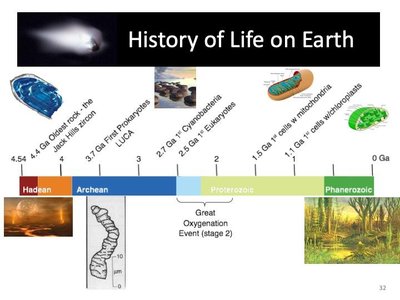
History of Life on Earth
The colonization of land by plants was a major event in Earth's history, transforming terrestrial environments and enabling the development of complex ecosystems. Early life on Earth was aquatic, with land remaining lifeless for billions of years until plants, fungi, and animals began to move onto land.
Cyanobacteria and protists likely existed on land about 1.2 billion years ago.
Plants, fungi, and animals colonized land within the last 500 million years.
The first forests formed about 385 million years ago.
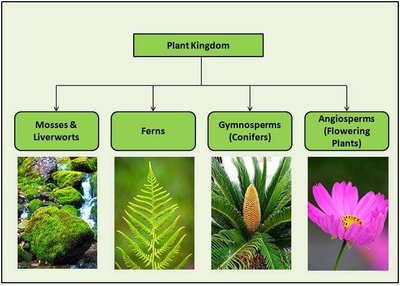
Plant Kingdom Overview
Major Groups of Plants
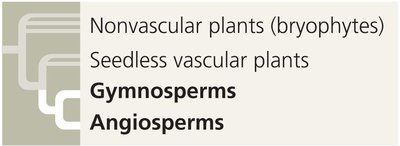
Plants are classified into several major groups based on their evolutionary history and structural features. These groups include mosses and liverworts, ferns, gymnosperms, and angiosperms.
Mosses & Liverworts: Nonvascular plants (bryophytes)
Ferns: Seedless vascular plants
Gymnosperms: Seed plants with "naked" seeds (conifers)
Angiosperms: Flowering plants with seeds enclosed in ovaries
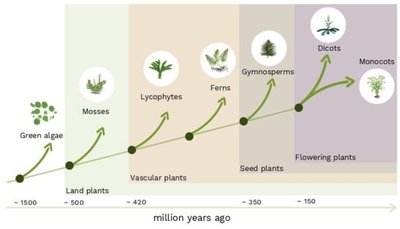
Evolutionary Timeline of Plants
Key Events in Plant Evolution
The evolution of plants involved several key adaptations that allowed them to thrive on land. These adaptations include the development of vascular tissue, seeds, and flowers.
Green algae are the closest relatives of land plants.
Land plants appeared about 470 million years ago.
Vascular plants evolved about 420 million years ago.
Seed plants (gymnosperms and angiosperms) evolved about 350 million years ago.
Flowering plants (angiosperms) diversified about 150 million years ago.
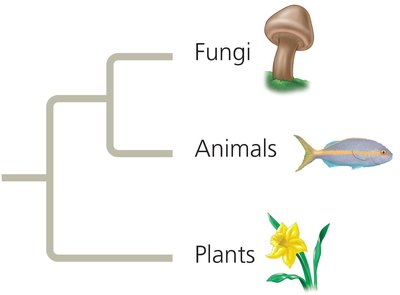
Relationships Among Plants, Fungi, and Animals
Phylogenetic Relationships
Although fungi and plants both colonized land early, fungi are more closely related to animals than to plants. Fungi and plants often form symbiotic relationships, such as mycorrhizae, which enhance nutrient uptake.
Fungi break down organic material and make nutrients available to plants.
Plants supply oxygen and are the ultimate source of most food eaten by land animals.
Algal Ancestry and Plant Adaptations
Charophytes and Land Plant Traits
Land plants share several traits with green algae called charophytes, but also possess unique adaptations for terrestrial life.
Multicellular, eukaryotic, photosynthetic autotrophs with cell walls made of cellulose and chloroplasts containing chlorophyll a and b.
Key adaptations for land include alternation of generations, multicellular dependent embryos, walled spores in sporangia, and apical meristems.
Alternation of Generations
Plant Life Cycles
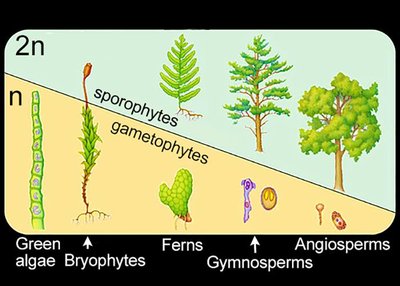
Plants exhibit alternation of generations, a life cycle that alternates between multicellular haploid (gametophyte) and diploid (sporophyte) stages.
Gametophyte: Haploid, produces gametes by mitosis.
Sporophyte: Diploid, produces spores by meiosis.
Fusion of gametes produces a diploid sporophyte.
Plant Evolution and Classification
Major Lineages and Their Features
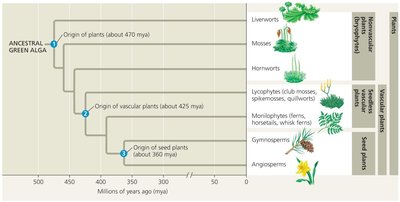
Plants are classified based on the presence or absence of vascular tissue and seeds. The main lineages include bryophytes, seedless vascular plants, gymnosperms, and angiosperms.
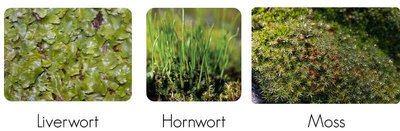
Bryophytes: Nonvascular, include liverworts, mosses, and hornworts.
Seedless vascular plants: Include lycophytes and ferns.
Gymnosperms: Seed plants with naked seeds.
Angiosperms: Seed plants with flowers and fruits.
Bryophytes: Basal Land Plants
Characteristics and Examples
Bryophytes are small, nonvascular plants that include liverworts, mosses, and hornworts. They are limited to moist environments due to their reproductive requirements.
Rhizoids: Root-like structures for anchorage, not water transport.
Gametophyte-dominant: Gametophytes are larger and longer-lived than sporophytes.
Flagellated sperm: Require water for fertilization.
Seedless Vascular Plants
Structure and Evolution
Seedless vascular plants, such as ferns and lycophytes, were the first plants to grow tall due to the development of vascular tissue.
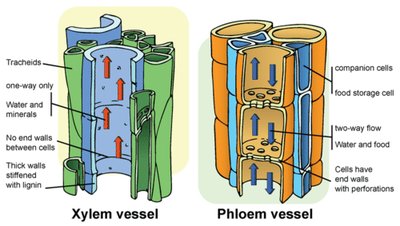
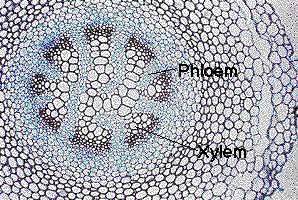
Xylem: Conducts water and minerals; strengthened by lignin.
Phloem: Distributes sugars, amino acids, and organic products.
Roots: Anchor plants and absorb water/nutrients.
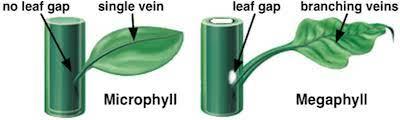
Leaves: Primary photosynthetic organs; microphylls (single vein) and megaphylls (branched veins).
Seed Plants: Gymnosperms and Angiosperms
Adaptations for Terrestrial Life
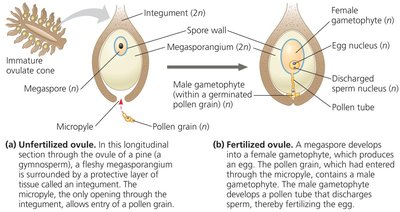
Seed plants evolved key adaptations such as seeds, pollen, reduced gametophytes, and ovules, allowing them to colonize diverse terrestrial habitats.
Seeds: Embryo and food supply in a protective coat; can remain dormant.
Pollen: Male gametophyte; enables fertilization without water.
Ovules: Female gametophyte surrounded by protective tissue.
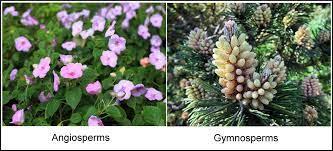
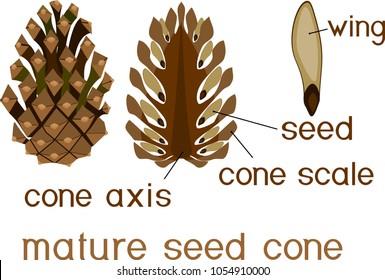
Gymnosperms: Naked seeds, often in cones.
Angiosperms: Seeds enclosed in ovaries; produce flowers and fruits.
Flowers and Fruits in Angiosperms
Structure and Function
Angiosperms are distinguished by their reproductive structures: flowers and fruits. Flowers facilitate pollination, while fruits protect seeds and aid in their dispersal.
Floral organs: Sepals, petals, stamens (produce pollen), carpels (produce ovules).
Stamen: Filament and anther (pollen production).
Carpel: Ovary (contains ovules), style, stigma (receives pollen).
Fruit: Mature ovary; protects seeds and aids dispersal.
Examples: Pea pod is a fruit; peas are seeds.
*Additional info: Angiosperms are the most diverse group of plants, comprising about 90% of all plant species.*
