 Indietro
The Evolution of Populations: Mechanisms, Genetic Variation, and Hardy-Weinberg Equilibrium
Guida di studio - Note intelligenti
 Appunti personalizzati basati sui tuoi materiali, ampliati con definizioni chiave, esempi e contesto.
The Evolution of Populations
Introduction to Microevolution
Microevolution refers to changes in allele frequencies within a population over generations. It is a fundamental process in evolutionary biology, acting on populations rather than individuals. Three primary mechanisms drive microevolution: natural selection, genetic drift, and gene flow. Among these, only natural selection consistently leads to adaptive evolution, where beneficial traits become more common.
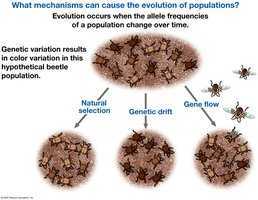
Natural Selection: Favors traits that enhance survival and reproduction.
Genetic Drift: Random changes in allele frequencies, especially significant in small populations.
Gene Flow: Movement of alleles between populations, often reducing genetic differences.
Genetic Variation
Genetic variation is essential for evolution, providing the raw material for natural selection. Variation arises from differences in genes and other DNA sequences among individuals. Phenotypic variation often reflects underlying genetic differences, but environmental factors also play a role.
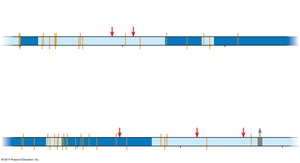
Mutation: The ultimate source of allelic variation. Most mutations are deleterious, but some are neutral or beneficial. Only mutations in gamete-producing cells are heritable.
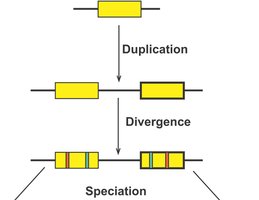
Gene Duplication: Can lead to new functions and speciation.
Rapid Reproduction: Increases the rate at which mutations and genetic variation arise.
Sexual Reproduction: Shuffles alleles, creating new combinations.
Phenotypic Variation and Environmental Influence
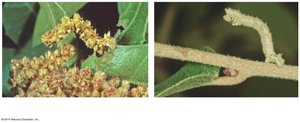
The phenotype is determined by both inherited genotype and environmental influences. Heritable variation is crucial for evolution, as only traits passed to offspring can be acted upon by natural selection.
Example: Caterpillars raised on different diets exhibit distinct phenotypes, demonstrating environmental influence.
Measuring Genetic Variation
Genetic variation can be quantified at the molecular level, such as nucleotide variability. However, not all nucleotide variation results in observable phenotypic differences.
The Hardy-Weinberg Principle
Gene Pools and Allele Frequencies
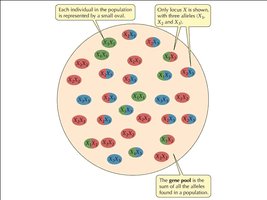
A population is a localized group of interbreeding individuals. The gene pool consists of all alleles at all loci in the population. Allele frequency is the proportion of a specific allele among all alleles for a gene.
Calculating Allele Frequencies
Allele frequencies are calculated using the formula:
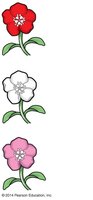
For example, in a population of wildflowers with two alleles (CR and CW):
(CR)
(CW)
Hardy-Weinberg Equilibrium
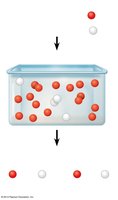
The Hardy-Weinberg principle states that allele and genotype frequencies remain constant from generation to generation in the absence of evolutionary forces. The equilibrium equation is:
Where:
= frequency of homozygote for allele 1
= frequency of homozygote for allele 2
= frequency of heterozygote
Conditions for Hardy-Weinberg Equilibrium
For a population to be in Hardy-Weinberg equilibrium, five conditions must be met:
No mutations
Random mating
No natural selection
Extremely large population size
No gene flow
These conditions are rarely met in nature, so most populations evolve.
Mechanisms of Microevolution
Genetic Drift
Genetic drift is the random fluctuation of allele frequencies, especially impactful in small populations. It can lead to loss of genetic variation and fixation of harmful alleles.
Founder Effect: Occurs when a few individuals establish a new population, leading to reduced genetic diversity.
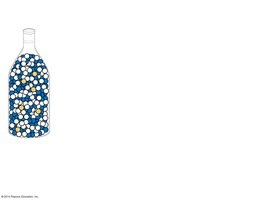
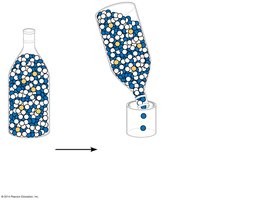
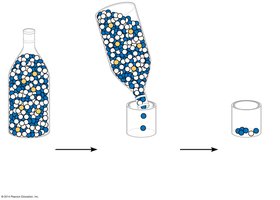
Bottleneck Effect: Results from a drastic reduction in population size, causing a non-representative gene pool.
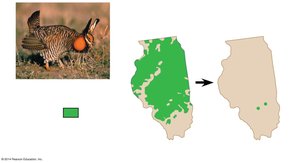
Case Study: Greater Prairie Chicken
The impact of genetic drift is illustrated by the decline in genetic diversity and hatching success in the greater prairie chicken population following a bottleneck event.

Gene Flow
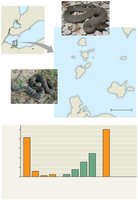
Gene flow is the movement of alleles between populations, often through migration or dispersal of gametes. It tends to reduce genetic differences among populations and can affect local adaptation.
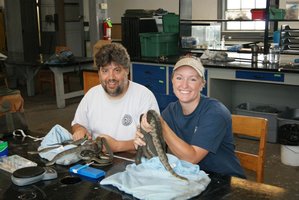
Example: Lake Erie water snakes show different banding patterns on mainland and islands due to gene flow and local selection.
Natural Selection
Natural selection is the only mechanism that consistently leads to adaptive evolution. It increases the frequency of alleles that improve fitness. Selection acts directly on phenotypes, indirectly favoring certain genotypes.
Relative Fitness: The contribution of an individual to the next generation's gene pool, relative to others.
Modes of Natural Selection
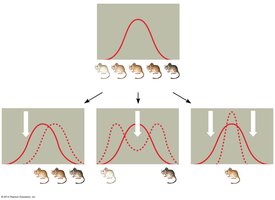
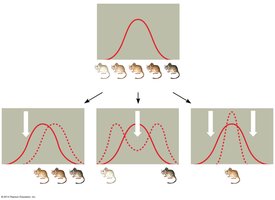
There are three main modes of natural selection:
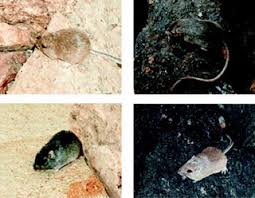
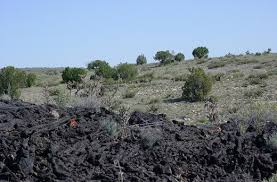
Directional Selection: Favors individuals at one extreme of the phenotypic range.
Disruptive Selection: Favors individuals at both extremes.
Stabilizing Selection: Favors intermediate variants, reducing extremes.
Sexual Selection
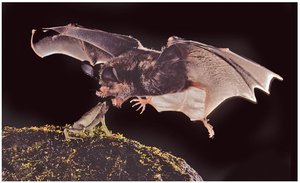
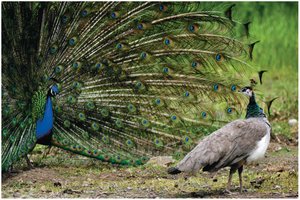
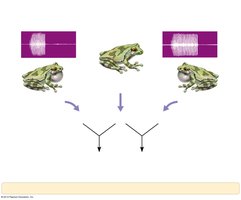
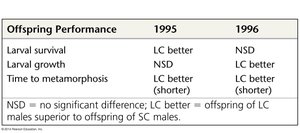
Sexual selection is a form of natural selection for mating success. It can result in sexual dimorphism and involves two types:
Intrasexual Selection: Competition among individuals of one sex for mates.
Intersexual Selection: Mate choice, often by females.
Preservation of Genetic Variation
Neutral Variation and Balancing Selection
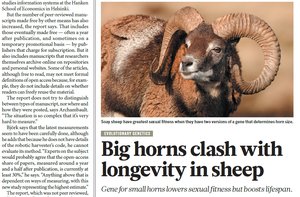
Genetic variation is preserved through mechanisms such as diploidy, heterozygote advantage, and frequency-dependent selection.
Diploidy: Heterozygotes can carry recessive alleles hidden from selection.
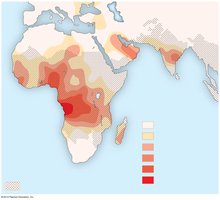
Heterozygote Advantage: Heterozygotes have higher fitness than homozygotes, maintaining multiple alleles.
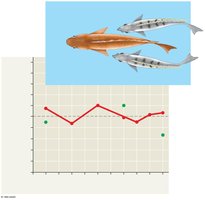
Frequency-Dependent Selection: Fitness of a phenotype declines if it becomes too common, favoring rare variants.
Summary Table: Mechanisms of Microevolution
Mechanism | Effect on Allele Frequency | Adaptive? | Example |
|---|---|---|---|
Natural Selection | Consistent increase of beneficial alleles | Yes | Industrial melanism in moths |
Genetic Drift | Random changes, loss of variation | No | Bottleneck effect in prairie chickens |
Gene Flow | Mixing of alleles between populations | Sometimes | Banding in Lake Erie water snakes |
Key Takeaways: Genetic variation is essential for evolution. The Hardy-Weinberg equation tests for microevolution. Natural selection, genetic drift, and gene flow alter allele frequencies, but only natural selection consistently leads to adaptive evolution.
