 Indietro
Ch.28 The Importance and Evolution of Plants: Structure, Function, and Adaptations
Guida di studio - Note intelligenti
 Appunti personalizzati basati sui tuoi materiali, ampliati con definizioni chiave, esempi e contesto.
Why Study Plants?
Plants as Essential Resources
Plants are fundamental to life on Earth, providing resources that support human civilization and the biosphere. They serve as primary producers, forming the base of most food webs, and contribute to the oxygen we breathe, the food we eat, the clothes we wear, and the materials we use for shelter and medicine.
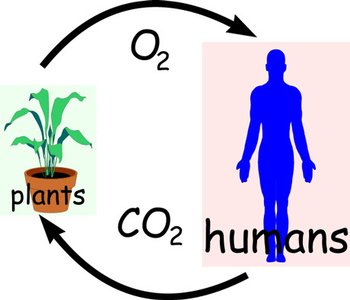
Oxygen Production: Through photosynthesis, plants release oxygen, which is essential for aerobic respiration in animals and humans.
Food: Plants are the primary source of food for humans and other animals, either directly (fruits, vegetables, grains) or indirectly (animals that eat plants).
Clothing: Plant fibers such as cotton, flax, and hemp are used to make textiles.
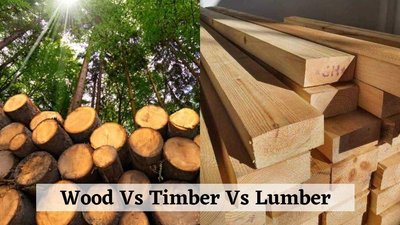
Shelter: Wood from trees is used in construction and as a material for various products.
Medicine: Many pharmaceuticals are derived from plant compounds.


Plants as Primary Producers
Plants and other photosynthetic organisms are known as primary producers because they convert solar energy into chemical energy through photosynthesis, supporting nearly all life on Earth.
Photosynthesis: The process by which plants use sunlight to synthesize food from carbon dioxide and water, releasing oxygen as a byproduct.
Food Webs: Plants form the base of terrestrial and aquatic food webs, supporting herbivores, which in turn support carnivores.
Plants and Energy Resources
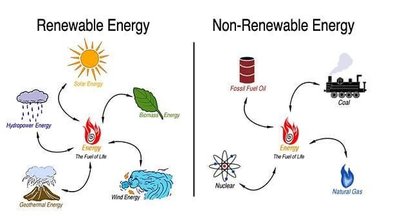
Plants play a crucial role in the formation of both renewable and non-renewable energy resources.
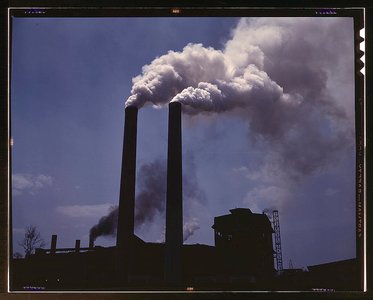
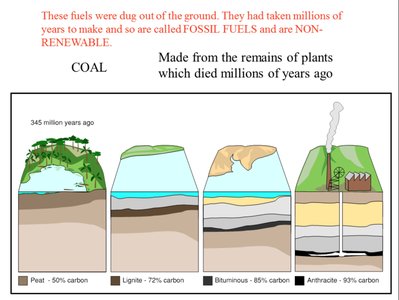
Fossil Fuels: Coal, oil, and natural gas are derived from the remains of ancient plants and photosynthetic organisms. These are non-renewable resources formed over millions of years.
Renewable Energy: Biomass energy, solar, wind, hydroelectric, and geothermal energy are renewable alternatives, with biomass directly involving plant material.
Plants in Medicine and Culture
Plants are sources of important medicines and have significant cultural value.
Medicinal Compounds: Many drugs, such as Metformin, are derived from plant sources.
Cultural Significance: Plants like Henna (Lawsonia inermis) and Aztec Marigold are used in rituals, ceremonies, and traditional practices around the world.
Plants and Ecosystem Regulation
Plants help regulate vital ecosystem processes, including the carbon and water cycles.
Carbon Cycle: Plants absorb carbon dioxide during photosynthesis, helping to regulate atmospheric CO2 levels.
Water Cycle: Plants contribute to the movement of water through transpiration and influence precipitation patterns.
Diversification of Eukaryotes: The Evolution of Plants
Endosymbiotic Theory (Review)
The endosymbiotic theory explains the origin of chloroplasts in plants, which are believed to have evolved from free-living photosynthetic bacteria engulfed by ancestral eukaryotic cells.
Plant Diversity and Basic Anatomy
The plant kingdom exhibits vast diversity, with various adaptations for life on land. Basic plant anatomy includes structures such as leaves, stems, roots, stomata, and chloroplasts.
Stomata: Pores on the leaf surface that regulate gas exchange.
Chloroplasts: Organelles where photosynthesis occurs, containing pigments like chlorophyll a, chlorophyll b, and beta-carotene.
Evolutionary Relationship: Green Algae and Land Plants
Land plants evolved from ancestral aquatic photosynthetic organisms, specifically green algae. Both groups share several characteristics:
They are eukaryotes.
They perform oxygenic photosynthesis.
They have chloroplasts with similar pigments and thylakoid arrangements.
They share similarities in DNA and cellular structures.
Key Differences:
Aquatic Environments: Constant water availability, less exposure to UV, and reproduction occurs in water.
Terrestrial Environments: Exposure to UV radiation, risk of desiccation, need for structural support, and reproduction outside water.
Adaptations for Life on Land
Natural selection favored early land plants with adaptations to survive terrestrial challenges:
Prevention of water loss (e.g., waxy cuticle)
Protection from UV radiation (e.g., flavonoids)
Transport of water against gravity (e.g., vascular tissue)
Reproduction outside of water
Major Groups of Land Plants
Non-vascular plants: Simpler adaptations, must stay near water (e.g., mosses, liverworts, hornworts)
Seedless vascular plants: Have vascular tissue but still rely on water for reproduction (e.g., ferns, horsetails)
Gymnosperms: Seed plants with adaptations for drier environments
Angiosperms: Flowering plants with the most complex adaptations
Non-Vascular Plants
Key Adaptations
Waxy covering: Reduces water loss
Special pores: Allow for gas exchange
Flavonoids: Pigments that protect DNA from UV damage
Rhizoids: Structures for attachment to the ground
Reproduction: Both sexual and asexual reproduction require water
Non-vascular plants rely on osmosis and diffusion for water and nutrient transport and are mostly found in moist environments.
Alternation of Generations
All land plants exhibit alternation of generations, alternating between haploid (gametophyte) and diploid (sporophyte) stages.
Gametophyte (n): Produces gametes (sexual reproduction)
Sporophyte (2n): Produces spores (asexual reproduction)
The general sequence is:
Sporophyte produces haploid spores by meiosis
Spores develop into multicellular, haploid gametophytes
Gametophytes produce gametes by mitosis
Gametes fuse to form a diploid zygote
Zygote develops into a multicellular, diploid sporophyte
Seedless Vascular Plants
Key Adaptations
Cuticle: Waxy covering to prevent water loss
Leaves and stomata: Allow for controlled photosynthesis and gas exchange
Flavonoids: Protection from UV radiation
Vascular tissue: Xylem and phloem for transport of water and nutrients
Roots and stems: Provide support and transport functions
Reproduction: Still relies on water for both sexual and asexual reproduction
Summary Table: Major Groups of Land Plants and Their Adaptations
Group | Key Adaptations | Dependence on Water | Examples |
|---|---|---|---|
Non-vascular plants | Waxy covering, pores, flavonoids, rhizoids | High (for transport and reproduction) | Mosses, Liverworts, Hornworts |
Seedless vascular plants | Cuticle, leaves, stomata, vascular tissue, roots, stems | Moderate (for reproduction) | Ferns, Horsetails |
Gymnosperms | Seeds, pollen, advanced vascular tissue | Low | Pine trees, Cycads |
Angiosperms | Flowers, fruits, double fertilization | Lowest | Flowering plants |
For exam preparation: Be able to summarize why plants are important, provide examples, describe key adaptations in non-vascular and seedless vascular plants, and explain the alternation of generations in plant life cycles.
