 Indietro
The Molecular Basis of Heredity: Beyond Mendel
Guida di studio - Note intelligenti
 Appunti personalizzati basati sui tuoi materiali, ampliati con definizioni chiave, esempi e contesto.
The Molecular Basis of Dominance
Complete Dominance
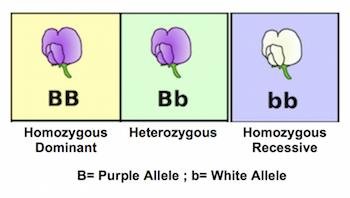
Complete dominance occurs when the phenotype of the heterozygote is identical to that of the homozygous dominant individual. The dominant allele produces enough functional protein to mask the effect of the recessive allele.
Dominant Allele: Produces a functional protein product.
Haplosufficiency: One copy of the dominant allele is sufficient for normal function.
Example: In pea plants, the purple flower allele (B) is dominant over the white flower allele (b).
Molecular Basis of Dominance
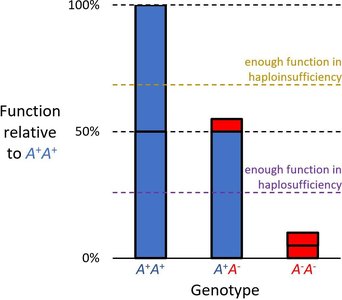
The dominance of an allele is determined by the activity of its protein product. The overall phenotype is a result of the combined activities of the protein products from both alleles.
Wild-type allele (A+): Produces high enzyme activity.
Mutant allele (A-): Produces little or no enzyme activity.
Threshold effect: If enzyme activity exceeds a certain threshold, the wild-type phenotype is observed.
Haplosufficiency: One wild-type allele is enough for normal function.
Types of Genetic Interactions
Incomplete Dominance
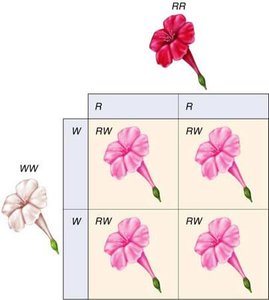
Incomplete dominance occurs when the heterozygote displays a phenotype intermediate between the two homozygotes. Neither allele is completely dominant over the other.
Intermediate Phenotype: Heterozygotes show a blend of both parental traits.
Example: Crossing red-flowered (RR) and white-flowered (WW) snapdragons produces pink-flowered (RW) offspring.
Codominance
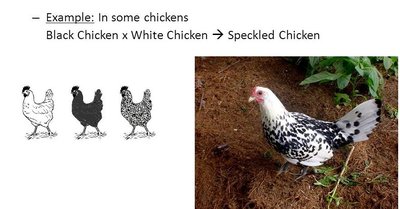
Codominance occurs when both alleles in a heterozygote are fully expressed, resulting in a phenotype that shows both traits distinctly.
Both Alleles Expressed: Heterozygotes display both phenotypes simultaneously.
Example: In chickens, crossing a black chicken with a white chicken produces speckled offspring.
ABO Blood Group System
Multiple Alleles and Codominance
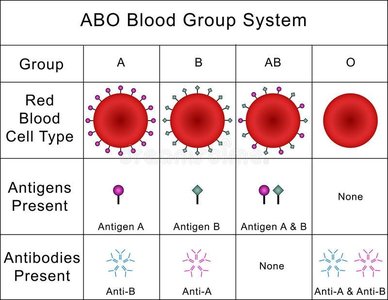
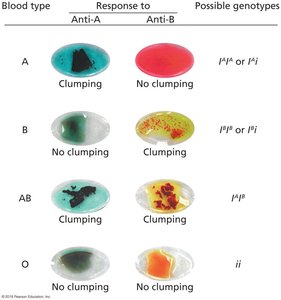
The ABO blood group system is controlled by three alleles: IA, IB, and i. The IA and IB alleles are codominant to each other and both are dominant over i.
Blood Types: A, B, AB, and O.
Antigens: A and B antigens are glycolipids on the red blood cell membrane.
Genotypes: IAIA or IAi (Type A), IBIB or IBi (Type B), IAIB (Type AB), ii (Type O).
Molecular Basis of ABO Alleles
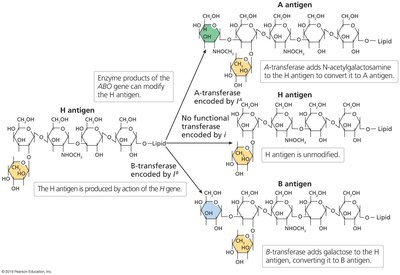
The ABO alleles encode enzymes that modify the H antigen on the surface of red blood cells. The IA allele adds N-acetylgalactosamine, the IB allele adds galactose, and the i allele does not modify the H antigen.
H Antigen: Precursor for A and B antigens.
Enzyme Activity: Determines the blood group antigen present.
Bombay Phenotype
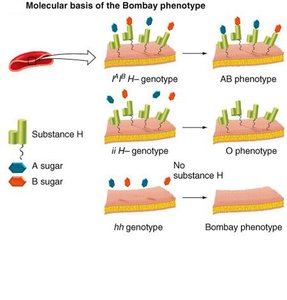
The Bombay phenotype is a rare genetic condition where individuals lack the H antigen, resulting in a blood type that appears as O regardless of their ABO genotype.
Genotype: hh prevents H antigen production.
Phenotype: No A or B antigens, even if IA or IB alleles are present.
Lethal Alleles
Recessive Lethal Alleles
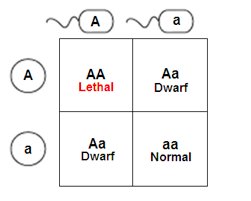
Lethal alleles are mutations that cause death when present in certain genotypes, often homozygous recessive. These alleles can be detected by deviations from expected Mendelian ratios.
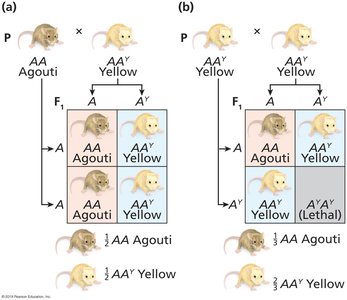
2:1 Ratio: When both parents are heterozygous, offspring show a 2:1 phenotypic ratio.
Example: Dwarfism in plants, where homozygous dominant individuals are lethal.
Coat Color in Mice
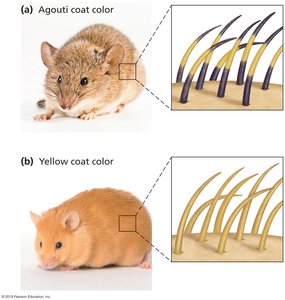
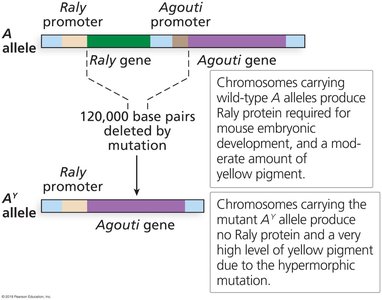
In mice, the agouti coat color is produced by a combination of yellow and black pigments. The mutant AY allele is dominant for yellow coat color but is embryonic lethal in homozygotes.
Agouti: Wild-type coat color.
Yellow: Caused by AY allele.
Lethality: AYAY genotype is lethal.
Evolutionary Implications of Harmful Alleles
Delayed Age of Onset
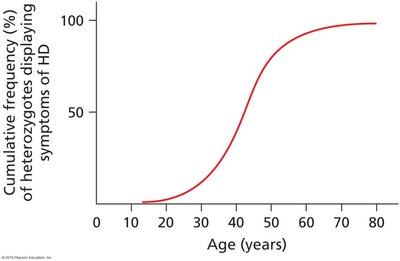
Dominant lethal alleles can persist in populations if their effects are not evident until after reproductive age. This allows carriers to reproduce before symptoms appear.
Example: Huntington disease (HD), a neurodegenerative disorder with late onset.
Sex-Limited Traits
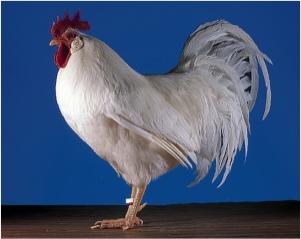
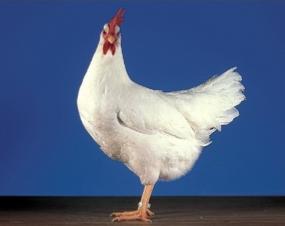
Sex-limited traits are expressed in only one biological sex, even though both sexes carry the genes. Expression is influenced by hormone profiles.
Example: Feather type in chickens, where cock-feathered males have a specific genotype.
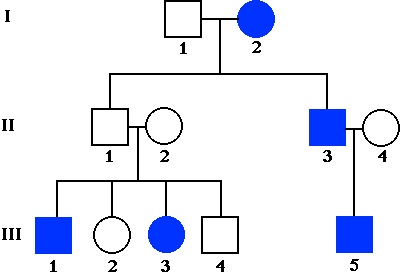
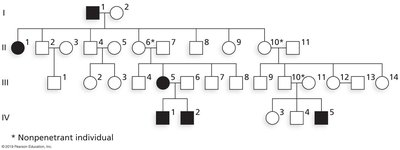
Incomplete Penetrance
Penetrance refers to the proportion of individuals with a particular genotype that display the expected phenotype. Incomplete penetrance occurs when not all individuals with the genotype express the phenotype.
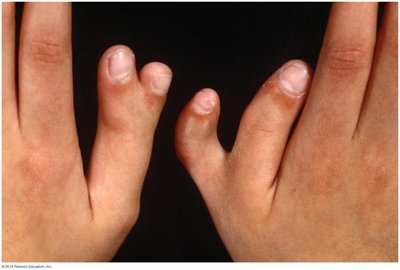
Example: Polydactyly, an autosomal dominant condition with variable expression.
Probability Calculation: If a trait has 80% penetrance, the probability of expression is the Mendelian probability multiplied by penetrance.
Multiple Alleles and Allelic Series
Allelic Series
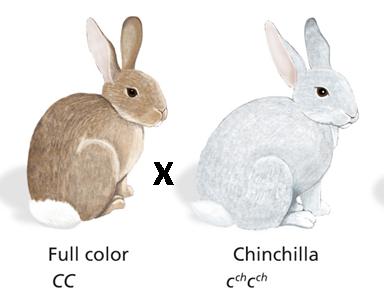
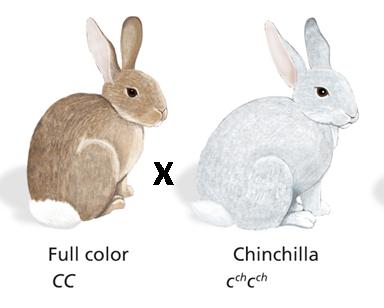
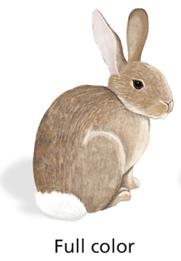
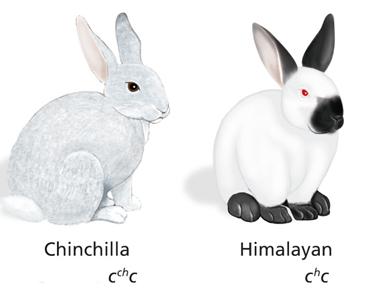
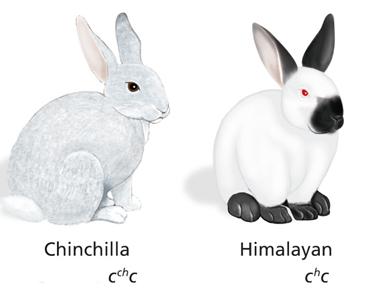
Some genes have more than two alleles, forming an allelic series with a hierarchy of dominance. The C gene system for mammalian coat color is a classic example.
C allele: Full color, dominant over others.
cch allele: Chinchilla, partially dominant over ch.
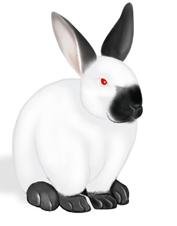
ch allele: Himalayan, little pigment on body, full color on extremities.
c allele: Albino, fully recessive.
Epistatic Interactions
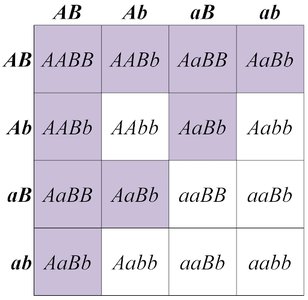
No Interaction (9:3:3:1 Ratio)
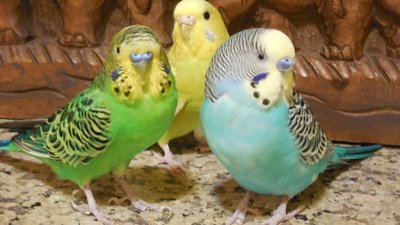
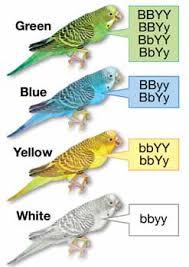
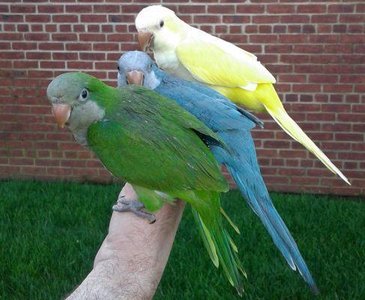
When genes do not interact, the expected dihybrid ratio is 9:3:3:1. This is observed in budgerigar parakeets for feather color.
Green: BbYy genotype.
Blue: Bbyy genotype.
Yellow: bbYY genotype.
White: bbyy genotype.
Complementary Gene Interaction (9:7 Ratio)
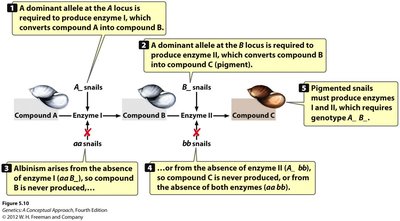
Complementary gene interaction occurs when two genes work together to produce a single phenotype. Both genes must have at least one dominant allele for the phenotype to be expressed.
Example: Flower color in sweet peas, where two genes are required for purple flowers.
Ratio: 9:7 in F2 generation.
Recessive Epistasis (9:3:4 Ratio)
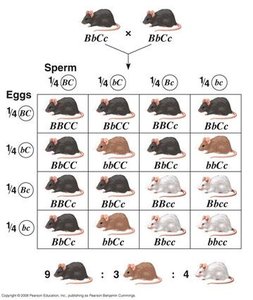
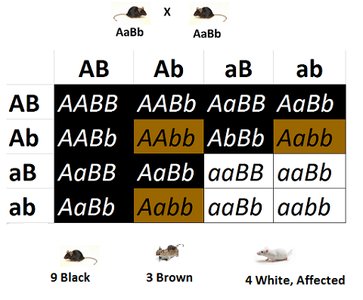
Recessive epistasis occurs when homozygosity for the recessive allele at one locus masks the expression of alleles at a second locus. This results in a 9:3:4 phenotypic ratio.
Example: Coat color in mice, where pigment production and deposition are controlled by two genes.
Ratio: 9 black : 3 brown : 4 white in F2 generation.
Type of Genetic Interaction | Phenotypic Ratio | Example |
|---|---|---|
Complete Dominance | 3:1 | Purple vs. white flowers in peas |
Incomplete Dominance | 1:2:1 | Pink flowers in snapdragons |
Codominance | Distinct phenotypes | Speckled chickens, ABO blood types |
Lethal Alleles | 2:1 | Yellow coat color in mice |
Complementary Gene Interaction | 9:7 | Purple and white flowers in sweet peas |
Recessive Epistasis | 9:3:4 | Coat color in mice |
Additional info: These notes expand on the molecular basis of heredity, dominance, and gene interactions, providing context and examples for each type of genetic interaction. The included images directly illustrate the concepts discussed, such as dominance, incomplete dominance, codominance, multiple alleles, and epistasis.
