 Indietro
The Origin of Species: Mechanisms and Patterns of Speciation
Guida di studio - Note intelligenti
 Appunti personalizzati basati sui tuoi materiali, ampliati con definizioni chiave, esempi e contesto.
The Origin of Species
Introduction to Speciation
Speciation is the evolutionary process by which new biological species arise. It is central to understanding biodiversity and connects microevolution (changes in allele frequencies within populations) to macroevolution (broad evolutionary patterns above the species level).
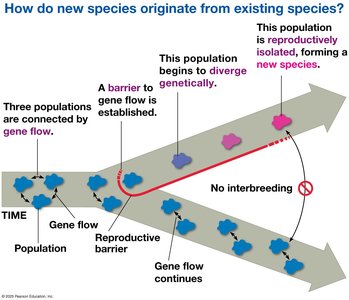
Gene flow connects populations, allowing exchange of alleles.
If a barrier to gene flow arises, populations can diverge genetically.
Over time, reproductive isolation may occur, resulting in the formation of new species.
Speciation increases the diversity of life and results in species sharing characteristics inherited from their common ancestor.
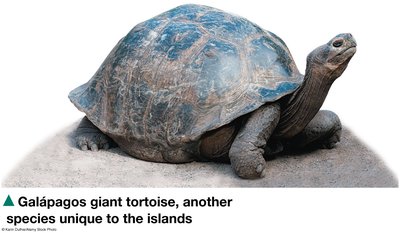
Example: The Galápagos Islands are home to unique species, such as the Galápagos giant tortoise, which evolved recently and are found nowhere else on Earth.
22.1: The Biological Species Concept
Defining Species
The biological species concept defines a species as a group of populations whose members can interbreed naturally, producing viable, fertile offspring, and are reproductively isolated from other such groups.
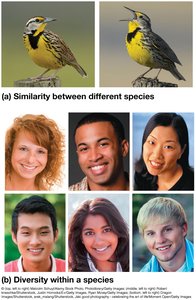
Members of a species resemble each other more than they resemble members of other species.
Gene flow increases genetic diversity within populations but reduces differentiation between them, acting as a "glue" that prevents speciation.
Speciation occurs when gene flow is blocked or reduced.
Reproductive Isolation
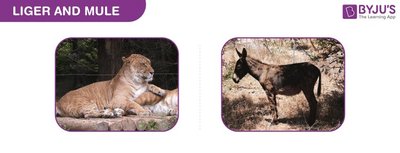
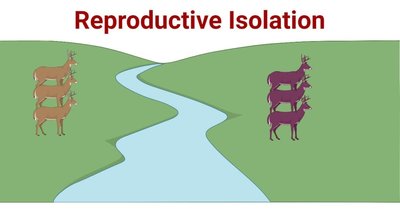
Reproductive isolation occurs when biological barriers prevent members of two species from interbreeding successfully. These barriers limit the formation of hybrids, which are often sterile or have reduced fitness.
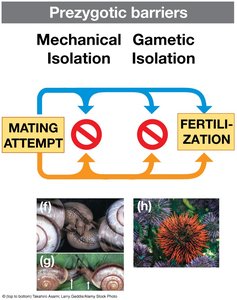
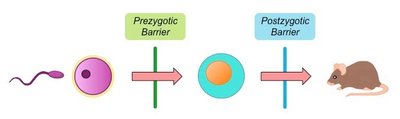
Reproductive barriers are classified as prezygotic (before fertilization) or postzygotic (after fertilization).
Prezygotic Barriers
Prezygotic barriers block fertilization in several ways:
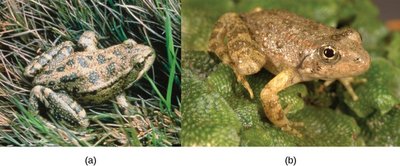
Habitat isolation: Species occupy different habitats and rarely encounter each other.
Temporal isolation: Species breed at different times (day, season, or year).
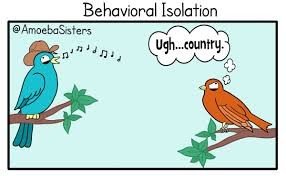
Behavioral isolation: Unique courtship rituals or behaviors prevent mating.
Mechanical isolation: Physical differences prevent successful mating.
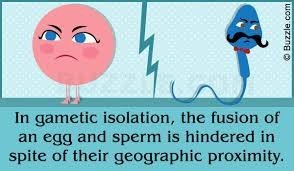
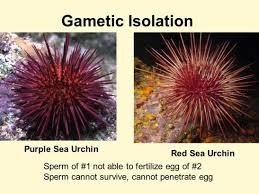
Gametic isolation: Sperm of one species cannot fertilize eggs of another.
Postzygotic Barriers
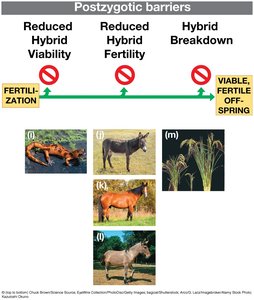
Postzygotic barriers act after fertilization, reducing the survival or fertility of hybrids.
Reduced hybrid viability: Hybrids may not develop properly or survive.
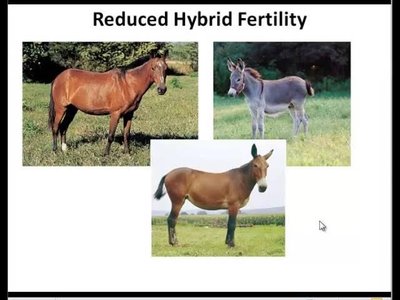
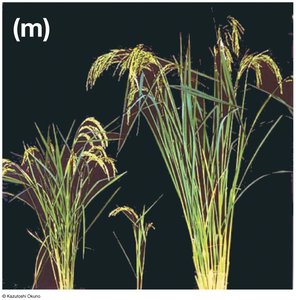
Reduced hybrid fertility: Hybrids may be sterile due to chromosomal differences.
Hybrid breakdown: First-generation hybrids are viable and fertile, but their offspring are feeble or sterile.
Limitations of the Biological Species Concept
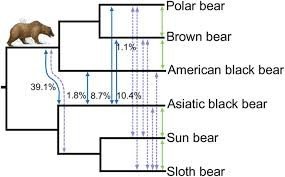
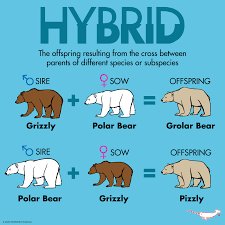
The biological species concept cannot be applied to fossils or asexual organisms, and gene flow sometimes occurs between distinct species (e.g., grizzly bears and polar bears producing "grolar bears").
22.2: Speciation With or Without Geographic Separation
Allopatric vs. Sympatric Speciation
Speciation can occur with (allopatric) or without (sympatric) geographic separation.
Allopatric speciation: Populations are geographically isolated, interrupting gene flow.
Sympatric speciation: Populations are not geographically isolated; gene flow is reduced by other factors.
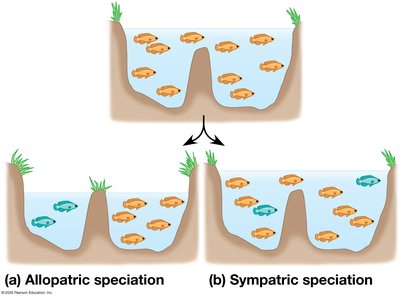
Allopatric Speciation
Allopatric speciation occurs when a population is divided by a geographic barrier, leading to genetic divergence and reproductive isolation.
Examples include lake subsidence, river changes, and the Grand Canyon isolating squirrel populations.
Genetic divergence can result from mutation, natural selection, and genetic drift.
Behavioral isolation may arise as a by-product of genetic divergence.
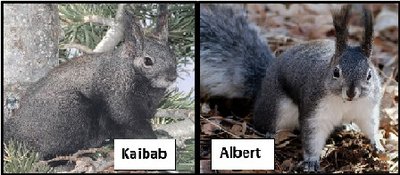
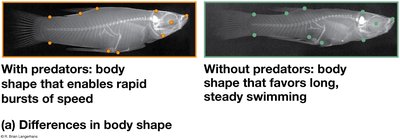
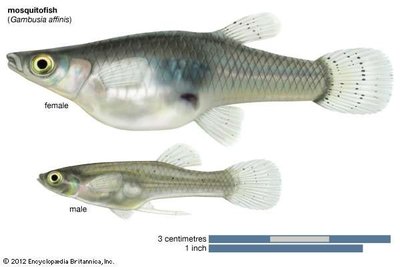
Evidence of Allopatric Speciation
Reproductive barriers evolve in lab populations under different environmental conditions. Isolated regions with many barriers often have more species, and reproductive isolation increases with geographic distance.
Sympatric Speciation
Sympatric speciation occurs in populations living in the same area, with gene flow reduced by polyploidy, habitat differentiation, or sexual selection.
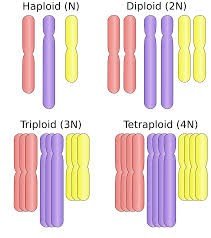
Polyploidy: Presence of extra sets of chromosomes due to errors in cell division, common in plants.
Habitat differentiation: Subsets of populations exploit new habitats or resources.
Sexual selection: Traits evolve to attract mates, leading to reproductive isolation.
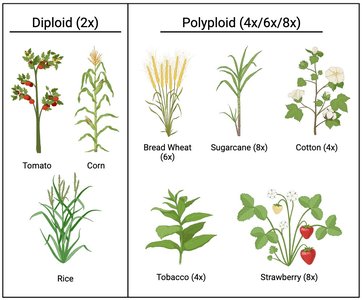
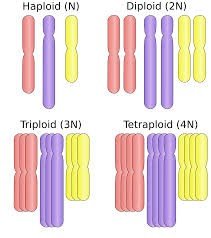
Polyploidy
Polyploidy can result in instant speciation. There are two main types:
Autopolyploid: More than two chromosome sets from one species; reproductive isolation occurs in a single generation.
Allopolyploid: Chromosome sets from different species; hybrids can mate with each other but not with parent species.
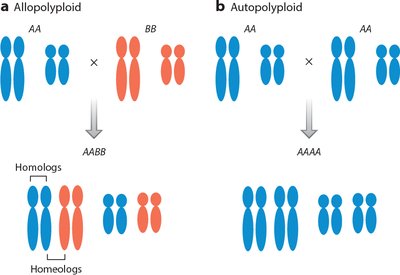
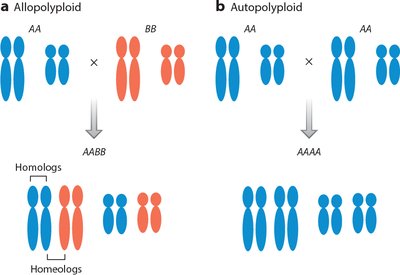
Habitat Differentiation
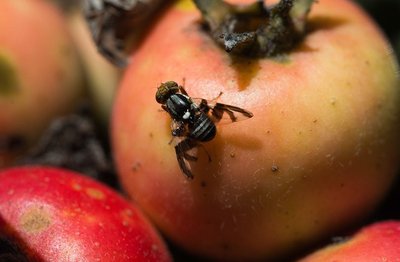
Sympatric speciation can occur when a subset of the population exploits a new habitat or resource, such as apple maggot flies switching from hawthorn to apple trees.
Sexual Selection
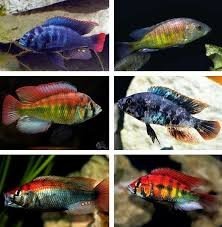
Sexual selection can drive sympatric speciation, as seen in East Africa's Lake Victoria cichlids, where female mate choice based on breeding coloration leads to reproductive isolation.
22.3: Hybrid Zones and Reproductive Isolation
Hybrid Zones
A hybrid zone is a region where members of different species meet and mate, producing hybrid offspring. These zones often form narrow bands where habitats of closely related species meet.
Hybrids often have reduced fitness, preventing alleles from accumulating in the gene pool of the other parent species.
Environmental changes can shift hybrid zones or create new ones.
Interbreeding in hybrid zones can transfer beneficial alleles, increasing genetic diversity.
Outcomes in Hybrid Zones
Hybrids may form new species or result in reinforcement, fusion, or stability:
Reinforcement: Natural selection strengthens reproductive barriers, reducing hybridization.
Fusion: Gene flow weakens barriers, causing parent species to merge.
Stability: Hybrids continue to be produced if they have better fitness in certain habitats.
22.4: Rates and Patterns of Speciation
Speciation Rates and Patterns
Speciation can occur rapidly or slowly, and may involve changes in few or many genes. Fossil records show both punctuated equilibria (periods of stasis punctuated by rapid change) and gradual patterns.
Speciation intervals range from 4,000 to 40 million years, averaging 6.5 million years.
Recent studies show speciation can happen rapidly, as in hybrid sunflowers adapting to new habitats.
Equation: Polyploidy chromosome number calculation:
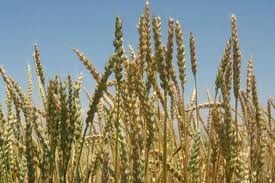
Example: Wheat (Triticum aestivum) is an allohexaploid (6n).
