 Indietro
The Origin of Species: Mechanisms and Concepts of Speciation
Guida di studio - Note intelligenti
 Appunti personalizzati basati sui tuoi materiali, ampliati con definizioni chiave, esempi e contesto.
The Origin of Species
Introduction to Speciation
Speciation is the evolutionary process by which new biological species arise. It forms a conceptual bridge between microevolution (changes in allele frequency within populations) and macroevolution (broad patterns of evolutionary change above the species level). - Microevolution: Changes in allele frequency in a population over time. - Macroevolution: Large-scale evolutionary changes, such as the formation of new species. - Speciation: The process that explains both shared features due to inheritance from a common ancestor and the diversity of life.
What is a Species?
The definition of a species is central to understanding speciation. - Biological Species Concept: A species is a group of populations whose members can interbreed in nature and produce viable, fertile offspring. - Gene Flow: Maintains genetic similarity within a species. - Reproductive Isolation: Prevents gene flow between different species, maintaining distinctiveness. 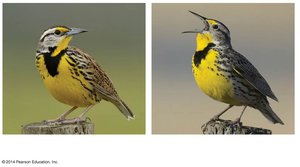

Reproductive Isolation
Prezygotic Barriers
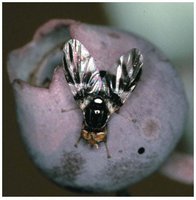
Prezygotic barriers prevent mating or fertilization between species. - Habitat Isolation: Species occupy different habitats and rarely encounter each other. 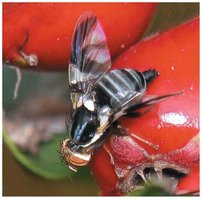
 - Temporal Isolation: Species breed at different times (day, season, year).
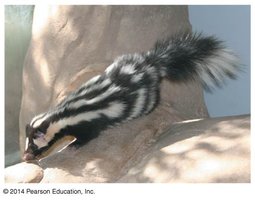
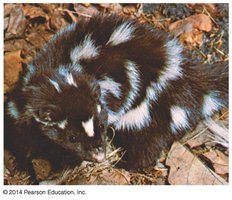 - Behavioral Isolation: Unique courtship rituals prevent mating.
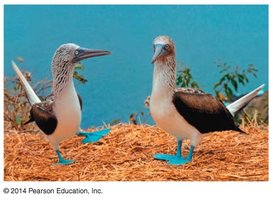 - Mechanical Isolation: Morphological differences prevent successful mating.
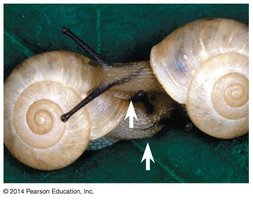 - Gametic Isolation: Sperm of one species cannot fertilize eggs of another.
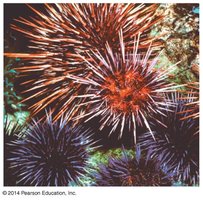
Postzygotic Barriers
Postzygotic barriers occur after fertilization, reducing hybrid viability or fertility. - Reduced Hybrid Viability: Hybrids fail to develop or survive. 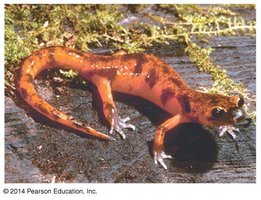 - Reduced Hybrid Fertility: Hybrids are sterile (e.g., mule).
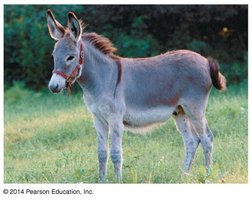
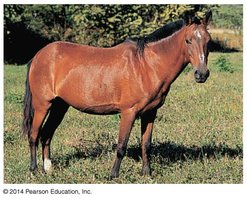
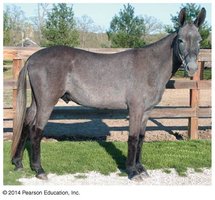 - Hybrid Breakdown: First-generation hybrids are fertile, but subsequent generations are feeble or sterile.
Summary Table: Reproductive Isolation Mechanisms
Barrier Type | Mechanism | Example |
|---|---|---|
Prezygotic | Habitat Isolation | Hawthorns vs. apple trees |
Prezygotic | Temporal Isolation | Striped vs. spotted skunks |
Prezygotic | Behavioral Isolation | Blue-footed boobies |
Prezygotic | Mechanical Isolation | Snails |
Prezygotic | Gametic Isolation | Sea urchins |
Postzygotic | Reduced Hybrid Viability | Salamanders |
Postzygotic | Reduced Hybrid Fertility | Mule (donkey × horse) |
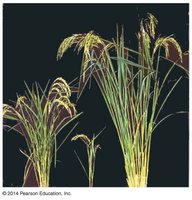
Postzygotic | Hybrid Breakdown | Rice hybrids |
Species Concepts
Alternative Species Concepts
- Morphological Species Concept: Defines species by structural features; applies to both sexual and asexual organisms but is subjective. - Ecological Species Concept: Defines species by their ecological niche; emphasizes disruptive selection. - Phylogenetic Species Concept: Defines species as the smallest group on a phylogenetic tree; applies to all organisms but can be difficult to apply.
Modes of Speciation
Allopatric Speciation
Allopatric speciation occurs when populations are geographically separated, interrupting gene flow. - Geographic Isolation: Physical barriers divide populations. - Divergence: Natural selection, mutation, and genetic drift cause populations to diverge. - Example: Snapping shrimp separated by the Isthmus of Panama. 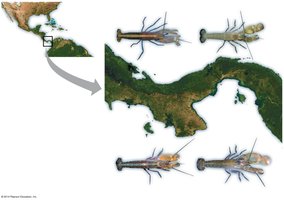
Sympatric Speciation
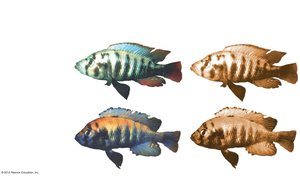
Sympatric speciation occurs within a single geographic area, often due to: - Polyploidy: Extra sets of chromosomes, common in plants. - Habitat Differentiation: New ecological niches drive divergence. - Sexual Selection: Preferences for certain traits drive reproductive isolation. 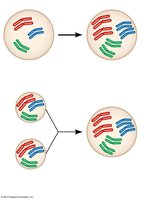
Tempo and Genetics of Speciation
Rates of Speciation
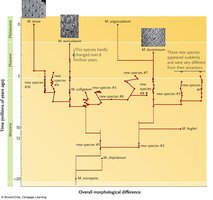
Speciation can occur rapidly or slowly, depending on genetic and environmental factors. - Punctuated Equilibrium: Periods of stasis punctuated by rapid change. - Gradualism: Slow, continuous accumulation of small changes. 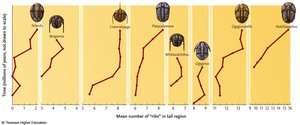
Genetic Mechanisms of Speciation
The number of genes involved in speciation varies. - Few Genes: Sometimes, a single allele change can cause speciation. - Many Genes: In other cases, multiple genetic changes are required.
Summary
- The biological species concept emphasizes reproductive isolation. - Speciation can occur with or without geographic separation. - Speciation may be rapid or slow and involve changes in few or many genes. Additional info: These notes expand on the lecture slides by providing definitions, examples, and context for each mechanism and concept. The included images directly illustrate key points such as reproductive barriers, modes of speciation, and genetic mechanisms.
