 Indietro
The Tree of Life: Prokaryotes, Domains, and Protists
Guida di studio - Note intelligenti
 Appunti personalizzati basati sui tuoi materiali, ampliati con definizioni chiave, esempi e contesto.
Changing Understandings of Life's Diversity
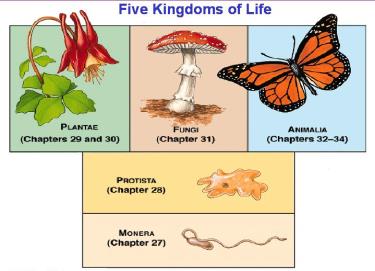
From Kingdoms to Domains
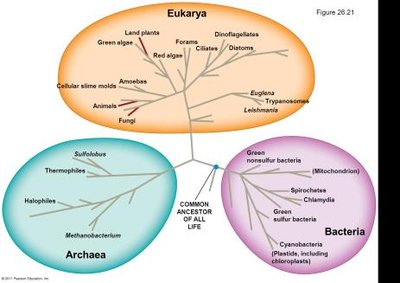
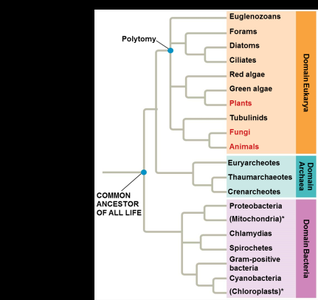
Biological classification has evolved from a simple two-kingdom system to a more complex three-domain system, reflecting advances in phylogenetic research. Early systems grouped all life into Plantae and Animalia, but molecular and genetic evidence revealed deeper evolutionary relationships.
Five Kingdoms: Plantae, Fungi, Animalia, Protista, and Monera.
Three Domains: Bacteria, Archaea, and Eukarya, based on genetic and biochemical differences.
Horizontal Gene Transfer
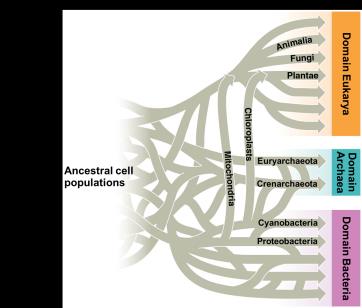
Horizontal gene transfer (HGT) is the movement of genetic material between organisms other than by descent from parent to offspring. HGT has played a significant role in the evolution of prokaryotes and the complexity of the tree of life.
Bacteria and Archaea: Prokaryotic Diversity
Structural and Functional Adaptations
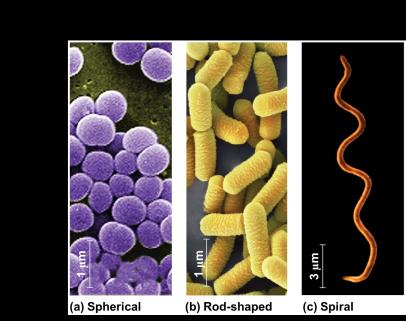
Prokaryotes (Bacteria and Archaea) are unicellular organisms with a variety of shapes and remarkable adaptability. Their small size and simple structure contribute to their evolutionary success.
Shapes: Cocci (spherical), Bacilli (rod-shaped), Spiral.
Organization: Despite being unicellular, prokaryotes can form colonies and biofilms.
Cell-Surface Structures
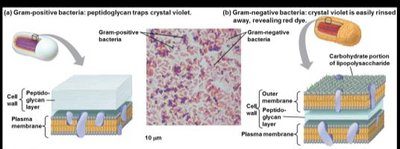
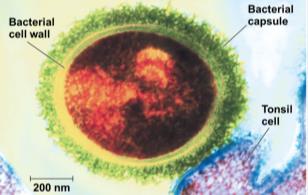
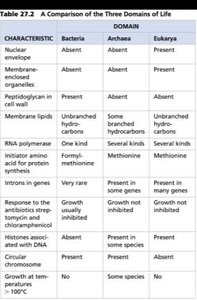
The cell wall is a key feature distinguishing Bacteria and Archaea from Eukaryotes and from each other. The Gram stain is used to classify bacteria based on cell wall composition.
Bacterial Cell Walls: Contain peptidoglycan.
Archaeal Cell Walls: Contain polysaccharides and proteins, but lack peptidoglycan.
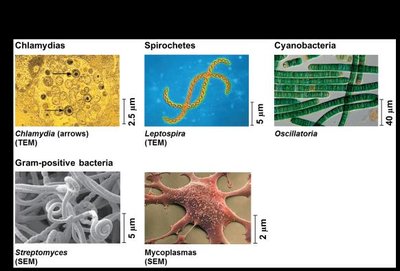
Gram-Positive Bacteria: Thick peptidoglycan layer; stain purple.
Gram-Negative Bacteria: Thin peptidoglycan layer and outer membrane; stain pink/red; often more resistant to antibiotics.
Examples of Gram-Positive Bacteria
Actinomycetes: Decompose soil; source of many antibiotics.
Bacillus anthracis: Causes anthrax.
Clostridium botulinum: Causes botulism.
Staphylococcus and Streptococcus: Can be pathogenic.
Mycoplasmas: Smallest known cells; lack cell walls.
Additional Cell Surface Structures
Capsule: Sticky outer layer for protection and adherence.
Slime Layer: Looser than a capsule; aids in adherence.
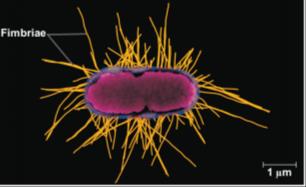
Fimbriae: Hair-like appendages for attachment.
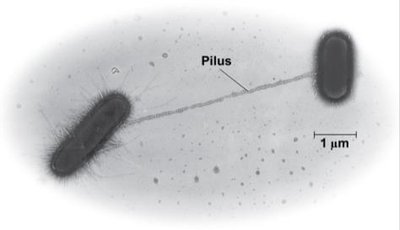
Pili: Longer appendages for DNA transfer (conjugation).
Motility
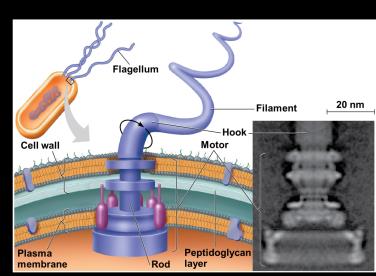
Many bacteria move toward or away from stimuli (taxis), often using flagella. Bacterial, archaeal, and eukaryotic flagella evolved independently (analogous structures).
Chemotaxis: Movement in response to chemicals.
Flagella: Complex motor structures for movement.
Internal Organization and DNA
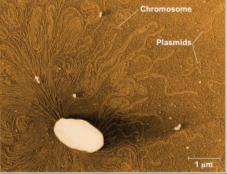
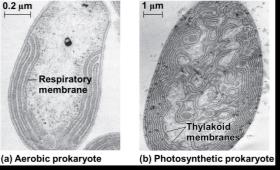
Prokaryotes lack membrane-bound organelles but may have specialized membranes for metabolic functions. Their DNA is typically a single circular chromosome located in the nucleoid region, with additional small rings called plasmids.
Reproduction and Adaptation
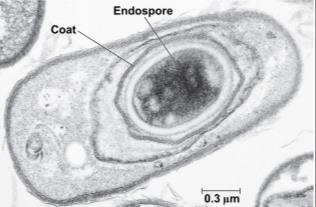
Prokaryotes reproduce rapidly by binary fission, leading to short generation times. Many can form endospores, dormant structures that survive harsh conditions for centuries.
Genetic Variation in Prokaryotes
Despite asexual reproduction, prokaryotes have high genetic diversity due to rapid reproduction, mutation, and genetic recombination.
Transformation: Uptake of foreign DNA from the environment.
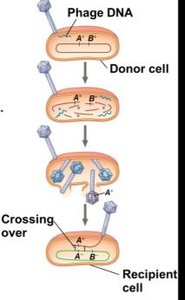
Transduction: Gene transfer by bacteriophages (viruses).
Conjugation: Direct transfer of DNA between cells via a pilus.
Diverse Nutritional and Metabolic Adaptations
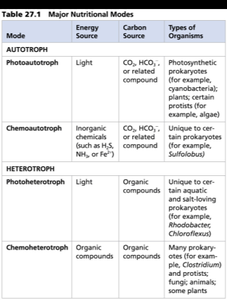
Prokaryotes display a wide range of nutritional strategies, classified by energy and carbon sources.
Mode | Energy Source | Carbon Source | Types of Organisms |
|---|---|---|---|
Photoautotroph | Light | CO2 or related | Photosynthetic prokaryotes, plants, algae |
Chemoautotroph | Inorganic chemicals | CO2 or related | Certain prokaryotes (e.g., Sulfolobus) |
Photoheterotroph | Light | Organic compounds | Certain prokaryotes |
Chemoheterotroph | Organic compounds | Organic compounds | Many prokaryotes, fungi, animals, some plants |
The Role of Oxygen in Metabolism
Obligate aerobes: Require O2 for cellular respiration.
Obligate anaerobes: Poisoned by O2; use fermentation or anaerobic respiration.
Facultative anaerobes: Can survive with or without O2.
Nitrogen Metabolism
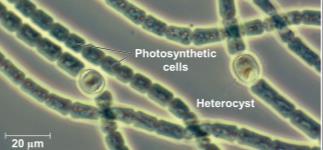
Nitrogen is essential for amino acids and nucleic acids. Some prokaryotes fix atmospheric nitrogen (N2) into ammonia (NH3), making it available to other organisms.
Major Groups of Prokaryotes
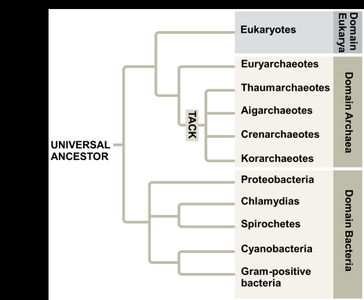
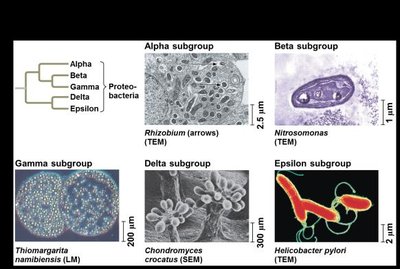
Prokaryotes are classified into two domains: Bacteria and Archaea. Each domain contains diverse lineages with unique adaptations.
Archaea: Extremophiles and Methanogens
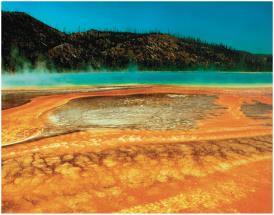
Extreme Halophiles: Thrive in highly saline environments (e.g., Halobacterium).
Extreme Thermophiles: Thrive in very hot environments (e.g., Thermophilus aquaticus).
Methanogens: Produce methane as a metabolic byproduct; live in anaerobic environments.

Prokaryotes in the Biosphere
Prokaryotes are essential for chemical cycling, decomposing organic matter, and making nutrients available for plant growth.
Decomposers: Chemoheterotrophic prokaryotes recycle nutrients.
Nitrogen, phosphorus, potassium: Prokaryotes influence their availability in ecosystems.
Ecological Interactions
Prokaryotes engage in various symbiotic relationships with other organisms:
Mutualism: Both partners benefit.
Commensalism: One benefits, the other is unaffected.
Parasitism: One benefits at the expense of the other.
Prokaryotes and Humans
Mutualistic bacteria: Human intestines house hundreds of species aiding digestion.
Pathogenic bacteria: Cause diseases by releasing toxins.
Exotoxins: Secreted proteins causing disease even if bacteria are not present.
Endotoxins: Released only when bacteria die and cell walls break down.
Protists: The Most Diverse Eukaryotes
General Features of Protists
Protists are mostly unicellular eukaryotes, but some are colonial or multicellular. They exhibit remarkable structural and functional diversity, with all life processes occurring within a single cell.
Nutritional Diversity
Photoautotrophs: Contain chloroplasts and perform photosynthesis.
Heterotrophs: Absorb or ingest organic molecules.
Mixotrophs: Combine photosynthesis and heterotrophic nutrition.
Endosymbiosis and the Origin of Eukaryotes
Endosymbiosis is a process where a unicellular organism engulfs another cell, which becomes an endosymbiont. This process led to the origin of mitochondria (from aerobic prokaryotes) and plastids (from photosynthetic cyanobacteria) in eukaryotes.
Major Supergroups of Eukaryotes
Excavata
SAR (Stramenopiles, Alveolates, Rhizarians)
Archaeplastida
Unikonta
Excavata
Diplomonads: Lack plastids, mostly anaerobic.
Parabasalids: Includes Trichomonas vaginalis, a human parasite.
Euglenozoans: Includes heterotrophs, autotrophs, and parasites.
SAR Clade
Alveolates: Have membrane-bounded sacs (alveoli) under the plasma membrane. Includes dinoflagellates (cause red tides), apicomplexans (e.g., Plasmodium, malaria parasite), and ciliates (e.g., Paramecium).
Stramenopiles: Include diatoms (glass-like cell walls), golden algae, brown algae (seaweeds), and oomycetes (water molds).
Rhizarians: Include foraminiferans (porous shells), radiolarians (silica skeletons), and cercozoans.
Archaeplastida
Red algae: Multicellular, abundant in tropical coastal waters.
Green algae: Paraphyletic; includes chlorophytes and charophyceans (closest relatives to land plants).
Unikonta
Amoebozoans: Lobe- or tube-shaped pseudopodia; includes slime molds, gymnamoebas, and entamoebas.
Opisthokonts: Includes animals, fungi, and related protists.
Ecological Roles of Protists
Symbionts: Some live in mutualistic or parasitic relationships (e.g., in termite guts, or as malaria parasites).
Producers: Many aquatic protists are primary producers (e.g., kelp, phytoplankton).
