 Indietro
Transcription and Gene Expression in Eukaryotes
Guida di studio - Note intelligenti
 Appunti personalizzati basati sui tuoi materiali, ampliati con definizioni chiave, esempi e contesto.
Gene Expression and the Central Dogma
Overview of Genetic Information Flow
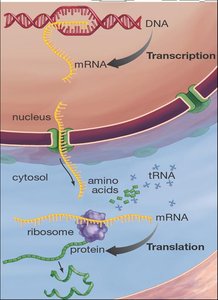
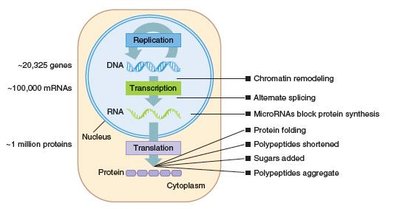
The central dogma of molecular biology describes the flow of genetic information within a biological system. Genetic information is stored in DNA, transcribed into messenger RNA (mRNA), and then translated into proteins, which perform essential cellular functions.
DNA stores the instructions for cellular processes.
Transcription is the process of copying DNA information into mRNA.
Translation is the process where ribosomes use mRNA to synthesize proteins.
Proteins provide structure and catalyze biochemical reactions in the cell.
Genes and Chromosomes
Organization of Genetic Material
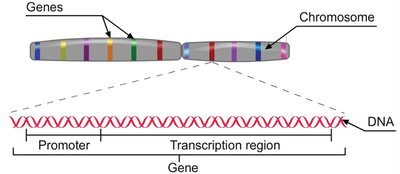
Genes are segments of DNA located on chromosomes. Each gene contains the instructions for making a specific protein or functional RNA molecule. The average human chromosome contains about 1000 genes.
Gene: A sequence of nucleotides in DNA that encodes a functional product.
Chromosome: A long DNA molecule with part or all of the genetic material of an organism.
Promoter: A DNA sequence where transcription of a gene by RNA polymerase begins.
Cellular Differentiation and Gene Expression
How Cells Become Specialized
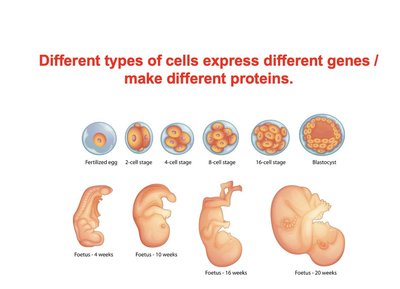
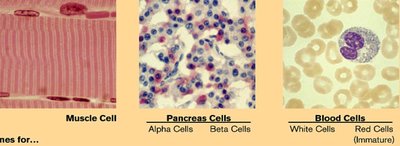
All cells in a multicellular organism contain the same DNA, but different cell types express different sets of genes, leading to cellular differentiation. This process allows cells to develop specialized structures and functions, such as muscle, pancreas, or blood cells.
Different cell types express different genes and produce different proteins.
Gene expression is regulated so that only necessary proteins are produced in each cell type.
Cellular differentiation is essential for the development of complex organisms from a single fertilized egg.
Transcription: DNA to RNA
Mechanism and Regulation
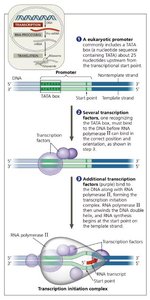
Transcription is the process by which RNA is synthesized from a DNA template. It is a highly regulated process, primarily controlled at the initiation stage. Transcription factors and RNA polymerase bind to the promoter region to begin transcription.
Initiation: Transcription factors bind to the promoter, recruiting RNA polymerase.
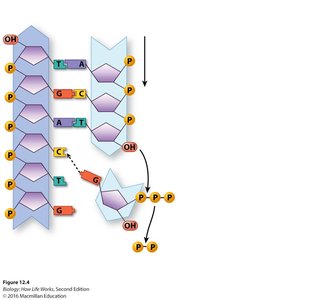
Elongation: RNA polymerase synthesizes the RNA strand by adding nucleotides complementary to the DNA template strand.
Termination: Transcription ends when RNA polymerase reaches a terminator sequence.
Template and Coding Strands
During transcription, only one strand of DNA (the template strand) is used to synthesize RNA. The RNA sequence is complementary and antiparallel to the template strand and nearly identical to the coding strand (except RNA contains uracil instead of thymine).
RNA is synthesized in the 5' to 3' direction.
The template strand is read in the 3' to 5' direction.
The coding strand has the same sequence as the RNA (except T is replaced by U).
Regulation of Transcription
Promoters and Transcription Factors
Promoter sequences are specific DNA regions where transcription factors and RNA polymerase bind to initiate transcription. The combination of transcription factors present determines when, where, and how much a gene is transcribed.
Transcription factors: Proteins that bind to specific DNA sequences to regulate transcription.
Promoter: Determines the start site and direction of transcription.
Regulation at the initiation step is the most common form of gene expression control.
mRNA Processing in Eukaryotes
Modifications and Splicing
In eukaryotes, the primary RNA transcript (pre-mRNA) undergoes several modifications before becoming mature mRNA:
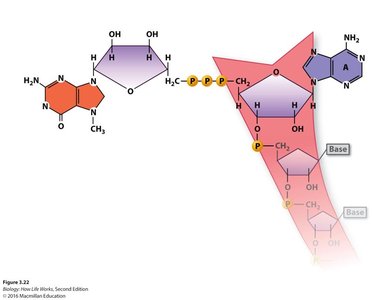
5' Cap: Addition of a modified guanine nucleotide to the 5' end, stabilizing mRNA and aiding in export and translation.
Poly(A) Tail: Addition of a string of adenine nucleotides to the 3' end, stabilizing mRNA and promoting translation.
Splicing: Removal of non-coding sequences (introns) and joining of coding sequences (exons). Alternative splicing allows for multiple proteins from one gene.
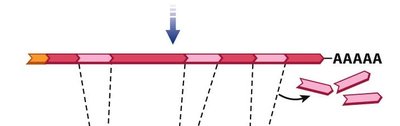
Summary Table: Key Steps in Transcription and mRNA Processing
Step | Description | Key Enzyme/Factor |
|---|---|---|
Initiation | Transcription factors and RNA polymerase bind to promoter | RNA polymerase, transcription factors |
Elongation | RNA polymerase synthesizes RNA strand | RNA polymerase |
Termination | Transcription ends at terminator sequence | RNA polymerase |
5' Capping | Modified guanine added to 5' end | Capping enzymes |
Polyadenylation | Poly(A) tail added to 3' end | Poly(A) polymerase |
Splicing | Introns removed, exons joined | Spliceosome |
Key Concepts and Review Questions
How is DNA used to transcribe mRNA?
Where does transcription start and end?
What is the role of the promoter and transcription factors?
How is mRNA processed before translation?
How can transcription be regulated?
