 Indietro
Transcription and Gene Expression: The Central Dogma and Regulation
Guida di studio - Note intelligenti
 Appunti personalizzati basati sui tuoi materiali, ampliati con definizioni chiave, esempi e contesto.
Transcription and the Central Dogma
Overview of Information Flow in Cells
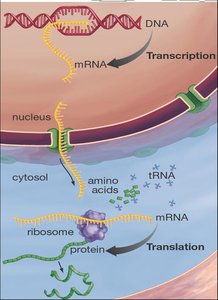
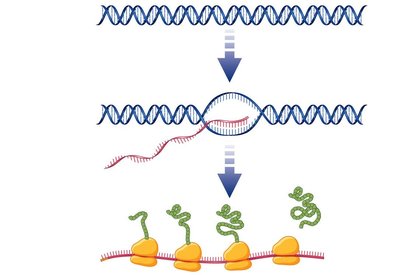
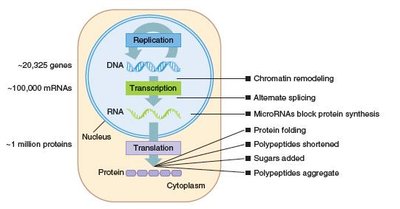
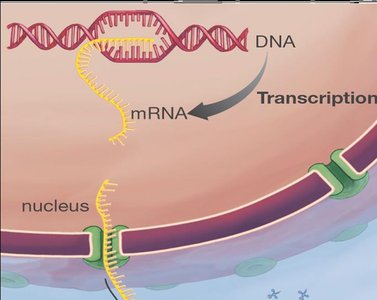
The Central Dogma of molecular biology describes the flow of genetic information within a cell: DNA is transcribed into mRNA, which is then translated into protein. This process is fundamental to all living organisms and underlies cellular structure and function.
DNA stores genetic instructions for cellular activities.
Transcription is the process of copying DNA into messenger RNA (mRNA).
Translation is the process by which mRNA is decoded to synthesize proteins.
Proteins provide structure and carry out essential cellular functions.
Genetic Information and Gene Expression
Genetic information is stored in the sequence of DNA bases. This information is transcribed into a sequence of RNA bases, which are then translated into a sequence of amino acids, forming proteins.
Gene Expression is the process by which instructions in DNA are converted into a functional product, usually a protein.
The sequence of nucleotides in DNA determines the sequence in mRNA, which determines the sequence of amino acids in proteins.
Cellular Differentiation and Gene Regulation
Cell Types and Gene Expression
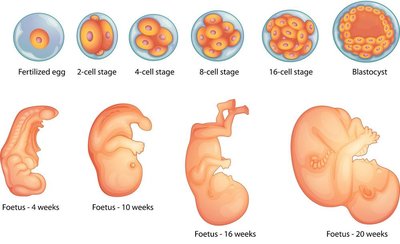
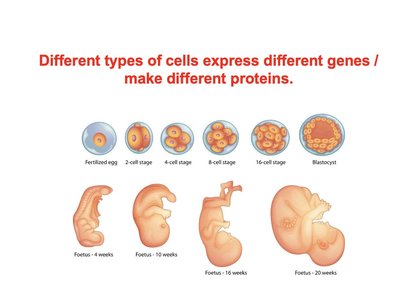
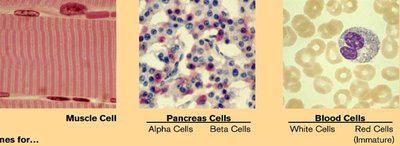
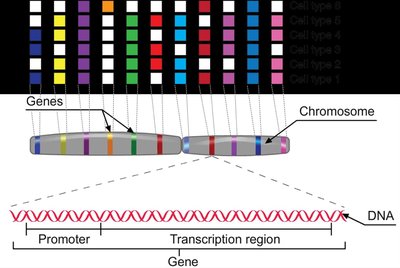
All cells in an organism contain the same DNA, but different cell types express different genes, resulting in different proteins and functions. This selective expression is crucial for cellular differentiation.
Muscle cells, pancreas cells, and blood cells have the same DNA but express different genes.
Cellular differentiation is the process by which cells become specialized in structure and function.
Gene Regulation
Gene expression is regulated at multiple levels, but the initiation of transcription is the most common regulatory point.
Transcription Factors are proteins that bind to specific DNA sequences (promoters) to regulate transcription.
Different cell types express different sets of genes, leading to unique protein profiles and functions.
Mechanism of Transcription
Promoters and Transcription Initiation
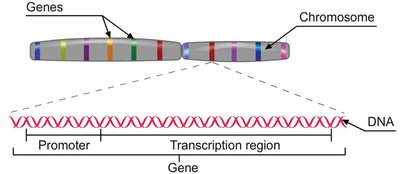
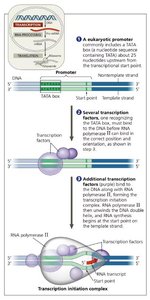
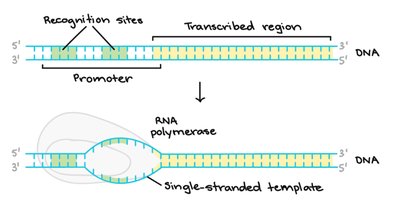
Transcription begins at DNA regions called promoters. Transcription factors bind to these regions, recruiting RNA polymerase to start transcription.
Promoter Sequence: Specific DNA region where transcription factors and RNA polymerase bind.
Transcription Factors: Regulatory proteins that control the initiation of transcription.
RNA Polymerase: Enzyme that synthesizes RNA from the DNA template.
Transcription Process: Initiation, Elongation, Termination
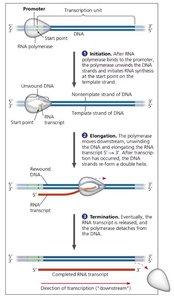
Transcription occurs in three main steps:
Initiation: RNA polymerase binds to the promoter, unwinds DNA, and begins RNA synthesis.
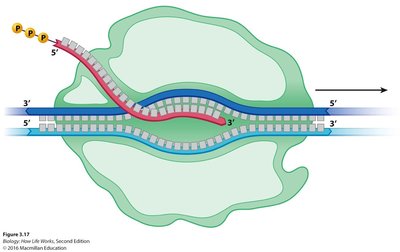
Elongation: RNA polymerase moves along the template strand, synthesizing RNA in the 5' to 3' direction.
Termination: RNA polymerase reaches a terminator sequence and releases the newly synthesized RNA.
Template and Coding Strands
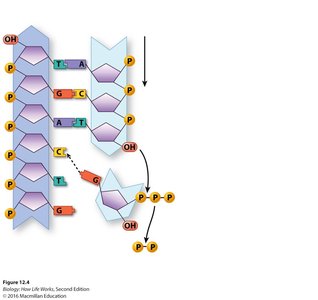
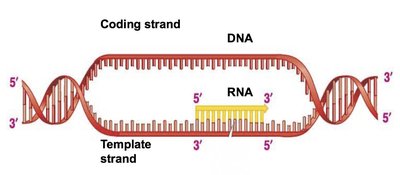
The template strand of DNA is read by RNA polymerase to synthesize mRNA.
The coding strand has the same sequence as mRNA (except T is replaced by U in RNA).
Transcription proceeds in the 5' to 3' direction, using the 3' to 5' template strand.
Transcription Regulation and Processing
Regulation by Promoters and Transcription Factors
The sequence of the promoter region determines which transcription factors bind, affecting when, where, and how much a gene is transcribed.
Transcription ends at terminator sequences.
Regulation can occur at multiple points, but promoter binding is most common.
mRNA Processing
After transcription, mRNA undergoes several modifications:
5' Cap: Added during transcription; stabilizes mRNA, aids export, and recruits ribosome.
Poly(A) Tail: Added during processing; stabilizes RNA and promotes translation.
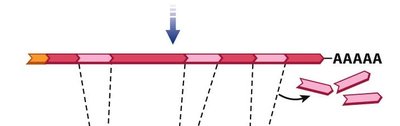
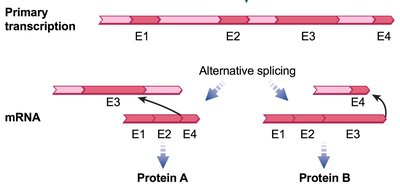
Splicing: Introns are removed, and exons are joined together. Alternative splicing allows multiple proteins from one gene.

Key Concepts and Summary Table
Summary Table: DNA, mRNA, and Protein Synthesis
Step | Molecule | Direction | Key Enzyme |
|---|---|---|---|
Transcription | DNA → mRNA | DNA read 3'→5', mRNA made 5'→3' | RNA Polymerase |
Translation | mRNA → Protein | mRNA read 5'→3' | Ribosome |
Important Definitions
Gene: Sequence of DNA that codes for a functional product.
Promoter: DNA region where transcription begins.
Transcription Factor: Protein that regulates transcription initiation.
RNA Polymerase: Enzyme that synthesizes RNA from DNA template.
Introns: Non-coding regions removed during mRNA processing.
Exons: Coding regions joined together in mature mRNA.
Key Equations
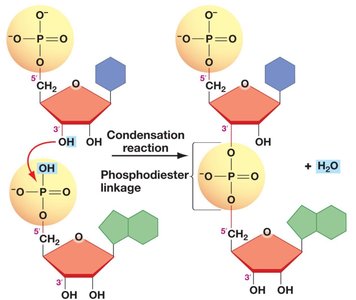
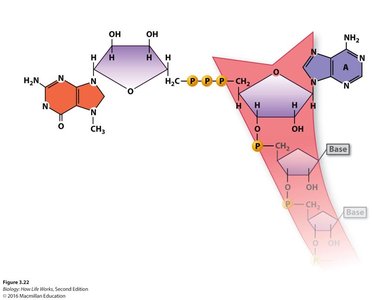
Phosphodiester bond formation during RNA synthesis:
Directionality:
Example
If the DNA template strand is 3'–TACGGT–5', the mRNA sequence will be 5'–AUGCCA–3'.
Additional info:
Alternative splicing increases protein diversity from a single gene.
Gene regulation is essential for development, differentiation, and response to environmental signals.
