 Indietro
Vascular Plant Evolution, Anatomy, and Life Cycles: Study Notes
Guida di studio - Note intelligenti
 Appunti personalizzati basati sui tuoi materiali, ampliati con definizioni chiave, esempi e contesto.
Vascular Plant Evolution and Key Innovations
Comparative Framework: Key Innovations in Vascular Plants
Vascular plants (tracheophytes) evolved several structural and reproductive innovations that enabled their dominance in terrestrial ecosystems. These innovations include roots, leaves, vascular tissues, lignin, branching, and reproductive adaptations.
Roots: Specialized for water and mineral uptake, anchorage, and storage.
Leaves: Increased photosynthetic area; evolved as microphylls and megaphylls.
Vascular Tissue: Xylem and phloem transport water, minerals, and sugars.
Lignin: Strengthens cell walls, allowing upright growth.
Branching: Enhanced exploration and resource acquisition.
Reproductive Innovations: Heterospory and seeds in advanced groups.
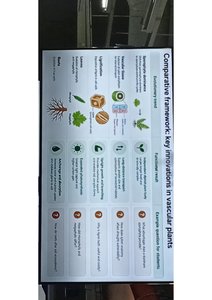
Plant Anatomy: Roots, Leaves, and Vascular Tissue
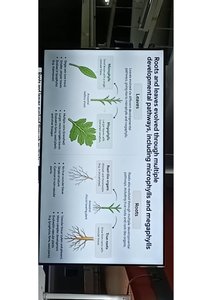
Roots and Leaves Evolution
Roots and leaves evolved through multiple developmental pathways, including microphylls and megaphylls. Roots provide anchorage and absorb water/minerals, while leaves maximize photosynthetic efficiency.
Microphylls: Small, single-veined leaves found in lycophytes.
Megaphylls: Larger, multi-veined leaves found in ferns and seed plants.
Root Evolution: Roots evolved stepwise, from simple rhizomes to complex structures.
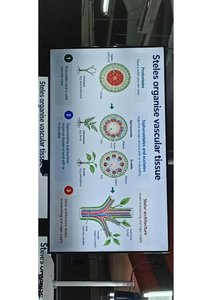
Vascular Tissue Organization
Vascular tissues are organized into steles, which are arrangements of xylem and phloem. Different stele types reflect evolutionary adaptations for transport and support.
Protostele: Solid core of xylem surrounded by phloem.
Siphonostele: Cylinder of vascular tissue with pith in the center.
Eustele: Discrete vascular bundles, typical of seed plants.
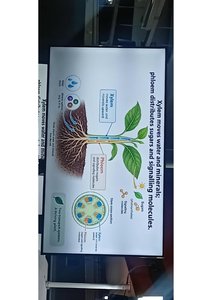
Xylem and Phloem Function
Xylem moves water and minerals from roots to shoots, while phloem distributes sugars and signaling molecules throughout the plant.
Xylem: Composed of tracheids and vessel elements; transports water via capillary action and transpiration.
Phloem: Composed of sieve tube elements and companion cells; transports sugars produced by photosynthesis.
Structural Adaptations: Lignin and Mechanical Support
Lignin and Upright Growth
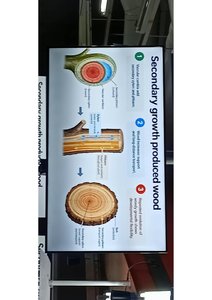
Lignin is a complex polymer that strengthens plant cell walls, enabling upright growth and increased height. However, lignin increases construction costs for the plant.
Lignified Tissues: Provide rigidity and resistance to decay.
Upright Growth: Allows plants to compete for light and disperse spores/seeds more effectively.
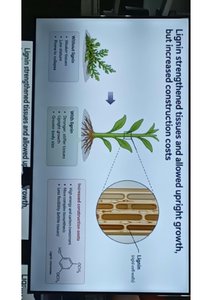
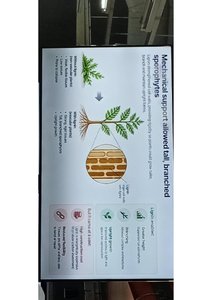
Mechanical Support in Tall, Branched Sporophytes
Mechanical support from lignified tissues allowed the evolution of tall, branched sporophytes, which are characteristic of vascular plants.
Branching: Increased exploration and resource acquisition.
Support: Enabled plants to grow taller and spread their leaves for photosynthesis.
Plant Life Cycles and Reproduction
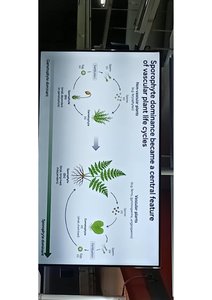
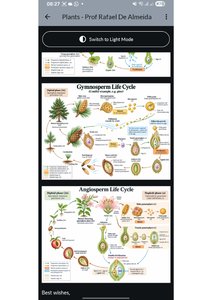
Alternation of Generations
All land plants exhibit alternation of generations, with distinct haploid (gametophyte) and diploid (sporophyte) stages. Vascular plants show sporophyte dominance.
Gametophyte: Produces gametes via mitosis.
Sporophyte: Produces spores via meiosis; dominant in vascular plants.
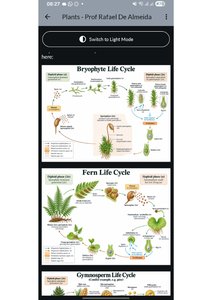
Life Cycles of Bryophytes, Ferns, Gymnosperms, and Angiosperms
Different plant groups have distinct life cycles, reflecting evolutionary adaptations.
Bryophytes: Gametophyte-dominant; sporophyte dependent.
Ferns: Sporophyte-dominant; independent gametophyte.
Gymnosperms: Sporophyte-dominant; seeds produced without flowers.
Angiosperms: Sporophyte-dominant; seeds produced within flowers.
Heterospory and Seed Evolution
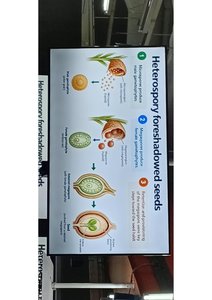
Heterospory is the production of two types of spores (microspores and megaspores), which foreshadowed the evolution of seeds in vascular plants.
Microspores: Develop into male gametophytes.
Megaspores: Develop into female gametophytes.
Seeds: Provide protection and nourishment for the embryo.
Ecological Impact of Vascular Plants
Global Cycles and Environmental Effects
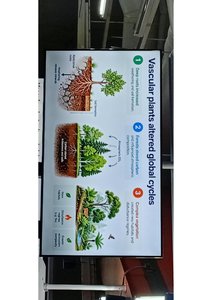
Vascular plants have significantly altered global biogeochemical cycles, including carbon and water cycles, through their structural and physiological innovations.
Soil Formation: Roots stabilize soil and promote nutrient cycling.
Carbon Sequestration: Lignin-rich tissues store carbon, affecting atmospheric CO2 levels.
Water Regulation: Transpiration influences local and global water cycles.
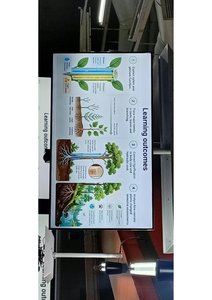
Summary and Learning Outcomes
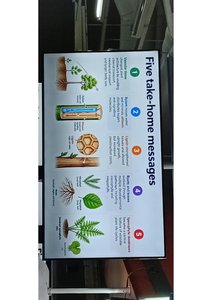
Key Take-Home Messages
Vascular plants evolved roots, leaves, and vascular tissues for efficient resource acquisition and transport.
Lignin enabled upright growth and mechanical support.
Sporophyte dominance and reproductive innovations (heterospory, seeds) contributed to plant diversification.
Vascular plants have shaped terrestrial ecosystems and global cycles.
Additional info:
These notes cover topics relevant to General Biology chapters: Plant Anatomy, Vascular Plant Transport, Plant Reproduction, Evolution of Plants, and Ecology.
Key terms: tracheophytes, sporophyte, gametophyte, microphyll, megaphyll, lignin, heterospory, stele, xylem, phloem.
