 Indietro
Vertebrates and Chordate Diversity: Structure, Evolution, and Major Lineages
Guida di studio - Note intelligenti
 Appunti personalizzati basati sui tuoi materiali, ampliati con definizioni chiave, esempi e contesto.
Overview of Vertebrates and Chordates
Introduction to Chordates and Vertebrates
Chordates are a diverse phylum within the animal kingdom, characterized by a set of derived features present at some stage of development. Vertebrates, a subphylum of chordates, are distinguished by the presence of a backbone and an elaborate skeletal structure. This section explores the evolutionary relationships, key features, and major groups within the chordates, with a focus on vertebrate diversity.
Major Clades of Chordates
Defining Features of Chordates
Notochord: A flexible, rod-shaped structure that provides skeletal support. In most vertebrates, it is replaced by the vertebral column during development.
Dorsal, hollow nerve cord: Develops into the central nervous system (brain and spinal cord).
Pharyngeal slits or clefts: Openings in the pharynx that function in suspension feeding, gas exchange, or develop into structures of the head and neck in tetrapods.
Muscular, post-anal tail: A tail extending beyond the anus, used for locomotion in many aquatic species.
These features may only be present during embryonic development in some groups.
Non-vertebrate Chordates
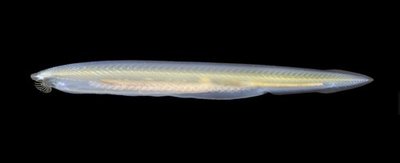
Cephalochordata (Lancelets): Marine suspension feeders that retain all chordate characteristics as adults.
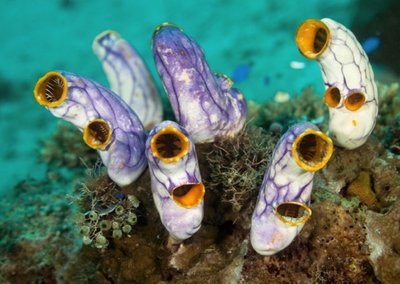
Urochordata (Tunicates): Sessile as adults, but exhibit chordate features during their motile larval stage. More closely related to vertebrates than lancelets.
Vertebrate Innovations
Derived Features of Vertebrates
Vertebrae: Series of bones that enclose the spinal cord, replacing the notochord as the main support structure in most adults.
Elaborate skull: Protects the brain and houses sensory organs.
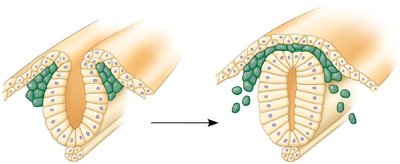
Neural crest cells: Embryonic cells that contribute to the formation of bones, cartilage, and sensory structures in the head.
Teeth and mineralized tissues: Allow for diverse feeding strategies and structural support.
Major Vertebrate Lineages
Jawless Vertebrates (Cyclostomes)
The earliest vertebrates lacked jaws and include two extant lineages: hagfishes and lampreys. These groups retain the notochord in adults and possess rudimentary vertebrae.
Hagfishes (Myxini): Scavengers with slime-producing glands.
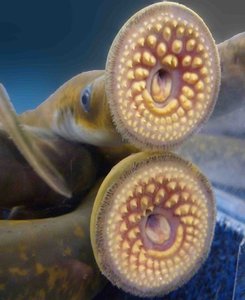
Lampreys (Petromyzontida): Parasitic or filter-feeding, with a toothed, funnel-like sucking mouth.
Gnathostomes: Jawed Vertebrates
Gnathostomes are vertebrates with jaws, which evolved from skeletal supports of the pharyngeal slits. This group includes sharks, ray-finned fishes, lobe-finned fishes, amphibians, reptiles (including birds), and mammals.
Chondrichthyans: Cartilaginous fishes such as sharks and rays. Their skeletons are composed primarily of cartilage.
Osteichthyans: Bony fishes and tetrapods, characterized by a bony endoskeleton.
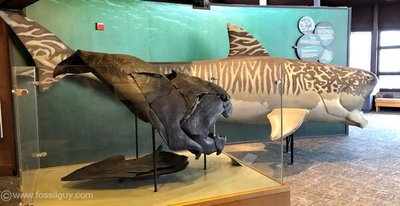
Actinopterygii (Ray-finned Fishes)
Ray-finned fishes are the most diverse group of vertebrates, with fins supported by long, flexible rays. They play crucial ecological and economic roles but are threatened by overfishing.
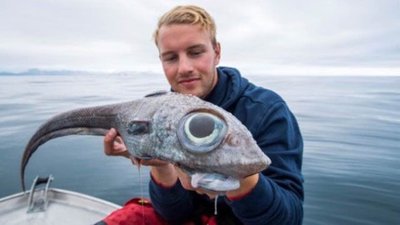
Sarcopterygii (Lobe-finned Fishes)
Lobe-finned fishes possess muscular pelvic and pectoral fins. This group includes coelacanths, lungfishes, and tetrapods. The evolution of limbs from lobe-fins was a key adaptation for life on land.
Tetrapods
Tetrapods are vertebrates with four limbs and digits. Adaptations for terrestrial life include a neck, fusion of the pelvic girdle to the backbone, and the development of ears for detecting airborne sounds.
Amphibians
Class Amphibia
Amphibians are the earliest tetrapods to diverge. They typically have an aquatic larval stage and a terrestrial adult stage. The three main clades are:
Urodela (salamanders): Amphibians with tails, some aquatic and some terrestrial.
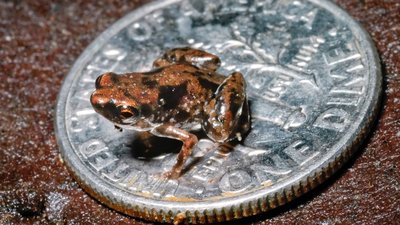
Anura (frogs and toads): Lack tails as adults, have powerful hind legs for jumping.
Apoda (caecilians): Legless, nearly blind, and resemble earthworms.
Amniotes
Key Adaptations
Amniotes are tetrapods whose embryos are protected by amniotic membranes. This adaptation allowed for reproduction away from water and includes reptiles (including birds) and mammals.
Amniotic egg: Contains membranes that protect the embryo and, in many species, a shell that prevents dehydration.
Other adaptations: Use of keratin in skin structures, internal fertilization, and behavioral temperature regulation.
Reptiles (Including Birds)
Class Reptilia + Aves
Reptiles are a diverse group that includes lizards, snakes, turtles, crocodilians, birds, and extinct groups like dinosaurs. They are characterized by keratinized scales, internal fertilization, and shelled eggs.
Ectothermy: Most reptiles regulate body temperature through external sources.
Endothermy in birds: Birds maintain body temperature through metabolic activity and have adaptations for flight, such as feathers and lightweight skeletons.
Mammals
Class Mammalia
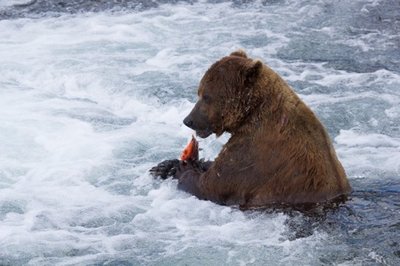
Mammals are endothermic vertebrates with hair, mammary glands, and a high metabolic rate. They exhibit extensive parental care and have a large brain-to-body-size ratio.
Monotremes: Egg-laying mammals (e.g., platypus, echidnas).
Marsupials: Give birth to underdeveloped young that complete development in a pouch (e.g., kangaroos, koalas).
Eutherians: Placental mammals with complex placentas and longer gestation periods (e.g., primates, rodents, whales).
Summary Table: Key Chordate and Vertebrate Features
Group | Key Features | Examples |
|---|---|---|
Cephalochordata | All chordate features in adults | Lancelets |
Urochordata | Chordate features in larvae | Tunicates |
Cyclostomes | Jawless, notochord in adults | Hagfish, Lampreys |
Gnathostomes | Jaws, mineralized skeleton | Sharks, Ray-finned fish, Tetrapods |
Amphibia | Dual life cycle, moist skin | Frogs, Salamanders, Caecilians |
Amniotes | Amniotic egg, keratinized skin | Reptiles, Birds, Mammals |
Mammalia | Hair, mammary glands, live birth (most) | Bears, Humans, Whales |
Key Events in Vertebrate Evolution
Development of vertebrae and skull
Evolution of jaws and mineralized skeleton
Origin of lobed fins and limbs with digits
Emergence of the amniotic egg
Additional info: This summary integrates textbook-level context to clarify evolutionary relationships and the significance of derived features in major vertebrate groups. The images included are directly relevant to the described taxa and anatomical features, reinforcing the educational content.
