 Indietro
The Chemistry of the Cell: Carbon, Water, Membranes, and Macromolecular Assembly
Guida di studio - Note intelligenti
 Appunti personalizzati basati sui tuoi materiali, ampliati con definizioni chiave, esempi e contesto.
The Chemistry of the Cell
The Importance of Carbon
Carbon is the foundational element in biological molecules, forming the backbone of cellular compounds. Its unique bonding properties allow for the diversity and stability of organic molecules essential for life.
Valence of Carbon: Carbon has a valence of four, enabling it to form up to four covalent bonds with other atoms, including itself, oxygen, hydrogen, nitrogen, and sulfur.
Covalent Bonding: Carbon atoms can form single, double, or triple bonds, resulting in a wide variety of molecular structures such as chains, rings, and branched compounds.
Stability: The stability of carbon-containing molecules is due to the high bond energies of covalent bonds, making them resistant to spontaneous breakdown by visible light or thermal energy.
Diversity: The tetravalent nature of carbon allows for the formation of hydrocarbons, functionalized molecules, and complex macromolecules.
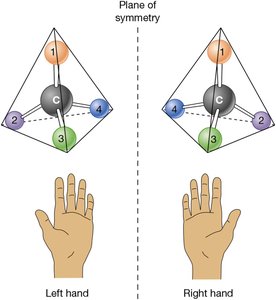
Stereoisomerism: Carbon atoms with four different substituents can form stereoisomers, which are non-superimposable mirror images, increasing molecular diversity.
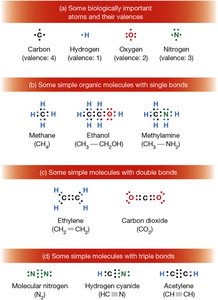
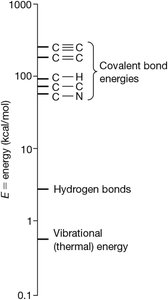
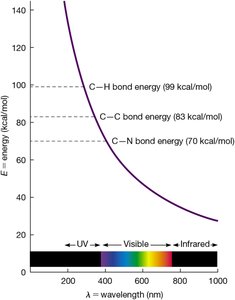
Examples of Carbon Compounds
Hydrocarbons: Compounds containing only carbon and hydrogen, such as methane, ethane, propane, ethylene, acetylene, and benzene. Hydrocarbons are important in membrane structure but are generally insoluble in water.
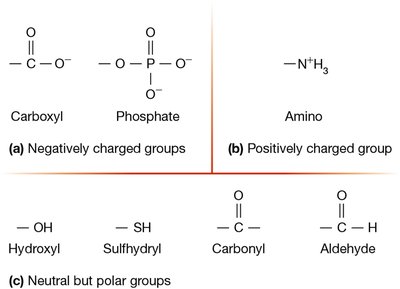
Functional Groups: Specific groupings of atoms (e.g., carboxyl, phosphate, amino, hydroxyl, sulfhydryl, carbonyl, aldehyde) confer distinct chemical properties and reactivity to organic molecules.
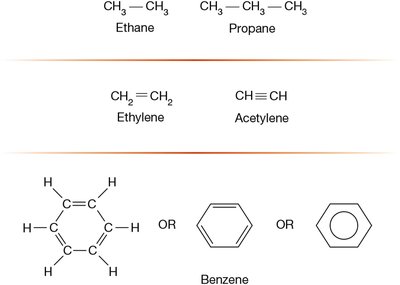
Stereoisomers
Definition: Molecules with the same structural formula but different spatial arrangements, often due to asymmetric carbon atoms.
Biological Relevance: Only specific stereoisomers (e.g., L-amino acids) are used in proteins.
The Importance of Water
Properties and Biological Roles
Water is the most abundant molecule in cells, serving as the universal solvent and medium for biochemical reactions. Its unique properties stem from its polarity and ability to form hydrogen bonds.
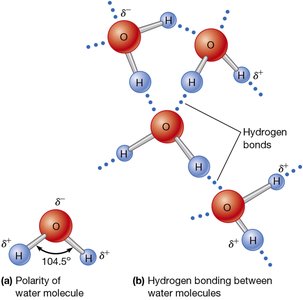
Polarity: Water molecules have an asymmetric charge distribution, with a partial negative charge on oxygen and partial positive charges on hydrogen atoms.
Cohesion: Extensive hydrogen bonding leads to high surface tension, boiling point, specific heat, and heat of vaporization.
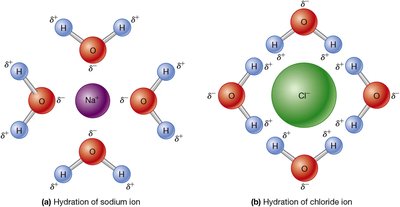
Solvent Properties: Water dissolves polar and ionic substances (hydrophilic), while nonpolar molecules (hydrophobic) are excluded, driving processes like membrane formation and protein folding.
Osmosis and Aquaporins: Water moves across membranes by osmosis and through specialized channels called aquaporins, facilitating rapid water transport in cells.

Solubilization of Ions
Spheres of Hydration: Water molecules surround ions, stabilizing them in solution and preventing reassociation.
Hydrophilic vs. Hydrophobic: Polar and charged molecules dissolve readily; nonpolar molecules aggregate to minimize disruption of water structure.
The Importance of Selectively Permeable Membranes
Membrane Structure and Function
Cellular membranes act as selective barriers, maintaining internal environments and regulating the exchange of substances.
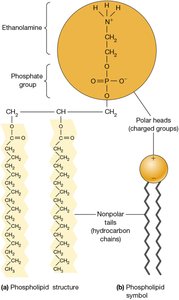
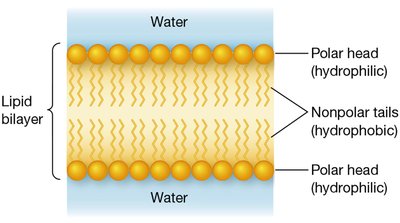
Amphipathic Molecules: Membrane lipids (e.g., phospholipids) have both hydrophilic heads and hydrophobic tails, allowing them to form bilayers in aqueous environments.
Lipid Bilayer: The basic structure of all biological membranes, with hydrophobic interiors and hydrophilic surfaces.
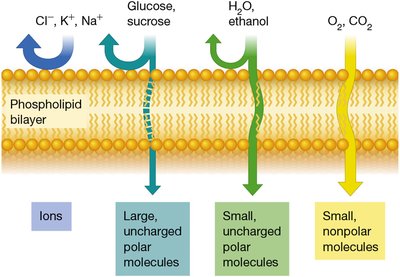
Selective Permeability: The bilayer is permeable to small, nonpolar molecules and water, but impermeable to most ions and large polar molecules. Transport proteins facilitate the movement of specific substances.
The Importance of Synthesis by Polymerization
Macromolecules and Cellular Hierarchy
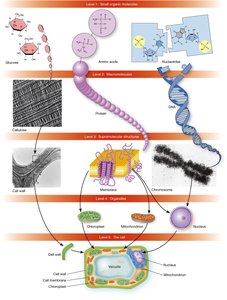
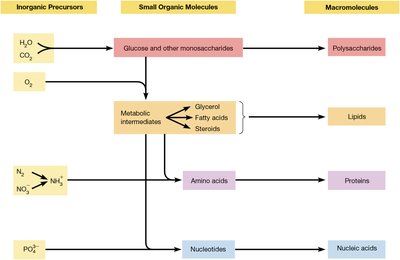
Most cellular structures are composed of macromolecules—large polymers formed by the stepwise polymerization of small organic monomers. This hierarchical organization is fundamental to cell structure and function.
Hierarchy: Small molecules (monomers) → Macromolecules (polymers) → Supramolecular structures → Organelles → Cells.
Types of Macromolecules: Proteins, nucleic acids, and polysaccharides are the main polymers; lipids are macromolecules but not true polymers.
Informational Macromolecules: Nucleic acids store genetic information; proteins perform structural, catalytic, and regulatory roles.
Polysaccharides: Serve as energy storage (e.g., starch, glycogen) or structural components (e.g., cellulose, chitin).
Principles of Polymerization
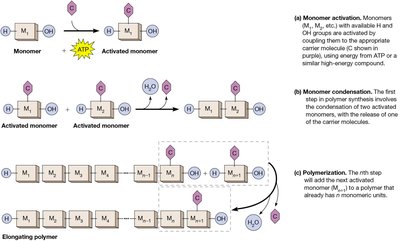
Macromolecules are synthesized by stepwise addition of activated monomers via condensation reactions (removal of water).
Activation involves coupling monomers to carrier molecules, using energy from ATP or similar compounds.
Polymers have inherent directionality due to the nature of their synthesis.
Degradation occurs by hydrolysis (addition of water to break bonds).
The Importance of Self-Assembly
Principles of Molecular Self-Assembly
Macromolecules spontaneously fold and assemble into higher-order structures based on information inherent in their sequences and chemical properties.
Noncovalent Interactions: Hydrogen bonds, ionic bonds, van der Waals forces, and hydrophobic interactions stabilize macromolecular structures.
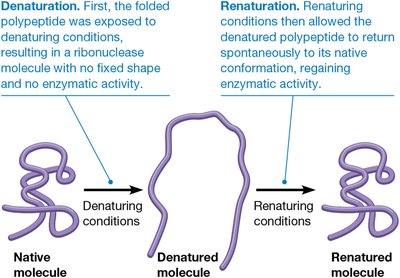
Protein Folding: Polypeptides fold into functional proteins; denaturation disrupts structure and function, while renaturation can restore them if the sequence is intact.
Molecular Chaperones: Assist in correct folding and assembly but do not provide structural information.
Self-Assembly in Viruses and Cellular Structures
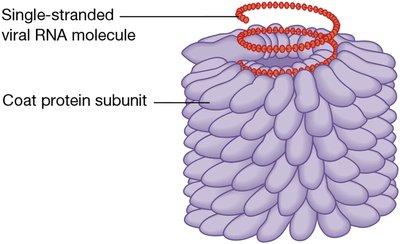
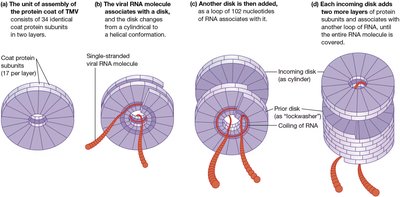
Viruses: Viral components (e.g., tobacco mosaic virus) can spontaneously assemble into infectious particles, demonstrating the sufficiency of molecular information for assembly.
Hierarchical Assembly: Biological structures are built from simple subunits through successive levels of organization, allowing for chemical simplicity and quality control.
Summary Table: Key Functional Groups in Biological Molecules
Group | Structure | Charge at pH ~7 | Example |
|---|---|---|---|
Carboxyl | –COO− | Negative | Amino acids, fatty acids |
Phosphate | –PO42− | Negative | Nucleotides, phospholipids |
Amino | –NH3+ | Positive | Amino acids |
Hydroxyl | –OH | Neutral, polar | Alcohols, sugars |
Sulfhydryl | –SH | Neutral, polar | Cysteine (amino acid) |
Carbonyl | –C=O | Neutral, polar | Ketones, aldehydes |
Aldehyde | –CHO | Neutral, polar | Glucose |
