 Indietro
CH 5 Merchandising Operations and Inventory in Financial Accounting
Guida di studio - Note intelligenti
 Appunti personalizzati basati sui tuoi materiali, ampliati con definizioni chiave, esempi e contesto.
Merchandising Operations
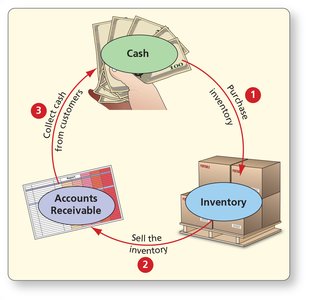
Introduction to Merchandising Businesses
Merchandising businesses are entities that purchase finished goods for resale to customers. Unlike service companies, merchandisers earn revenue by selling inventory rather than providing services. The accounting for merchandising operations introduces new accounts and transactions, particularly related to inventory and the cost of goods sold.
Merchandiser: A business that sells products to earn revenue.
Merchandise Inventory: Goods held for resale in the ordinary course of business.
Wholesaler: Sells goods to retailers.
Retailer: Sells goods to final consumers.
Vendor: The individual or company from whom inventory is purchased.
Financial Statements for Merchandising Companies
Income Statement Differences
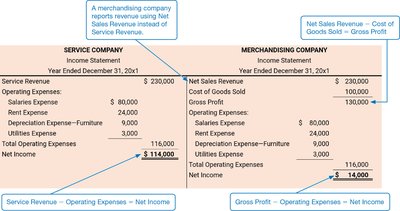
Merchandising companies report Net Sales Revenue and Cost of Goods Sold (COGS) on the income statement, which are not present in service companies. The difference between net sales revenue and COGS is called Gross Profit.
Net Sales Revenue: Total sales minus sales returns, allowances, and discounts.
Cost of Goods Sold (COGS): The cost of inventory sold during the period.
Gross Profit: Net Sales Revenue minus COGS.
Balance Sheet Differences
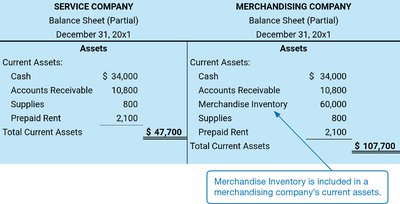
Merchandise inventory is reported as a current asset on the balance sheet of merchandising companies, whereas service companies do not have this account.
Inventory Systems
Perpetual vs. Periodic Inventory Systems
There are two primary systems for tracking inventory: perpetual and periodic. The perpetual system continuously updates inventory records, while the periodic system updates inventory at the end of the accounting period.
Perpetual System: Inventory and COGS are updated with each purchase and sale.
Periodic System: Inventory and COGS are determined at period-end by physical count.

Purchasing Inventory
Purchase Transactions and Journal Entries
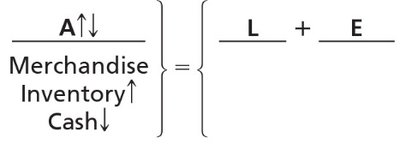
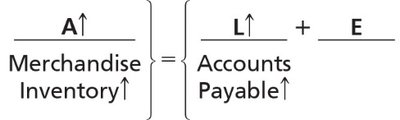
Inventory purchases can be made with cash or on account. The accounting equation is affected as follows:
When inventory is purchased for cash: Merchandise Inventory increases, Cash decreases.
When inventory is purchased on account: Merchandise Inventory increases, Accounts Payable increases.
Freight Terms: FOB Shipping Point vs. FOB Destination
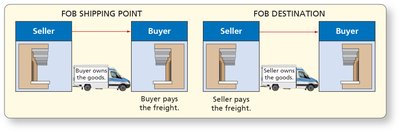
Freight terms determine who pays for shipping and when ownership transfers:
FOB Shipping Point: Buyer pays freight; ownership transfers at shipping point.
FOB Destination: Seller pays freight; ownership transfers at destination.
Sales Transactions
Recording Sales and Cost of Goods Sold
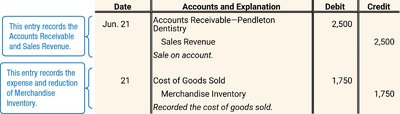
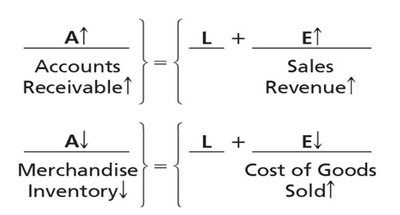
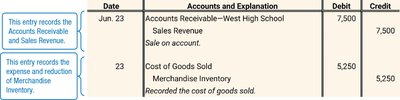
When inventory is sold, two entries are made: one for the sale and one for the cost of goods sold.
Sales Entry: Debit Cash or Accounts Receivable, Credit Sales Revenue.
COGS Entry: Debit Cost of Goods Sold, Credit Merchandise Inventory.
Sales Returns, Allowances, and Discounts
Returns and Allowances
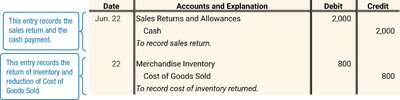
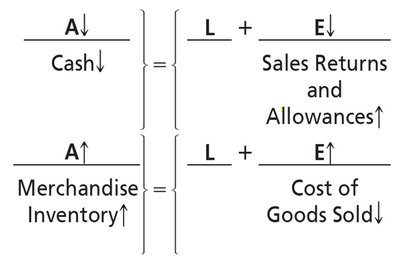
Customers may return goods or receive allowances for defective goods. These are recorded as reductions in sales revenue.
Sales Returns: Goods returned by the customer.
Sales Allowances: Price reductions for defective or unsatisfactory goods.
Sales Discounts
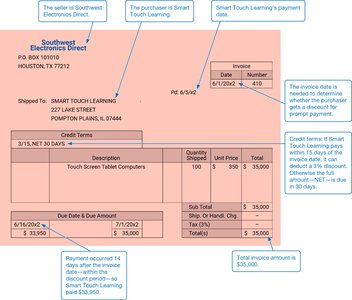
Sales discounts are offered to customers for early payment. The discount is recorded as a reduction in sales revenue.
Example: 2/10, n/30 means a 2% discount if paid within 10 days; otherwise, net amount due in 30 days.
Inventory Shrinkage
Physical Inventory and Adjustments
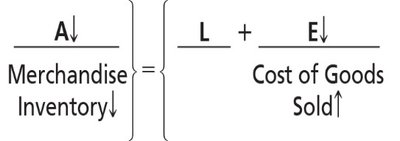
Inventory shrinkage occurs when the physical count of inventory is less than the recorded amount, often due to theft, loss, or errors. An adjusting entry is required to account for the shrinkage.
Adjusting Entry: Debit Cost of Goods Sold, Credit Merchandise Inventory.

Financial Statement Presentation
Classified Income Statement
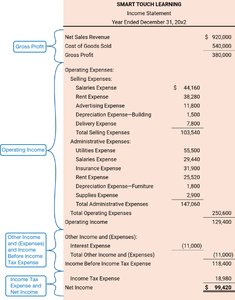
Merchandising companies often use a multi-step income statement, which separates operating revenues and expenses from non-operating items and highlights gross profit and operating income.
Gross Profit: Net Sales Revenue minus Cost of Goods Sold.
Operating Income: Gross Profit minus Operating Expenses.
Net Income: Operating Income plus/minus Other Income and Expenses, minus Income Tax Expense.

Classified Balance Sheet
Merchandise inventory is reported as a current asset, and its value is critical for determining working capital and liquidity.
Summary Table: Key Accounts in Merchandising Operations
Account | Type | Description |
|---|---|---|
Merchandise Inventory | Asset | Goods held for resale |
Cost of Goods Sold | Expense | Cost of inventory sold |
Sales Revenue | Revenue | Income from sales |
Sales Returns & Allowances | Contra-Revenue | Reductions in sales for returns/allowances |
Sales Discounts | Contra-Revenue | Reductions in sales for early payment |
Freight In | Expense/Inventory | Cost to bring inventory to location |
Key Formulas
Gross Profit:
Net Sales Revenue:
Cost of Goods Sold (Periodic):
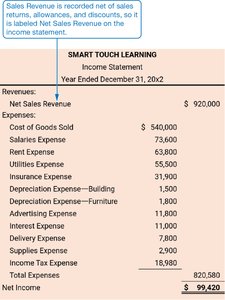
Example: Multi-Step Income Statement
Conclusion
Understanding merchandising operations is essential for financial accounting students, as it introduces new accounts, transactions, and financial statement presentations. Mastery of these concepts is foundational for analyzing and preparing the financial statements of merchandising businesses.
