 Indietro
Advanced Theories of Covalent Bonding: Hybridization, Sigma and Pi Bonds, and Resonance
Guida di studio - Note intelligenti
 Appunti personalizzati basati sui tuoi materiali, ampliati con definizioni chiave, esempi e contesto.
Advanced Theories of Covalent Bonding
Valence Bond Theory
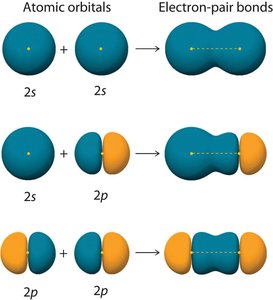
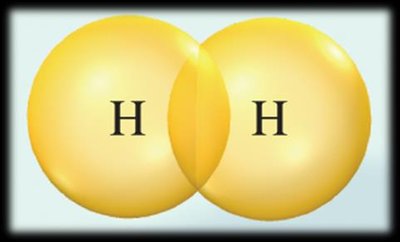
Valence Bond Theory explains the formation of covalent bonds through the overlap of atomic orbitals, each containing one unpaired electron. When these orbitals overlap, the electrons pair and are shared between atoms, resulting in a covalent bond.
Orbital Overlap: Covalent bonds form when atomic orbitals overlap and share electrons.
Bond Formation: The shared electron pair resides in the overlapped region, stabilizing the bond.
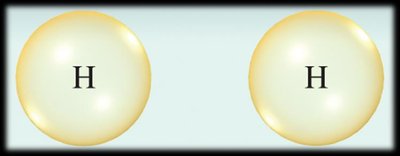
Example: The hydrogen molecule (H2) forms by the overlap of two 1s orbitals, each containing one electron.
Hybridization of Atomic Orbitals
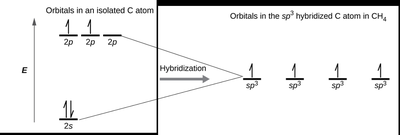
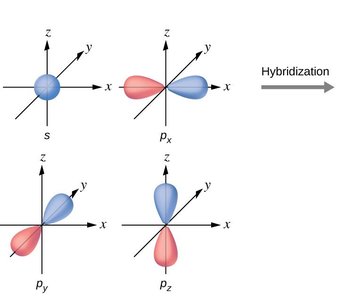
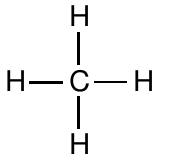
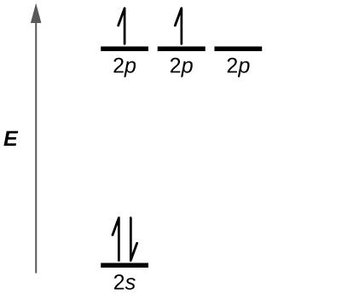
Hybridization is the process by which atomic orbitals mix to form new, equivalent hybrid orbitals. This concept explains the observed molecular geometries and identical bond strengths in molecules such as methane (CH4).
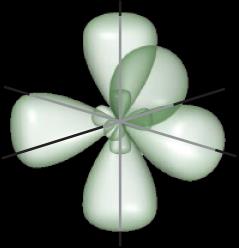
Hybrid Orbitals: Formed by combining s and p orbitals (and sometimes d orbitals) to create orbitals with specific geometries.
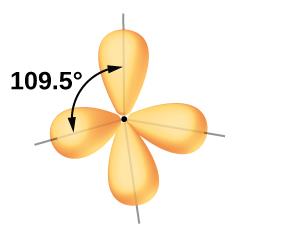
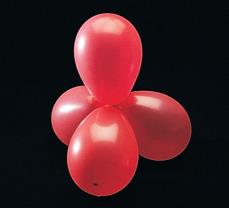
sp3 Hybridization: In methane, one s and three p orbitals combine to form four equivalent sp3 orbitals arranged tetrahedrally.
Ideal Bond Angle: The tetrahedral geometry has an ideal bond angle of 109.5°.
Electron Group Geometry: The number of electron regions determines the hybridization:
Electron Regions | Geometry | Hybridization | Formed From |
|---|---|---|---|
2 | Linear | sp | 1 s + 1 p |
3 | Trigonal planar | sp2 | 1 s + 2 p |
4 | Tetrahedral | sp3 | 1 s + 3 p |
5 | Trigonal bipyramidal | sp3d | 1 s + 3 p + 1 d |
6 | Octahedral | sp3d2 | 1 s + 3 p + 2 d |
Determining Hybridization
To determine the hybridization of a central atom:
Draw the Lewis structure.
Count the number of electron regions (single, double, triple bonds, and lone pairs each count as one region).
Match the number of regions to the hybridization type.
Example: In NI3, the central atom has four electron regions, so it is sp3 hybridized.
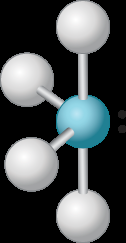
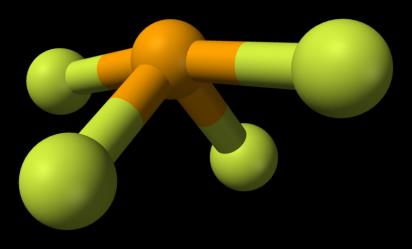
Example: In SeF4, the central atom has five electron regions, so it is sp3d hybridized.

Sigma (σ) and Pi (π) Bonds
Covalent bonds are classified as sigma (σ) or pi (π) bonds based on the type of orbital overlap:
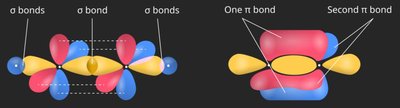
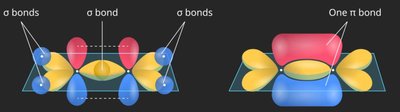
Sigma (σ) Bonds: Formed by direct, head-on overlap of orbitals along the internuclear axis. Every single bond is a sigma bond.
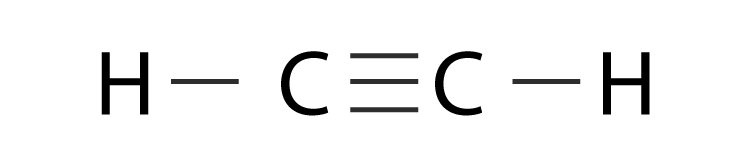
Pi (π) Bonds: Formed by side-by-side overlap of unhybridized p orbitals. Present in double and triple bonds, with the first bond always being sigma and the rest pi.
Bond Types:
Bond Type | Bonds Present |
|---|---|
Single bond | 1 σ |
Double bond | 1 σ + 1 π |
Triple bond | 1 σ + 2 π |

Resonance and Delocalized π Bonding
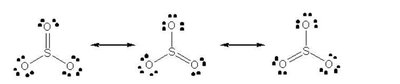
Resonance occurs when more than one valid Lewis structure can be drawn for a molecule, indicating that electrons are delocalized across multiple atoms. This delocalization stabilizes the molecule and results in bond lengths that are intermediate between single and double bonds.
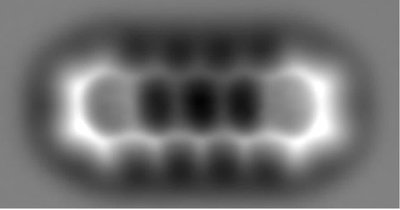
Delocalized π Bonding: π electrons are shared across several atoms, as seen in benzene and pentacene.
Experimental Evidence: All C–C bonds in benzene are identical in length, confirming delocalization.
Example: SO3 and CO2 exhibit resonance and delocalized bonding.
Key Takeaways
Hybridization: Predicted from electron group geometry (2 regions = sp, 3 = sp2, 4 = sp3, 5 = sp3d, 6 = sp3d2).
Sigma Bonds: Form from direct orbital overlap; every single bond contains a sigma bond.
Pi Bonds: Form from side-by-side overlap of unhybridized p orbitals; present in double and triple bonds.
Multiple Bonds: Consist of one sigma bond and additional pi bonds.
Resonance: Indicates delocalized π bonding.
Example Problems
Hybridization of Central Atoms: For a molecule with 4 electron regions, the central atom is sp3 hybridized; with 5 regions, it is sp3d hybridized.
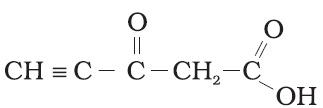
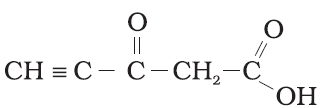
Counting Sigma and Pi Bonds: In a molecule with 13 sigma and 2 pi bonds, all single bonds are sigma, and double/triple bonds contribute pi bonds.
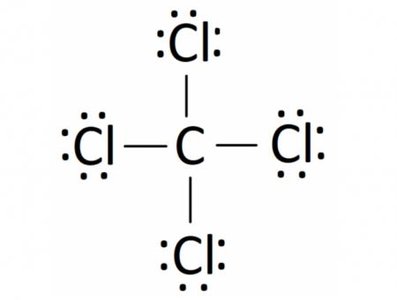
Resonance Structures: SO3 and CO2 exhibit resonance, while CCl4 does not.
Formulas and Equations
Hybridization:
Bond Counting:
Additional info: The notes cover Module 11 content, which aligns with General Chemistry topics such as bonding, hybridization, and resonance. Images included are directly relevant to the explanation of orbital overlap, hybridization, molecular geometry, and resonance.
