Indietro

CHEM 142: General Chemistry II – Syllabus and Course Structure Study Guide

Guida di studio - Impara con i video

Lezioni curate abbinate al materiale che hai caricato – impara ogni argomento passo dopo passo.

Solutions: Solubility and Intermolecular Forces

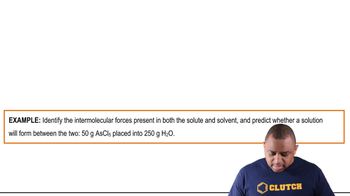
  • Intermolecular Forces Example
    01:52
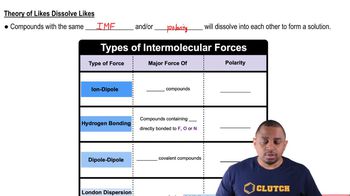
  • Intermolecular Forces in Solutions
    02:42
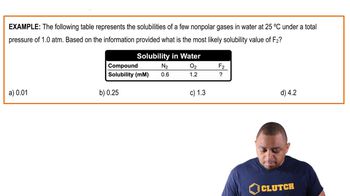
  • Gas Solubility Example
    01:44

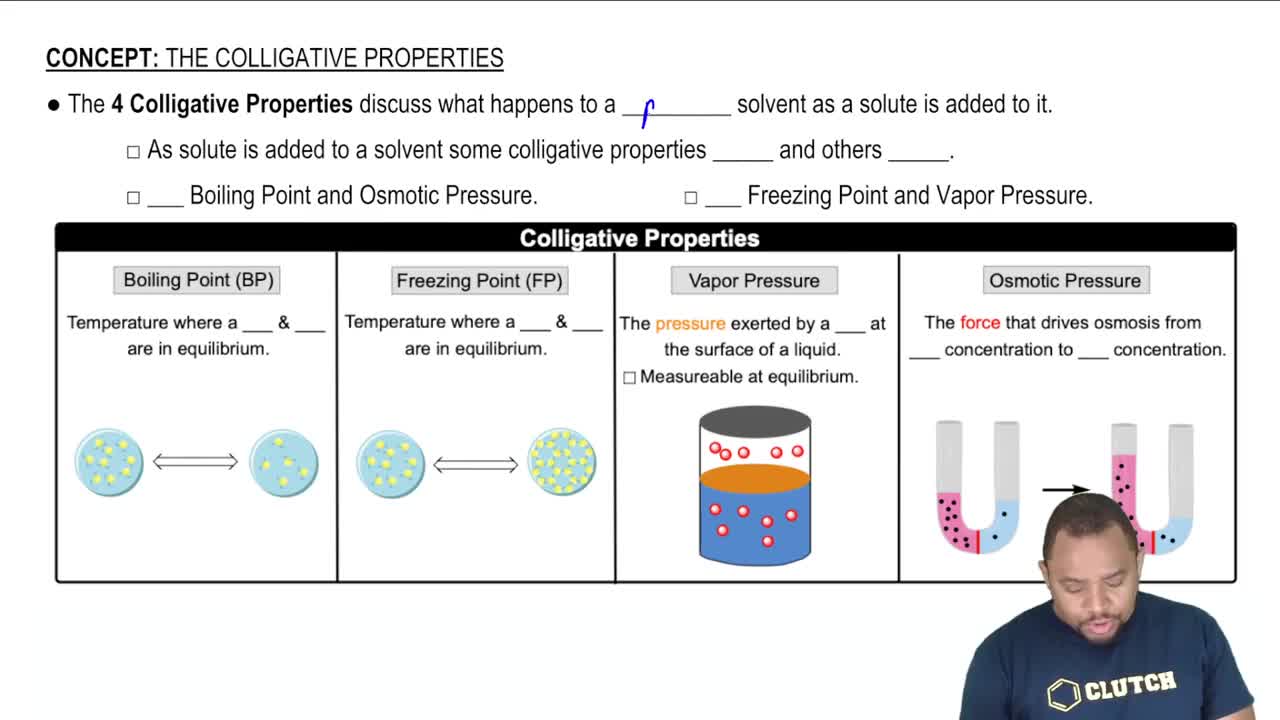
The Colligative Properties

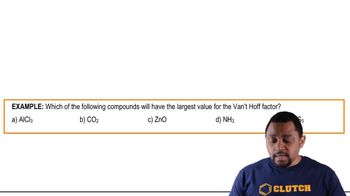
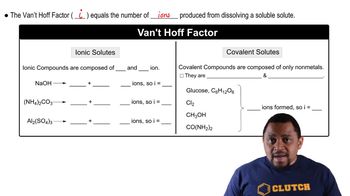
  • Van't Hoff Factor Example
    01:05
  • Colligative Properties
    02:49
  • Van't Hoff Factor
    02:50

Intro to Chemical Kinetics

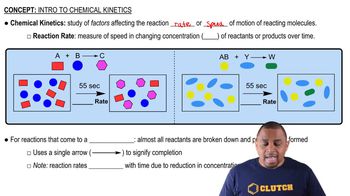
  • Chemical Kinetics
    03:06
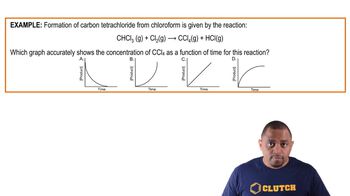
  • Chemical Kinetics Example
    01:34

Rate Law

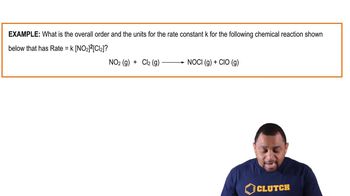
  • Rate Constant Units Example
    01:07
  • Rate Constant Units
    00:45
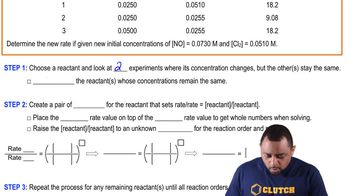
  • Rate Law Calculation Example
    07:33

Reaction Mechanism

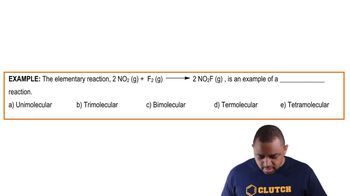
  • Molecularity in Reactions Example
    01:02
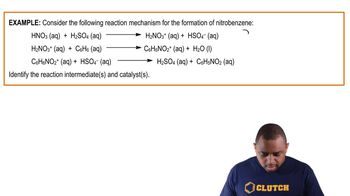
  • Reaction Mechanism Example
    02:14
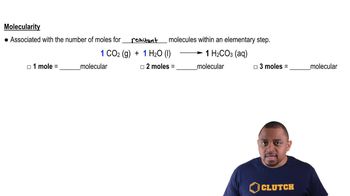
  • Molecularity in Reactions
    01:31

Intro to Chemical Equilibrium

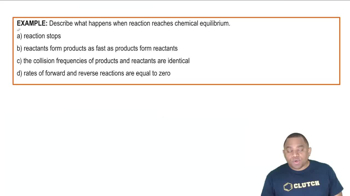
  • Chemical Equilibrium Example
    01:18
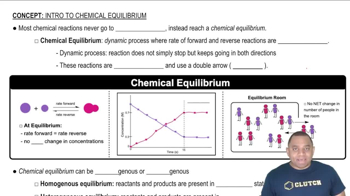
  • Chemical Equilibrium Concepts
    04:20

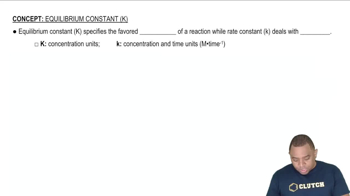
Equilibrium Constant K

  • Equilibrium Constant K
    01:14
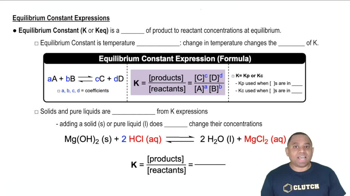
  • Equilibrium Constant Expressions
    03:20
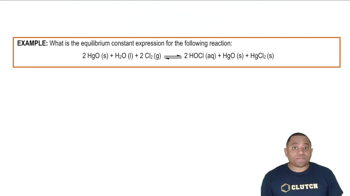
  • Equilibrium Constant Expressions Example
    01:07

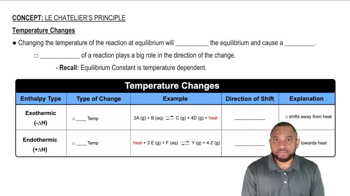
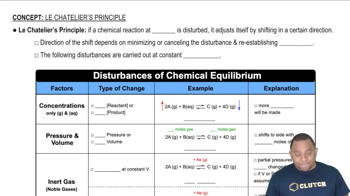
Le Chatelier's Principle

  • Temperature and Equilibrium Shifts
    04:04
  • Le Chatelier's Principle
    07:32
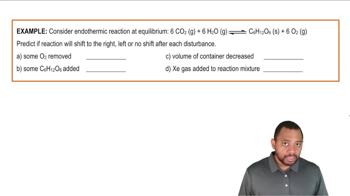
  • Disturbances and Equilibrium Shifts Example
    02:50

Acids Introduction

  • Acid Structure and Types
    02:29
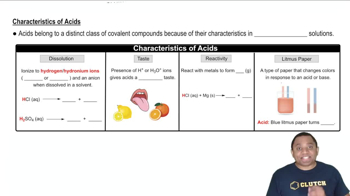
  • Acid Characteristics
    02:59
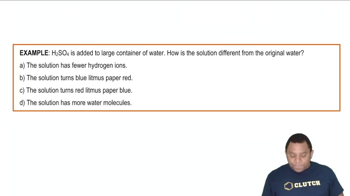
  • Acid Characteristics Example
    01:23

Bases Introduction

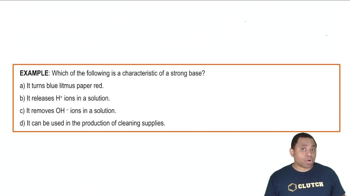
  • Strong Bases Example
    01:12
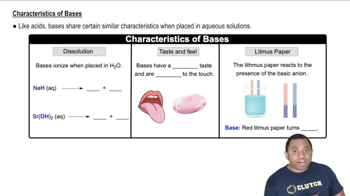
  • Base Properties
    01:57
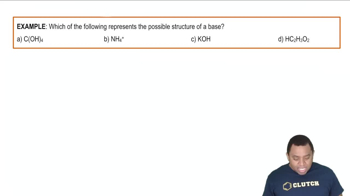
  • Base Structure Example
    01:16

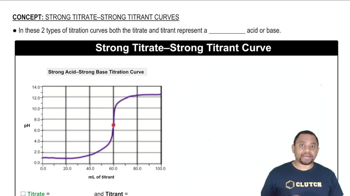
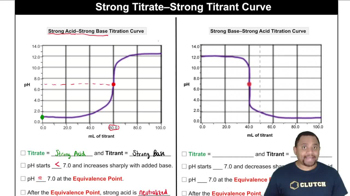
Strong Titrate-Strong Titrant Curves

  • Strong Titrate-Strong Titrant Curve Example
    02:56
  • Strong Acid-Strong Base Titration Curve
    02:32
  • Strong Titrate-Strong Titrant Curve
    02:09

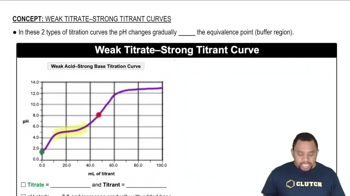
Weak Titrate-Strong Titrant Curves

  • Weak Titrate-Strong Titrant Curve Example
    02:08
  • Acid-Base Titration Formulas Example
    03:01
  • Weak Acid-Strong Base Titration Curve
    02:19

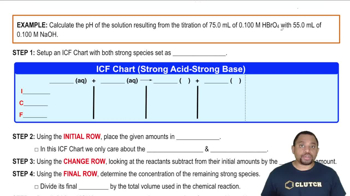
Titrations: Strong Acid-Strong Base

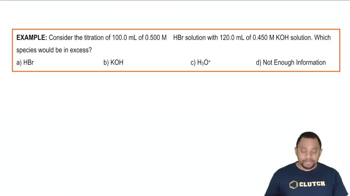
  • Strong Acid-Strong Base Titration Example
    04:43
  • Strong Acid-Strong Base Titration
    01:09

Titrations: Weak Acid-Strong Base

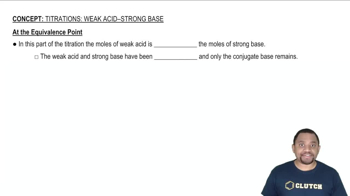
  • At the Equivalence Point
    01:07
  • Before the Equivalence Point
    01:30
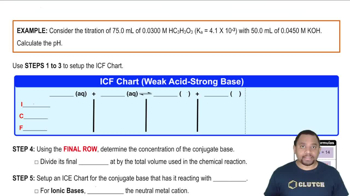
  • pH at the Equivalence Point Example
    08:27

Titrations: Weak Base-Strong Acid

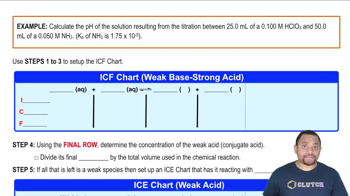
  • pH Before the Equivalence Point Example
    05:10
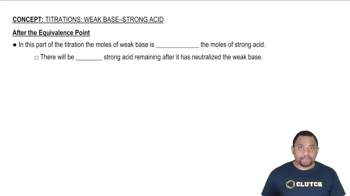
  • After the Equivalence Point
    00:53
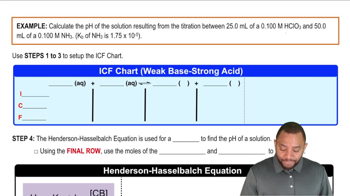
  • pH at the Equivalence Point Example
    07:28

Solubility Product Constant: Ksp

  • Solubility Product Constant
    01:47
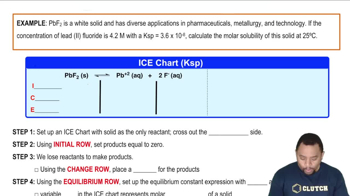
  • Molar Solubility Example
    04:13
  • Ksp Calculations
    01:51

Ksp: Common Ion Effect

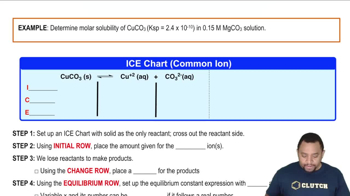
  • Common Ion Effect Example
    03:39
  • Common Ion Effect in Acids and Bases
    00:33
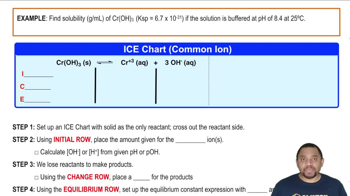
  • Solubility at Buffered pH Example
    05:30

Selective Precipitation

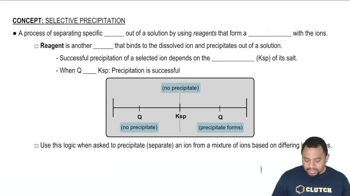
  • Selective Precipitation
    01:53
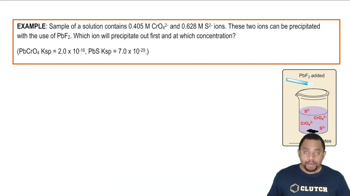
  • Selective Precipitation Example
    03:22

Entropy

  • Second Law of Thermodynamics Example
    00:48
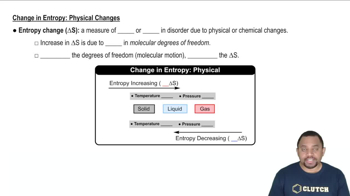
  • Entropy and Physical Changes
    02:35
  • Standard Molar Entropy Example
    01:17

Third Law of Thermodynamics

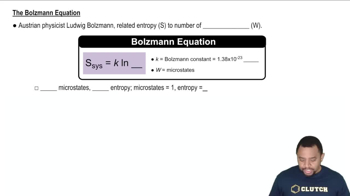
  • The Boltzmann Equation
    01:23
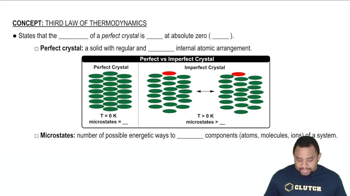
  • Entropy of Perfect Crystals
    02:20
  • The Boltzmann Equation Example
    00:49

Entropy Calculations

  • Total Entropy Example
    01:23
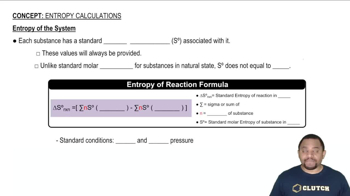
  • Entropy of the System
    02:06
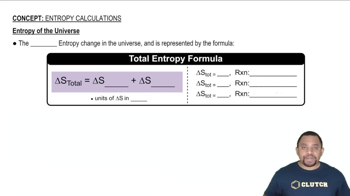
  • Entropy of the Universe
    01:42

Gibbs Free Energy

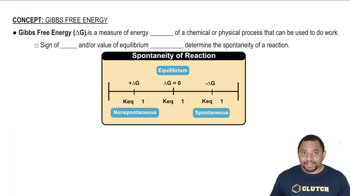
  • Spontaneity of Reactions
    03:38
  • ΔG and Spontaneity Example
    01:23
  • Spontaneity and Temperature Example
    02:42

Gibbs Free Energy Calculations

  • The Gibbs Free Energy Formula
    00:44
  • Standard Gibbs Free Energy and Temperature
    00:32
  • The Gibbs Free Energy Formula Example
    01:29

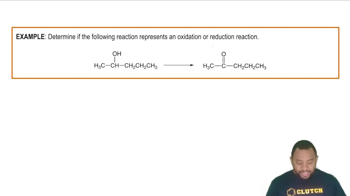
Intro to Redox Reactions

  • Intro To Redox Reactions Example
    01:19
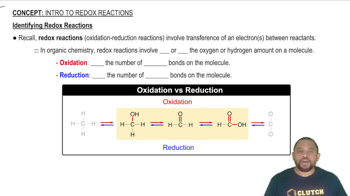
  • Identifying Redox Reactions
    03:12

Redox Reactions

  • Oxidation and Reduction Reaction Example
    02:17
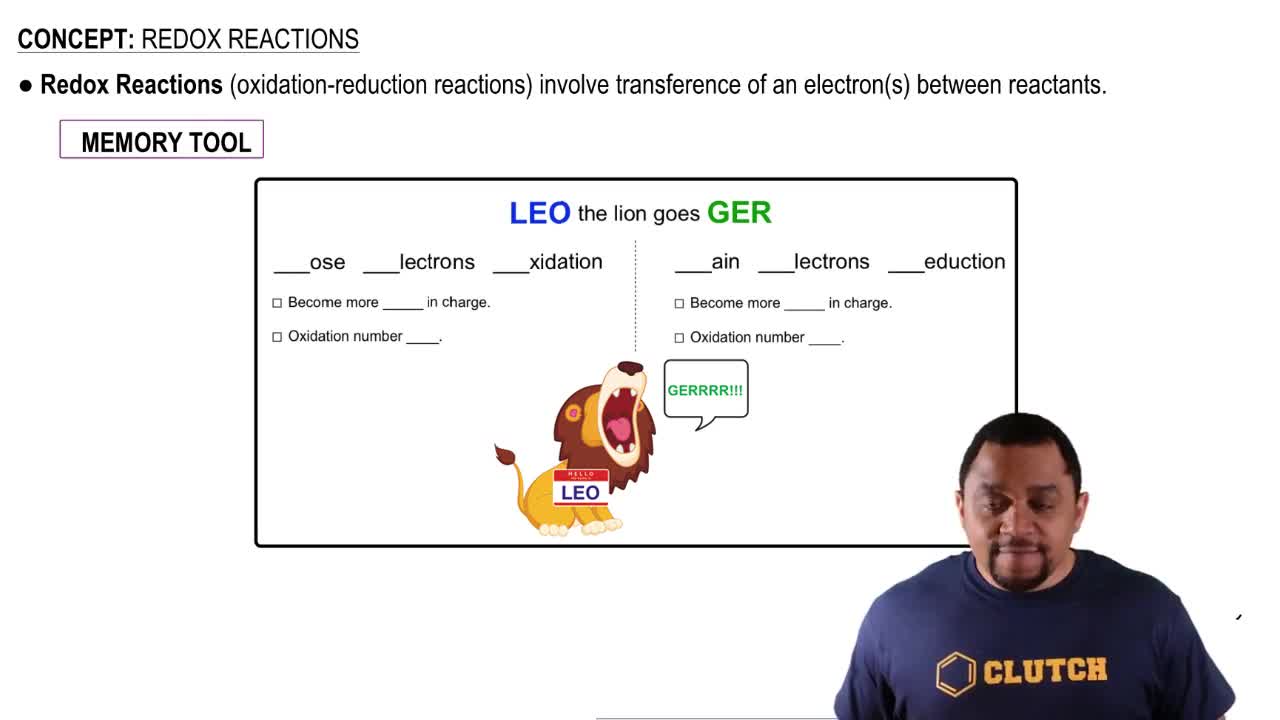
  • Oxidation and Reduction Reactions
    01:53
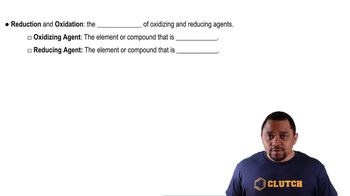
  • Oxidizing and Reducing Agents
    01:01

Standard Reduction Potentials

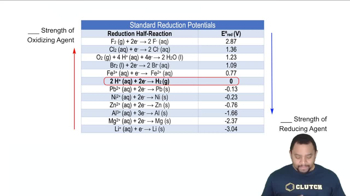
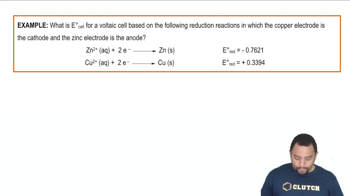
  • Comparing Standard Reduction Potentials
    03:13
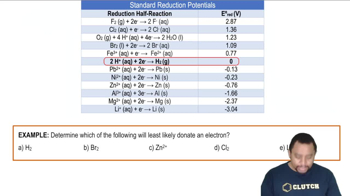
  • Standard Reduction Potentials Example
    01:51
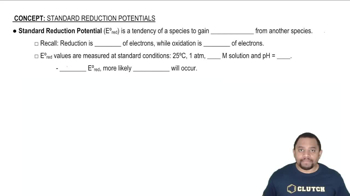
  • Standard Reduction Potentials
    01:10

Intro to Electrochemical Cells

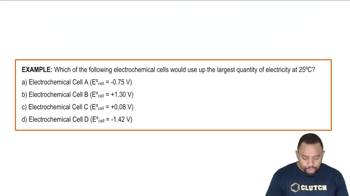
  • Electrochemical Cells Example
    01:01
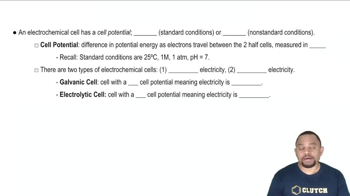
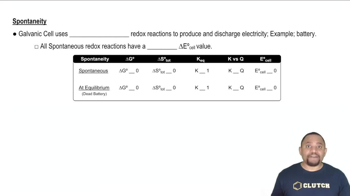
  • Cell Potential and Spontaneity
    02:32
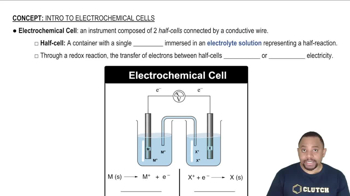
  • Electrochemical Cells
    02:46

Galvanic Cell

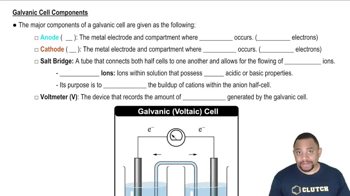
  • Galvanic Cell Components
    03:55
  • Galvanic Cell and Spontaneity
    03:04
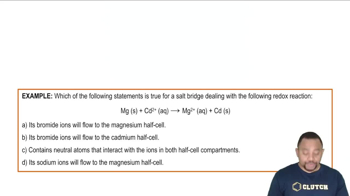
  • Galvanic Cell Components Example
    02:22

Cell Potential: Standard

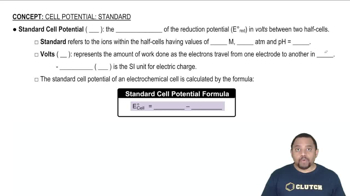
  • Standard Cell Potential
    01:27
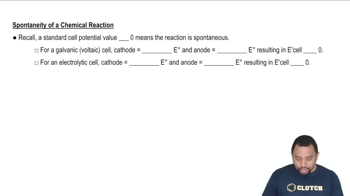
  • Standard Cell Potential and Spontaneity
    01:46
  • Standard Cell Potential Example
    01:34

Cell Potential: The Nernst Equation

  • The Reaction Quotient
    01:01
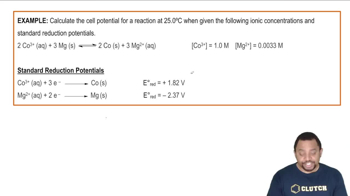
  • The Nernst Equation Example
    04:38
  • The Nernst Equation
    01:17

Cell Potential and Gibbs Free Energy

  • Faraday's Constant in Electrochemistry Example
    02:11
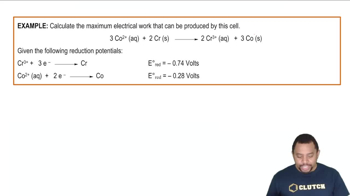
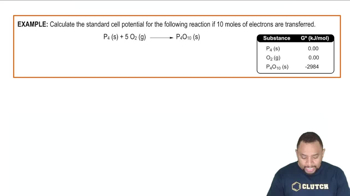
  • Cell Potential and Gibbs Free Energy Example
    03:18
  • Faraday's Constant in Electrochemistry
    01:40

Cell Potential and Equilibrium

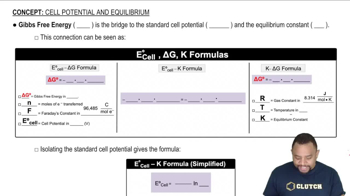
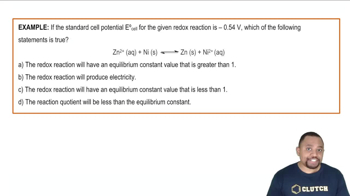
  • Cell Potential and Equilibrium
    02:38
  • Cell Potential and Equilibrium Example
    02:17

Cell Potential: G and K

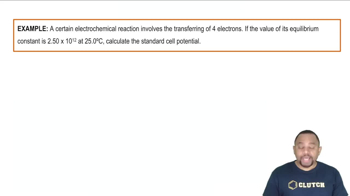
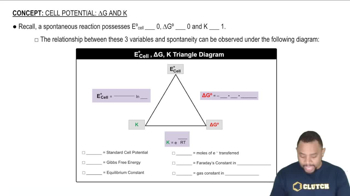
  • Relationship between ∆E°, ∆G°, and K
    02:43
  • Relationship between ∆E°, ∆G°, and K Example
    02:57

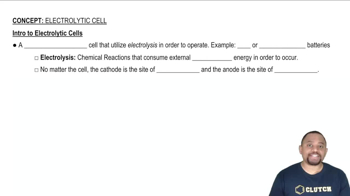
Electrolytic Cell

  • Electrolytic Cell Example
    00:45
  • The Electrolytic Cell
    01:21
  • Electrolytic Cells and Spontaneity Example
    01:24

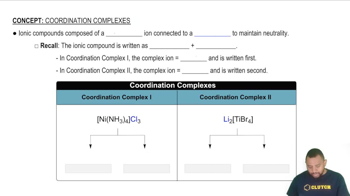
Coordination Complexes

  • Coordination Complexes Example
    00:43
  • Coordination Complexes I and II
    02:28

Ligands

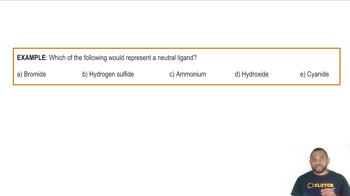
  • Ligands Example
    01:12
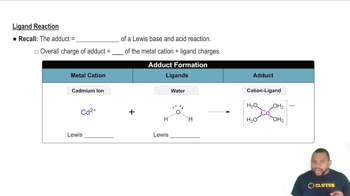
  • Ligand Reaction
    01:53
  • Ligands Example
    00:40

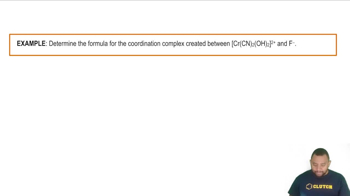
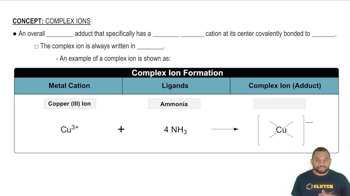
Complex Ions

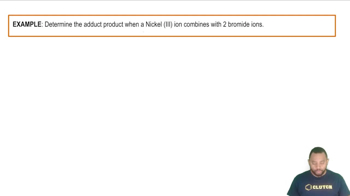
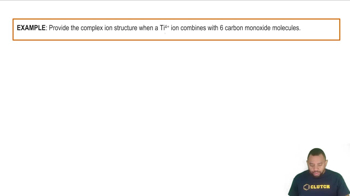
  • Complex Ions Example
    00:57
  • Complex Ion Formation
    02:09

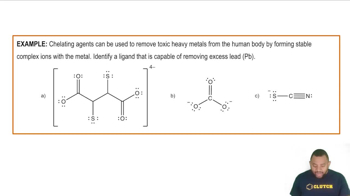
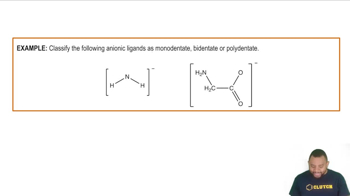
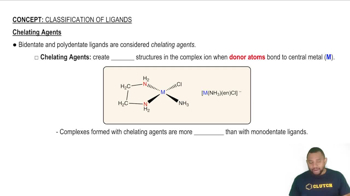
Classification of Ligands

  • Classification of Ligands Example
    01:42
  • Classification of Ligands Example
    01:48
  • Chelating Agents
    01:21

Coordination Numbers & Geometry

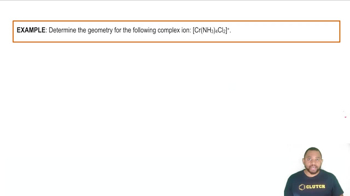
  • Coordination Numbers and Geometry Example
    00:30
  • Coordination Numbers
    00:27
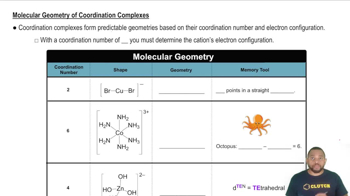
  • Molecular Geometry of Coordination Complexes
    02:40

Intro to Crystal Field Theory

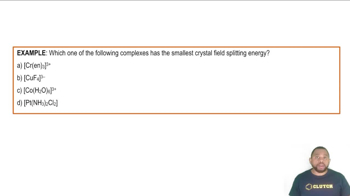
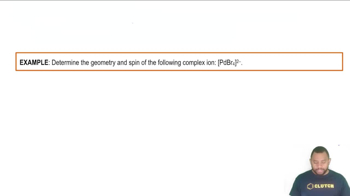
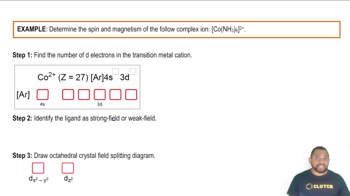
  • Example
    00:59
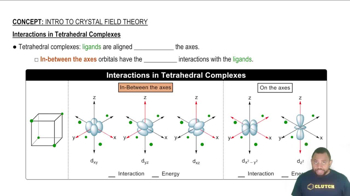
  • For tetrahedral complexes, the greatest ligand-metal interactions occur in between the axes.
    02:37
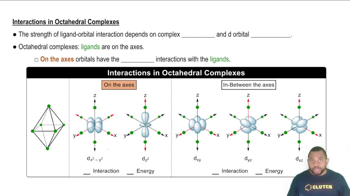
  • For octahedral complexes, the greatest ligand-metal interactions occur on or along the axes.
    02:01

Crystal Field Theory: Octahedral Complexes

  • Example
    00:43
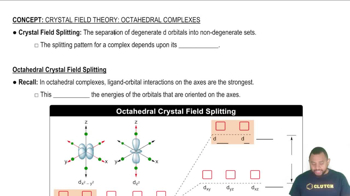
  • The crystal field splitting pattern for octahedral complexes has the d orbitals on or along the axes as having the higher energy.
    03:04

Crystal Field Theory: Tetrahedral Complexes

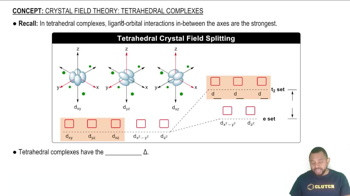
  • The crystal field splitting pattern for tetrahedral complexes has the d orbitals in between the axes as having the higher energy.
    01:38
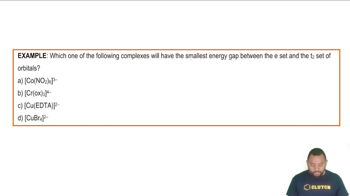
  • Example
    01:11

Crystal Field Theory: Square Planar Complexes

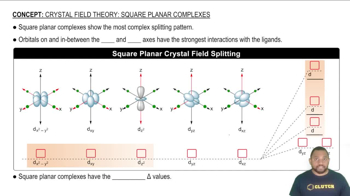
  • Square planar complexes show the most complex splitting pattern.
    02:07
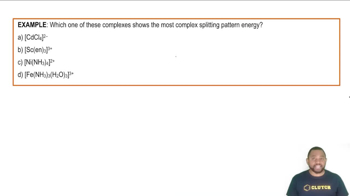
  • Example
    01:17

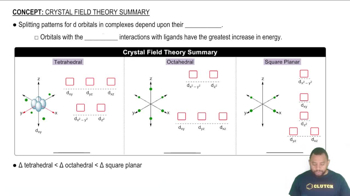
Crystal Field Theory Summary

  • Example
    02:46
  • The greatest ligand-orbital interactions result in the greatest increase in energy.
    03:01

Magnetic Properties of Complex Ions

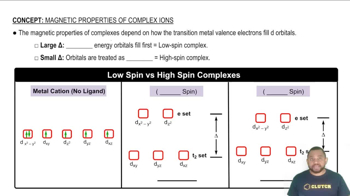
  • Low-Spin Complexes are associated with large Δ values and High-Spin Complexes are associated with small Δ values.
    04:23
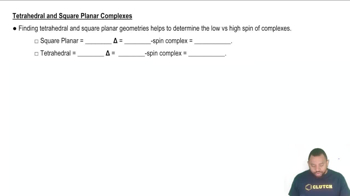
  • Finding tetrahedral and square planar geometries helps to determine the low vs high spin of complexes.
    01:43
  • Example
    02:14

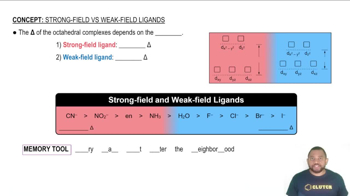
Strong-Field vs Weak-Field Ligands

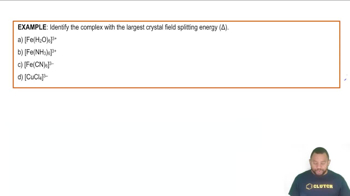
  • Example
    02:09
  • Strong-Field Ligands result in a large Δ and Weak-Field Ligands result in a small Δ.
    02:40

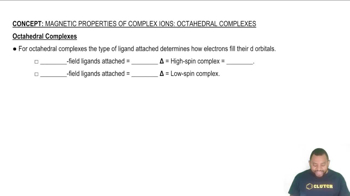
Magnetic Properties of Complex Ions: Octahedral Complexes

  • For octahedral complexes, Weak-Field Ligands create High-spin complexes and Strong-Field Ligands create Low-spin complexes.
    01:28
  • Example
    02:52
Intro to Hydrocarbons

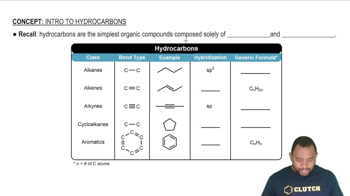
  • Intro To Hydrocarbons
    04:29
  • Intro To Hydrocarbons Example
    00:51
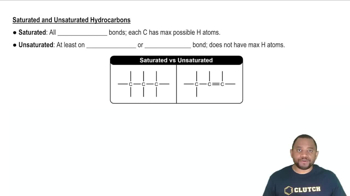
  • Saturated and Unsaturated Hydrocarbons
    02:12
Functional Groups in Chemistry

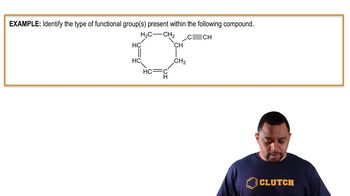
  • Functional Groups Example
    01:10
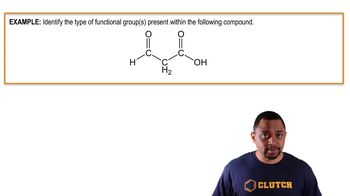
  • Functional Groups Example
    01:00
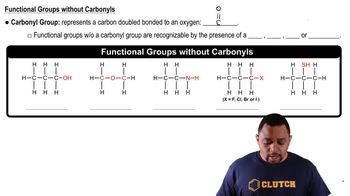
  • Non-Carbonyl Functional Groups
    02:23

Introduction to Organic Chemistry

  • Introduction to Organic Chemistry Example
    01:29
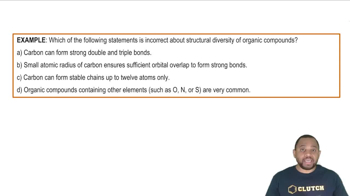
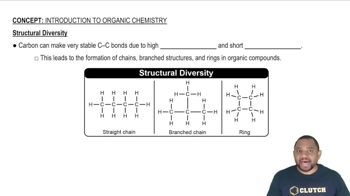
  • Structural Diversity
    01:30
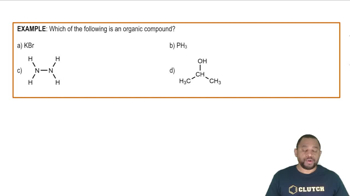
  • Introduction to Organic Chemistry Example
    00:42