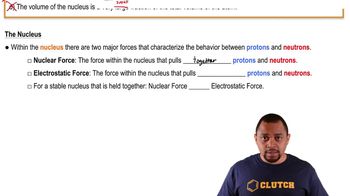
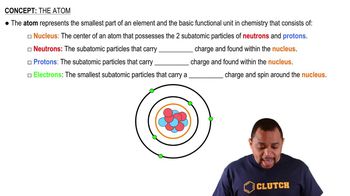
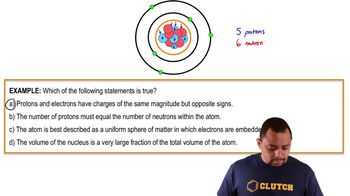
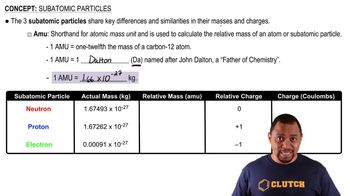
The Atom
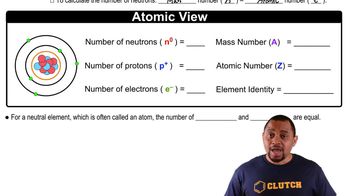
Subatomic Particles
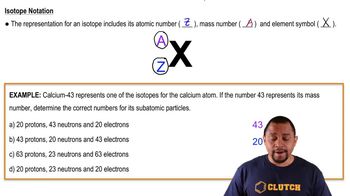
Isotopes
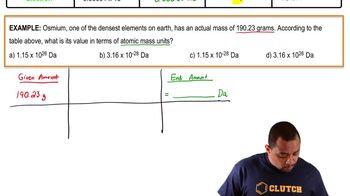
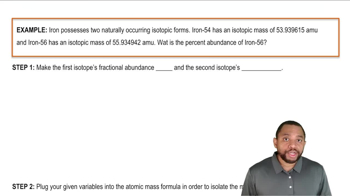
Atomic Mass
Atomic Theory
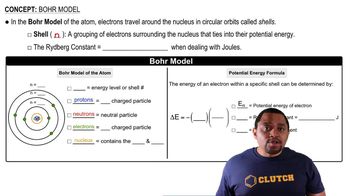
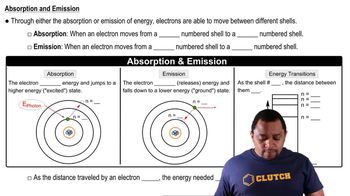
Bohr Model
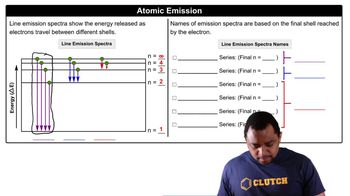
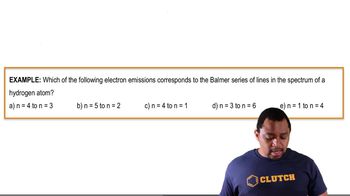
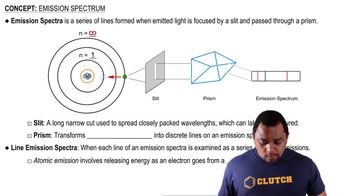
Emission Spectrum
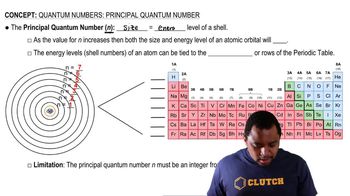
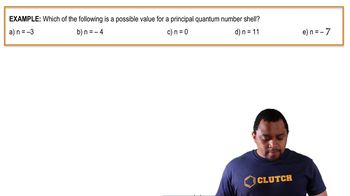
Quantum Numbers: Principal Quantum Number
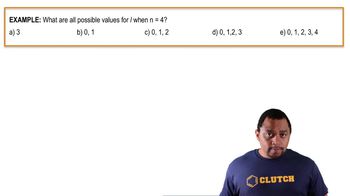
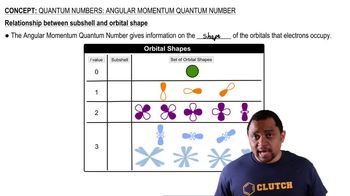
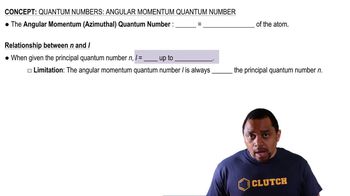
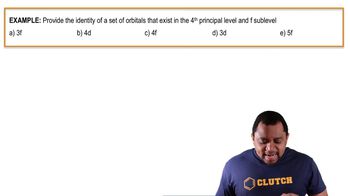
Quantum Numbers: Angular Momentum Quantum Number
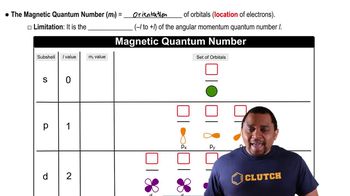
Quantum Numbers: Magnetic Quantum Number
Quantum Numbers: Spin Quantum Number
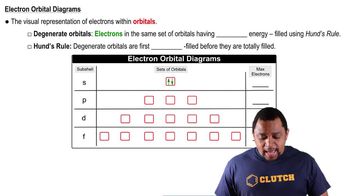
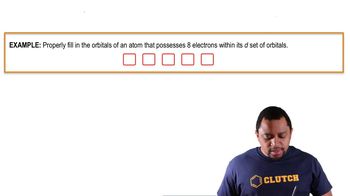
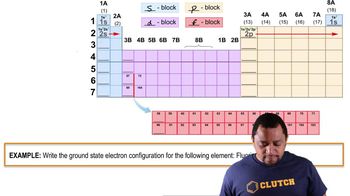
The Electron Configuration
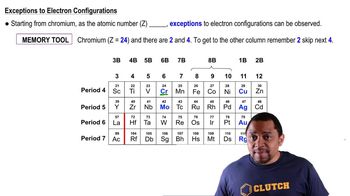
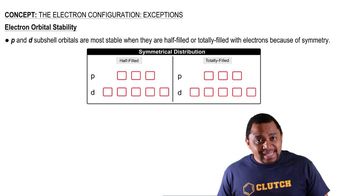
The Electron Configurations: Exceptions
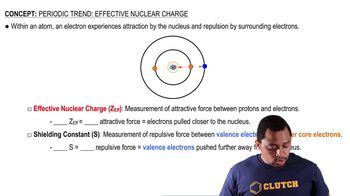
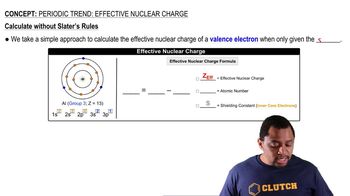
Periodic Trend: Effective Nuclear Charge
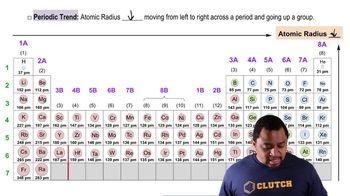
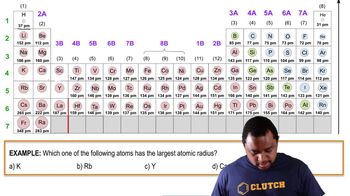
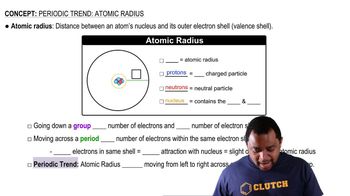
Periodic Trend: Atomic Radius
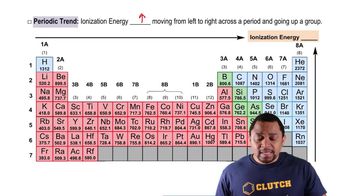
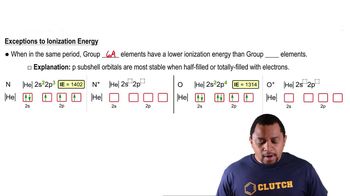
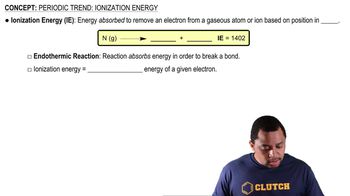
Periodic Trend: Ionization Energy
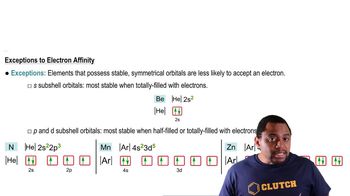
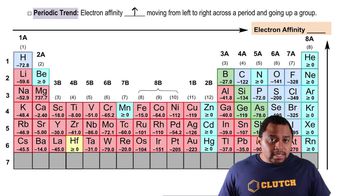
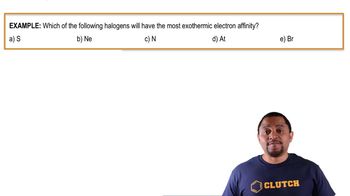
Periodic Trend: Electron Affinity
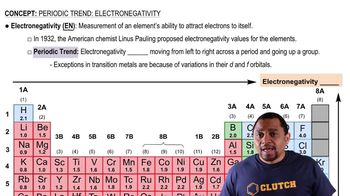
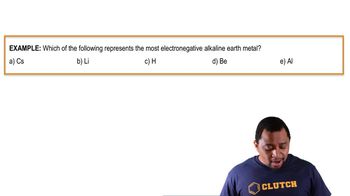
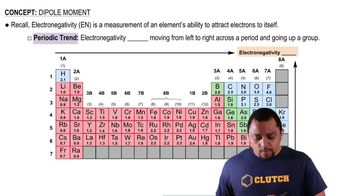
Periodic Trend: Electronegativity
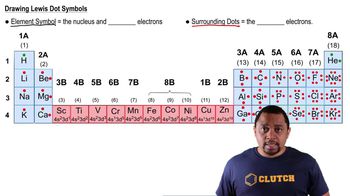
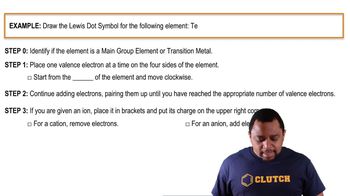
Lewis Dot Symbols
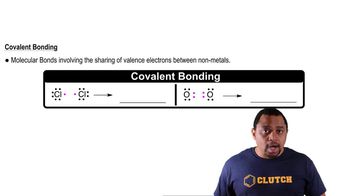
Chemical Bonds
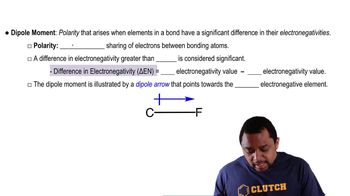
Dipole Moment
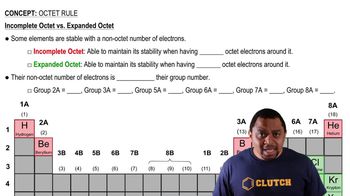
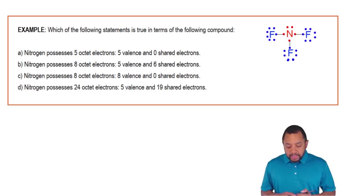
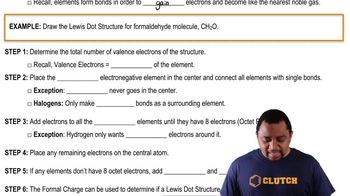
Octet Rule
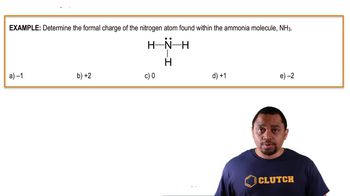
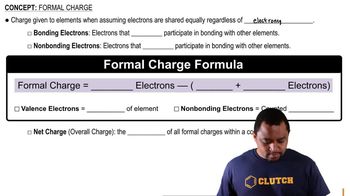
Formal Charge
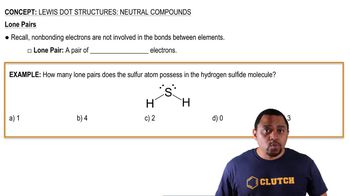
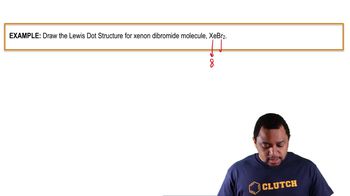
Lewis Dot Structures: Neutral Compounds
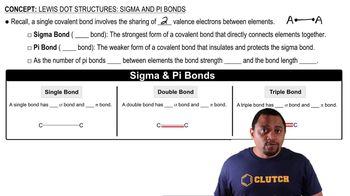
Lewis Dot Structures: Sigma & Pi Bonds
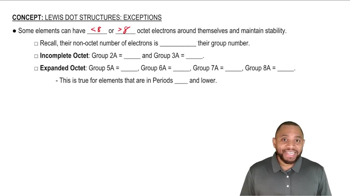
Lewis Dot Structures: Exceptions
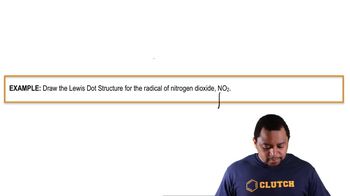
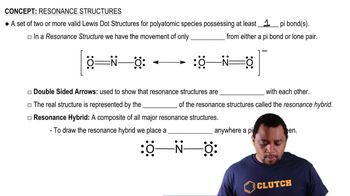
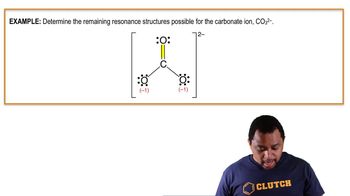
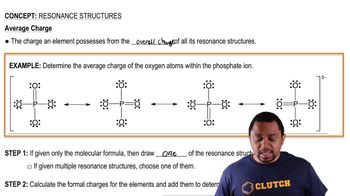
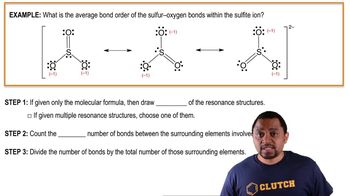
Resonance Structures
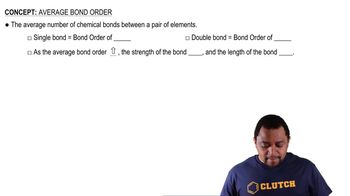
Average Bond Order
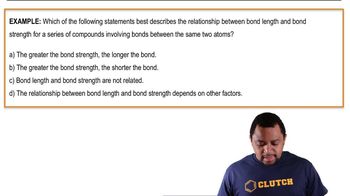
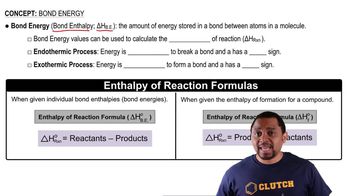
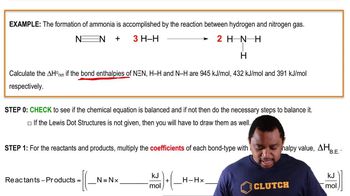
Bond Energy
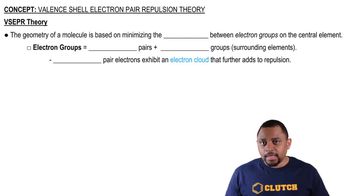
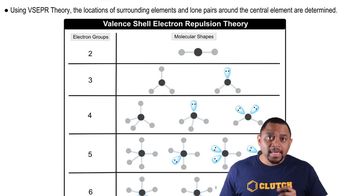
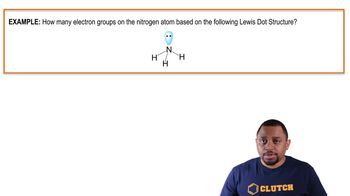
Valence Shell Electron Pair Repulsion Theory
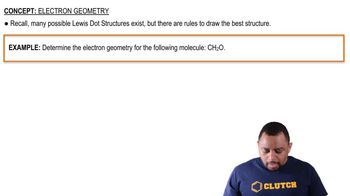
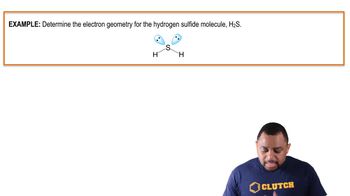
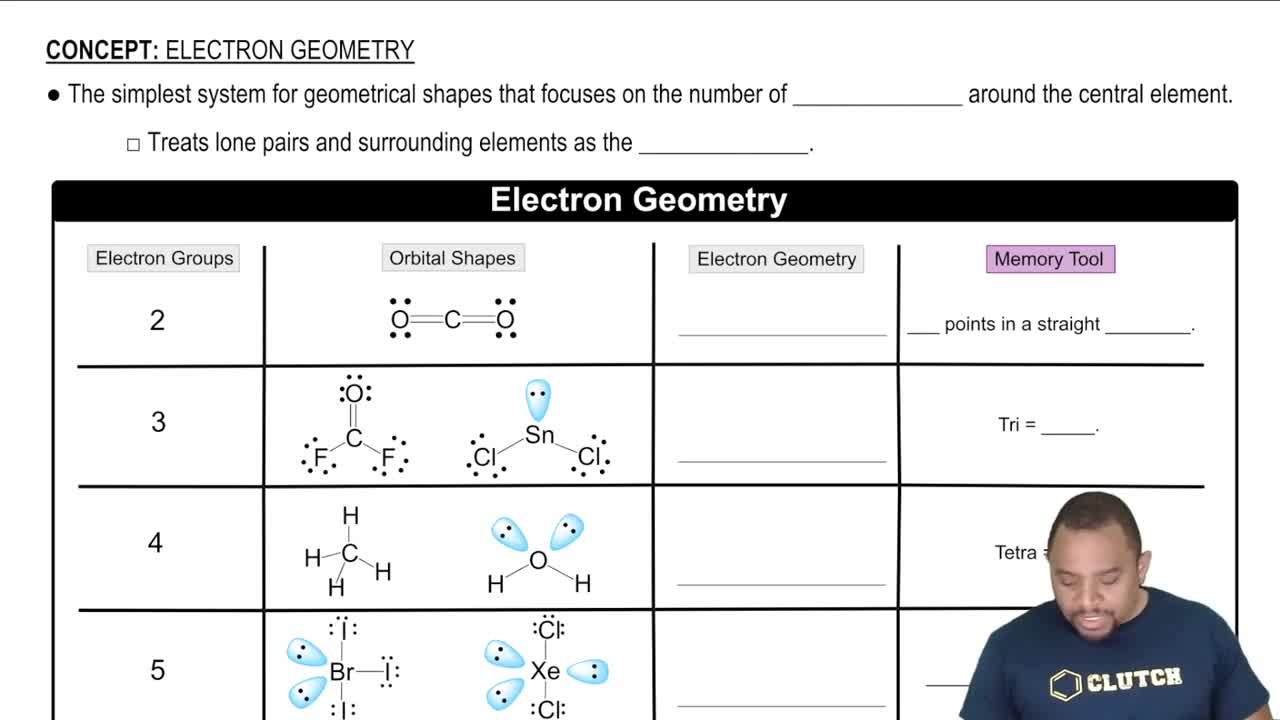
Electron Geometry
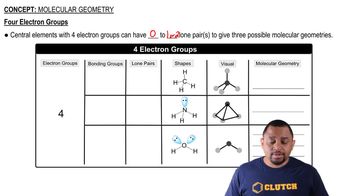
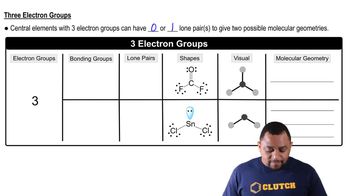
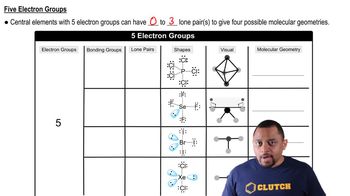
Molecular Geometry
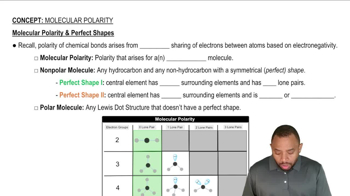
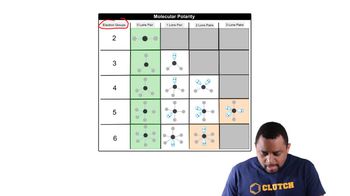
Molecular Polarity
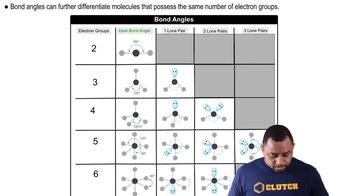
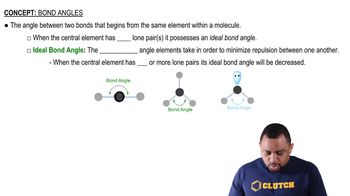
Bond Angles
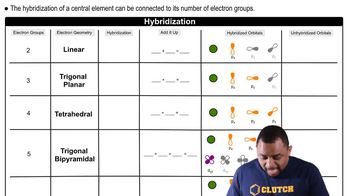
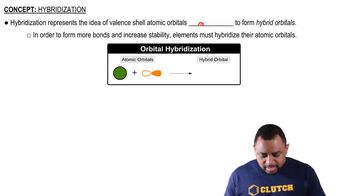
Hybridization
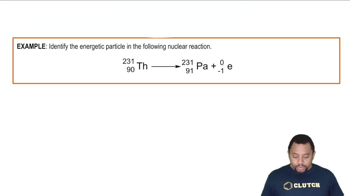
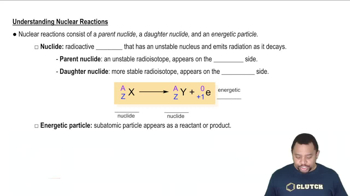
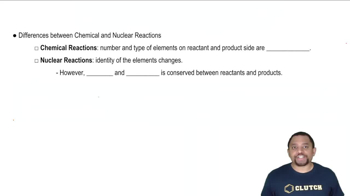
Intro to Radioactivity
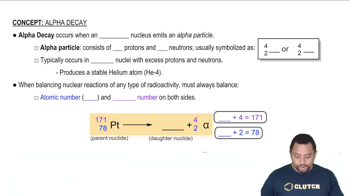
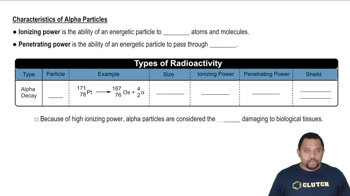
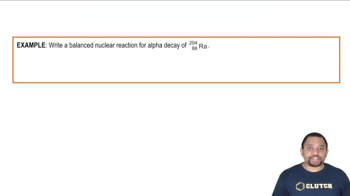
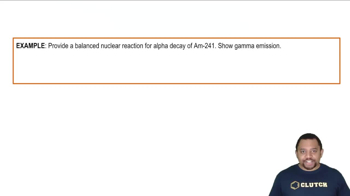
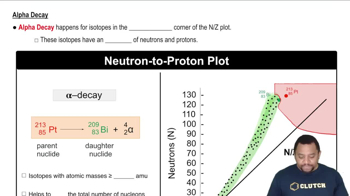
Alpha Decay
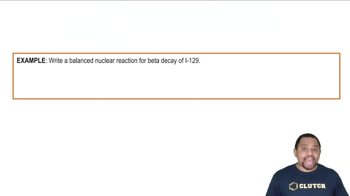
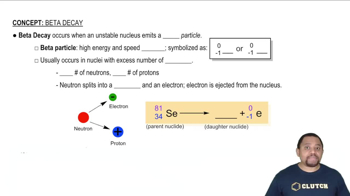
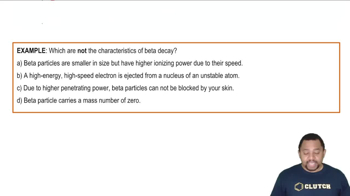
Beta Decay
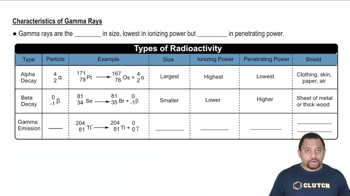
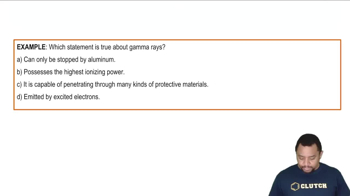
Gamma Emission
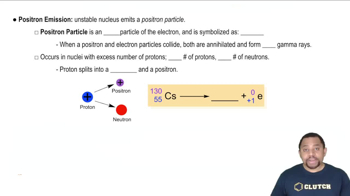
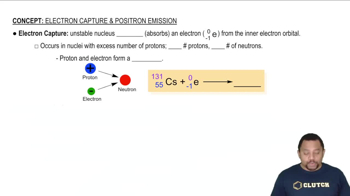
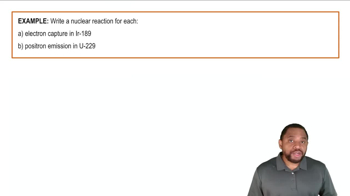
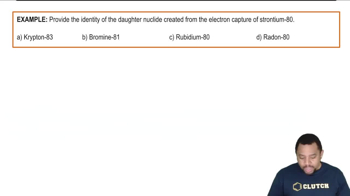
Electron Capture & Positron Emission
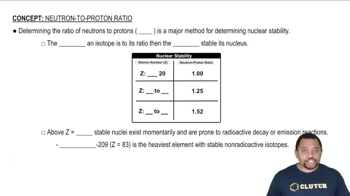
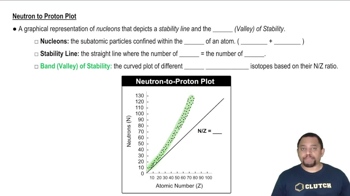
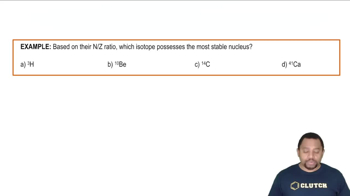
Neutron to Proton Ratio
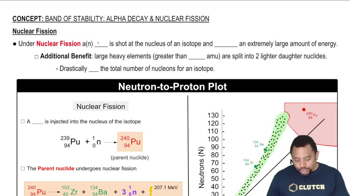
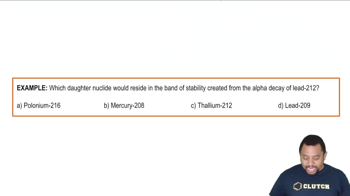
Band of Stability: Alpha Decay & Nuclear Fission
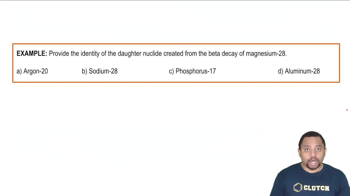
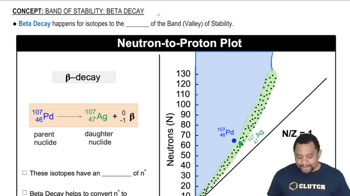
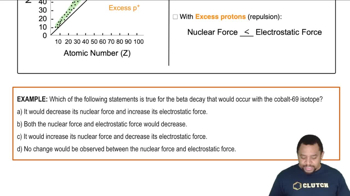
Band of Stability: Beta Decay
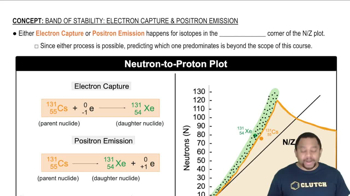
Band of Stability: Electron Capture & Positron Emission
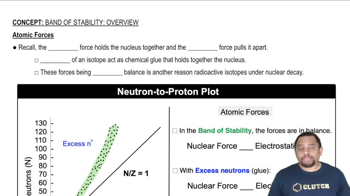
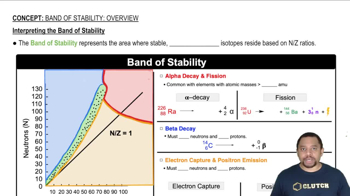
Band of Stability: Overview
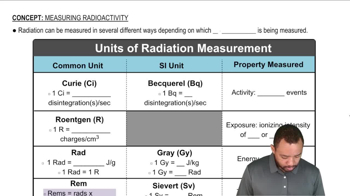
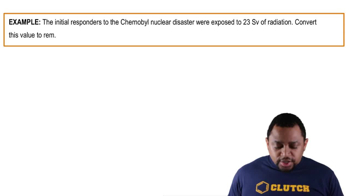
Measuring Radioactivity
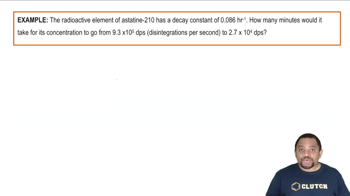
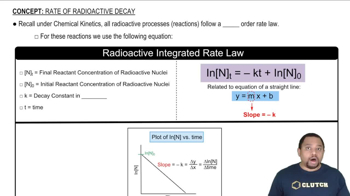
Rate of Radioactive Decay
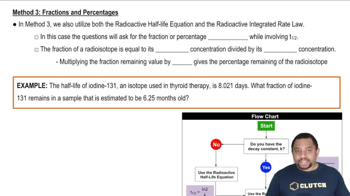
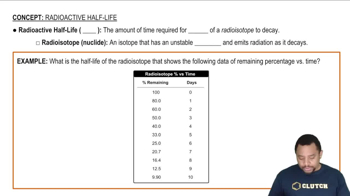
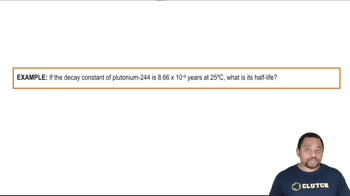
Radioactive Half-Life
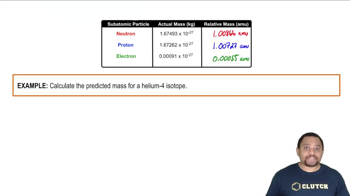
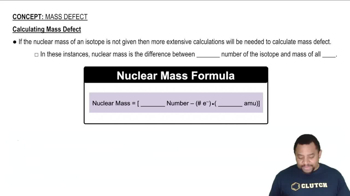
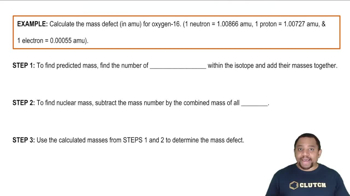
Mass Defect
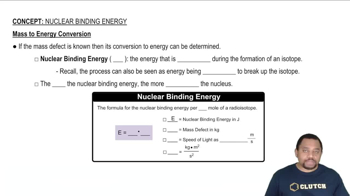
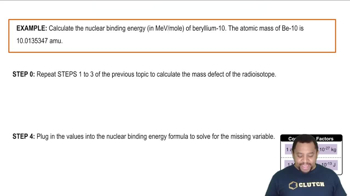
Nuclear Binding Energy
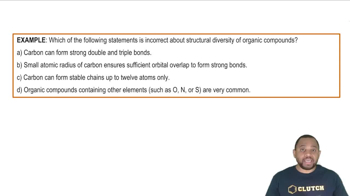
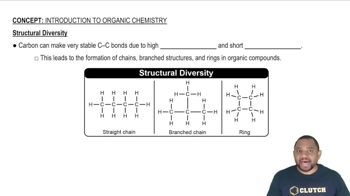
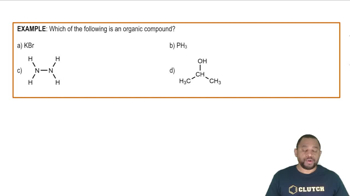
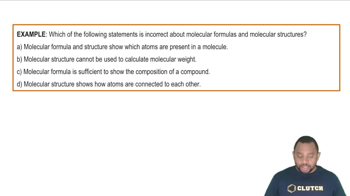
Introduction to Organic Chemistry
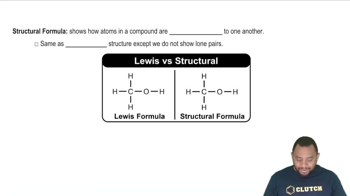
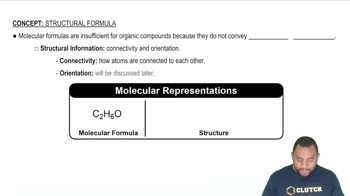
Structural Formula
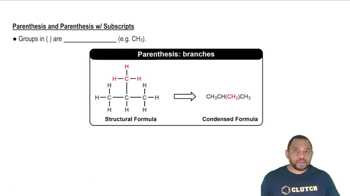
Condensed Formula
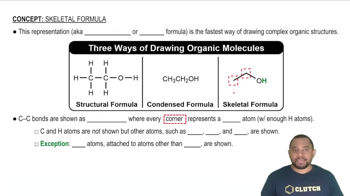
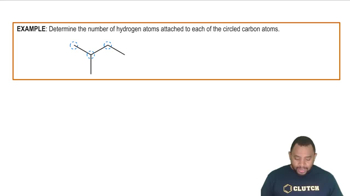
Skeletal Formula
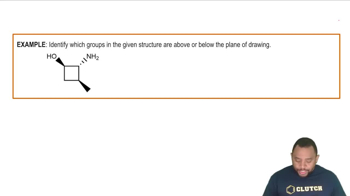
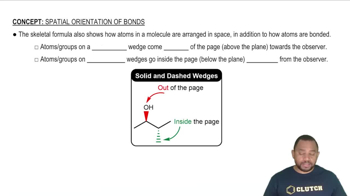
Spatial Orientation of Bonds
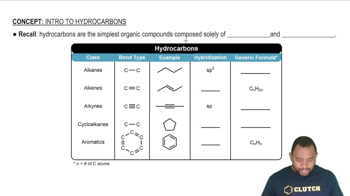
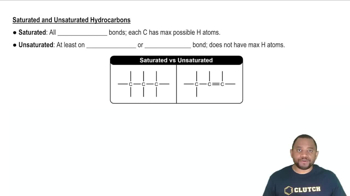
Intro to Hydrocarbons
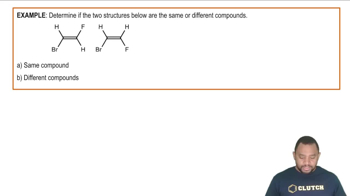
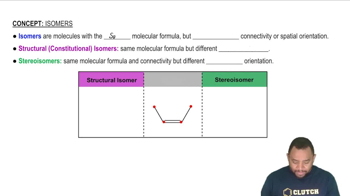
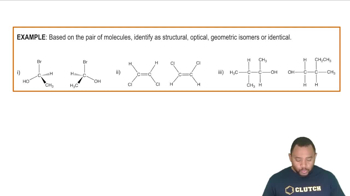
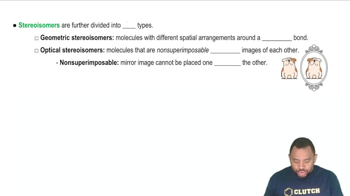
Isomers
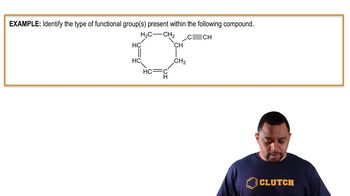
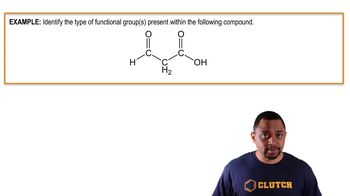
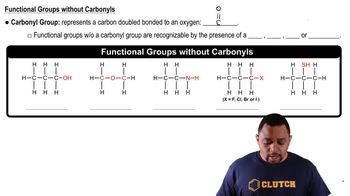
Functional Groups in Chemistry
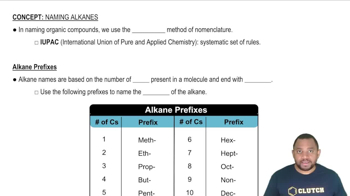
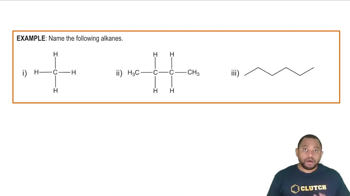
Naming Alkanes
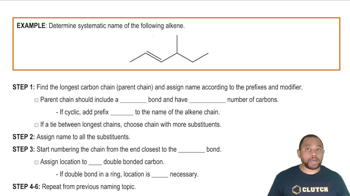
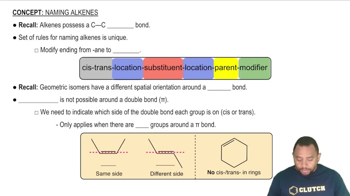
Naming Alkenes
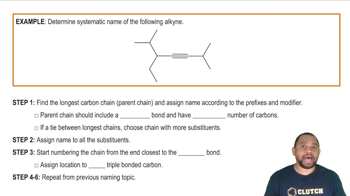
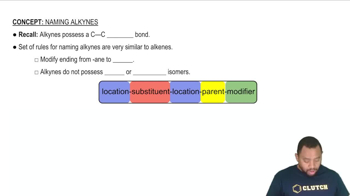
Naming Alkynes
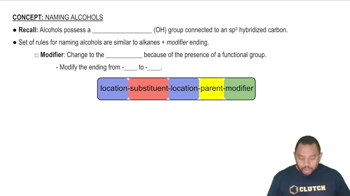
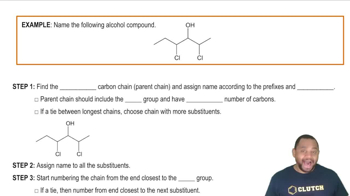
Naming Alcohols
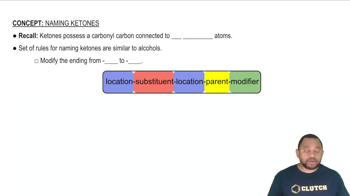
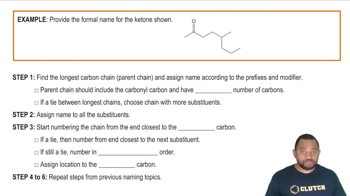
Naming Ketones
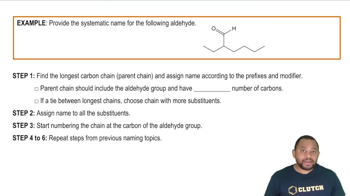
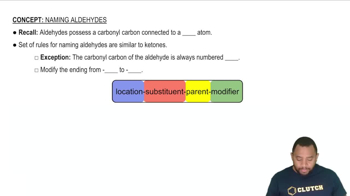
Naming Aldehydes
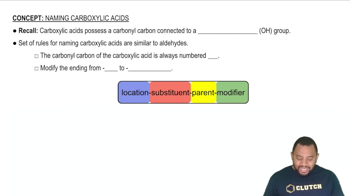
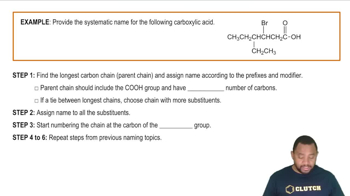
Naming Carboxylic Acids
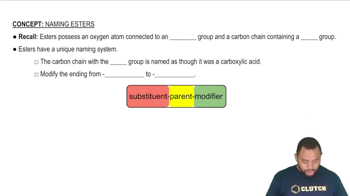
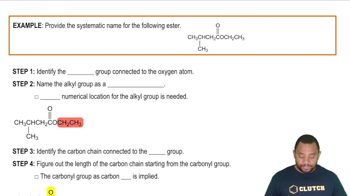
Naming Esters
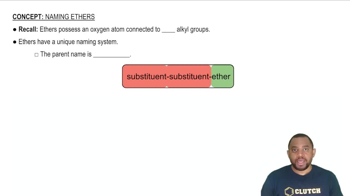
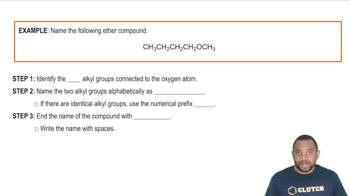
Naming Ethers
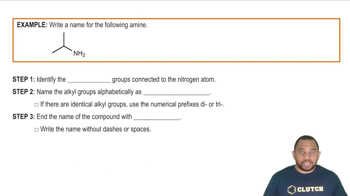
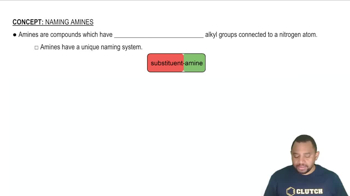
Naming Amines
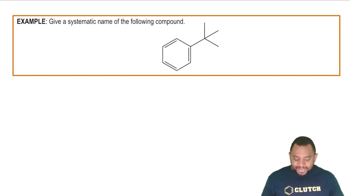
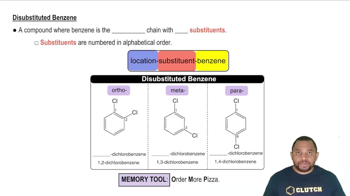
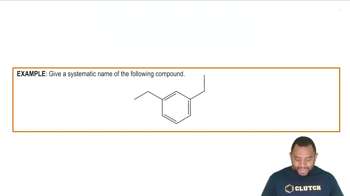
Naming Benzene
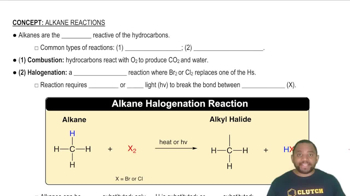
Alkane Reactions
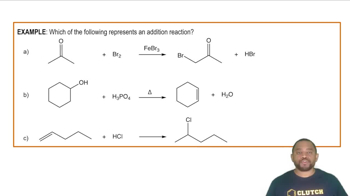
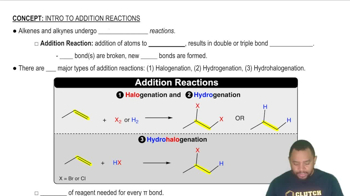
Intro to Addition Reactions
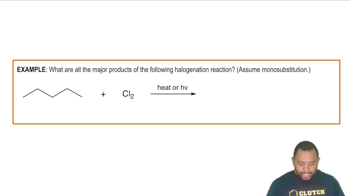
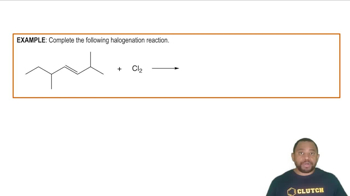
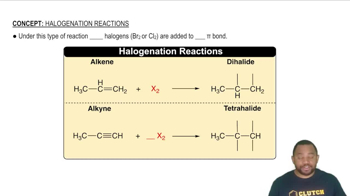
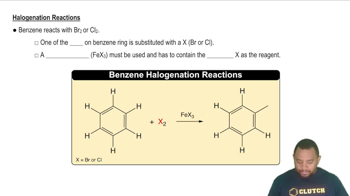
Halogenation Reactions
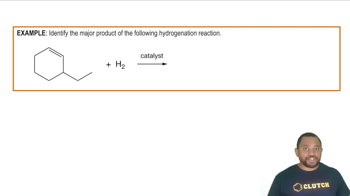
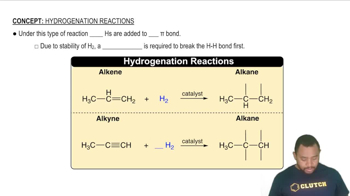
Hydrogenation Reactions
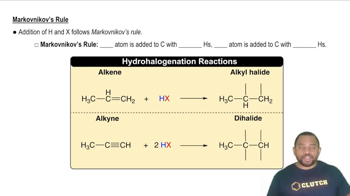
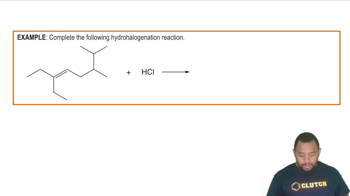
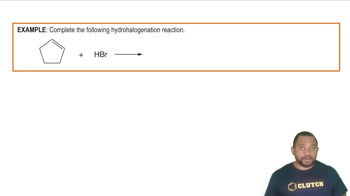
Hydrohalogenation Reactions
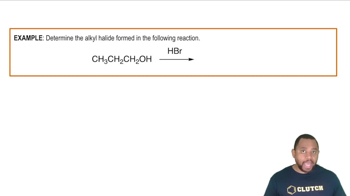
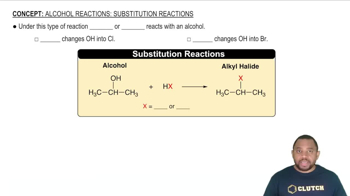
Alcohol Reactions: Substitution Reactions
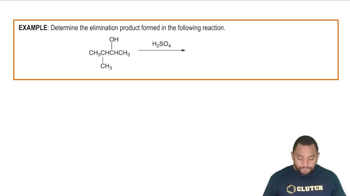
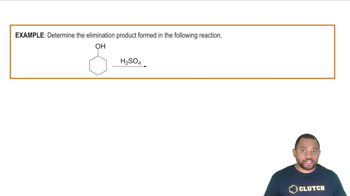
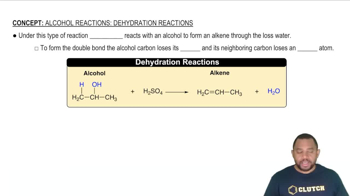
Alcohol Reactions: Dehydration Reactions
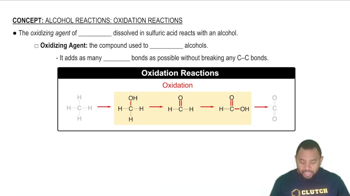
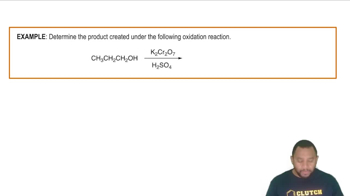
Alcohol Reactions: Oxidation Reactions
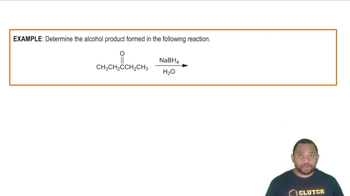
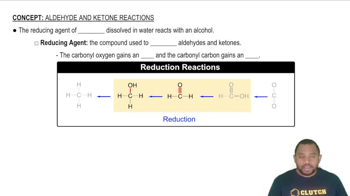
Aldehydes and Ketones Reactions
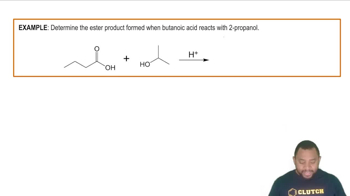
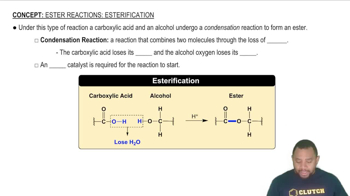
Ester Reactions: Esterification
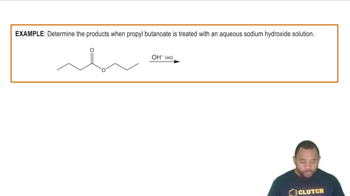
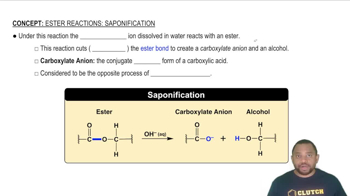
Ester Reactions: Saponification
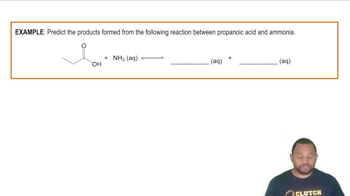
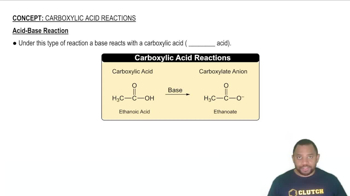
Carboxylic Acid Reactions
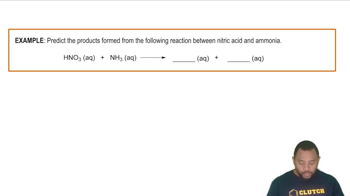
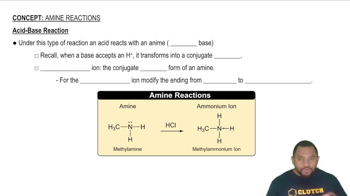
Amine Reactions
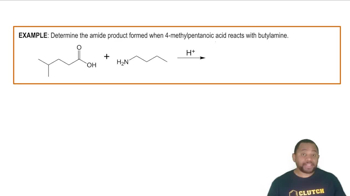
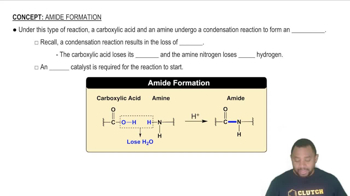
Amide Formation
Benzene Reactions
 Indietro
 Lezioni curate abbinate al materiale che hai caricato – impara ogni argomento passo dopo passo.
 02:53