Indietro

General Chemistry Study Guide: Thermodynamics, Electrochemistry, Nuclear Chemistry, and Crystalline Solids

Guida di studio - Impara con i video

Lezioni curate abbinate al materiale che hai caricato – impara ogni argomento passo dopo passo.

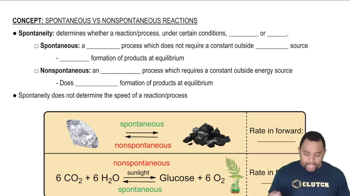
Spontaneous vs Nonspontaneous Reactions

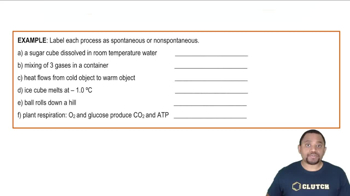
  • Spontaneity of Processes Example
    03:05
  • Spontaneity of Processes
    04:20

Entropy

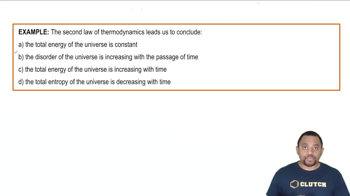
  • Second Law of Thermodynamics Example
    00:48
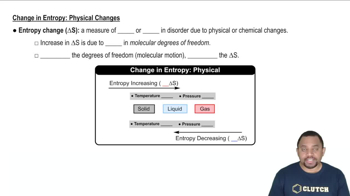
  • Entropy and Physical Changes
    02:35
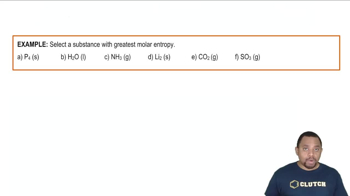
  • Standard Molar Entropy Example
    01:17

Entropy Calculations

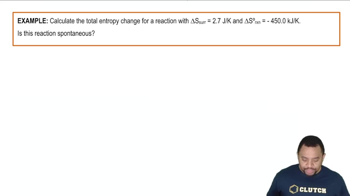
  • Total Entropy Example
    01:23
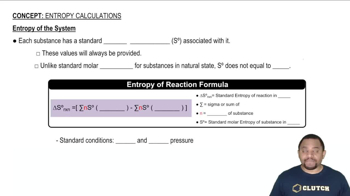
  • Entropy of the System
    02:06
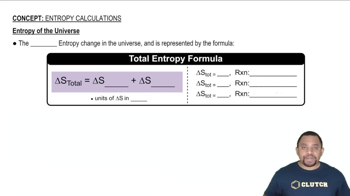
  • Entropy of the Universe
    01:42

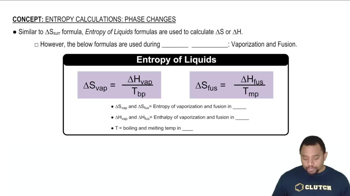
Entropy Calculations: Phase Changes

  • Entropy in Phase Changes
    01:46
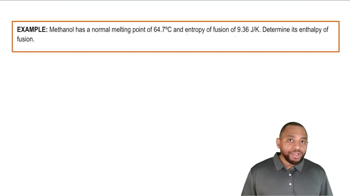
  • Entropy in Phase Changes Example
    02:30

Third Law of Thermodynamics

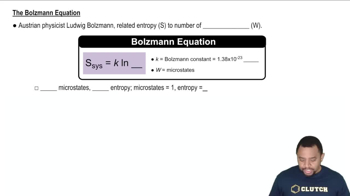
  • The Boltzmann Equation
    01:23
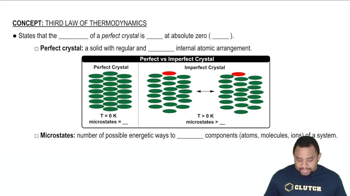
  • Entropy of Perfect Crystals
    02:20
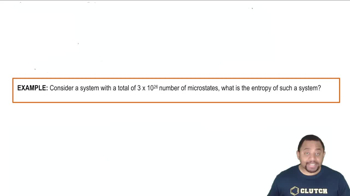
  • The Boltzmann Equation Example
    00:49

Gibbs Free Energy

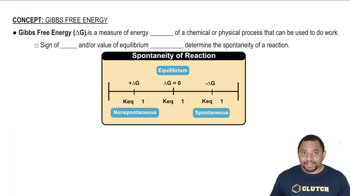
  • Spontaneity of Reactions
    03:38
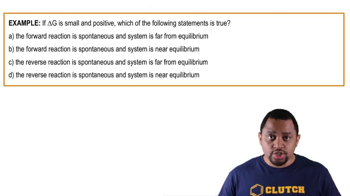
  • ΔG and Spontaneity Example
    01:23
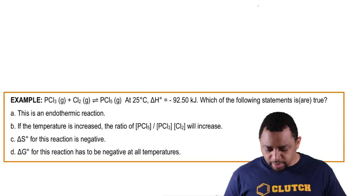
  • Spontaneity and Temperature Example
    02:42

Gibbs Free Energy Calculations

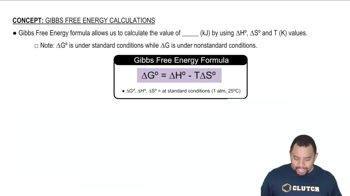
  • The Gibbs Free Energy Formula
    00:44
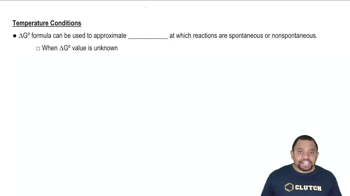
  • Standard Gibbs Free Energy and Temperature
    00:32
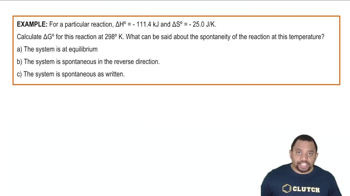
  • The Gibbs Free Energy Formula Example
    01:29

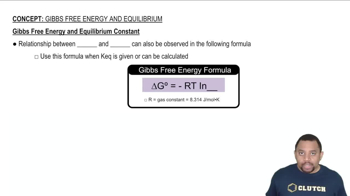
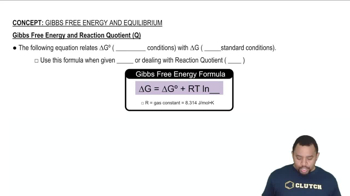
Gibbs Free Energy And Equilibrium

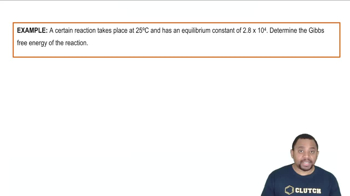
  • ∆G° and K Example
    01:13
  • ∆G° and K
    01:19
  • ∆G, ∆G° and Q
    01:03

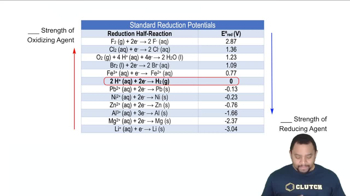
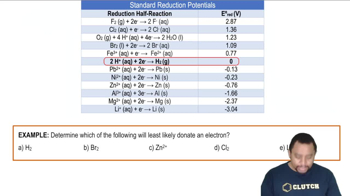
Standard Reduction Potentials

  • Comparing Standard Reduction Potentials
    03:13
  • Standard Reduction Potentials Example
    01:51
  • Standard Reduction Potentials
    01:10

Intro to Electrochemical Cells

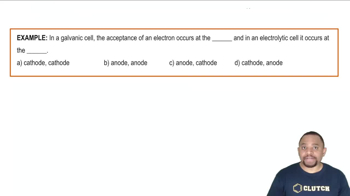
  • Electrochemical Cells Example
    01:01
  • Cell Potential and Spontaneity
    02:32
  • Electrochemical Cells
    02:46

Galvanic Cell

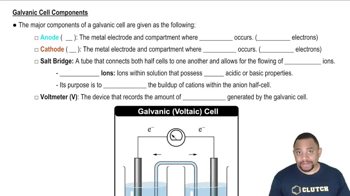
  • Galvanic Cell Components
    03:55
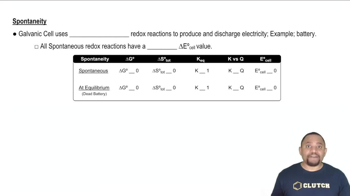
  • Galvanic Cell and Spontaneity
    03:04
  • Galvanic Cell Components Example
    02:22

Electrolytic Cell

  • Electrolytic Cell Example
    00:45
  • The Electrolytic Cell
    01:21
  • Electrolytic Cells and Spontaneity Example
    01:24

Cell Potential: Standard

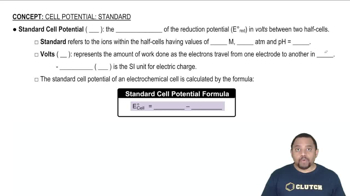
  • Standard Cell Potential
    01:27
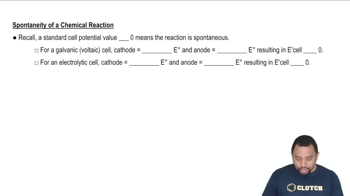
  • Standard Cell Potential and Spontaneity
    01:46
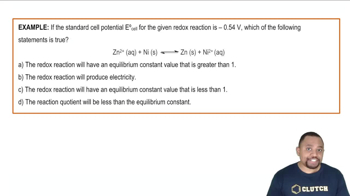
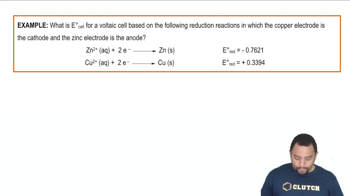
  • Standard Cell Potential Example
    01:34

Cell Potential: The Nernst Equation

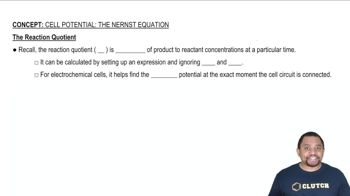
  • The Reaction Quotient
    01:01
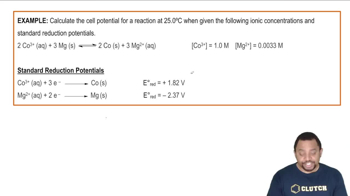
  • The Nernst Equation Example
    04:38
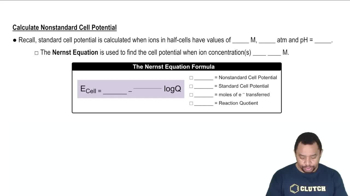
  • The Nernst Equation
    01:17

Cell Potential and Gibbs Free Energy

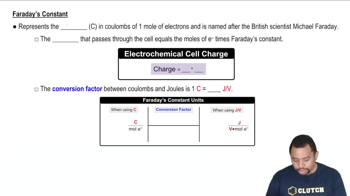
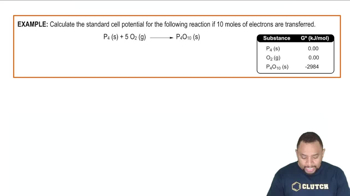
  • Faraday's Constant in Electrochemistry Example
    02:11
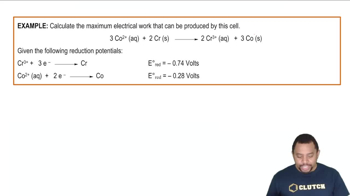
  • Cell Potential and Gibbs Free Energy Example
    03:18
  • Faraday's Constant in Electrochemistry
    01:40

Cell Potential and Equilibrium

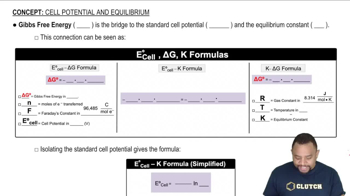
  • Cell Potential and Equilibrium
    02:38
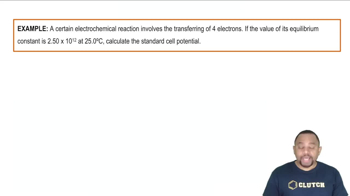
  • Cell Potential and Equilibrium Example
    02:17

Cell Potential: G and K

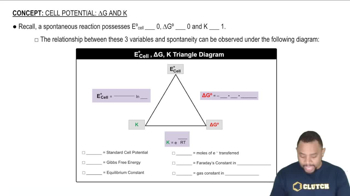
  • Relationship between ∆E°, ∆G°, and K
    02:43
  • Relationship between ∆E°, ∆G°, and K Example
    02:57

Cell Notation

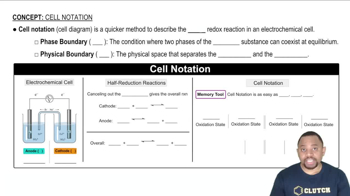
  • Cell Notation
    06:23
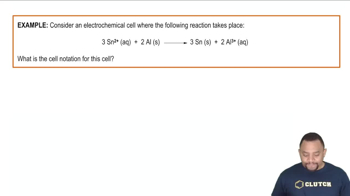
  • Cell Notation Example
    01:49

Electroplating

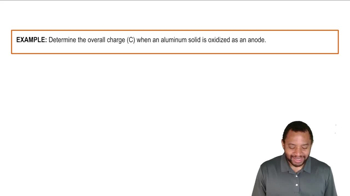
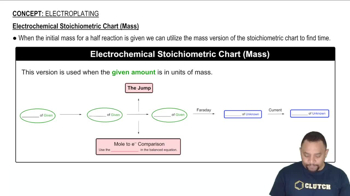
  • Electrochemical Stoichiometric Chart (Mass) Example
    02:26
  • Electrochemical Stoichiometric Chart (Mass)
    01:16
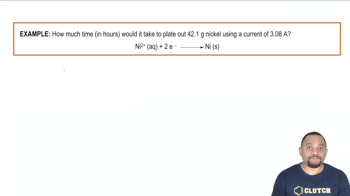
  • Electroplating Example
    01:16

Intro to Radioactivity

  • Nuclear Reaction Example
    00:45
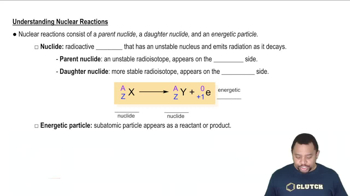
  • Understanding Nuclear Reactions
    01:44
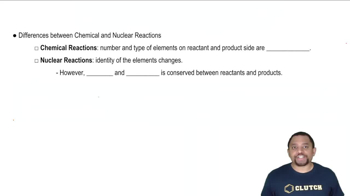
  • Nuclear vs Chemical Reactions
    01:08

Alpha Decay

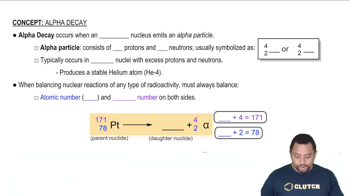
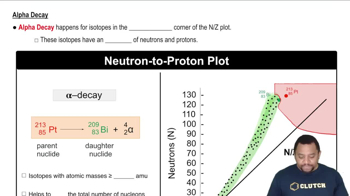
  • Alpha Decay
    03:53
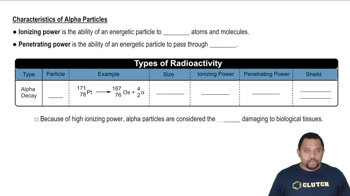
  • Characteristics of Alpha Particles
    02:48
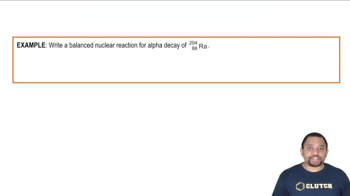
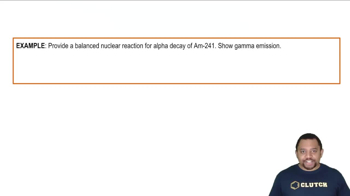
  • Alpha Decay Reaction Example
    01:22

Beta Decay

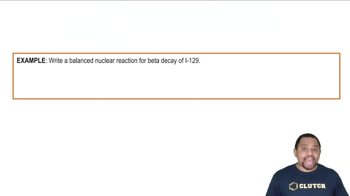
  • Beta Decay Reaction Example
    01:21
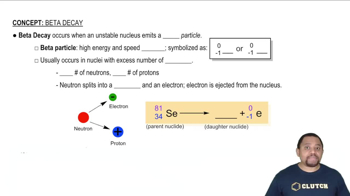
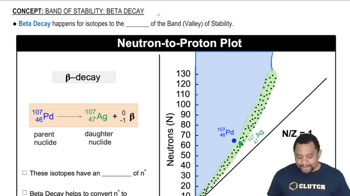
  • Beta Decay
    03:01
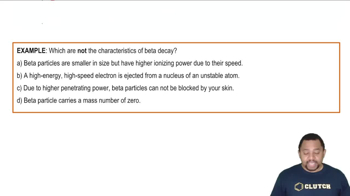
  • Characteristics of Beta Particles Example
    01:02

Gamma Emission

  • Gamma Emission Reaction Example
    02:16
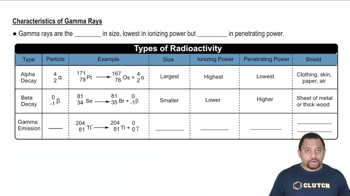
  • Characteristics of Gamma Rays
    01:35
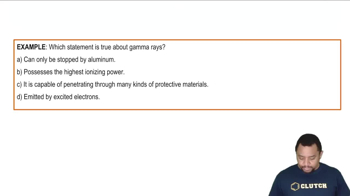
  • Characteristics of Gamma Rays Example
    01:21

Electron Capture & Positron Emission

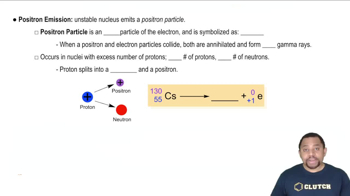
  • Positron Emission
    01:53
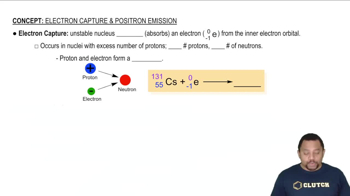
  • Electron Capture
    01:26
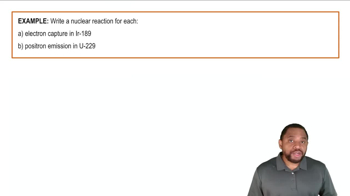
  • Electron Capture & Positron Emission Reaction Example
    03:29

Neutron to Proton Ratio

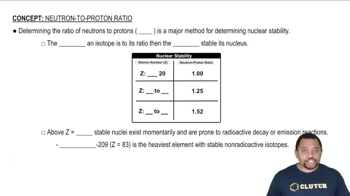
  • Neutron-Proton Ratio
    02:14
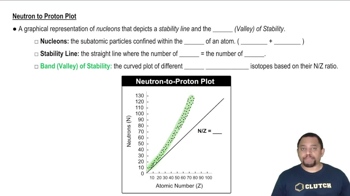
  • Neutron-to-Proton Plot
    01:38
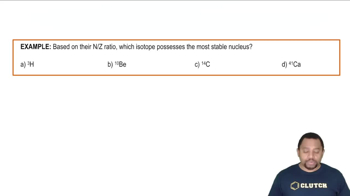
  • Stable Nucleus Example
    01:40

Band of Stability: Alpha Decay & Nuclear Fission

  • Band of Stability: Alpha Decay
    01:46
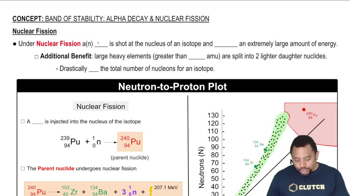
  • Band of Stability: Nuclear Fission
    03:29
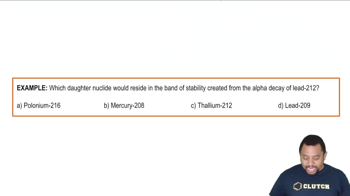
  • Band of Stability: Alpha Decay Example
    01:16

Band of Stability: Beta Decay

  • Band of Stability: Beta Decay Example
    01:11
  • Band of Stability: Beta Decay
    01:13

Band of Stability: Electron Capture & Positron Emission

  • Band of Stability: Electron Capture Example
    00:48
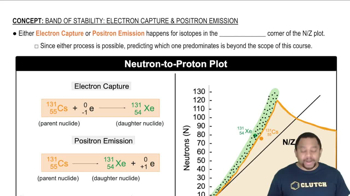
  • Band of Stability: Electron Capture
    02:04

Band of Stability: Overview

  • Band of Stability: Overview Example
    02:10
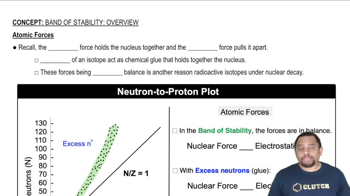
  • Band of Stability: Atomic Forces
    02:32
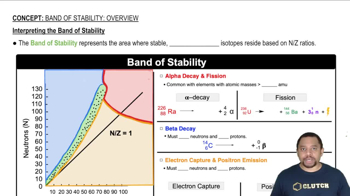
  • Intepreting the Band of Stability
    03:13

Measuring Radioactivity

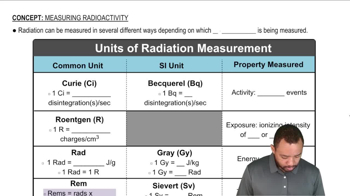
  • Units of Radiation Measurement
    02:52
  • Radiation Measurement Units Conversion Example
    00:33

Rate of Radioactive Decay

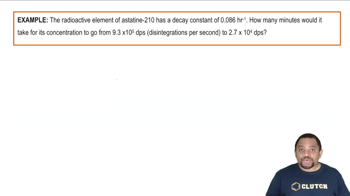
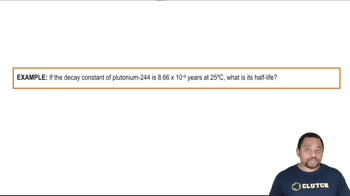
  • Rate of Radioactive Decay Example
    02:25
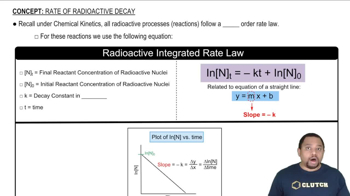
  • Rate of Radioactive Decay
    03:00

Radioactive Half-Life

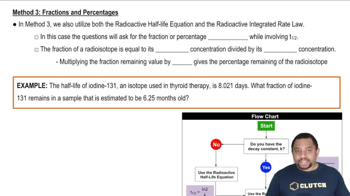
  • Method 3 of Radioactive Half-Life Example
    04:26
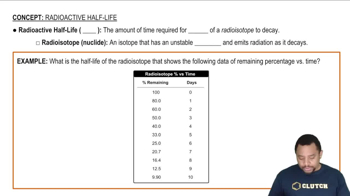
  • Intro to Radioactive Half-Life
    01:30
  • Method 1 of Radioactive Half-Life Example
    00:55

Mass Defect

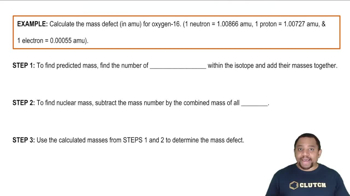
  • Mass Defect Example
    01:35
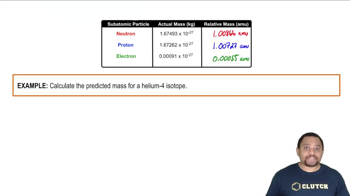
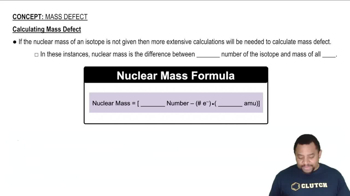
  • Calculating Mass Defect
    00:55
  • Calculating Mass Defect Example
    03:08

Nuclear Binding Energy

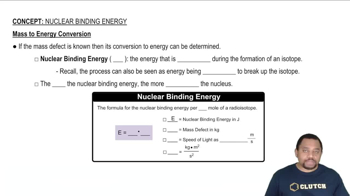
  • Nuclear Binding Energy
    02:06
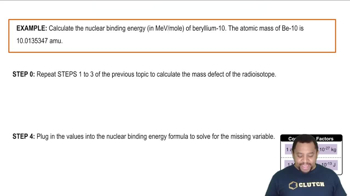
  • Nuclear Binding Energy Example
    03:50

Atomic, Ionic, and Molecular Solids

  • Ionic Solid Identification Example
    00:34
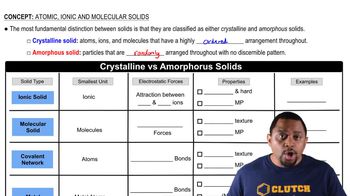
  • Crystalline vs Amorphous Solids
    04:13

Crystalline Solids

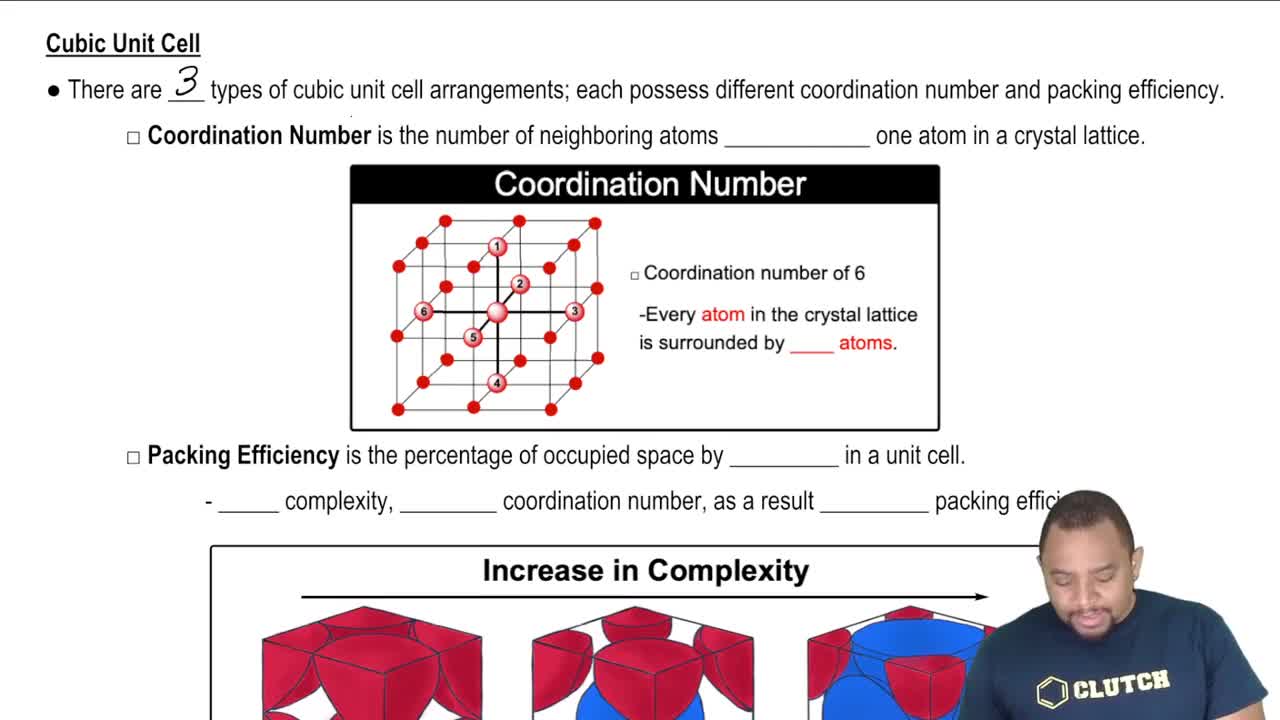
  • Cubic Unit Cells
    01:41
  • Crystalline Solids Example
    00:34
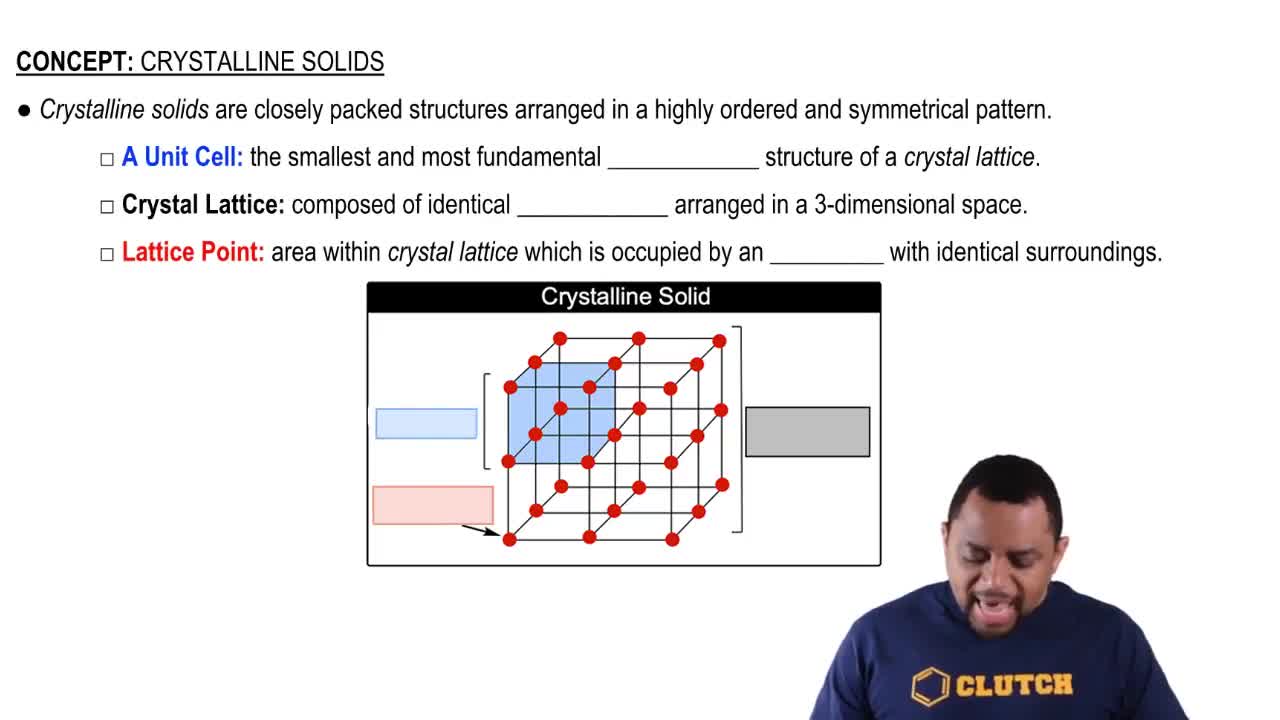
  • Crystalline Solids Structure
    01:31

Simple Cubic Unit Cell

  • Simple Cubic Volume Example
    01:19
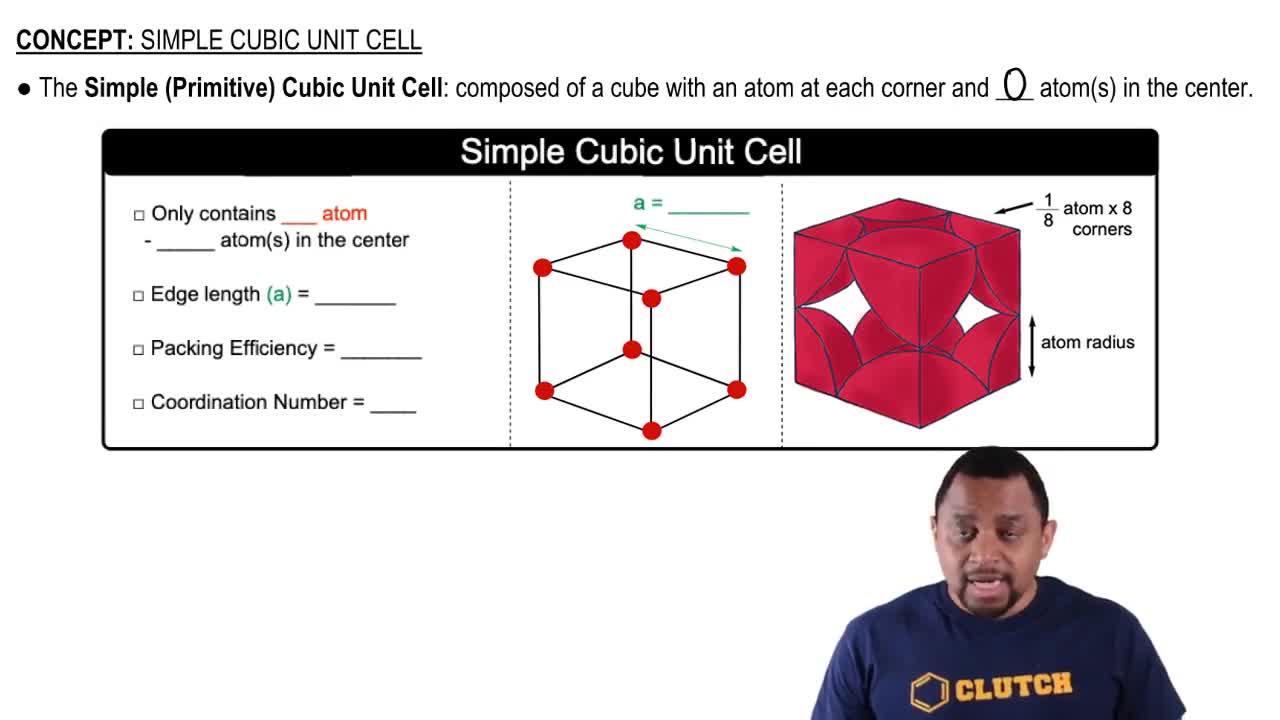
  • Simple Cubic Unit Cell
    01:27

Body Centered Cubic Unit Cell

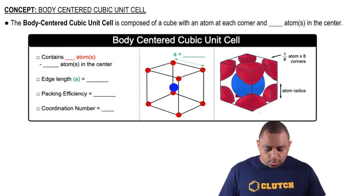
  • Body Centered Cubic Unit Cell
    01:41
  • Body Centered Cubic Example
    00:40

Face Centered Cubic Unit Cell

  • Face Centered Cubic Example
    00:51
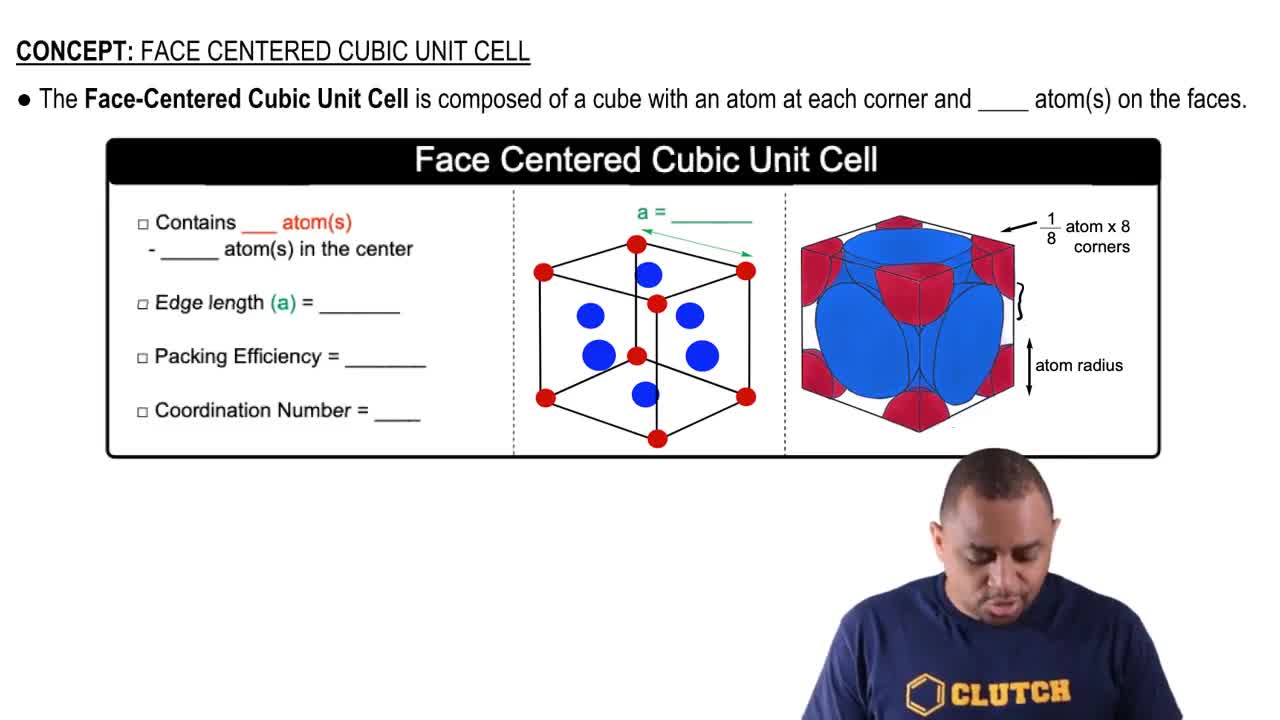
  • Face Centered Cubic Unit Cell
    01:31