The Atom
Subatomic Particles
Atomic Theory
Chemical Bonds
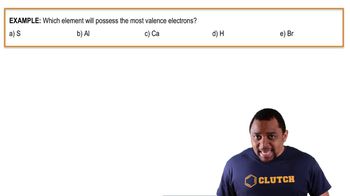
Valence Electrons of Elements
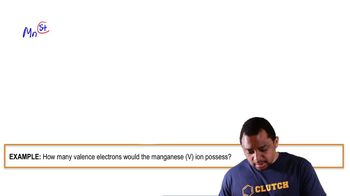
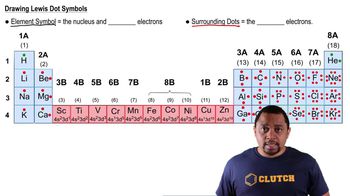
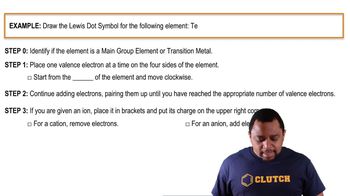
Lewis Dot Symbols
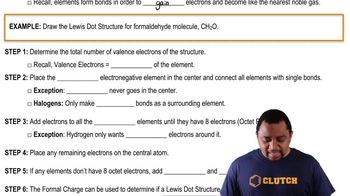
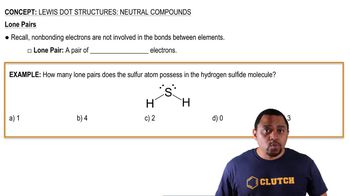
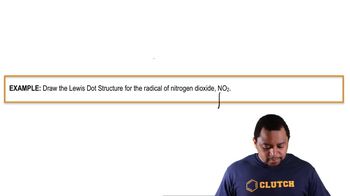
Lewis Dot Structures: Neutral Compounds
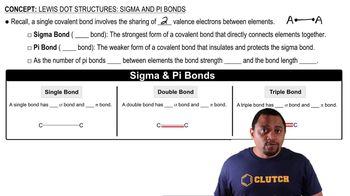
Lewis Dot Structures: Sigma & Pi Bonds
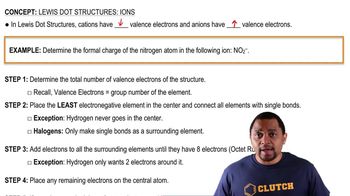
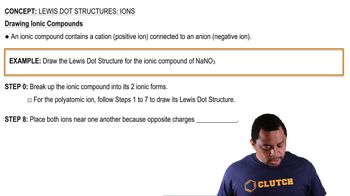
Lewis Dot Structures: Ions
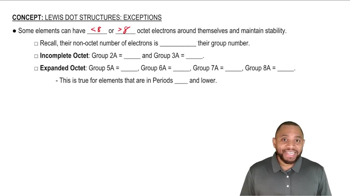
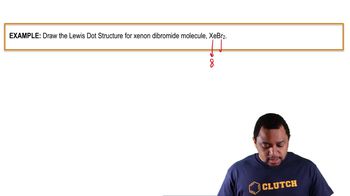
Lewis Dot Structures: Exceptions
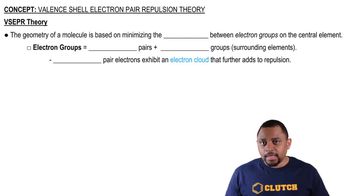
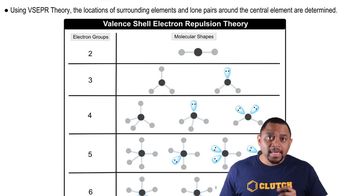
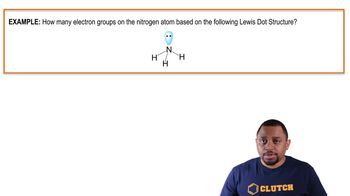
Valence Shell Electron Pair Repulsion Theory
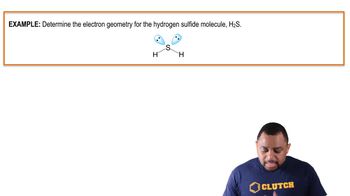
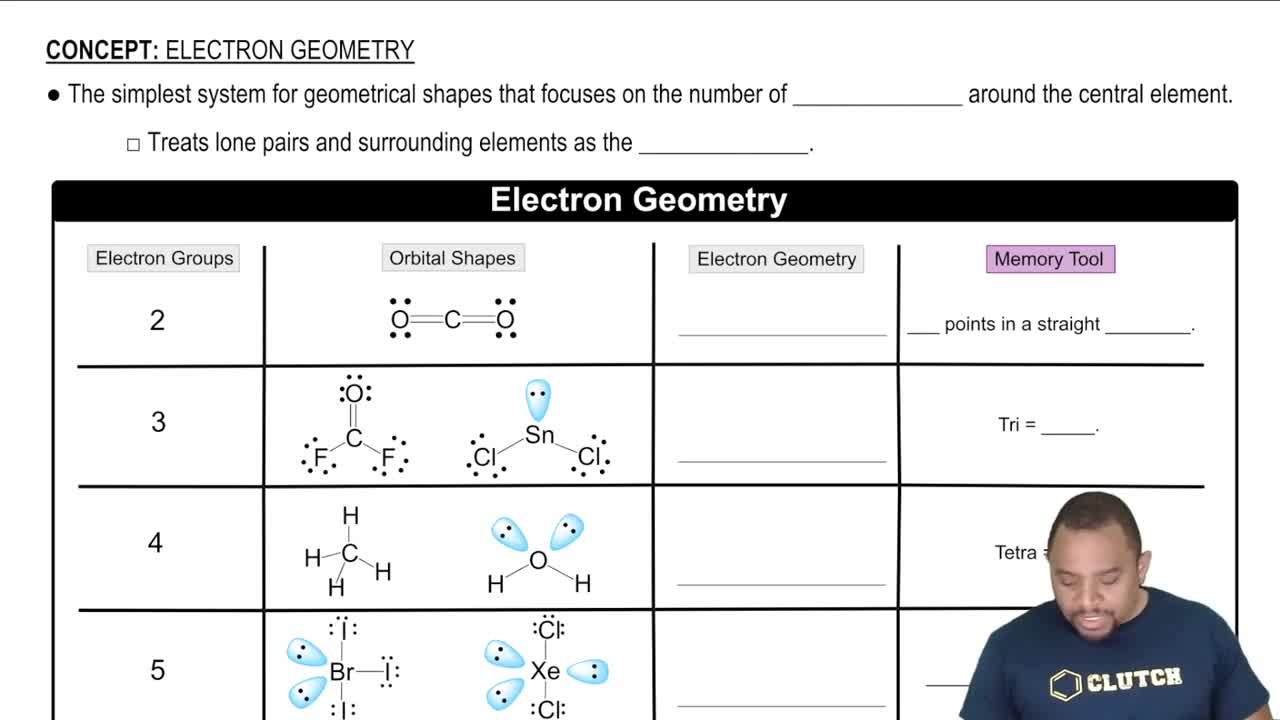
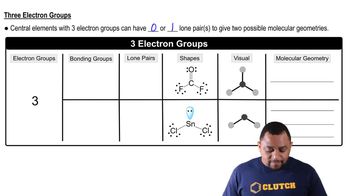
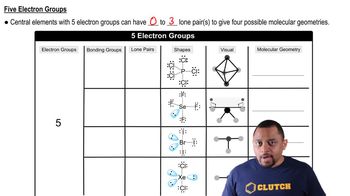
Electron Geometry
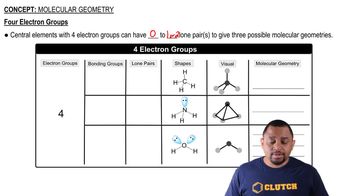
Molecular Geometry
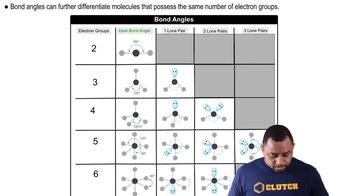
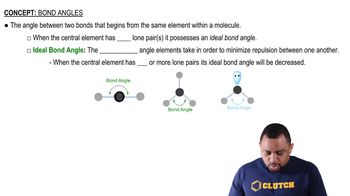
Bond Angles
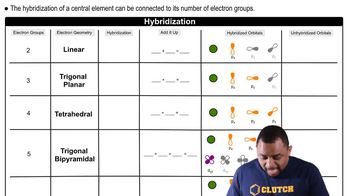
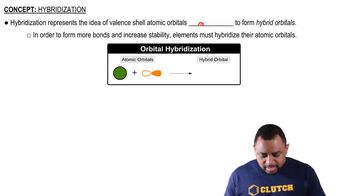
Hybridization
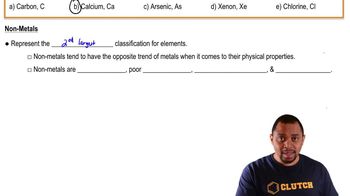
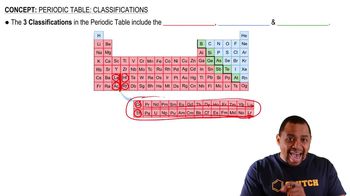
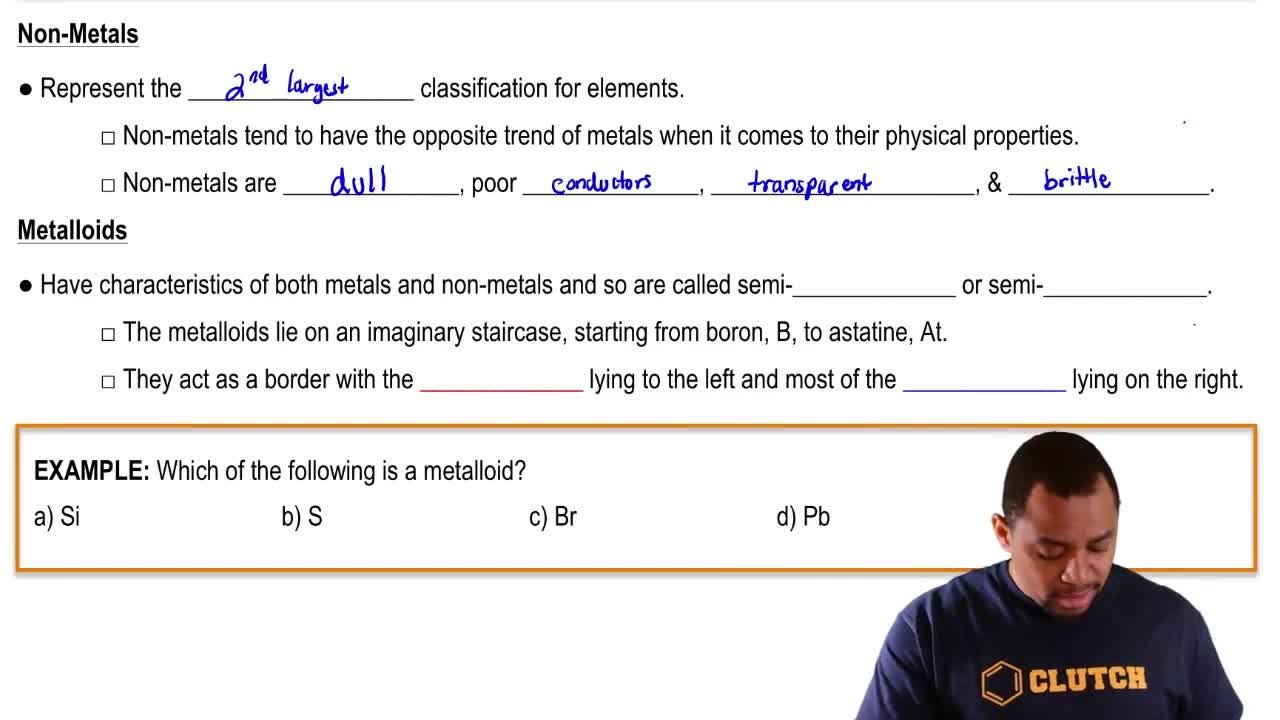
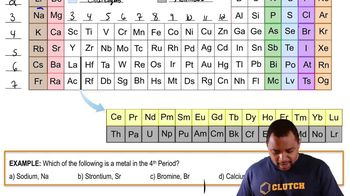
Periodic Table: Classifications
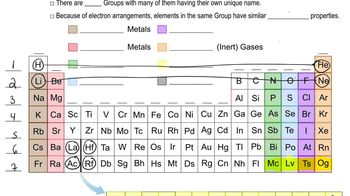
Periodic Table: Group Names
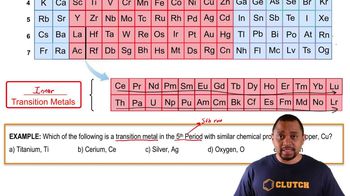
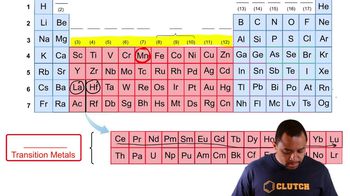
Periodic Table: Representative Elements & Transition Metals
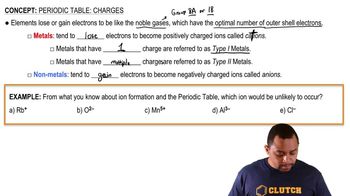
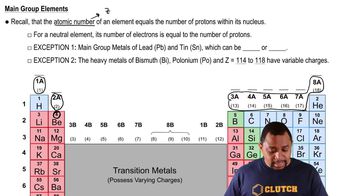
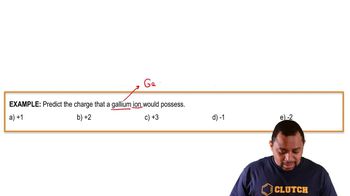
Periodic Table: Charges
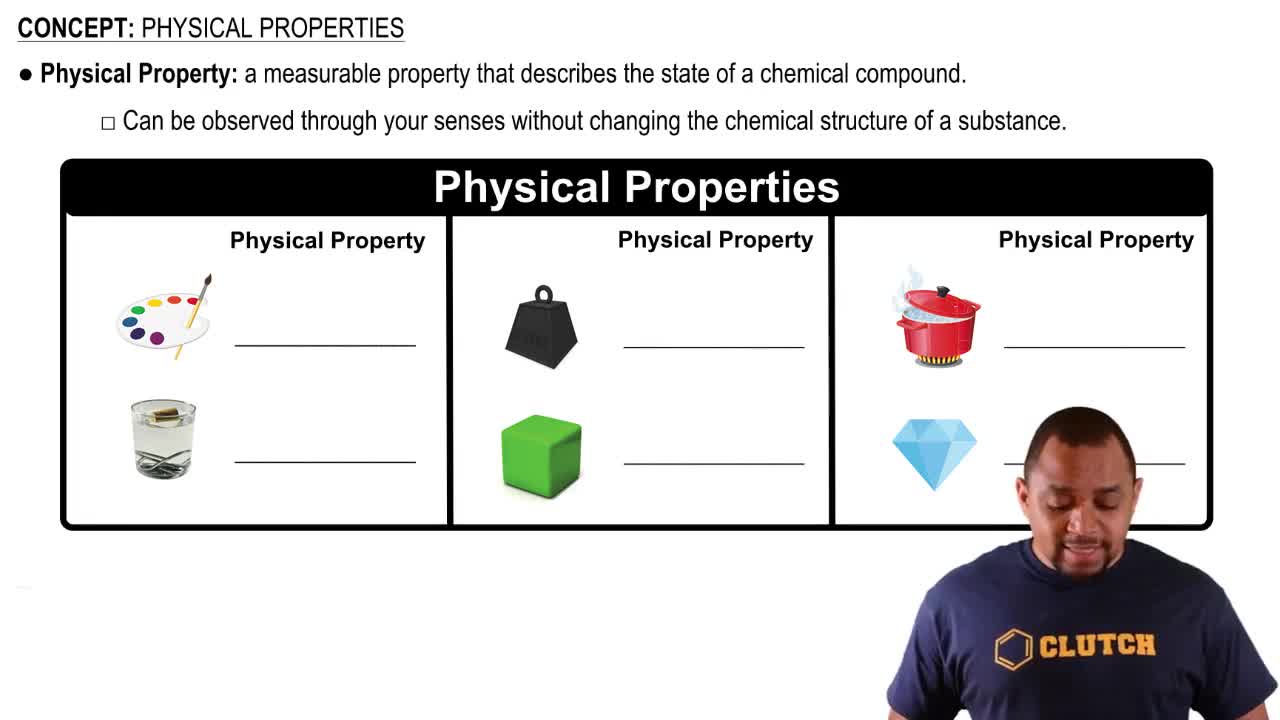
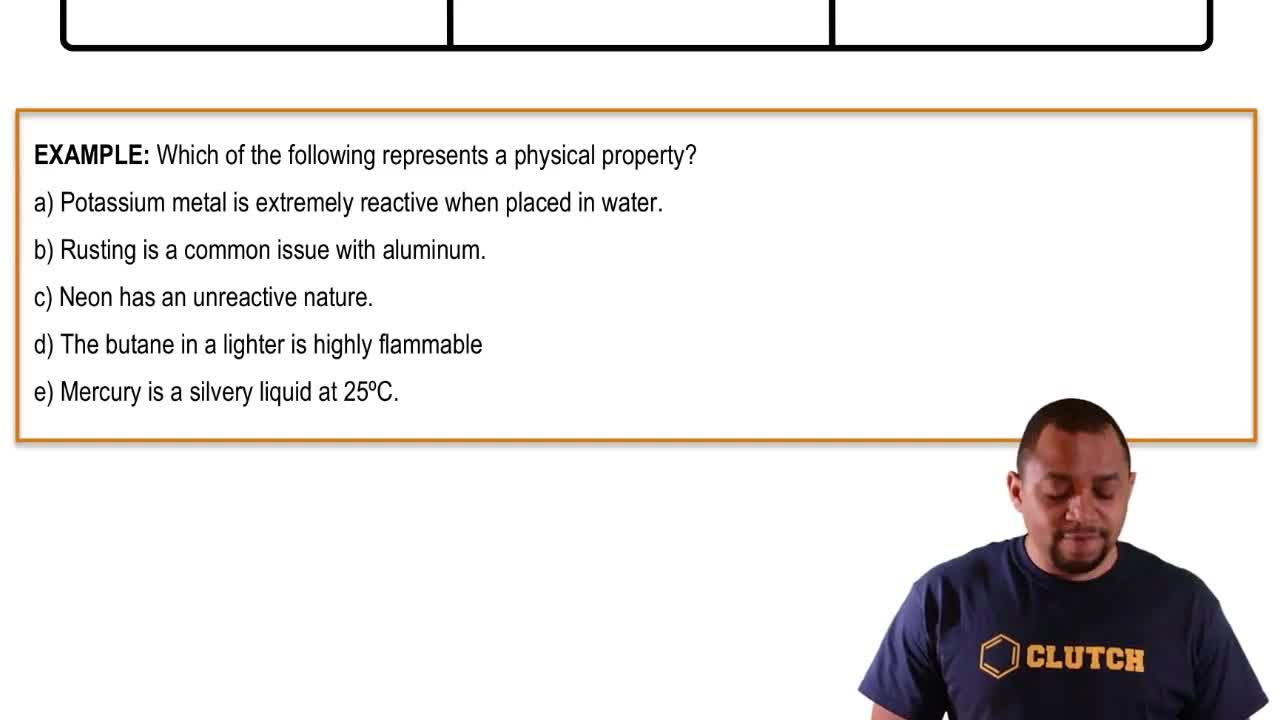
Physical Properties
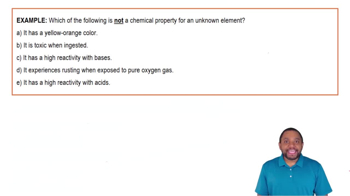
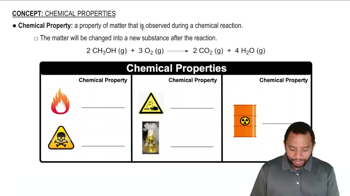
Chemical Properties
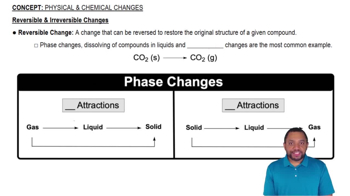
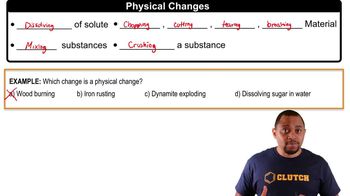
Physical & Chemical Changes
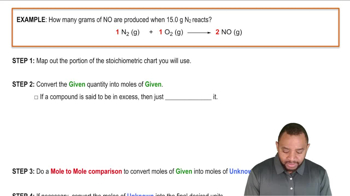
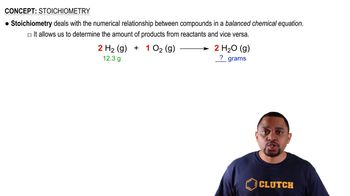
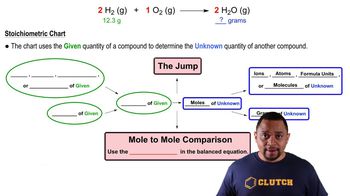
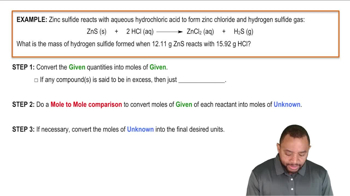
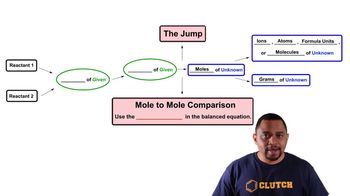
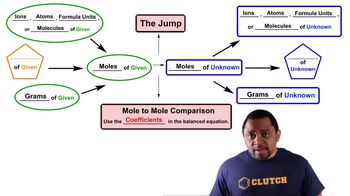
Stoichiometry
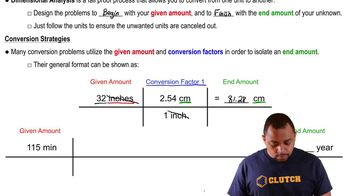
Dimensional Analysis
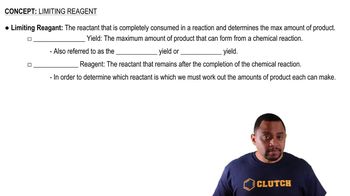
Limiting Reagent
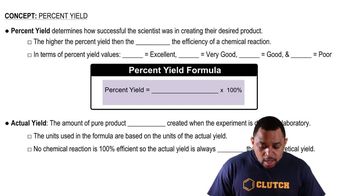
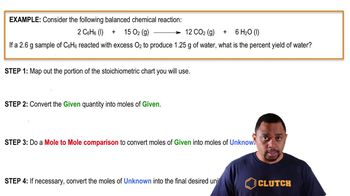
Percent Yield
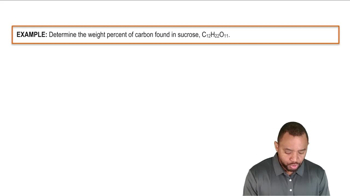
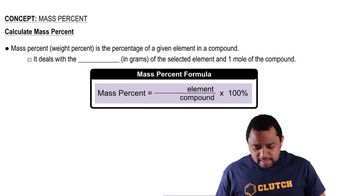
Mass Percent
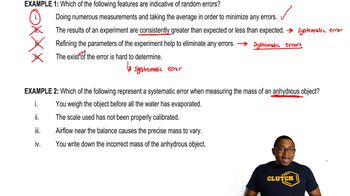
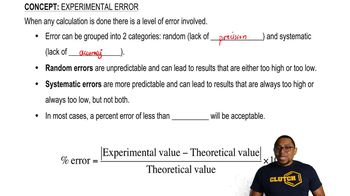
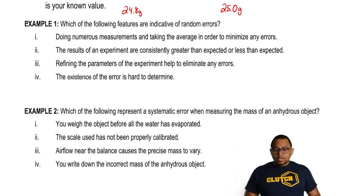
Experimental Error
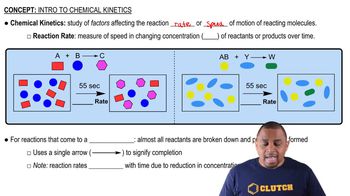
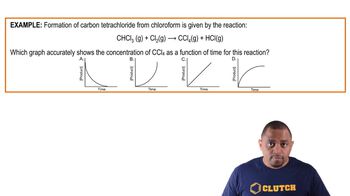
Intro to Chemical Kinetics
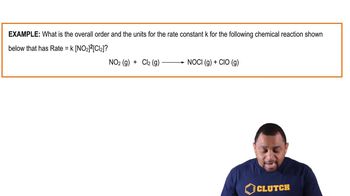
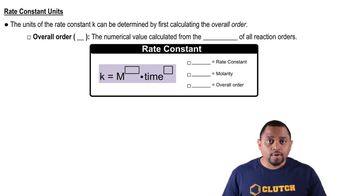
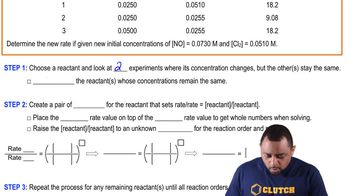
Rate Law
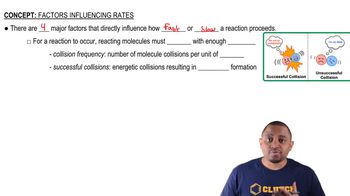
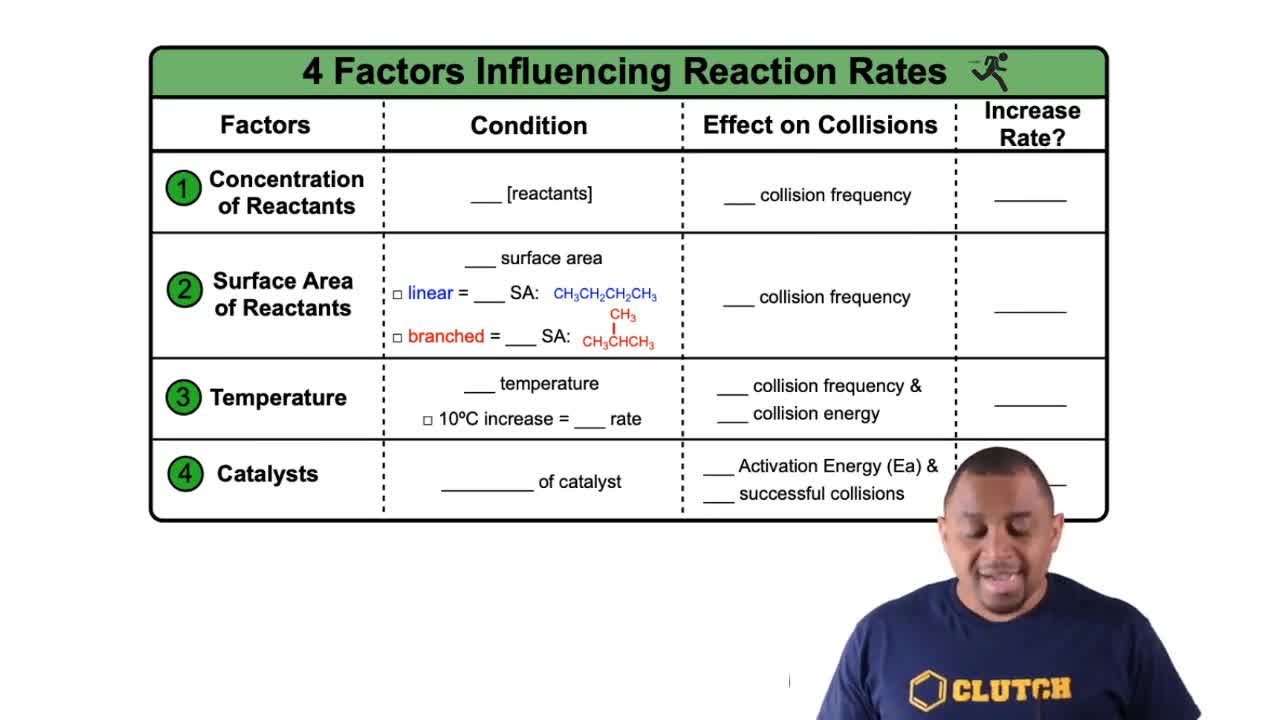
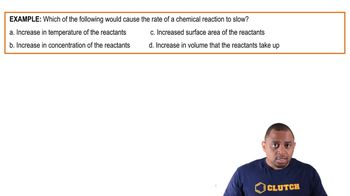
Factors Influencing Rates
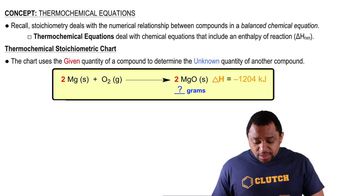
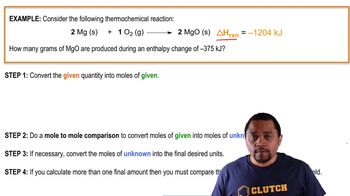
Thermochemical Equations
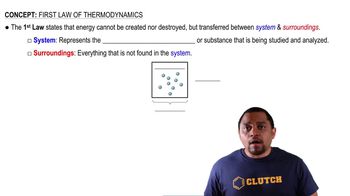
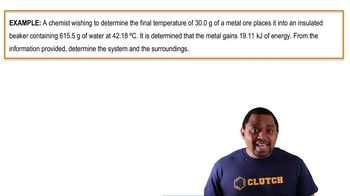
First Law of Thermodynamics
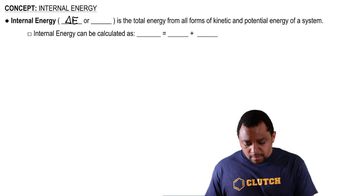
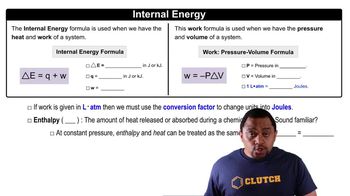
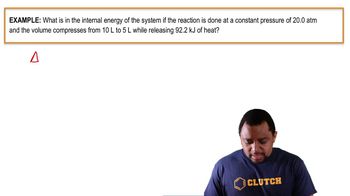
Internal Energy
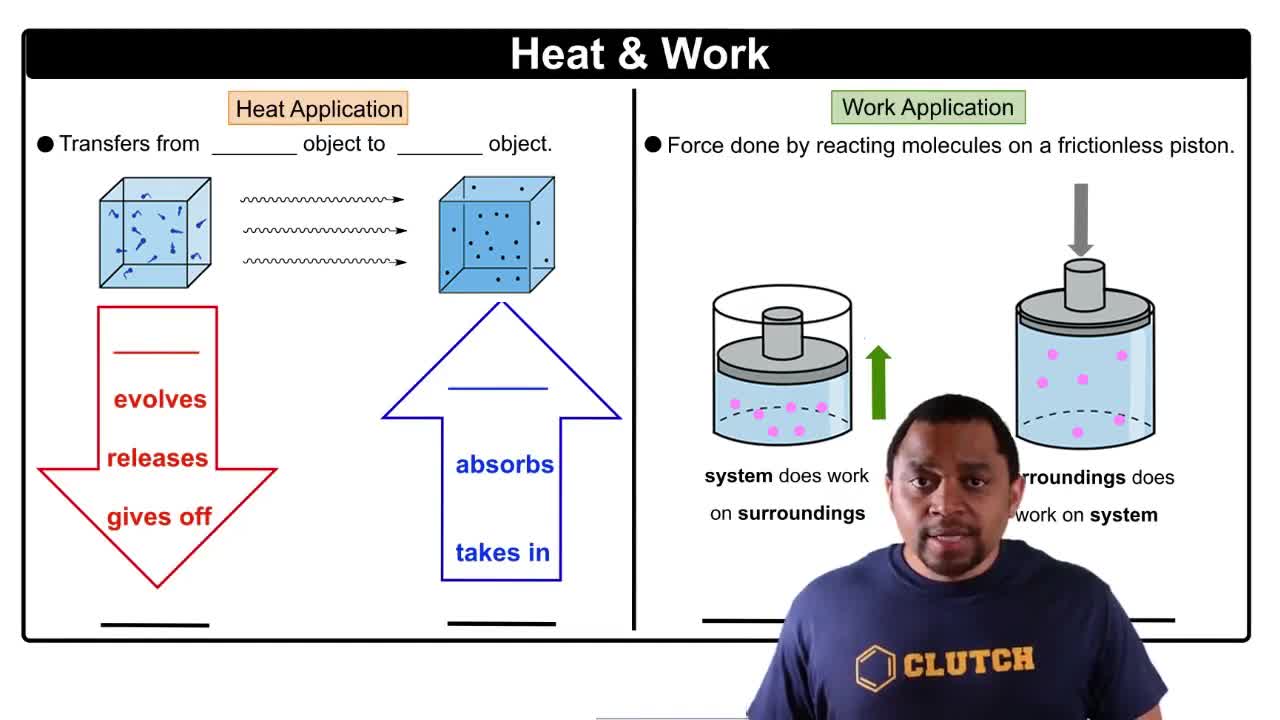
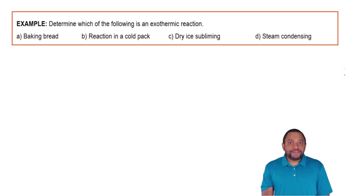
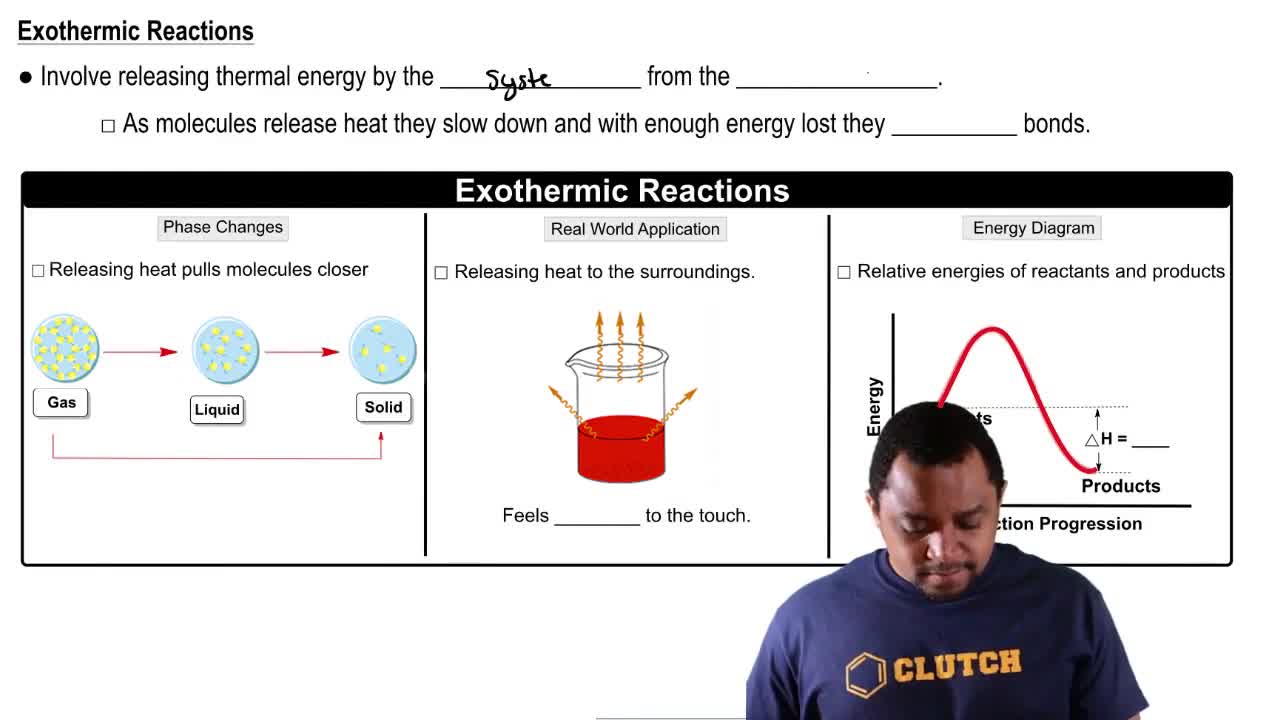
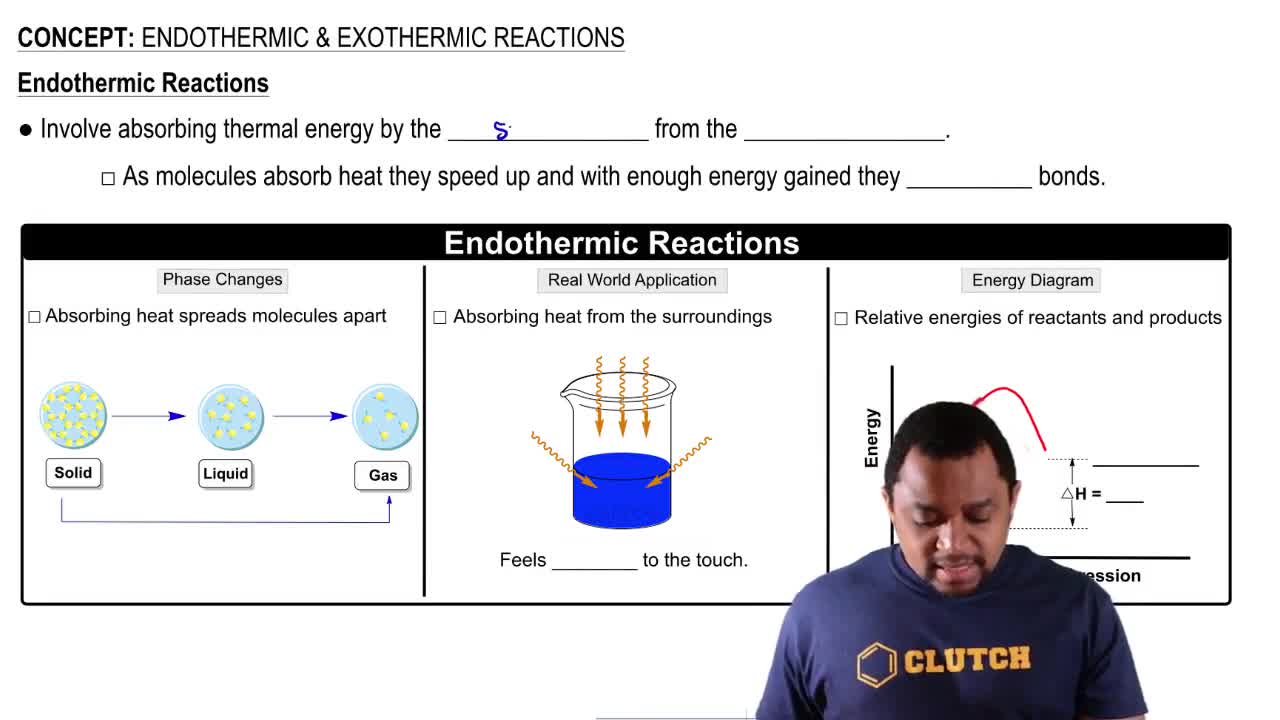
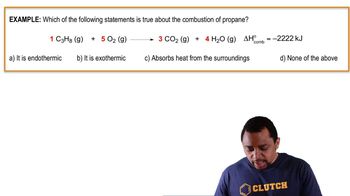
Endothermic & Exothermic Reactions
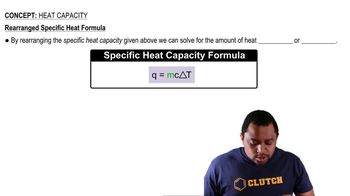
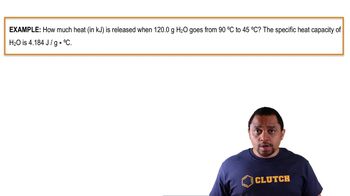
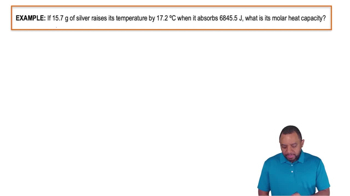
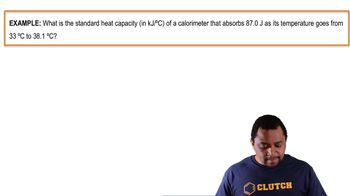
Heat Capacity
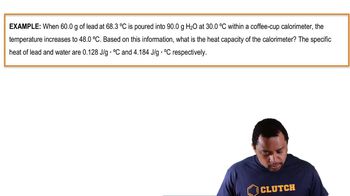
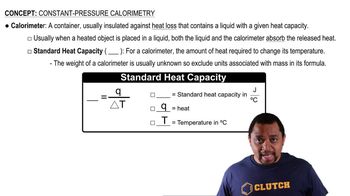
Constant-Pressure Calorimetry
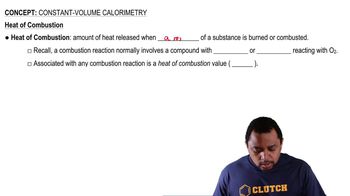
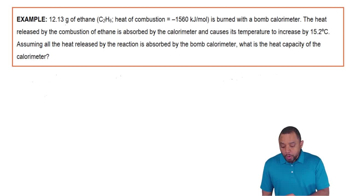
Constant-Volume Calorimetry
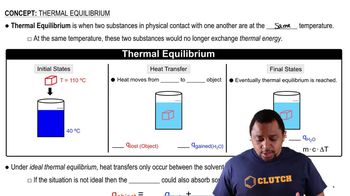
Thermal Equilibrium
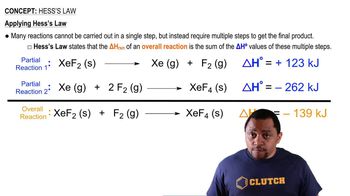
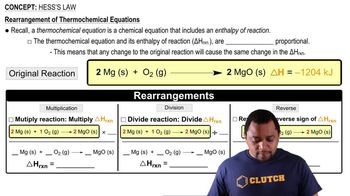
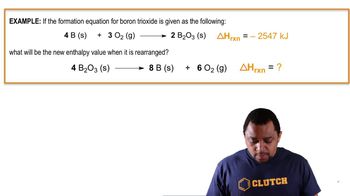
Hess's Law
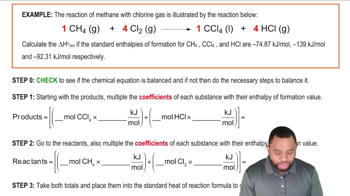
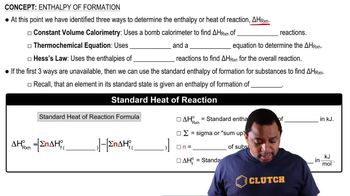
Enthalpy of Formation
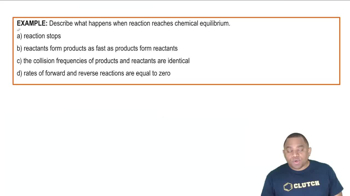
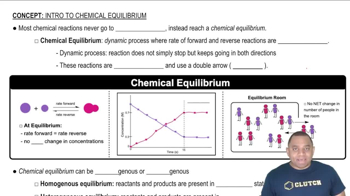
Intro to Chemical Equilibrium
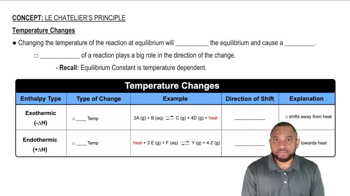
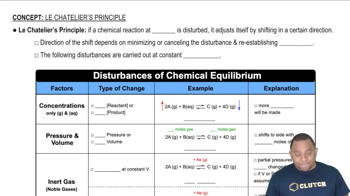
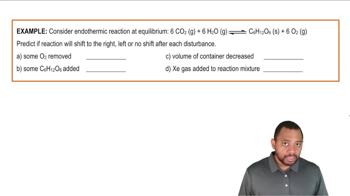
Le Chatelier's Principle
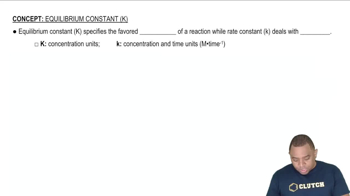
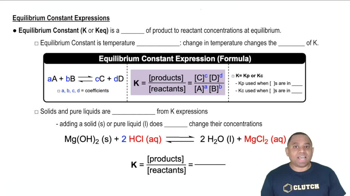
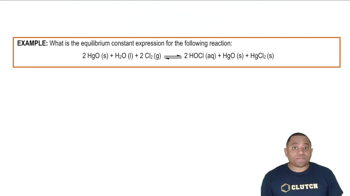
Equilibrium Constant K
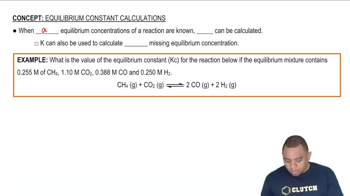
Equilibrium Constant Calculations
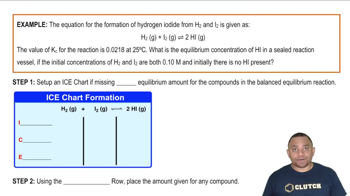
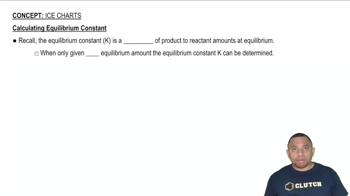
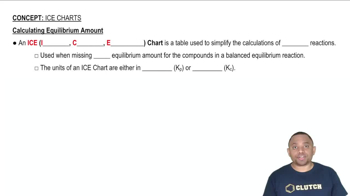
ICE Charts
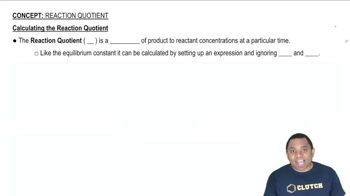
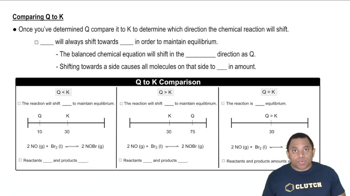
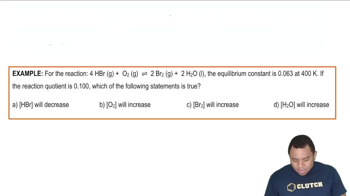
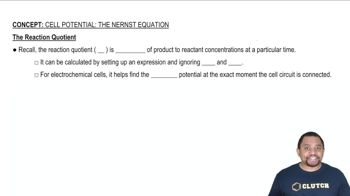
Reaction Quotient
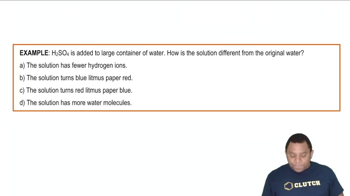
Acids Introduction
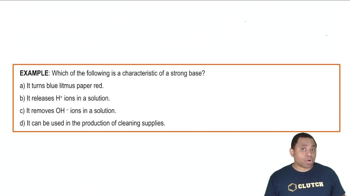
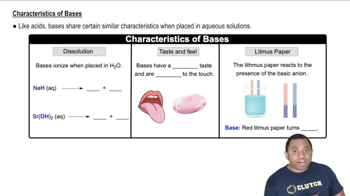
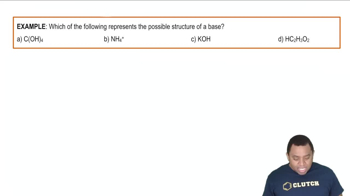
Bases Introduction
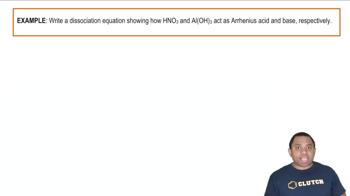
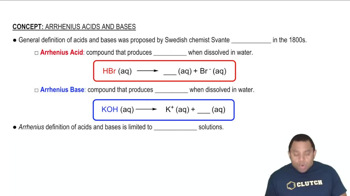
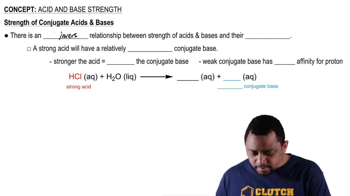
Arrhenius Acids and Bases
Bronsted-Lowry Acids and Bases
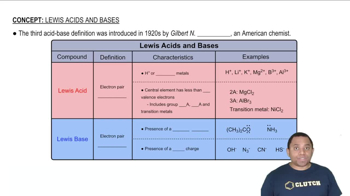
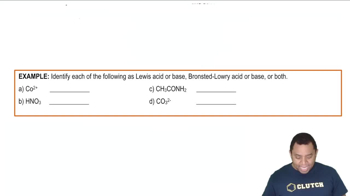
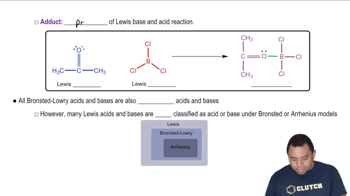
Lewis Acids and Bases
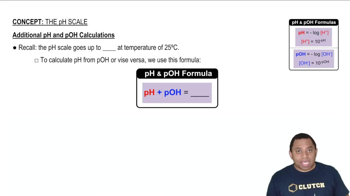
The pH Scale
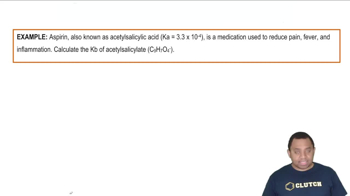
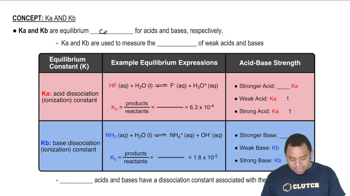
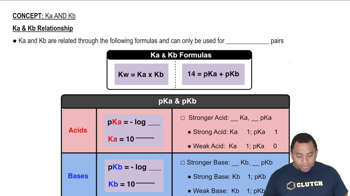
Ka and Kb
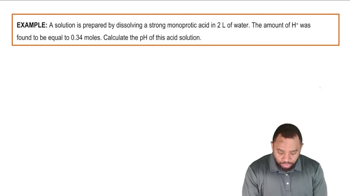
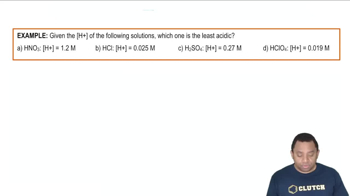
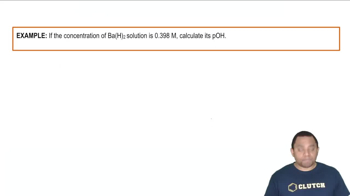
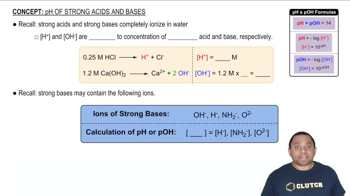
pH of Strong Acids and Bases
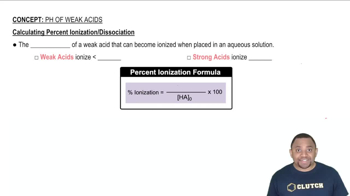
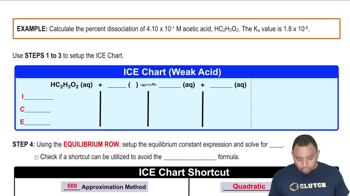
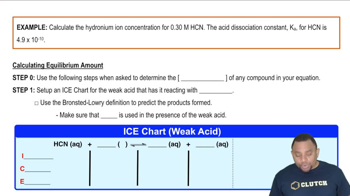
pH of Weak Acids
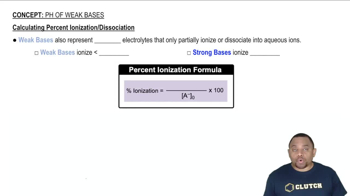
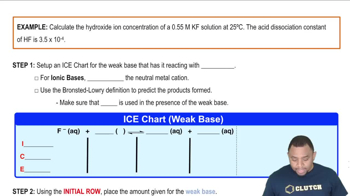
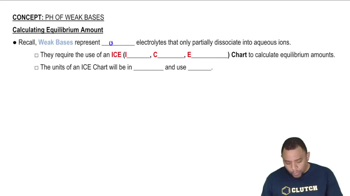
pH of Weak Bases
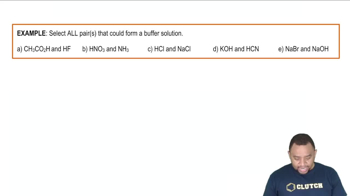
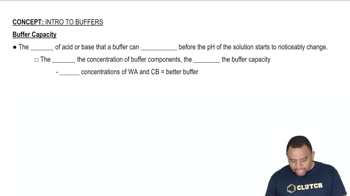
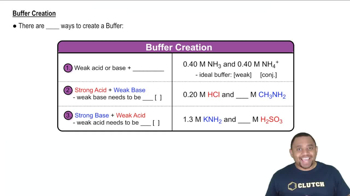
Intro to Buffers
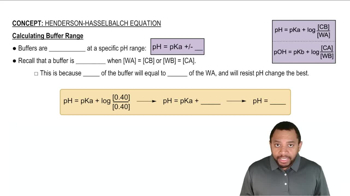
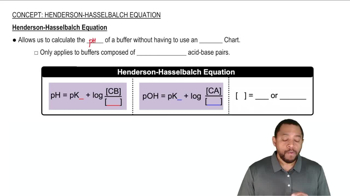
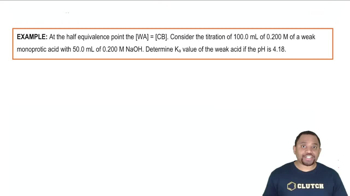
Henderson-Hasselbalch Equation
Intro to Acid-Base Titration Curves
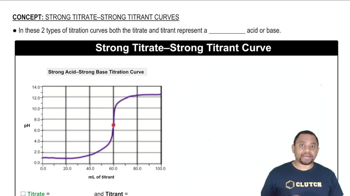
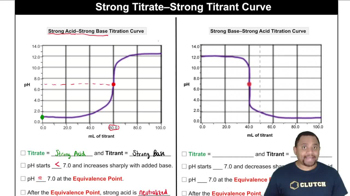
Strong Titrate-Strong Titrant Curves
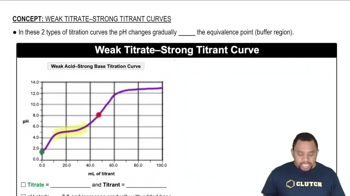
Weak Titrate-Strong Titrant Curves
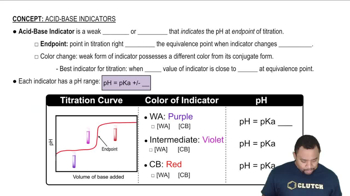
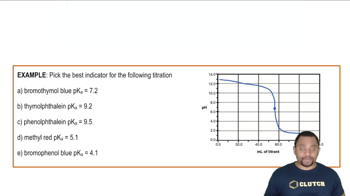
Acid-Base Indicators
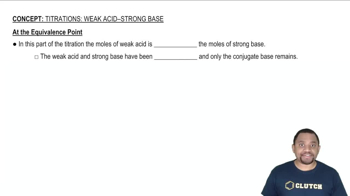
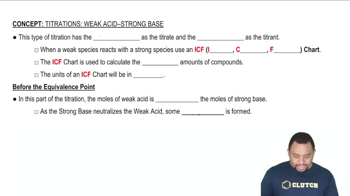
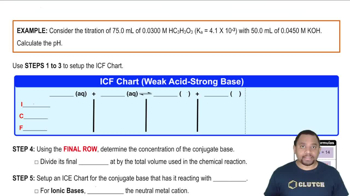
Titrations: Weak Acid-Strong Base
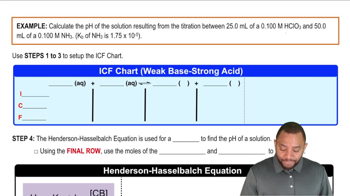
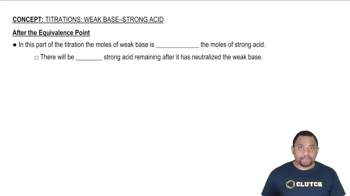
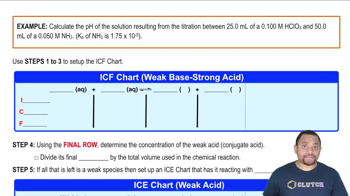
Titrations: Weak Base-Strong Acid
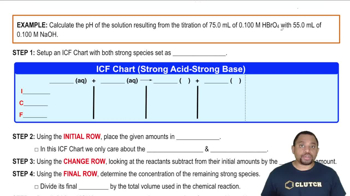
Titrations: Strong Acid-Strong Base
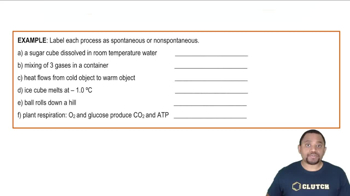
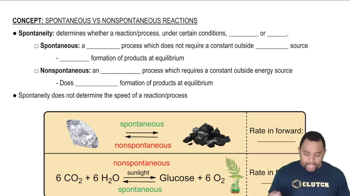
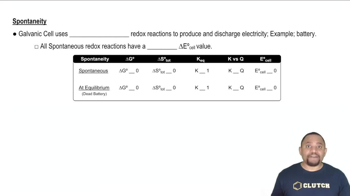
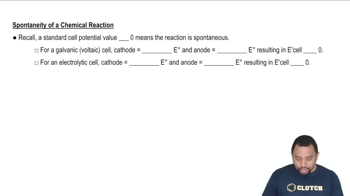
Spontaneous vs Nonspontaneous Reactions
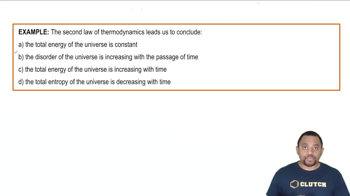
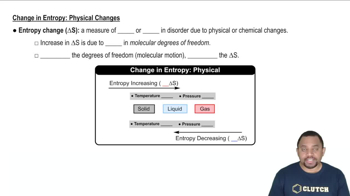
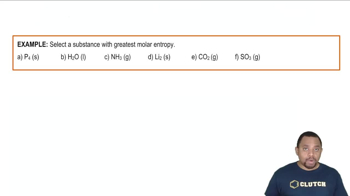
Entropy
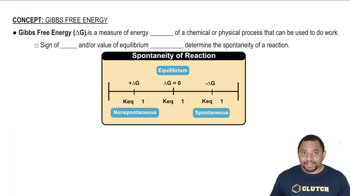
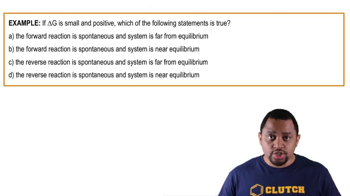
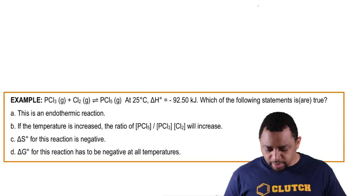
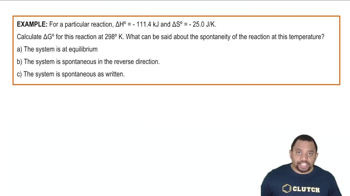
Gibbs Free Energy
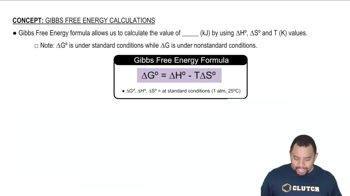
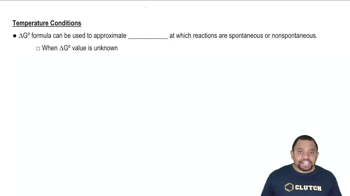
Gibbs Free Energy Calculations
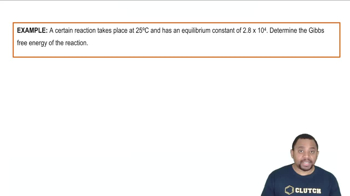
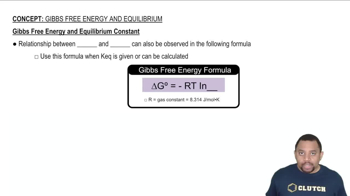
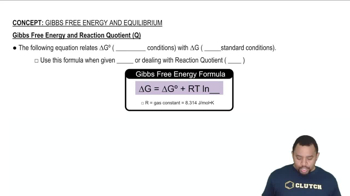
Gibbs Free Energy And Equilibrium
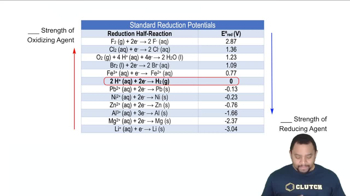
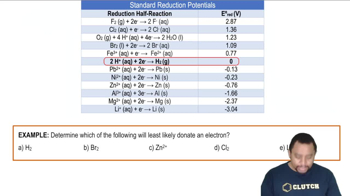
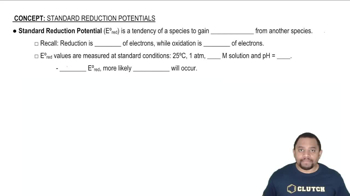
Standard Reduction Potentials
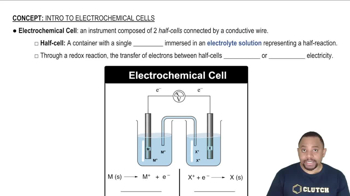
Intro to Electrochemical Cells
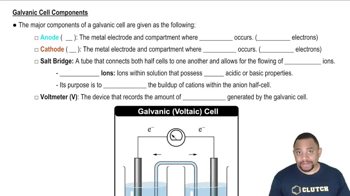
Galvanic Cell
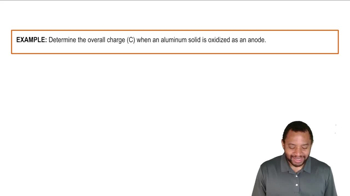
Electrolytic Cell
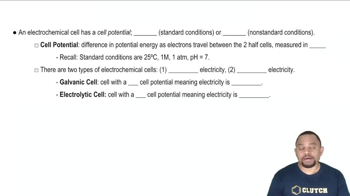
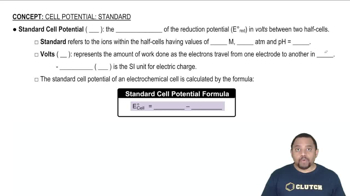
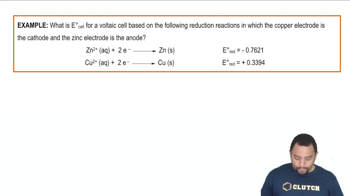
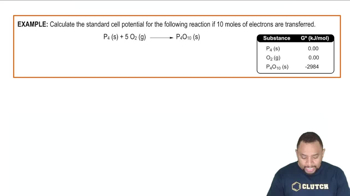
Cell Potential: Standard
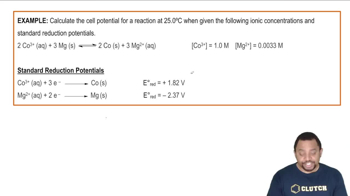
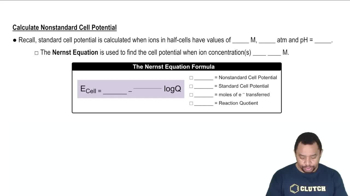
Cell Potential: The Nernst Equation
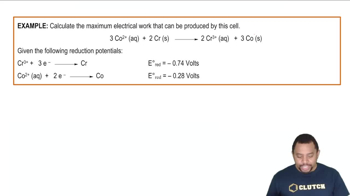
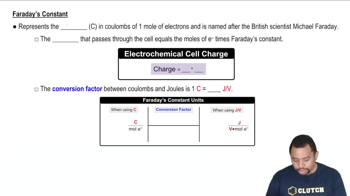
Cell Potential and Gibbs Free Energy
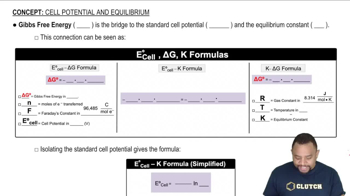
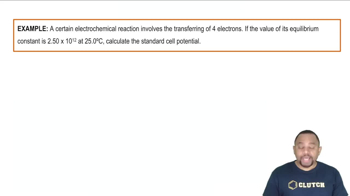
Cell Potential and Equilibrium
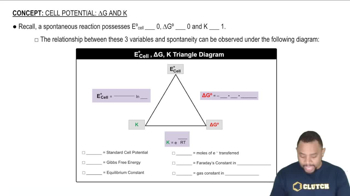
Cell Potential: G and K
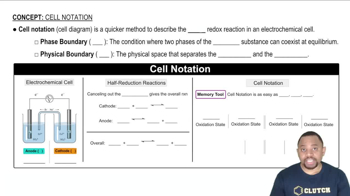
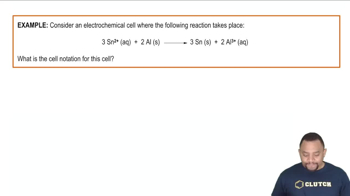
Cell Notation
 Indietro
 Lezioni curate abbinate al materiale che hai caricato – impara ogni argomento passo dopo passo.
 02:53