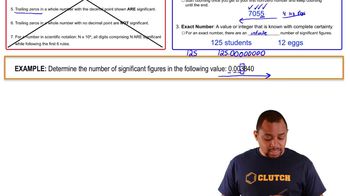
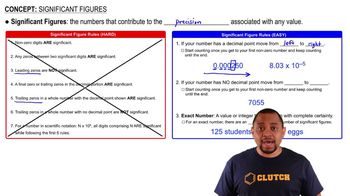
Significant Figures
The Atom
Subatomic Particles
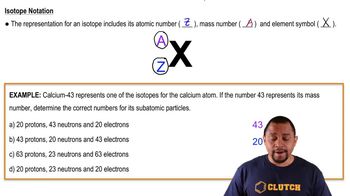
Isotopes
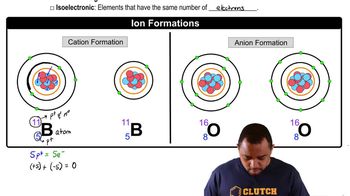
Ions
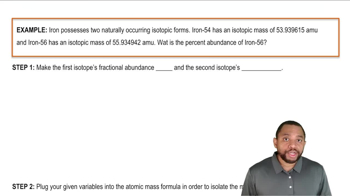
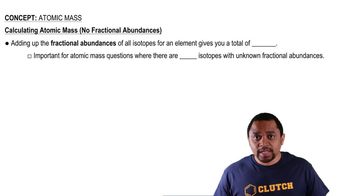
Atomic Mass
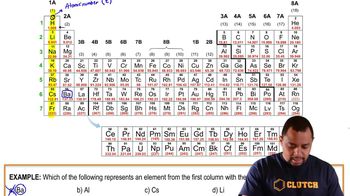
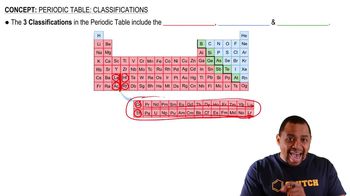
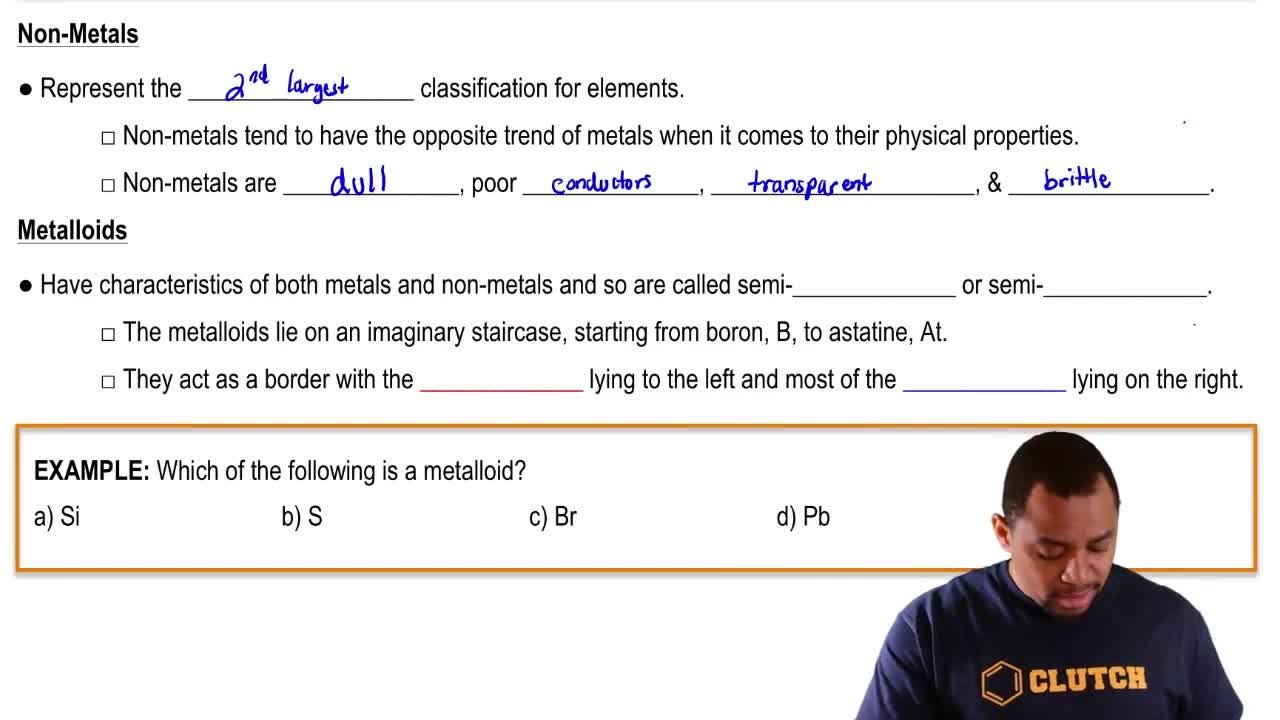
Periodic Table: Classifications
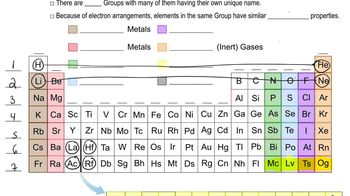
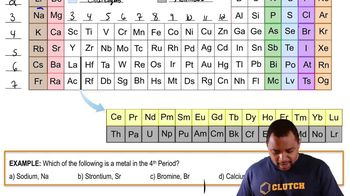
Periodic Table: Group Names
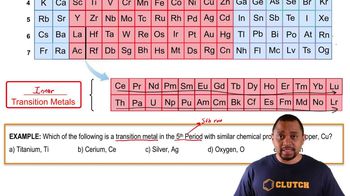
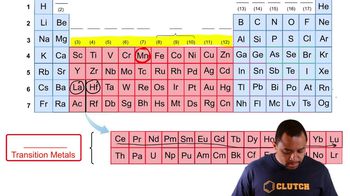
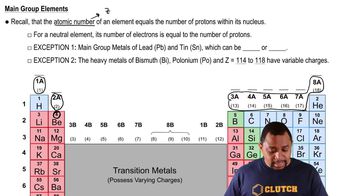
Periodic Table: Representative Elements & Transition Metals
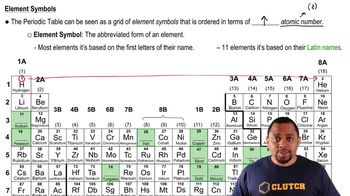
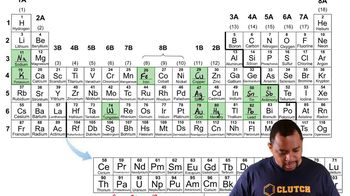
Periodic Table: Element Symbols
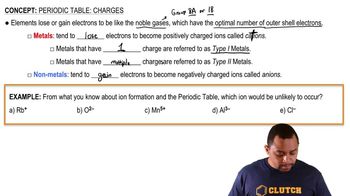
Periodic Table: Charges
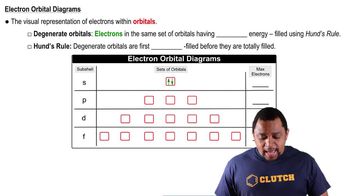
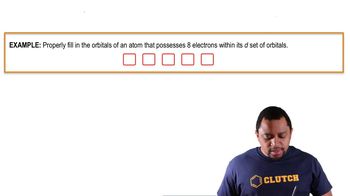
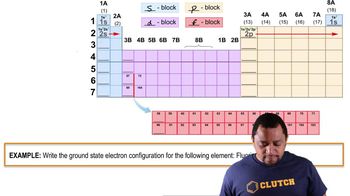
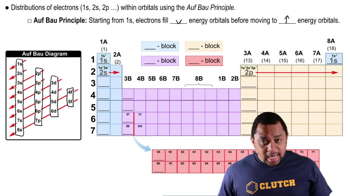
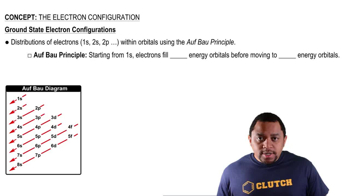
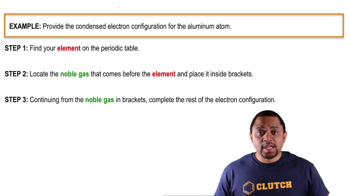
The Electron Configuration
The Electron Configuration Review
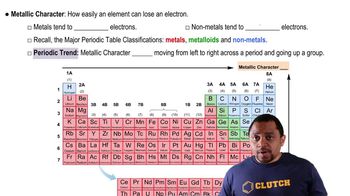
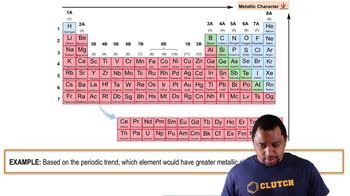
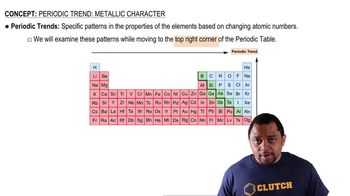
Periodic Trend: Metallic Character
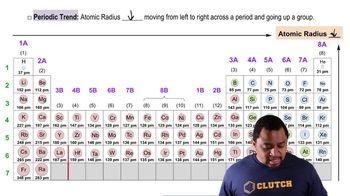
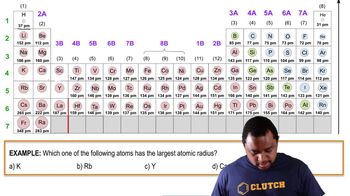
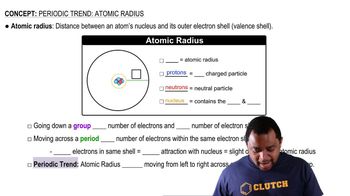
Periodic Trend: Atomic Radius
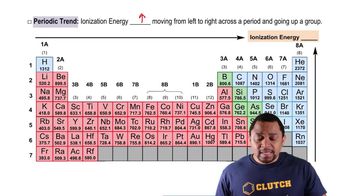
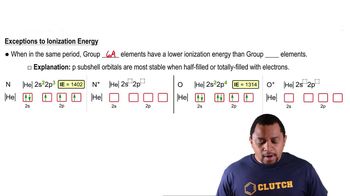
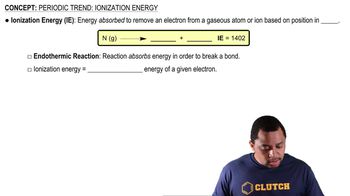
Periodic Trend: Ionization Energy
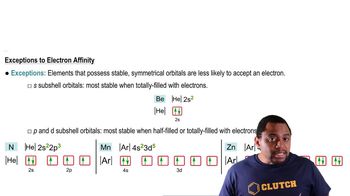
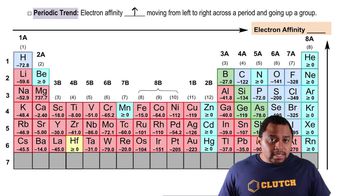
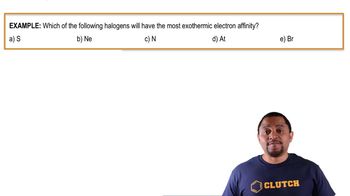
Periodic Trend: Electron Affinity
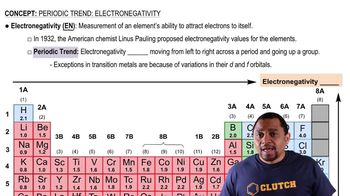
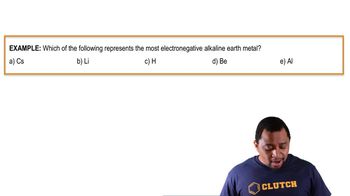
Periodic Trend: Electronegativity
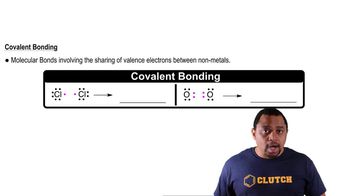
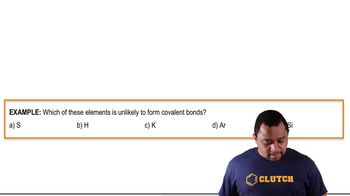
Chemical Bonds
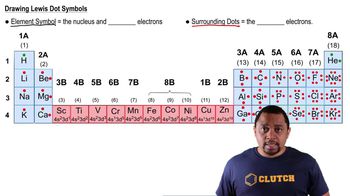
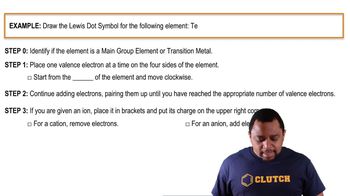
Lewis Dot Symbols
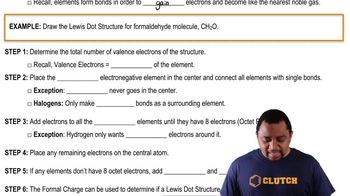
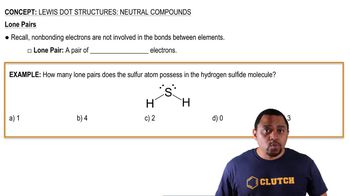
Lewis Dot Structures: Neutral Compounds
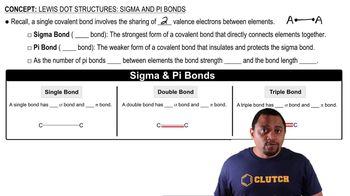
Lewis Dot Structures: Sigma & Pi Bonds
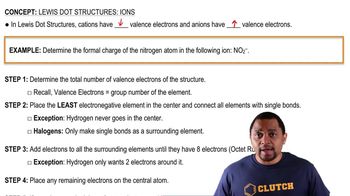
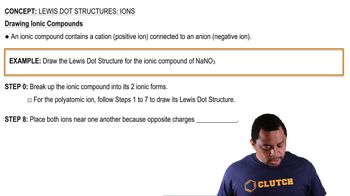
Lewis Dot Structures: Ions
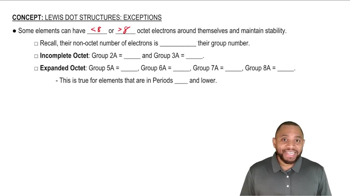
Lewis Dot Structures: Exceptions
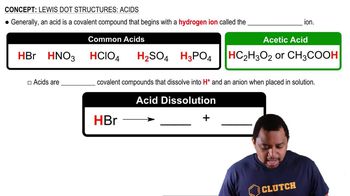
Lewis Dot Structures: Acids
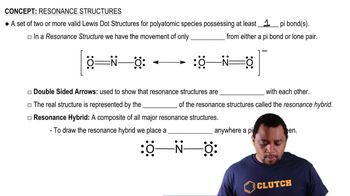
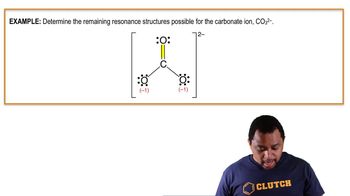
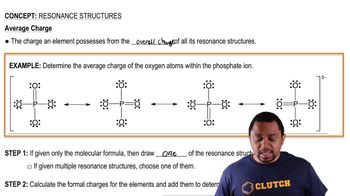
Resonance Structures
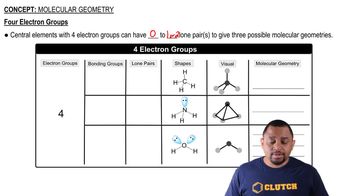
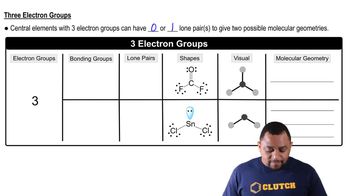
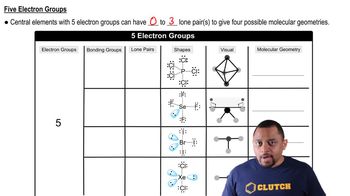
Molecular Geometry
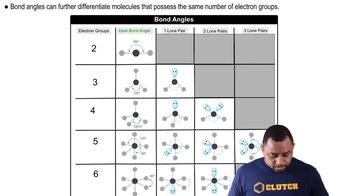
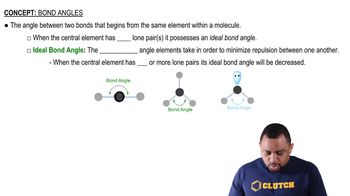
Bond Angles
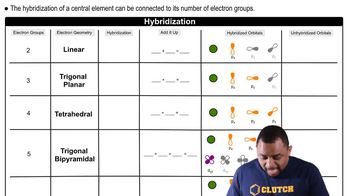
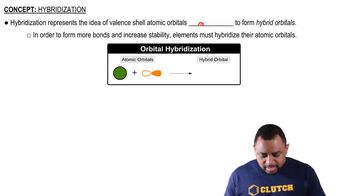
Hybridization
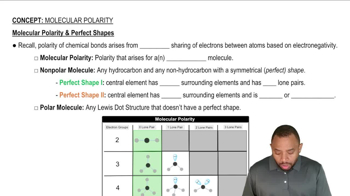
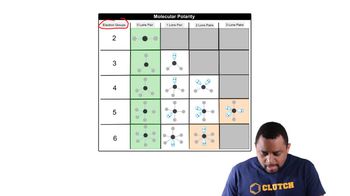
Molecular Polarity
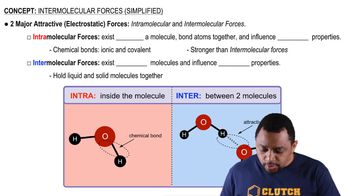
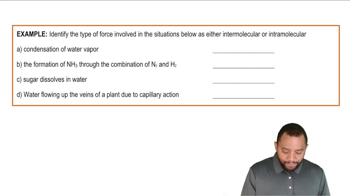
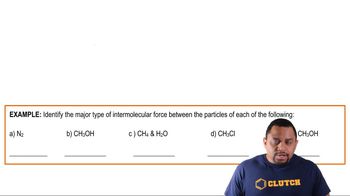
Intermolecular Forces
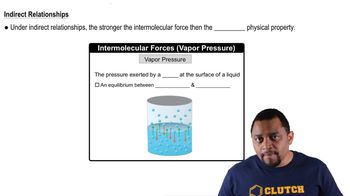
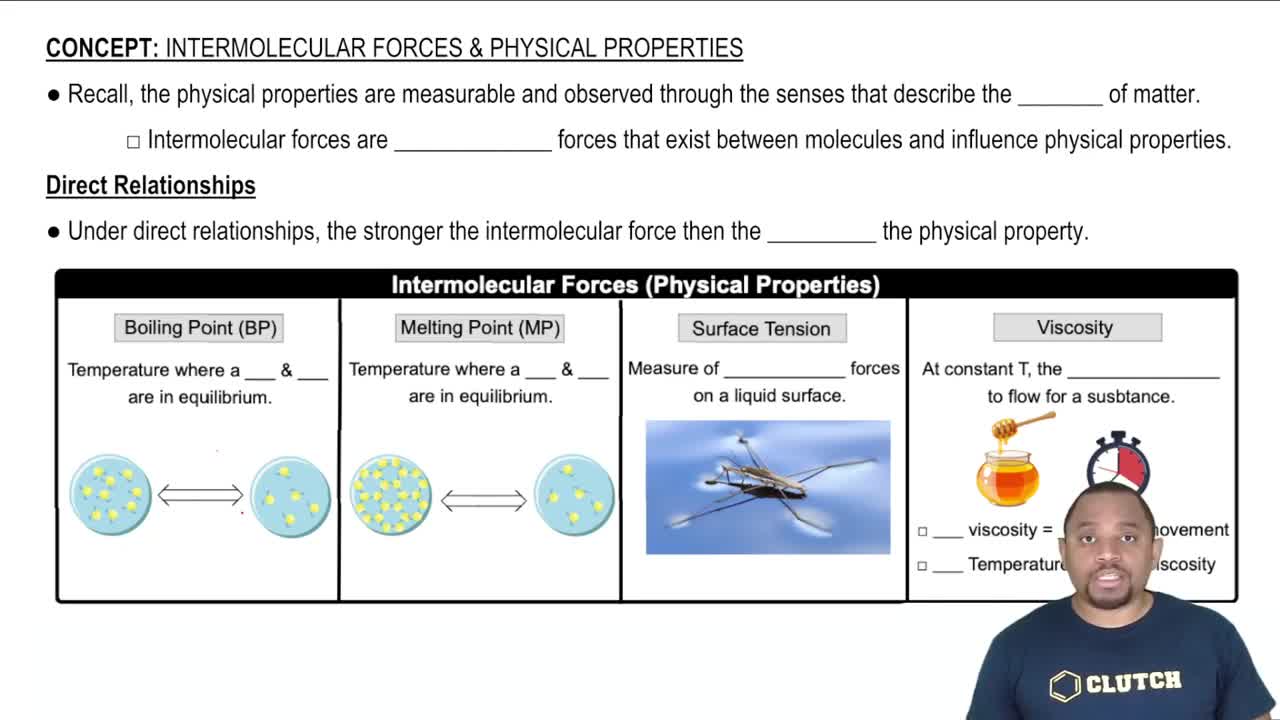
Intermolecular Forces and Physical Properties
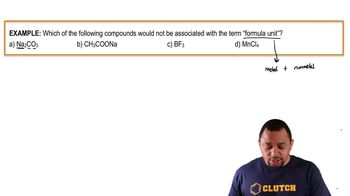
Calculating Molar Mass
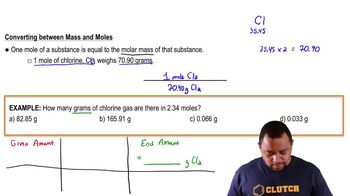
Mole Concept
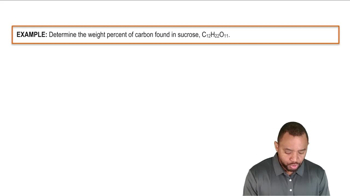
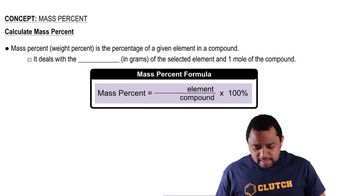
Mass Percent
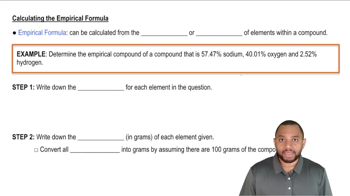
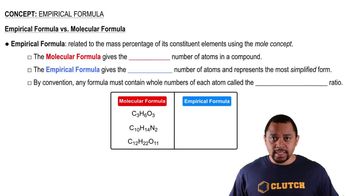
Empirical Formula
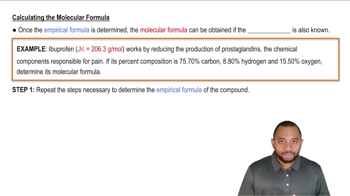
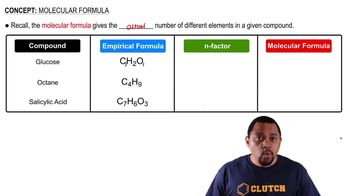
Molecular Formula
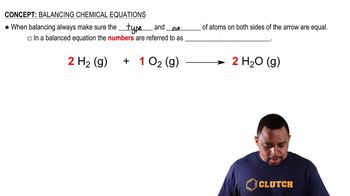
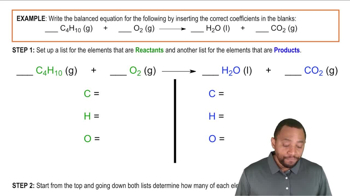
Balancing Chemical Equations
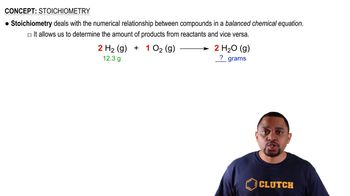
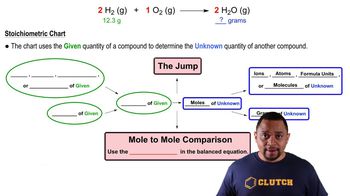
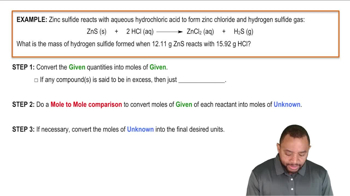
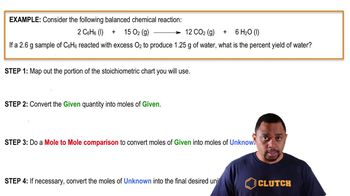
Stoichiometry
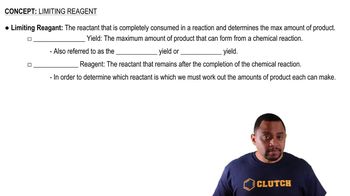
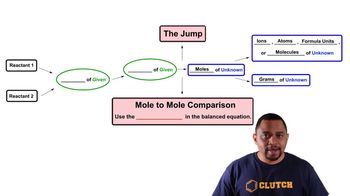
Limiting Reagent
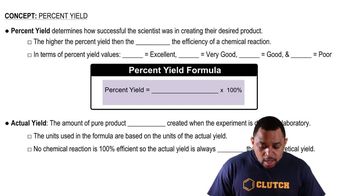
Percent Yield
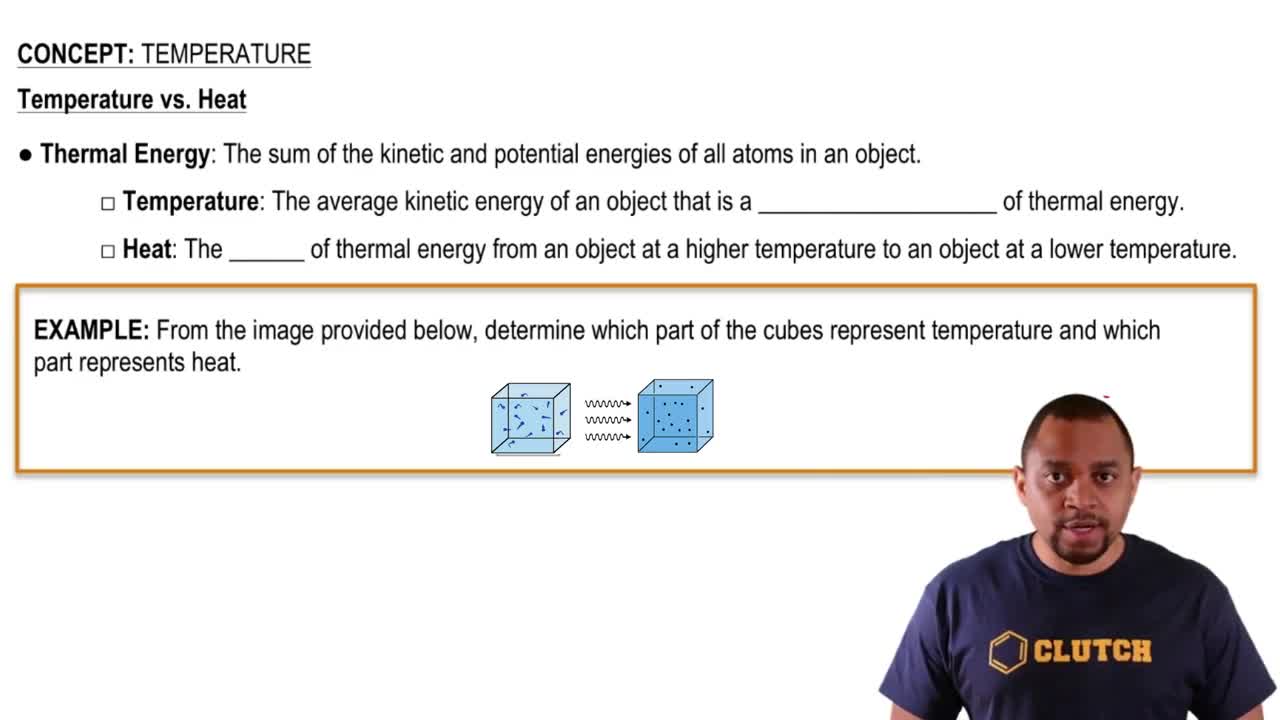
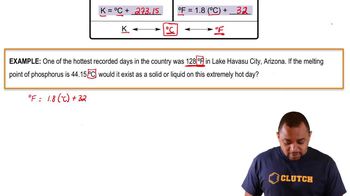
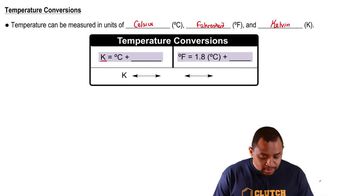
Temperature
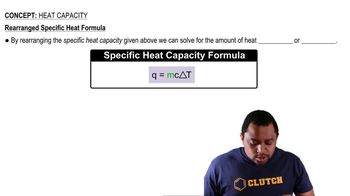
Heat Capacity
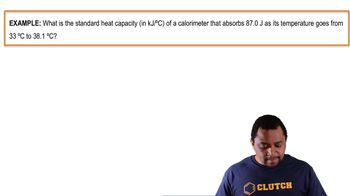
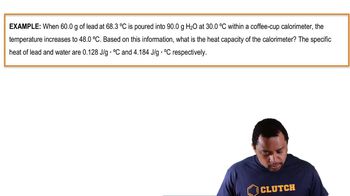
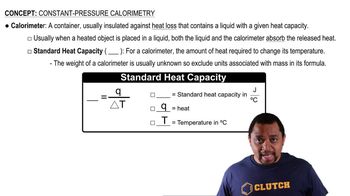
Constant-Pressure Calorimetry
Constant-Volume Calorimetry
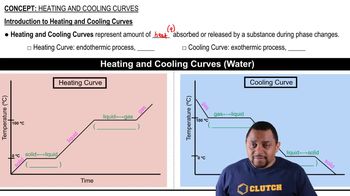
Heating and Cooling Curves
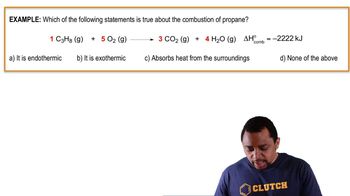
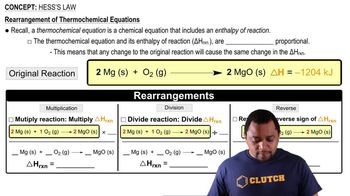
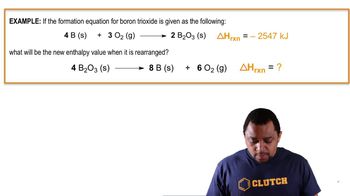
Thermochemical Equations
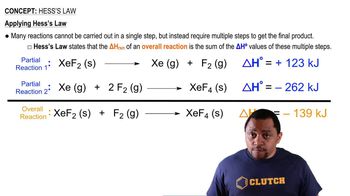
Hess's Law
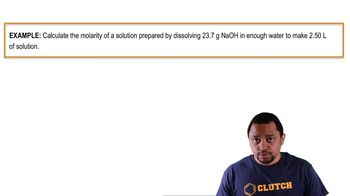
Molarity
Intro to Chemical Kinetics
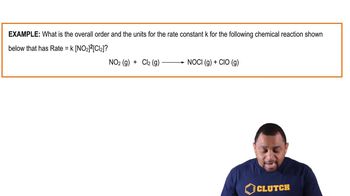
Rate Law
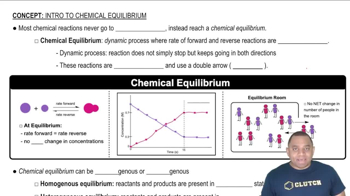
Intro to Chemical Equilibrium
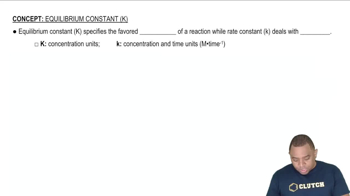
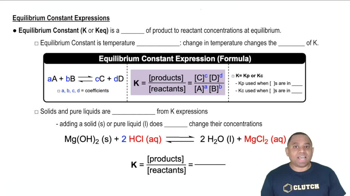
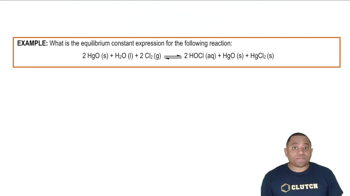
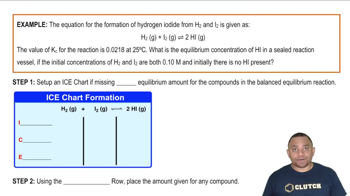
Equilibrium Constant K
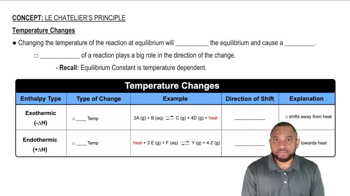
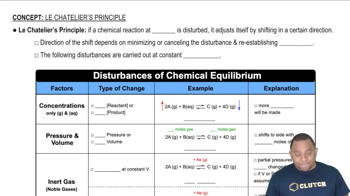
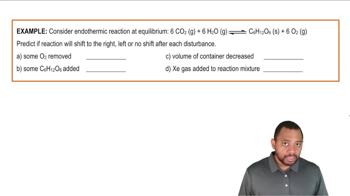
Le Chatelier's Principle
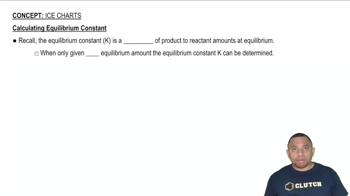
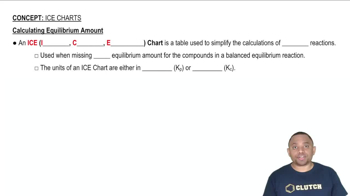
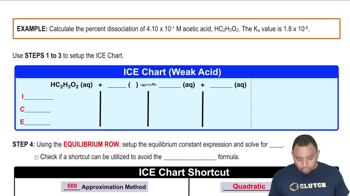
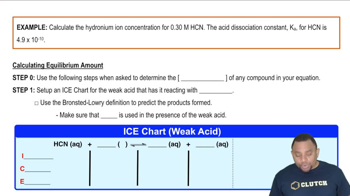
ICE Charts
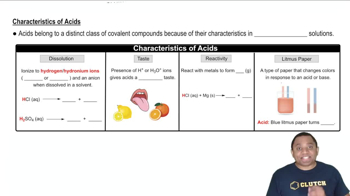
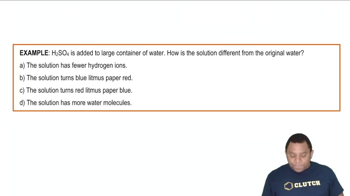
Acids Introduction
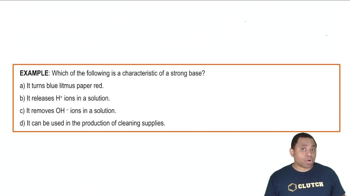
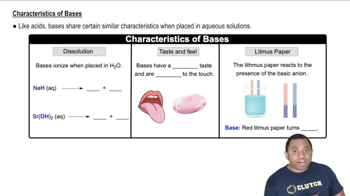
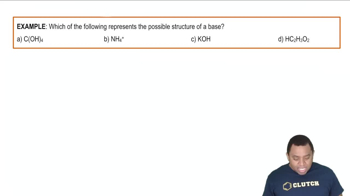
Bases Introduction
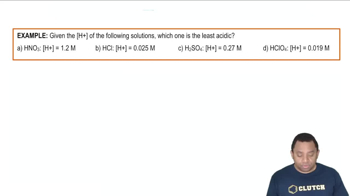
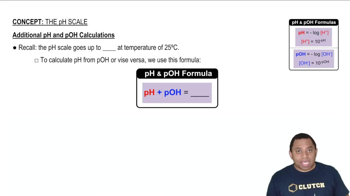
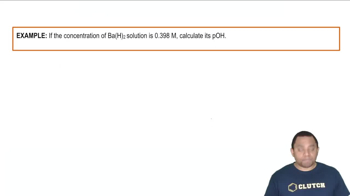
The pH Scale
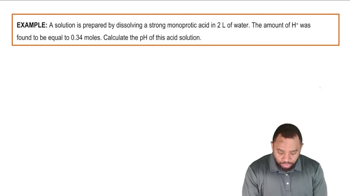
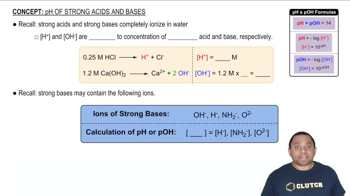
pH of Strong Acids and Bases
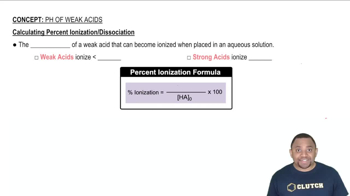
pH of Weak Acids
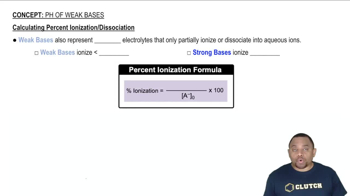
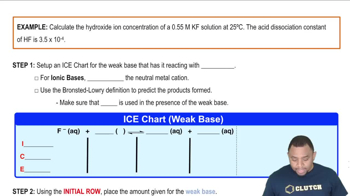
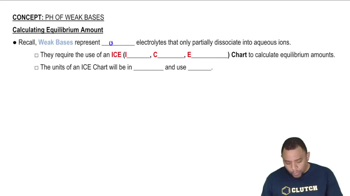
pH of Weak Bases
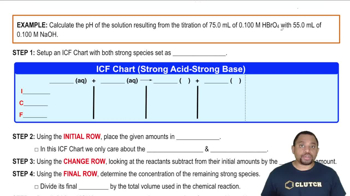
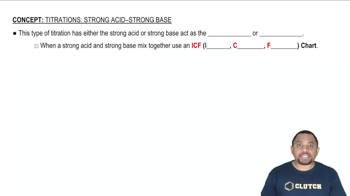
Titrations: Strong Acid-Strong Base
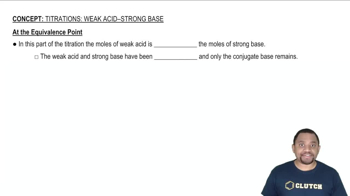
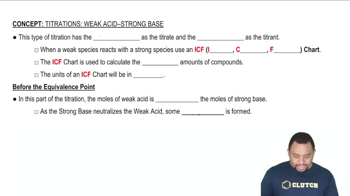
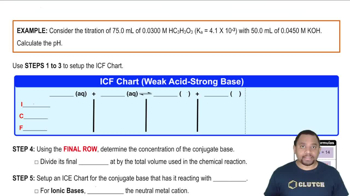
Titrations: Weak Acid-Strong Base
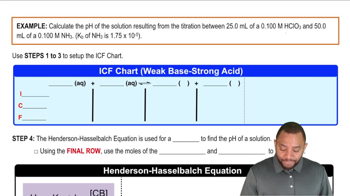
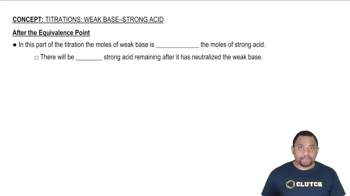
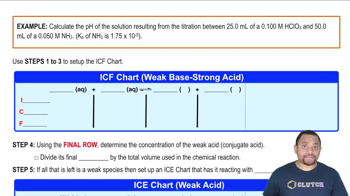
Titrations: Weak Base-Strong Acid
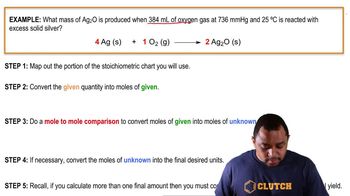
Gas Stoichiometry
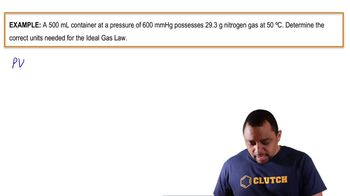
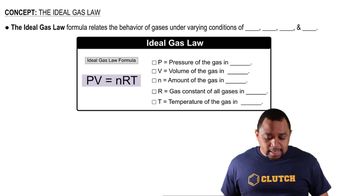
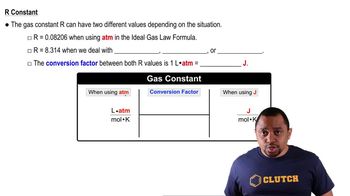
The Ideal Gas Law
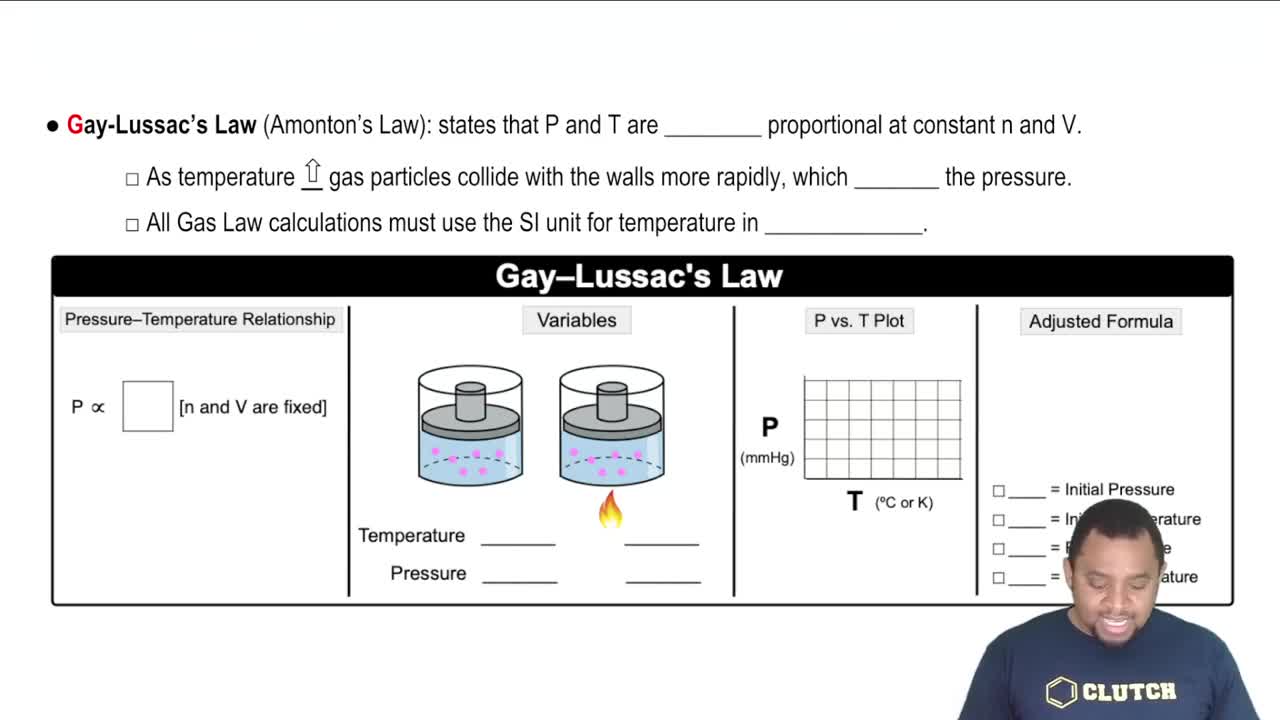
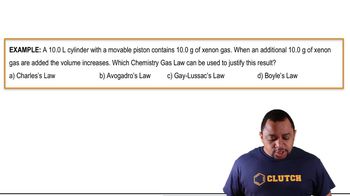
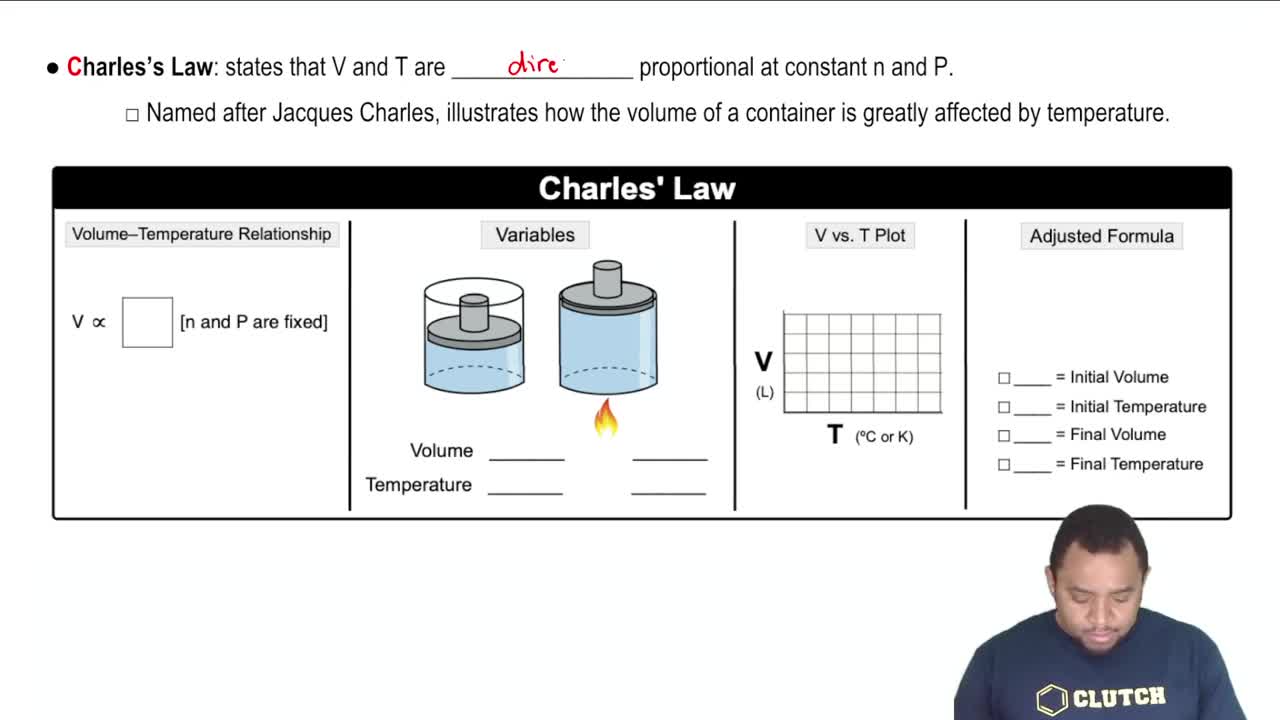
Chemistry Gas Laws
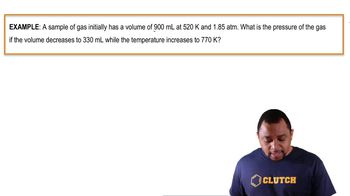
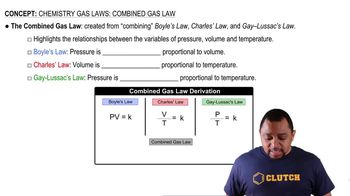
Chemistry Gas Laws: Combined Gas Law
Standard Temperature and Pressure
 Indietro
 Lezioni curate abbinate al materiale che hai caricato – impara ogni argomento passo dopo passo.
 01:09