 Indietro
Macromolecules and Biomolecules: Structure and Properties in General Chemistry
Guida di studio - Note intelligenti
 Appunti personalizzati basati sui tuoi materiali, ampliati con definizioni chiave, esempi e contesto.
Macromolecules and Polymers
Introduction to Polymers
Polymers are large molecules composed of repeating structural units called monomers. These macromolecules are fundamental in both synthetic and biological chemistry, and their properties are determined by their structure and the nature of their monomers.
Monomers: Small molecules that undergo polymerization to form polymers.
Polymerization: The chemical process by which monomers join to form a polymer.
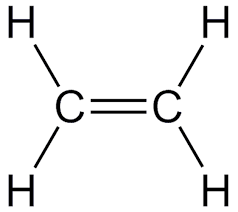
Addition Polymerization: Monomers with C–C bond orders of two or greater (e.g., ethylene) are used to form addition polymers.
Example: Polyethylene Formation
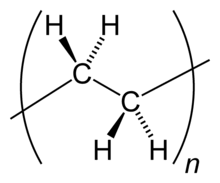
Polyethylene is formed from ethylene monomers through addition polymerization. The repeat unit retains at least two carbon atoms, similar to the monomer structure.
Repeat Unit: The structural unit repeated throughout the polymer chain.

Cross-Linking in Polymers
Cross-linking refers to interactions between polymer chains, which can significantly alter the physical properties of the material.
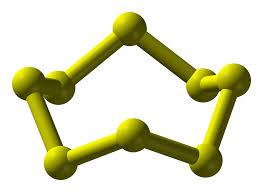
Rubber Vulcanization: The process of cross-linking polyisoprene chains using sulfur, resulting in enhanced elasticity and strength.

Condensation Polymers
Condensation polymers are characterized by the presence of functional groups such as esters or amides within the polymer backbone. The repeating unit notation indicates connectivity between units.
Ester and Amide Functional Groups: Key identifiers for condensation polymers.
Polyamides and Hydrogen Bonding
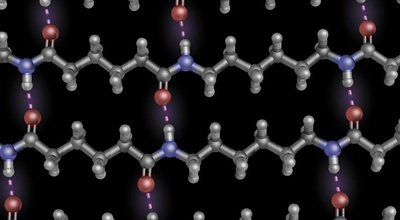
Polyamides, such as nylon, exhibit strong hydrogen bonding between chains, which influences their mechanical properties and applications.
Hydrogen Bonding: Induces strong interactions between polymer chains, leading to materials suitable for textiles, sportswear, and carpets.
Biomolecules: Proteins, Fats, and Nucleic Acids
Proteins (Polypeptides)
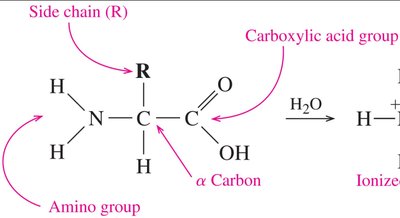
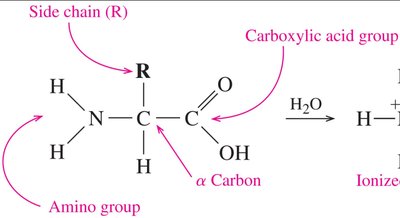
Proteins are polyamides formed from amino acid monomers. Their structure and function are determined by the sequence and properties of their constituent amino acids.
Amino Acids: The monomers of polypeptides, each with a unique side chain (R group).
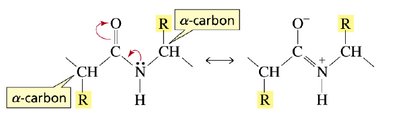
Peptide Bond: The amide linkage between amino acids, which is rigid and planar due to resonance.

Amino Acid Structure
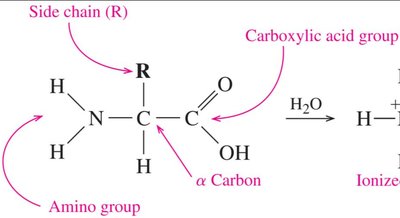
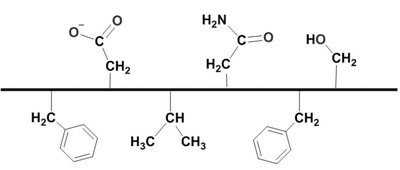
General Structure: Each amino acid contains an amino group, a carboxylic acid group, an α-carbon, and a side chain (R).
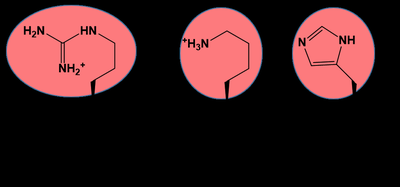
Classification of Amino Acids
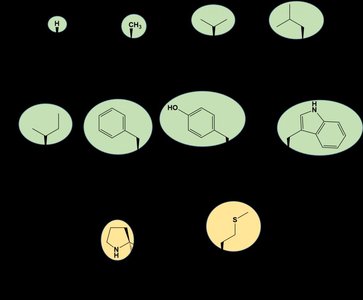
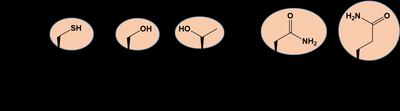
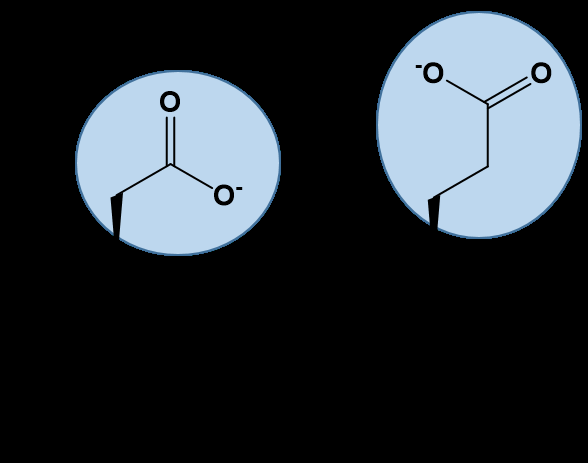
Amino acids are classified based on the properties of their side chains:
Hydrophobic: Side chains that do not interact favorably with water.
Hydrophilic: Side chains that interact favorably with water.
Protein Structure Hierarchy
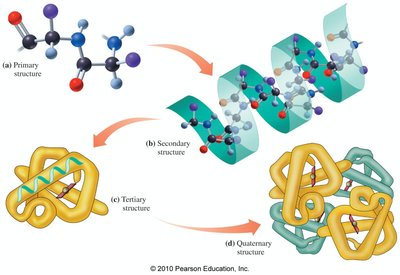
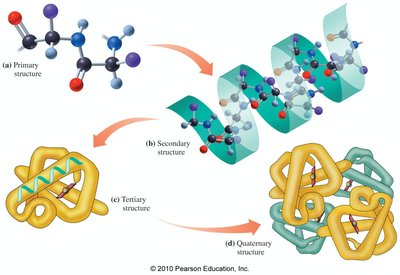
Protein structure is described using a four-level hierarchy:
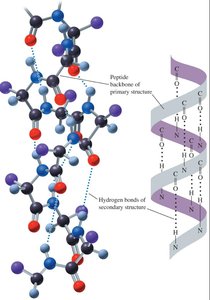
Primary Structure: The sequence of amino acids in the polypeptide chain.
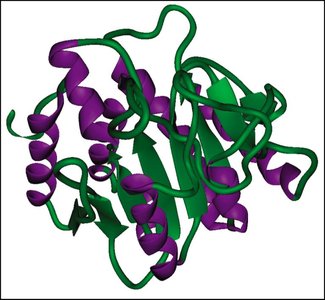
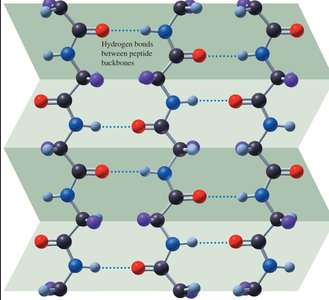
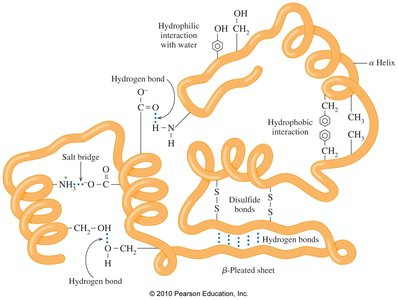
Secondary Structure: Local folding elements such as α-helices and β-sheets, stabilized by hydrogen bonding.
Tertiary Structure: The overall three-dimensional shape formed by interactions between side chains.
Quaternary Structure: The arrangement of multiple polypeptide chains in a protein complex.
Example: Hemoglobin and Sickle Cell Anemia
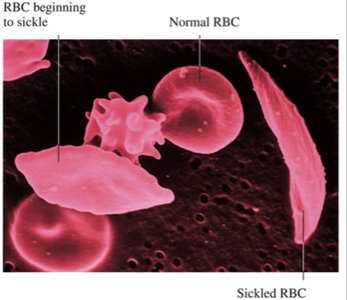
Hemoglobin is a protein whose misfolding can lead to sickle cell anemia, a disease characterized by abnormal red blood cell shapes.
Protein Folding and Solvent Effects
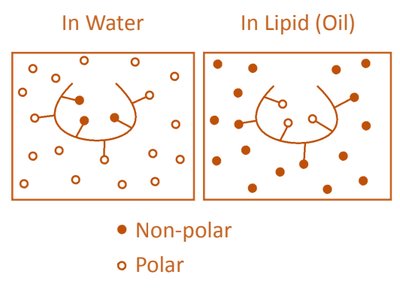
The folding of proteins is influenced by the nature of the surrounding solvent. Polar residues tend to be exposed in polar environments (e.g., water), while non-polar residues are buried. In non-polar environments (e.g., lipids), the folding pattern is reversed.
Fats and Fatty Acids
Fatty Acid Structure and Properties
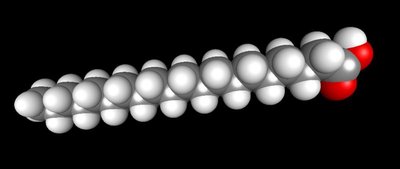
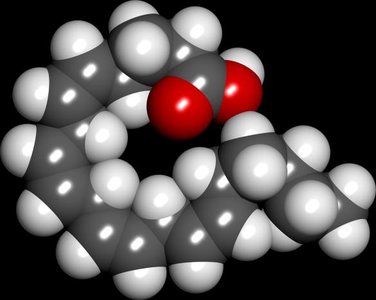
Fatty acids are carboxylic acids with long hydrocarbon chains. Their degree of saturation and configuration (cis/trans) affect their physical properties, such as melting point.
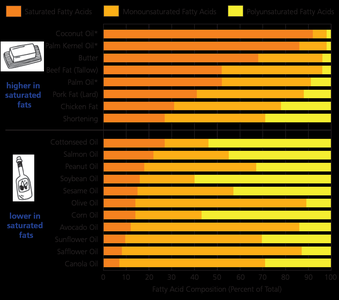
Saturated Fatty Acids: No double bonds; chains pack closely, leading to higher melting points.
Monounsaturated Fatty Acids: One double bond; less packing, lower melting point.
Polyunsaturated Fatty Acids: Multiple double bonds; even less packing, lowest melting points.
London Dispersion Forces and Melting Points
The closer fatty acid chains can pack, the stronger the London dispersion forces, resulting in higher melting points.
Triglycerides and Health Implications
Most fats are triglycerides, formed from glycerol and fatty acids. The melting point of fats influences their state at room temperature and their potential to cause atherosclerosis.
High Melting Point Fats: Tend to be solid at room temperature and can cause fatty deposits in blood vessels.
Low Melting Point Fats: Remain liquid at room temperature and are less likely to cause atherosclerosis.
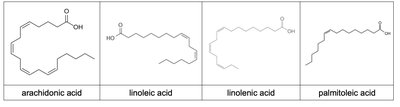
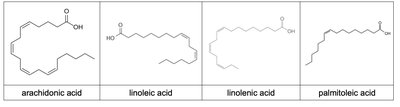
Example: Designing Healthier Fats
Fats with higher degrees of unsaturation and cis double bonds (e.g., arachidonic and linolenic acids) have lower melting points and are less likely to cause fatty deposits.
Nucleic Acids: DNA Structure
DNA Structure and Properties
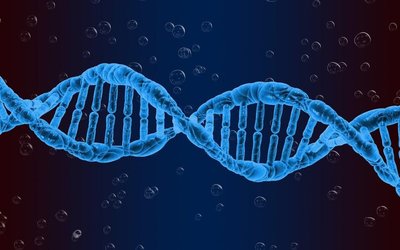
DNA is a polynucleotide with a sugar-phosphate backbone. The sugars are linked 3′ to 5′ by phosphodiester bonds, and the double-helix structure is stabilized by hydrogen bonding between complementary bases.
Sugar-Phosphate Backbone: Composed of ribose sugars and phosphate groups.
Base Pairing: Hydrogen bonds between nitrogenous bases on opposite strands.
Double-Helix: DNA consists of two strands running in opposite directions (5′ → 3′ and 3′ → 5′).
Summary Table: Types of Macromolecules
Macromolecule | Monomer | Bond Type | Key Properties |
|---|---|---|---|
Polyethylene | Ethylene | C–C single bond | Flexible, non-polar |
Polyamide (Nylon) | Amino acid | Amide (peptide) bond | Strong, hydrogen bonding |
Protein | Amino acid | Peptide bond | Specific folding, functional diversity |
Fat (Triglyceride) | Fatty acid, glycerol | Ester bond | Energy storage, melting point varies |
DNA | Nucleotide | Phosphodiester bond | Genetic information, double-helix |
Key Equations and Concepts
Peptide Bond Formation:
Phosphodiester Bond Formation:
London Dispersion Forces: Strength increases with surface area and proximity of chains.
Additional info: The notes expand on the original content by providing definitions, examples, and academic context for each macromolecule type, their structure, and their properties. The summary table and equations are inferred to provide a comprehensive overview for exam preparation.
