 Indietro
Cell Division and Chromosome Heredity: Mitosis and Meiosis in Human Genetics
Guida di studio - Note intelligenti
 Appunti personalizzati basati sui tuoi materiali, ampliati con definizioni chiave, esempi e contesto.
Cell Division and Chromosome Heredity
Overview of Chromosomes in Human Gametes
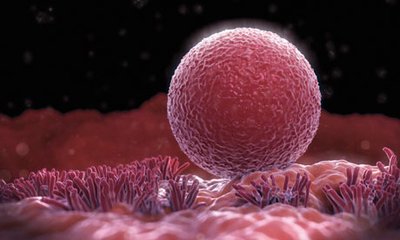
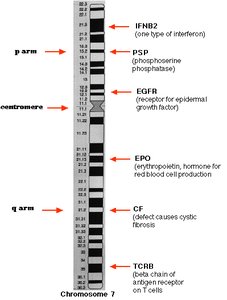
The human female gamete (egg) and male gamete (sperm) each contain 23 unique chromosomes, representing a single set of the human genome. These chromosomes collectively encode over 20,000 protein-coding genes and approximately 3 billion base pairs of DNA. Chromosome number (1-22) is based on size, while sex chromosomes (X and Y) are not numbered. Larger chromosomes contain more genes, and each chromosome carries hundreds to thousands of genes. The genes found on a specific chromosome (e.g., chromosome 7) are unique to that chromosome and not found on others.
Chromosome Structure: Each chromosome is a long DNA molecule, and chromosomes are numbered based on size.
Gene Distribution: Genes are distributed uniquely across chromosomes; for example, chromosome 7 contains genes not found on other chromosomes.
Sex Chromosomes: X and Y chromosomes determine biological sex and are not assigned a number.
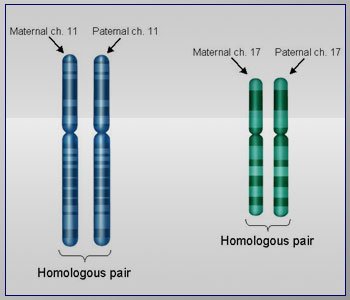
Homologous Chromosomes: Chromosomes of the same number from each parent are homologous, containing the same genes in the same locations.
Formation of the Zygote and Chromosome Pairing
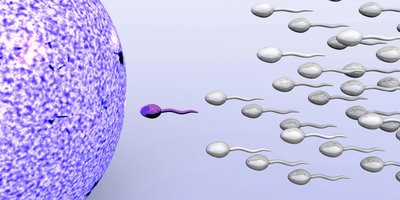
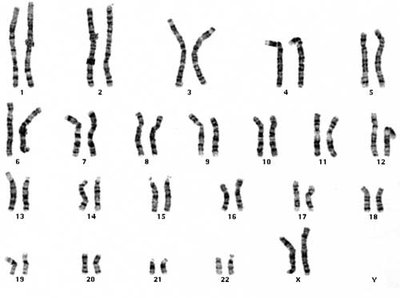
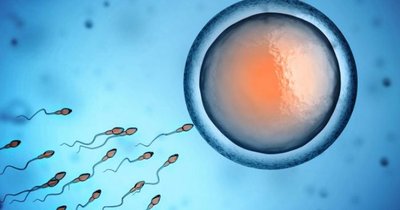
The union of the egg and sperm results in a zygote, which contains 46 chromosomes—23 from each parent. Homologous chromosomes pair up, forming 23 homologous pairs. In a karyotype, these pairs are displayed side by side, showing their similarity in size and gene content.
Zygote: The fertilized egg is diploid (2N), containing two copies of each chromosome.
Homologous Pairs: Each pair consists of one maternal and one paternal chromosome.
Alleles: Homologous chromosomes may carry different versions (alleles) of the same gene, contributing to genetic variation.
Diploid and Haploid Cells
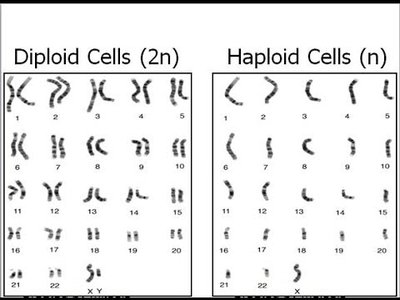
Gametes are haploid (1N), containing one copy of each chromosome, while the zygote and all somatic cells are diploid (2N), with two copies of each chromosome. The distinction between diploid and haploid is fundamental to understanding inheritance and cell division.
Diploid (2N): Two copies of each chromosome, found in somatic cells and zygote.
Haploid (1N): One copy of each chromosome, found in gametes.
Karyotype: Visual representation of chromosomes in a cell.
Mitosis: Cell Division in Somatic Cells
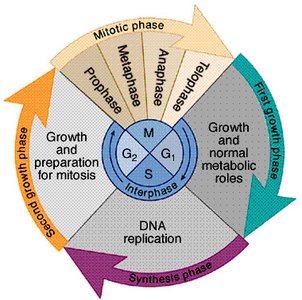
Mitosis is the process by which somatic cells divide, producing two genetically identical daughter cells. The chromosome number remains unchanged, and each cell receives a complete set of chromosomes. Mitosis is essential for growth, development, and tissue repair.
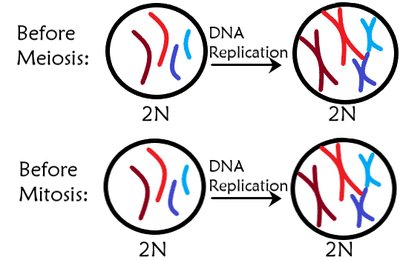
DNA Replication: Occurs in S phase before mitosis, creating identical sister chromatids.
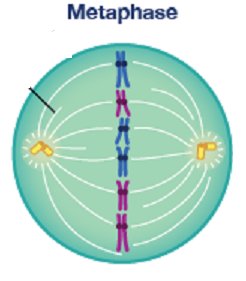
Chromosome Alignment: Chromosomes line up in the center of the cell during metaphase.
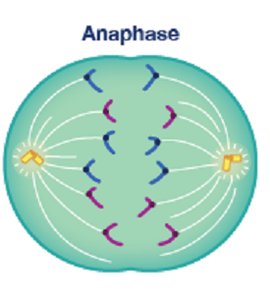
Disjunction: Sister chromatids are separated into daughter cells during anaphase.
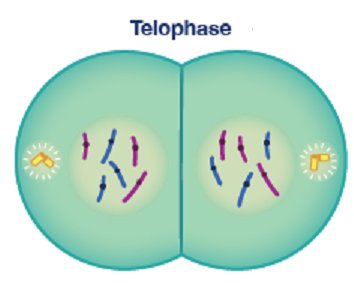
Cytokinesis: Division of the cytoplasm results in two cells.
Cell Cycle Regulation
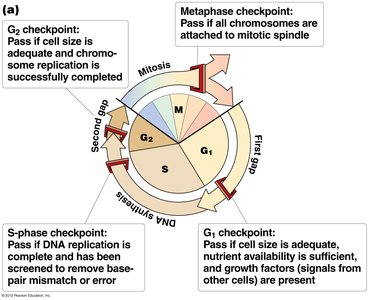
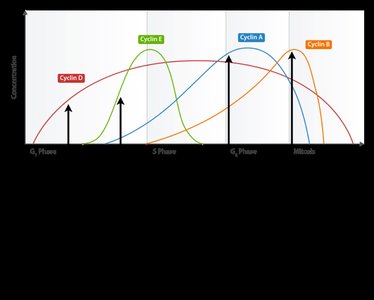
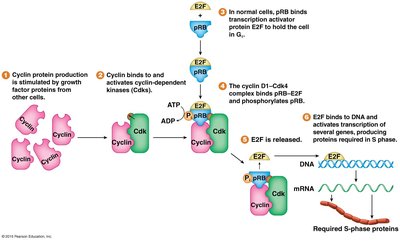
The cell cycle is tightly regulated by checkpoints and cyclin-dependent kinases (CDKs). Cyclins are produced and degraded in a controlled manner, activating CDKs only when appropriate. Key checkpoints include the G1 restriction point and the spindle assembly checkpoint in mitosis.
G1 Restriction Point: Determines whether the cell will proceed to division.
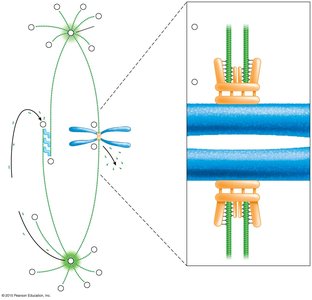
Spindle Assembly Checkpoint: Ensures chromosomes are properly attached and aligned before separation.
Cyclin-CDK Complexes: Regulate progression through the cell cycle.
Meiosis: Formation of Gametes
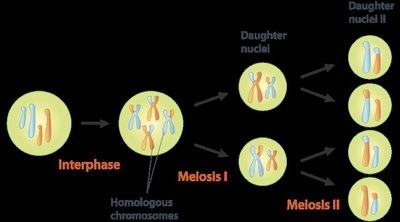
Meiosis occurs only in germ cells (ovaries and testes) and is responsible for producing gametes (eggs and sperm). The process involves two rounds of cell division—meiosis I and II—reducing the chromosome number by half and generating genetic diversity.
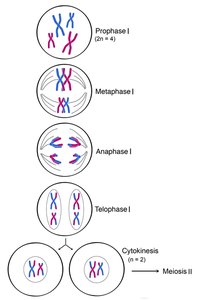
Meiosis I: Homologous chromosomes pair and separate, resulting in haploid cells.
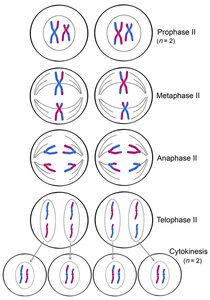
Meiosis II: Sister chromatids separate, similar to mitosis, but cells remain haploid.
Genetic Diversity: Achieved through homologous recombination (crossing over) and independent assortment.
Mechanisms of Genetic Diversity in Meiosis
Two primary mechanisms contribute to genetic diversity during meiosis: homologous recombination (crossing over) and independent assortment. Crossing over occurs in prophase I, where homologous chromosomes exchange DNA at chiasmata. Independent assortment occurs in metaphase/anaphase I, where maternal and paternal chromosomes are randomly distributed to daughter cells.
Homologous Recombination: Exchange of equivalent DNA segments between homologous chromosomes.
Chiasmata: Sites of crossover between chromosomes.
Independent Assortment: Random distribution of maternal and paternal chromosomes.
Possible Combinations: possible combinations of maternal/paternal chromosomes in gametes.
Summary Table: Diploid vs Haploid Cells
Characteristic | Diploid (2N) | Haploid (1N) |
|---|---|---|
Chromosome Number | 46 | 23 |
Cell Type | Somatic cells, zygote | Gametes (egg, sperm) |
Homologous Pairs | 23 pairs | None |
Genetic Content | Two copies of each gene | One copy of each gene |
Key Equations
Possible combinations of chromosomes in gametes:
Additional info: This equation represents the number of possible combinations of maternal and paternal chromosomes due to independent assortment in humans.
