 Indietro
Chromosomal Basis of Heredity: Cell Division, Chromosome Structure, and Cell Cycle
Guida di studio - Note intelligenti
 Appunti personalizzati basati sui tuoi materiali, ampliati con definizioni chiave, esempi e contesto.
Chromosomal Basis of Heredity
Cell Architecture: Prokaryotes vs. Eukaryotes
The fundamental differences between prokaryotic and eukaryotic cells underpin their genetic organization and cell division mechanisms.
Prokaryotic Cells: Small (1-10 µm), simple structure, single circular chromosome, lack a defined nucleus and organelles.
Eukaryotic Cells: Larger (10-100 µm), complex structure, multiple linear chromosomes, defined nucleus, specialized organelles.
Genome Size: Prokaryotes: 1-10 Mb; Eukaryotes: 10 Mb – >100 Gb.
Cytoskeleton: Simple in prokaryotes; complex in eukaryotes.
Cell Division: Prokaryotes divide by binary fission; eukaryotes by mitosis/meiosis.
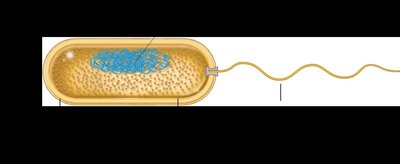
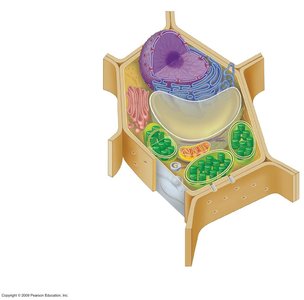
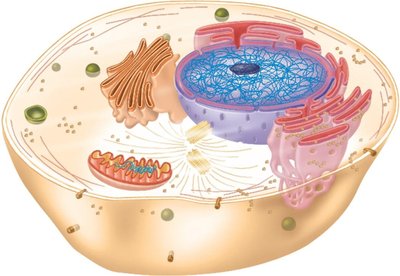
Chromosome Structure and Organization
Chromosomes are DNA-protein complexes that package genetic material for efficient storage, replication, and segregation during cell division.
Prokaryotic Chromosomes: Single, circular DNA molecule; condensed by looping and supercoiling; lack histones.
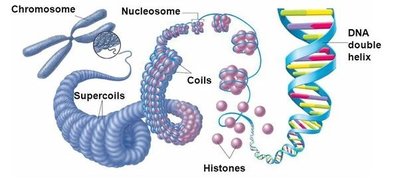
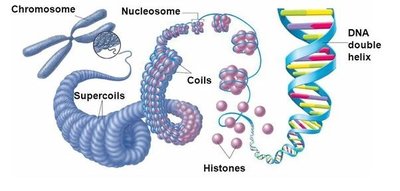
Eukaryotic Chromosomes: Long, linear DNA molecules; associated with histone proteins; organized into chromatin and nucleosomes.
Chromatin: DNA plus proteins (mainly histones) forming a compact structure.
Nucleosome: Basic unit of chromatin, consisting of DNA wrapped around eight histone proteins.
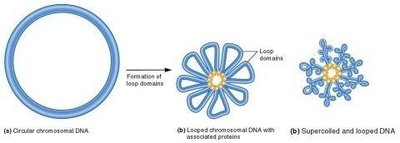
Eukaryotic Chromosome Terminology
Eukaryotic chromosomes have specialized regions and are classified by ploidy and homology.
Arms: "p" (short) and "q" (long) arms.
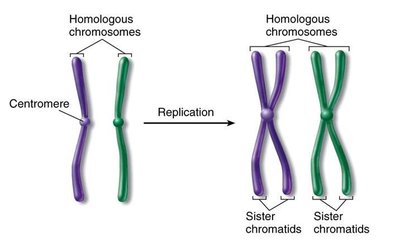
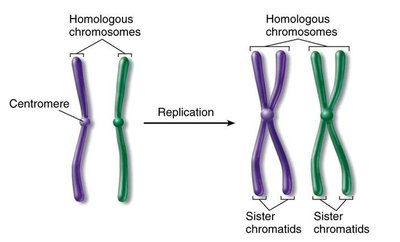
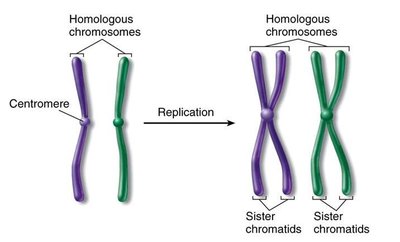
Centromere: Region where sister chromatids are joined; essential for segregation.
Telomere: Protective ends of chromosomes.
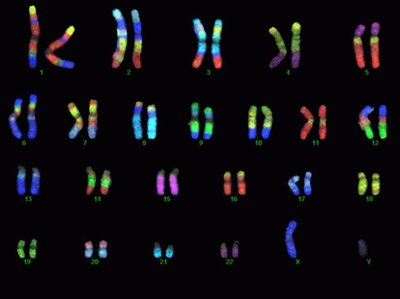
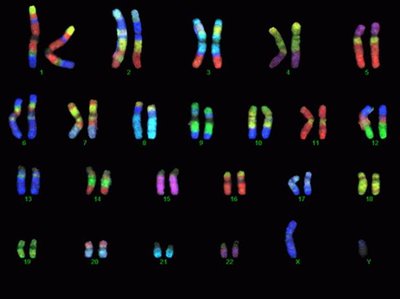
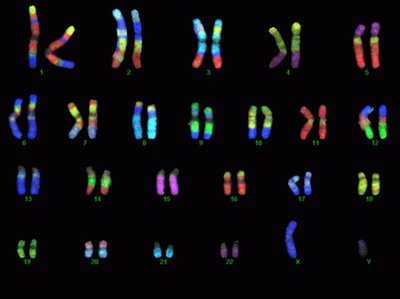
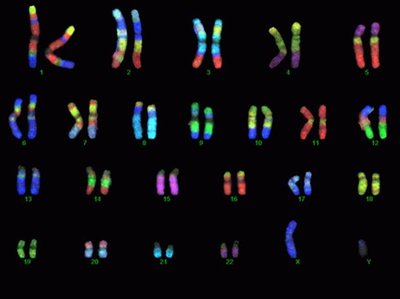
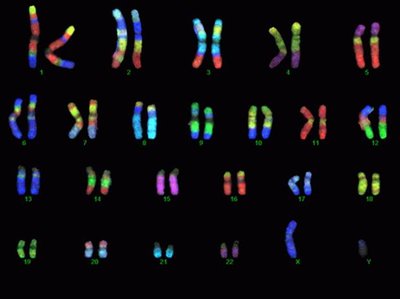
Karyotype: Visual representation of all chromosomes in a cell, arranged by size and shape.
Ploidy: Number of sets of chromosomes (e.g., diploid 2n, haploid 1n).
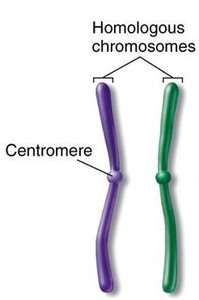
Homologous Chromosomes: Chromosome pairs with the same genes but possibly different alleles.
Sister Chromatids: Identical copies formed after DNA replication, joined at the centromere.
Homozygous vs. Heterozygous
Homologous chromosomes carry the same genes but may have different alleles. The genotype can be homozygous (same allele) or heterozygous (different alleles).
Homozygous: Both alleles at a locus are identical.
Heterozygous: Two different alleles at a locus.
Dominant Allele: Expressed in the phenotype over the recessive allele.
Recessive Allele: Masked by the dominant allele.


Human Chromosomes and Ploidy
Humans have 2 sets of 23 chromosomes (46 total): 22 autosomes and 1 pair of sex chromosomes (X, Y). Somatic cells are diploid (2n = 46), gametes are haploid (1n = 23).
Autosomes: Non-sex chromosomes (22 pairs).
Sex Chromosomes: X and Y chromosomes.
Somatic Cells: Diploid, contain both sets.
Gametes: Haploid, contain one set.
Cell Division: Binary Fission, Mitosis, and Meiosis
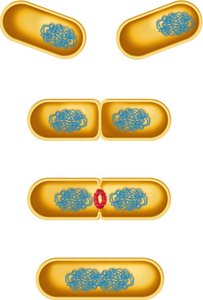
Bacterial Cell Division: Binary Fission
Binary fission is the process by which prokaryotes reproduce, resulting in two genetically identical daughter cells.
Origin of Replication (oriC): Site where DNA replication begins.
Septum Formation: New cell wall forms, separating daughter cells.
FtsZ Protein: Key protein in septum formation.
Generation Time: Varies between species.
Eukaryotic Cell Cycle and Mitosis
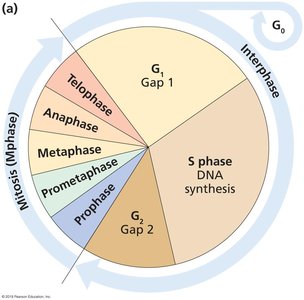
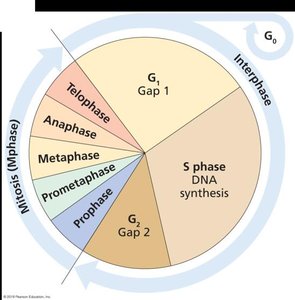
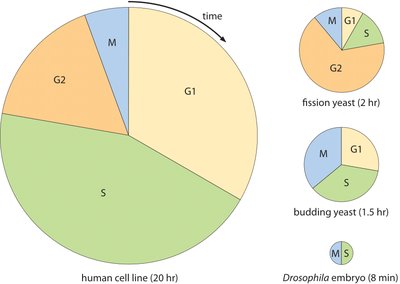
The eukaryotic cell cycle consists of phases that ensure proper growth, DNA replication, and division. Mitosis is the process by which somatic cells divide, producing two identical daughter cells.
Cell Cycle Phases: G1 (growth), S (DNA synthesis), G2 (preparation), M (mitosis), G0 (quiescence).
Mitosis Phases: Prophase, Prometaphase, Metaphase, Anaphase, Telophase.
Cytokinesis: Division of cytoplasm and organelles.
Importance: Growth, repair, and asexual reproduction.
Genetic Control of the Cell Cycle
Cell cycle progression is regulated by cyclins, cyclin-dependent kinases (CDKs), and checkpoint proteins.
Cyclins: Proteins expressed at specific cell cycle stages.
CDKs: Kinases activated by cyclins; phosphorylate proteins to drive cell cycle.
Checkpoints: G1/S (nutritional state), G2/M (DNA integrity), Spindle (chromosome alignment).
CDK Inhibitors (CDKIs): p16, p21, p27; halt cell cycle, promote repair or senescence.
Proto-oncogenes: Genes that promote cell cycle; mutations can lead to oncogenes (cancer).
Tumor Suppressors: Genes that inhibit cell cycle progression.
Mitosis: Detailed Stages
Mitosis is divided into five distinct phases, each with specific events ensuring accurate chromosome segregation.
Prophase: Chromosomes condense, centrosomes move to poles, spindle forms, nuclear envelope breaks down.
Prometaphase: Nuclear envelope disintegrates, spindle microtubules attach to kinetochores.
Metaphase: Chromosomes align at metaphase plate, kinetochores attach to spindle fibers.
Anaphase: Sister chromatids separated by depolymerization of microtubules, cell elongates.
Telophase: Chromatids reach poles, nuclear envelope reforms, chromosomes de-condense.
Cytokinesis: Animal cells form cleavage furrow; plant cells form cell plate.
Key Terms and Concepts
Chromatin: DNA-protein complex forming chromosomes.
Histone: Protein aiding DNA compaction.
Nucleosome: DNA wrapped around histone octamer.
Chromatid: One of two identical halves of a replicated chromosome.
Homologous Chromosomes: Chromosome pairs with same genes, different alleles.
Karyotype: Chromosome set visualization.
Locus: Fixed gene position on chromosome.
Diploid: Two sets of chromosomes (2n).
Haploid: One set of chromosomes (1n).
Fission: Prokaryotic cell division.
Somatic Cell: Body cell, diploid.
Gamete: Sex cell, haploid.
Autosome: Non-sex chromosome.
Sex Chromosome: X or Y chromosome.
Dominant/Recessive: Allele expression hierarchy.
Centromere: Chromosome region joining chromatids.
Centrosome: Organelle organizing spindle.
Kinetochore: Protein complex at centromere for spindle attachment.
Binary Fission: Prokaryotic cell division.
Cell Cycle: Series of events in cell division.
Cyclins/CDKs: Cell cycle regulators.
Checkpoints: Cell cycle control points.
Proto-oncogene/Oncogene: Cell cycle promoting genes.
Tumor Suppressor: Cell cycle inhibiting genes.
Mitosis/Meiosis: Eukaryotic cell division types.
Separase/Cohesin: Proteins regulating chromatid separation.
Summary Table: Prokaryotic vs. Eukaryotic Chromosomes
Feature | Prokaryotic Chromosomes | Eukaryotic Chromosomes |
|---|---|---|
Shape | Circular | Linear |
Number | Single | Multiple |
Associated Proteins | Bacterial-specific proteins | Histones |
Compaction | Looping, supercoiling | Nucleosomes, higher-order structures |
Cell Division | Binary fission | Mitosis/Meiosis |
Key Equations
Ploidy Equation:
Diploid:
Haploid:
Example: Human Chromosome Number
Somatic cell:
Gamete:
Additional info:
Some diagrams and terminology were expanded for clarity and completeness.
Practice questions and study guide terms are included for exam preparation.
